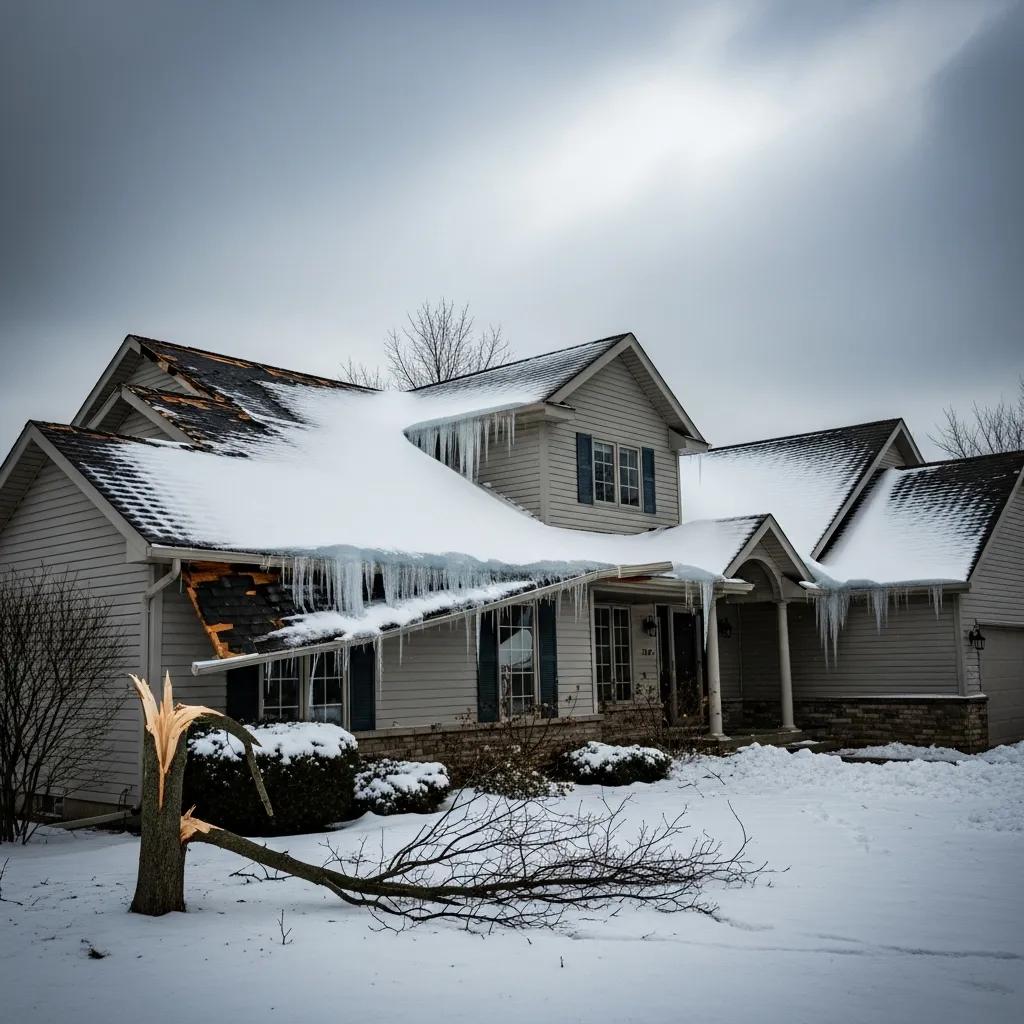
Winter Storm Damage to Roofs and Gutters: Restoration and Insurance Claim Guide
Winter Storm Damage to Roofs and Gutters: Comprehensive Restoration and Insurance Claim Guide

Winter storms can wreak havoc on homes, particularly roofs and gutters, leading to significant damage that requires immediate attention. Understanding the types of damage caused by winter storms and the restoration process is crucial for homeowners. This comprehensive guide will explore the common types of winter storm damage, immediate actions to take, the insurance claim process, available restoration solutions, and preventive measures for the future. By the end of this article, you will be equipped with the knowledge to navigate the complexities of winter storm damage and restoration effectively.
What Are the Common Types of Winter Storm Damage to Roofs and Gutters?
Winter storms can cause various types of damage to roofs and gutters, each with its own implications for homeowners. Understanding these types of damage is essential for effective restoration and prevention.
- Ice Dams: Ice dams form when snow melts on the roof and refreezes at the eaves, creating a barrier that prevents proper drainage. This can lead to water pooling and leaking into the home, causing significant interior damage.
- Snow Load: Heavy snow accumulation can exert excessive weight on roofs, leading to structural stress and potential collapse. Homeowners should be aware of the risks associated with snow load and take action to mitigate them.
- Frozen Gutters: When gutters freeze, they can become blocked, preventing proper drainage and leading to water overflow. This can cause damage to both the gutters and the roof.
How Do Ice Dams Form and Affect Roofs and Gutters?

Ice dams form when warm air from the home heats the roof, causing snow to melt. The melted water flows down the roof until it reaches the colder eaves, where it refreezes. This cycle creates a dam of ice that traps water behind it. The trapped water can seep under shingles, leading to leaks and water damage inside the home. To prevent ice dams, homeowners should ensure proper insulation and ventilation in their attics.
What Risks Does Snow Load Pose to Roof Structures?
Snow load refers to the weight of accumulated snow on a roof. When the snow exceeds the roof's load-bearing capacity, it can lead to structural damage or even collapse. Signs of excessive snow load include sagging roofs, cracks in walls, and doors that stick. Homeowners should monitor snow accumulation and remove it safely when necessary to prevent these risks.
What Immediate Actions Should Homeowners Take After Winter Storm Damage?
After experiencing winter storm damage, homeowners must act quickly to mitigate further issues. Here are the immediate steps to take:
- Ensure Safety: Before inspecting any damage, ensure that it is safe to do so. Avoid standing under overhanging snow or ice.
- Document Damage: Take clear photographs of all visible damage for insurance purposes. This documentation will be crucial when filing a claim.
- Contact Professionals: Reach out to a public adjuster or restoration expert to assess the damage and guide you through the recovery process.
How to Safely Inspect and Document Roof and Gutter Damage?
When inspecting for damage, use a ladder to get a closer look at the roof and gutters, but ensure it is stable and secure. Document the damage by taking detailed photographs from multiple angles. Make notes of any specific issues, such as leaks or structural concerns, to provide to your insurance adjuster.
Why Is Contacting Adjustering the First Step in Recovery?
Contacting Adjustering should be one of the first steps after winter storm damage. As experts in connecting homeowners with licensed public adjusters, Adjustering can help maximize your insurance payout. Their knowledge of the claims process and relationships with restoration contractors streamline recovery efforts, ensuring that homeowners receive the support they need during this challenging time.
How Does the Insurance Claim Process Work for Winter Storm Roof and Gutter Damage?
Navigating the insurance claim process can be daunting for homeowners dealing with winter storm damage. Understanding the steps involved can help ease the burden.
- Initial Assessment: After reporting the damage to your insurance company, an adjuster will assess the situation. They will evaluate the extent of the damage and determine the coverage applicable to your claim.
- Documentation: Homeowners must provide documentation, including photographs and repair estimates, to support their claim. This information is vital for the adjuster to process the claim efficiently.
- Claim Approval: Once the claim is reviewed, the insurance company will approve or deny it based on the policy terms. If approved, they will provide a payout to cover the necessary repairs.
What Role Does a Public Adjuster Play in Maximizing Your Insurance Payout?
Public adjusters represent the policyholder, ensuring that all damages are accurately assessed and documented. They have the expertise to negotiate with insurance companies on behalf of the homeowner, often resulting in higher payouts. By understanding the intricacies of insurance policies, public adjusters can identify coverage that homeowners may overlook.
How to File a Winter Storm Damage Claim: Step-by-Step Guide
Filing a claim for winter storm damage involves several key steps:
- Notify Your Insurance Company: Report the damage as soon as possible to initiate the claims process.
- Gather Documentation: Collect all necessary documentation, including photographs of the damage and any repair estimates.
- Submit Your Claim: Complete the claim form provided by your insurance company, attaching all supporting documents.
- Follow Up: Stay in contact with your insurance adjuster to ensure your claim is being processed and to address any questions they may have.
What Restoration and Repair Solutions Are Available for Winter Storm Damage?
Restoration and repair solutions for winter storm damage vary based on the extent of the damage. Homeowners should consider the following options:
- Emergency Repairs: In cases of severe damage, emergency repairs may be necessary to prevent further issues. This can include tarping roofs or clearing gutters.
- Full Restoration: For extensive damage, a full restoration may be required, involving replacing roofing materials, repairing structural elements, and ensuring proper drainage systems are in place.
- Preventive Measures: After repairs, homeowners should implement preventive measures to protect against future winter storm damage, such as regular maintenance and inspections.
When Is Emergency Roof Repair Necessary After a Winter Storm?

Emergency roof repair is necessary when there is visible damage that poses an immediate risk to the home, such as large leaks or structural instability. Homeowners should act quickly to address these issues to prevent further damage and costly repairs.
How Do Vetted Contractors Restore Roofs and Gutters Effectively?
Vetted contractors follow a systematic approach to restore roofs and gutters effectively. This includes:
- Assessment: Conducting a thorough inspection to identify all areas of damage.
- Planning: Developing a detailed restoration plan that outlines the necessary repairs and materials.
- Execution: Carrying out the repairs using high-quality materials and adhering to safety standards.
How Can Homeowners Prevent Future Winter Storm Damage to Roofs and Gutters?
Preventing future winter storm damage requires proactive measures. Homeowners can take several steps to protect their properties:
- Regular Maintenance: Schedule regular inspections of roofs and gutters to identify and address potential issues before they escalate.
- Proper Insulation: Ensure attics and roofs are properly insulated to prevent heat loss, which can contribute to ice dam formation.
- Quality Materials: Invest in durable roofing and gutter materials that can withstand harsh winter conditions.
What Are Best Practices for Winterizing Roofs and Gutters?
Winterizing roofs and gutters involves several best practices:
- Clean Gutters: Remove debris from gutters to ensure proper drainage and prevent ice buildup.
- Inspect Roofs: Check for loose shingles or other vulnerabilities that could lead to leaks.
- Install Heat Cables: Consider installing heat cables along the roof's edge to prevent ice dam formation.
Which Durable Materials Enhance Storm Resilience?
Choosing durable materials can significantly enhance a home's resilience to winter storms. Some options include:
- Metal Roofing: Offers superior durability and resistance to snow and ice.
- Aluminum Gutters: Lightweight and resistant to rust, making them ideal for winter conditions.
- Impact-Resistant Shingles: Designed to withstand harsh weather, reducing the risk of damage.
Why Choose Adjustering for Winter Storm Damage Restoration and Claims Support?
Adjustering stands out as a valuable partner for homeowners facing winter storm damage. Their expertise in connecting clients with licensed public adjusters and trusted restoration contractors ensures a smooth recovery process.
How Does Adjustering Provide End-to-End Support for Homeowners?
Adjustering offers comprehensive support throughout the restoration process. From the initial assessment to coordinating with contractors, they ensure that homeowners receive the assistance they need at every step. Their focus on maximizing insurance payouts means that clients can recover fully from winter storm damage without financial strain.
What Local Expertise Does Adjustering Offer in Pennsylvania and New Jersey?
With a deep understanding of local building codes and weather patterns, Adjustering provides tailored support for homeowners in Pennsylvania and New Jersey. Their connections with local contractors ensure that clients receive high-quality service that meets regional standards.
For immediate assistance with your winter storm damage claim or restoration needs, do not hesitate to contact Adjustering today.
| Restoration Solution | Description | Effectiveness |
|---|---|---|
| Emergency Repairs | Immediate fixes to prevent further damage | High |
| Full Restoration | Comprehensive repairs and replacements | Very High |
| Preventive Measures | Long-term strategies to mitigate future damage | High |
Homeowners must understand the types of winter storm damage, the necessary immediate actions, and the insurance claim process to navigate recovery effectively. By choosing Adjustering, homeowners can ensure they receive the support needed to restore their properties and prevent future damage.
