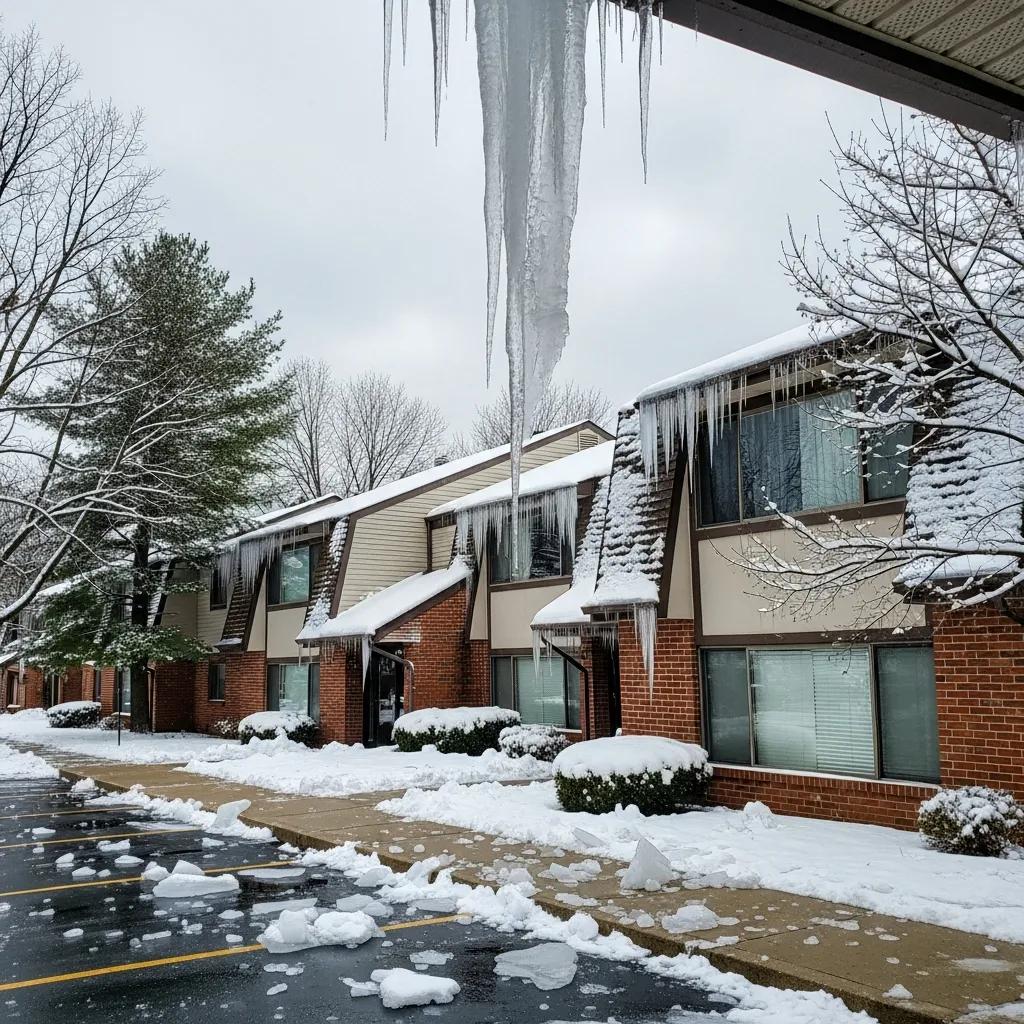
Winter Damage Risks for Apartment Buildings and Multi-Family Properties in bucks county
Winter Risks and Insurance Claims for Apartment and Multi‑Family Properties in Bucks County

Winter brings a predictable — and preventable — set of threats for apartment buildings and multi‑family properties across Bucks County. Freezing temperatures, heavy snow, and ice stress plumbing, roofing, and exterior envelope systems and can quickly turn a small maintenance issue into an expensive claim. This guide walks property managers and owners through the most common winter perils — frozen and burst pipes, ice dams, snow‑load stress, wind and hail — and offers practical detection cues, immediate triage steps, and longer‑term mitigation strategies to reduce tenant displacement and repair costs. You’ll also find clear timelines for storm triage, water extraction, and mold prevention, plus an explanation of how commercial multi‑family claims differ from single‑family claims. For complex losses, a public adjuster often makes the difference: we outline what a public adjuster does, how documentation and negotiation work, and how coordinated restoration speeds recovery. Adjustering also connects owners with licensed public adjusters and vetted restoration or roofing contractors — a short description of that service follows, then the article dives into detailed risk, restoration, and claims guidance tailored to Bucks County property professionals.
Adjustering serves as a practical bridge between property owners and licensed public adjusters and vetted roofing, siding, and restoration teams. We help manage inspections through repairs so recovery happens faster and with less stress. This brief introduction sets up a deeper look later at how public adjuster advocacy and contractor coordination improve claim outcomes and restoration timelines.
What Are the Most Common Winter Damage Risks for Multi‑Family Properties in Bucks County?
Winter damage to multi‑family properties in Bucks County typically stems from a handful of recurring failure modes that start at the building envelope and get worse during extended cold. Freezing temperatures make water expand in pipes and drainage systems, attic heat loss triggers melt/refreeze cycles that create ice dams, and heavy precipitation with wind exposes aged roofing and siding assemblies. Spotting these issues early cuts down on interior flooding, tenant displacement, and the overall scope of structural repairs. The sections that follow break down the top hazards and the signs to prioritize during inspections.
Here are the top winter perils landlords and property managers should monitor before, during, and after cold events.
- Frozen or burst pipes: Freezing in exterior wall runs or attic plumbing causes ruptures and interior flooding.
- Ice dams: Attic heat melts roof snow; meltwater refreezes at the eaves and forces water under shingles.
- Snow‑load and roof collapse: Accumulated wet snow increases load and can exceed design capacity on flat or low‑slope roofs.
- Wind and hail damage: High winds and hail strip shingles and damage siding, exposing sheathing to moisture.
- Interior water damage and mold: Delayed drying after leaks leads to mold growth and longer unit downtime.
Each of these hazards produces visible signs that property teams can check to catch problems early and schedule targeted mitigation.
Inspection checklist — pre‑winter assessment:
- Look for frost or ice around exposed pipes and service entry points to find vulnerable runs.
- Inspect attic insulation and ventilation to keep roof deck temperatures even and reduce ice dam risk.
- Walk rooflines and gutters after storms to spot sagging, leaks, or missing shingles.
- Monitor common‑area mechanical rooms and risers for odd noises, pressure drops, or dripping.
This checklist helps narrow immediate post‑storm actions and informs whether emergency extraction or a formal claims inspection is needed next.
Risk summary — use the table below to quickly match typical impacts with the signs to watch for.
| Damage Type | Typical Impact | Quick Signs to Watch |
|---|---|---|
| Frozen pipes / burst pipes | Interior flooding, multiple unit losses, drywall and finish damage | Rapid temperature drop in pipe zones, visible frost, low water pressure |
| Ice dams | Roof membrane damage, attic leaks, ceiling stains | Icicles at eaves, long trailing ice, water stains along interior ceilings |
| Snow‑load collapse | Structural deflection, roof leaks, emergency evacuations | Sagging rooflines, pooled snow on flat roofs, unusual creaks |
| Wind & hail | Shingle loss, siding punctures, window damage | Missing shingles, dents in metal, granular loss in gutters |
| Interior water / mold | Tenant displacement, remediation expenses, health risks | Musty odors, visible mold spots, delayed drying after leaks |
Use this table to prioritize inspections and decide whether to involve emergency contractors or claims advocates.
How Do Frozen Pipes Affect Apartment Buildings and How Can They Be Prevented?

A single burst pipe in a multi‑family building can cascade through vertical stacks and affect many units at once, producing widespread interior flooding and extended restorations. The sequence is simple: water in exposed or poorly insulated pipe sections freezes, ice expands, pressure rises upstream, and the pipe fails at its weakest point — often where runs pass through exterior walls, crawlspaces, or attic penetrations. Water then migrates through ceilings and walls, damaging finishes, electrical systems, and tenant property — and potentially triggering loss‑of‑rents or business interruption claims when units are uninhabitable.
Prevention combines passive and active measures that property managers can implement before a freeze:
- Insulate vulnerable runs: Wrap pipes in foam or closed‑cell insulation, especially exterior wall and attic runs.
- Install heat tracing: Use electric heat tape or trace on long exposed runs with thermostat controls.
- Maintain building heat: Keep corridors and common areas at a steady minimum temperature during cold snaps.
- Advise tenants: Ask residents to let faucets drip during extreme cold and to report drafts or heating failures immediately.
If a pipe does burst, act quickly to reduce damage and preserve a strong claim: shut off the main water supply, take time‑stamped photos, notify occupants and your insurer, and call for emergency water extraction and a public adjuster to document losses. Prompt shutoff and clear documentation both limit remediation scope and protect evidence for adjuster review.
Frozen pipe failures — common causes and real‑world prevention
Most frozen pipe failures start in risers or branch lines that pass through unconditioned spaces. Without insulation or heat trace, ice expansion creates pinhole leaks that can quickly become full ruptures. Prevention targets the weakest links: verify pipe insulation integrity, avoid HVAC setbacks that drop overnight temperatures too low, and seal penetrations that let cold air reach plumbing. For example, adding insulation and thermostat‑controlled trace to a vertical riser in an exterior vestibule stopped repeat freezes at a similar property — and because the retrofit was documented beforehand, it smoothed later claims discussions.
When a rupture occurs, priorities are universal: isolate the water source, eliminate electrical hazards, document damage for liability and insurance, and engage licensed restoration teams for fast extraction and drying. Those actions protect tenant safety, preserve property value, and keep evidence intact for adjuster review.
What Causes Ice Dams on Multi‑Unit Roofs and How Are They Safely Removed?

Ice dams form when heat from occupied spaces warms the roof deck unevenly, causing snow to melt and the meltwater to refreeze at the colder eaves. The root causes are attic heat loss, inadequate ventilation, and uneven insulation. In multi‑family buildings the problem can be irregular across units because of partitioned attics and variable venting. Ice dams damage roof membranes and sheathing over repeated freeze‑thaw cycles and allow water to back up into ceilings and insulation. Safe removal prioritizes professional, roof‑friendly methods rather than risky DIY techniques.
Short‑term mitigation and long‑term prevention should be combined:
- Hire professionals to use de‑icing cables or controlled melt systems to relieve localized dams.
- Avoid manual ice chipping or untrained roof‑walking — those actions often damage shingles and can void warranties.
- Improve attic insulation and balanced ventilation to keep the roof deck near ambient and interrupt the melt/refreeze cycle.
Longer‑term fixes include continuous insulation, proper ridge and soffit venting, and repaired gutters and downspouts so meltwater drains away from eaves rather than refreezing. Scheduling professional removal and documenting the work also supports insurance claims by showing proactive risk control and timely mitigation.
Ice dam removal — assessment, safe techniques, and prevention
Start ice dam response with a professional assessment to determine whether snow raking, surface de‑icing, or targeted melt is safest for the roof assembly. Experienced contractors use low‑temperature heaters, water‑based melt systems, or mechanical snow removal to avoid membrane gouging. Prevention focuses on insulating attic bypasses, sealing recessed lighting and chase penetrations, and improving ventilation so the roof deck stays close to outside temperature — stopping the melt → refreeze cycle that creates dams. Well‑documented removal and repairs strengthen your claims file and reduce disputes over contributory maintenance issues.
How Do Winter Storms Impact Commercial Multi‑Family Properties in Bucks County?
Bucks County winter storms often combine wind, hail, and heavy, wet snow — a mix that stresses roofing, siding, and windows. Wind can lift shingles and expose underlayment; hail can dent metal panels and fracture shingles, creating micro‑paths for moisture; heavy snow adds sustained loads that can deflect roof structure and compromise parapets. Older multi‑family buildings with deferred maintenance are especially vulnerable: degraded flashings, clogged gutters, and worn attachments amplify storm damage. Property managers should prioritize occupant safety, temporary weatherproofing, and quick structural assessment to stop progressive failure.
The table below compares storm effects and common insurance considerations property teams should know when preparing claims.
| Storm Effect | Typical Operational Impact | Insurance Considerations |
|---|---|---|
| Wind damage | Shingle loss, exposed decking, water infiltration | Time‑stamped inspections document immediate mitigation; some policies expect maintenance records |
| Hail damage | Dented siding, compromised shingles, window glazing impact | Photographic evidence and contractor estimates help support replacement versus repair decisions |
| Heavy snow load | Roof sag, collapsed parapets, emergency evacuations | Structural reports and snow‑removal logs substantiate emergency actions and business interruption claims |
After a storm, rapid triage should focus on safety, temporary weatherproofing, and thorough documentation for claims. The checklist below outlines practical post‑storm steps for property managers.
- Safety first: Evacuate unsafe areas and secure utilities where hazards exist.
- Document thoroughly: Photograph damage from multiple angles with timestamps and collect unit reports.
- Implement temporary repairs: Apply tarps or boarding to prevent further water entry.
- Contact specialists: Arrange structural engineers for load concerns and restoration contractors for emergency drying.
Completing these steps immediately preserves life safety, limits escalating damage, and builds the evidence foundation for an effective insurance claim.
What Are the Risks of Wind, Hail, and Heavy Snow Load Damage?
Wind, hail, and snow create different stress patterns: wind applies uplift and lateral forces, hail delivers point impacts, and snow adds sustained weight and shifting loads. Inspectors should look for missing or curled shingles, displaced flashing, bent gutters, and dented siding after wind or hail — and for localized sagging, membrane cracking, or ice bridging after heavy snow. Operational risks include tenant displacement, blocked egress, utility disruptions, and business interruption from unit downtime. Knowing when to call an emergency contractor versus scheduling routine repairs helps contain costs while protecting tenants.
How Can Property Owners Prepare for and Mitigate Winter Storm Damage?
Preparation reduces the chance that a single storm will cause a catastrophic loss. A prioritized seasonal program — pre‑season roofing inspections, securing loose elements, clearing gutters, and signing service agreements with snow‑removal and emergency contractors — delivers measurable risk reduction. Maintain an updated inventory of roof and siding conditions, document pre‑season repairs, and ensure emergency contact lists and insurance policy details are accessible. Reviewing policy language for loss‑of‑rents and business interruption ahead of the season helps ensure quick, accurate filings when a claim arises.
- Pre‑season roof and façade inspection: Identify and repair loose flashings, compromised shingles, and failing gutter attachments.
- Establish emergency vendor agreements: Prequalify local snow removal and roofing contractors for rapid response.
- Insurance review and documentation: Confirm coverage for loss of rents and business interruption, and store pre‑loss photos and records.
These preparations reduce response times, strengthen claim documentation, and limit tenant disruptions when storms hit.
Why Is Hiring a Public Adjuster Essential for Winter Damage Insurance Claims in Bucks County?
A public adjuster advocates for the policyholder, working to maximize the insurance payout and ensure all covered losses — including loss of rents and business interruption — are accurately documented and presented. Unlike the insurer’s adjuster, who represents the carrier, a public adjuster interprets policy language for the owner, builds a comprehensive scope of damage, and negotiates to recover full value. For multi‑family winter losses involving multiple units, complex mechanical systems, or loss‑of‑rents, a public adjuster’s documentation and contractor coordination often materially improve settlement outcomes and speed repairs.
Public adjusters follow a structured workflow that benefits owners during winter claims:
- Immediate inspection and documentation: Capture damage scope, make‑safe actions, and tenant impacts with photos and notes.
- Comprehensive scope and line‑item estimate: Produce contractor‑grade estimates that reduce the chance of underpayment.
- Negotiation with the insurer: Advocate for contents, build‑back, and loss‑of‑rents/business interruption coverage.
Adjustering’s role is to connect owners with licensed public adjusters and coordinate with vetted restoration and roofing contractors so inspection, documentation, and repairs proceed in sync. That coordination reduces administrative burden for owners and helps preserve evidence critical to a strong claim outcome. Property owners seeking claim review and coordinated dispatch to licensed experts benefit from a single point of contact that manages adjuster and contractor workflows.
How Do Public Adjusters Maximize Insurance Payouts for Multi‑Family Winter Damage Claims?
Public adjusters increase settlements through meticulous scope building and line‑item estimates that capture soft costs like temporary housing, contents replacement, and loss of rents. They analyze policy language to uncover coverages insurers may overlook — such as additional living expenses for displaced tenants or extended business interruption for common‑area systems — and compile contractor bids, structural reports, and tenant logs to substantiate claims. The typical workflow is inspect → document → estimate → negotiate, and in many cases it yields materially higher settlements than initial carrier offers because every loss component is itemized and justified.
What Documentation and Negotiation Strategies Are Used in Commercial Winter Damage Claims?
Strong commercial winter claims rely on layered documentation: high‑resolution photos with timestamps, contractor scopes and invoices, tenant statements and rent rolls for loss‑of‑rents claims, and expert structural or mechanical reports when needed. Negotiation strategies include comparing multiple contractor estimates, presenting progressive repair vs. replacement costs, and using pre‑loss condition records to counter depreciated or denied line items. A checklist approach helps managers collect the right evidence — photos, unit inventories, HVAC and electrical logs, and signed tenant reports — so claims teams and public adjusters can present a clear, evidence‑based case.
- Photo and video record: Capture all affected areas with clear time and location references.
- Contractor scopes and invoices: Secure line‑item bids and emergency remedy invoices to support actual costs.
- Tenant impact documentation: Maintain written tenant displacement reports and rent‑loss calculations for loss‑of‑rents claims.
When assembled by a public adjuster, these artifacts improve claim valuation and reduce negotiation friction with insurers.
What Are the Best Practices for Water Damage Restoration and Mold Prevention After Winter Damage?
After winter water intrusion, immediate mitigation, controlled drying, and documented remediation are essential to prevent mold and structural decay. Restoration starts with hazard assessment and containment, followed by water extraction, structural drying with air movers and dehumidifiers, and controlled demolition where saturated materials must be removed. Mold prevention depends on rapid drying within industry timelines, targeted antimicrobial treatments when appropriate, and post‑remediation verification testing for larger losses. Coordinating restoration with insurance documentation helps ensure repairs are covered and completed to code.
| Service | Typical Timeline | Expected Outcome |
|---|---|---|
| Emergency water extraction | 0–24 hours | Remove standing water and reduce immediate moisture load |
| Structural drying and dehumidification | 2–7 days | Reduce moisture to safe levels to prevent mold growth |
| Controlled demolition & rebuild scopes | 1–4 weeks (varies) | Remove non‑salvageable materials and prepare for reconstruction |
Knowing these timelines helps set tenant expectations and supports accurate insurance scheduling for indemnity and business interruption calculations.
How Is Emergency Water Extraction and Drying Conducted in Multi‑Family Properties?
Emergency extraction and drying begin with triage to identify the source, compartmentalize affected units, and manage electrical and biohazard risks. Technicians deploy pumps for standing water, then position air movers and dehumidifiers in patterns that create effective airflow across wet assemblies while monitoring moisture with meters. Containment and negative‑pressure zoning prevent cross‑contamination between occupied units, and tenant coordination minimizes disruption and protects personal property. Timely extraction and daily drying logs are essential for insurer approval and to avoid mold growth beyond the critical 48–72 hour window.
Restoration teams typically use truck‑mounted extractors, industrial air movers, and desiccant or refrigerant dehumidifiers; recorded moisture readings and daily progress notes are supplied to adjusters to validate remediation efficacy and support claim payment.
What Are Effective Mold Remediation Techniques Following Winter Water Damage?
Mold remediation after winter water damage follows containment, removal of saturated materials, HEPA vacuuming, antimicrobial cleaning, and clearance verification. Remediation scales with area affected: small jobs use isolated containment, larger infestations require full containment, HVAC protection, and post‑remediation air and surface testing. Clearance testing uses objective criteria to confirm spore reduction and becomes part of the claim record. In occupied multi‑family buildings, keep tenants informed, stage temporary accommodations if needed, and document belongings with inventories to minimize disruption and substantiate losses.
- Containment and PPE: Limit spread and protect occupants and technicians.
- Removal of irreparably damaged materials: Replace insulation, drywall, and carpeting as required.
- Post‑remediation verification: Use clearance testing and moisture readings to confirm success.
Adjustering coordinates with vetted contractors who perform emergency extraction, drying, and remediation while aligning documentation for adjuster review to reduce friction during settlement.
How Does Local Expertise in Bucks County Enhance Winter Damage Prevention and Claims?
Local expertise matters. Bucks County’s winter patterns, building stock, and contractor availability shape both risk profiles and recovery speed. Local professionals know regional vulnerabilities — older rowhomes with shared roofs, common attic configurations, and typical plumbing routings — and they see hidden failures that generic assessments miss. Rapid local response limits water exposure time, reducing mold risk and repair scope, while familiarity with county building departments and permit pathways accelerates rebuilds. Owners get better outcomes when mitigation, inspection, and claims advocacy are handled by teams with local knowledge and vetted contractor networks.
Seasonal maintenance and pre‑season winterization tailored to Bucks County conditions reduce incidents and strengthen claim positions.
What Seasonal Maintenance and Winterization Tips Are Recommended for Bucks County Properties?
A seasonal checklist focused on local vulnerabilities keeps multi‑family properties resilient: clean and secure gutters and downspouts before freeze, inspect and top up attic insulation where heat loss is uneven, service boilers and maintain minimum heat schedules in unoccupied units, and seal exterior penetrations that let cold air reach pipe runs. Prioritize older buildings with original roofing and single‑pane windows for early inspection, and photograph all pre‑season repairs with dates to support later claims. Scheduling contractor inspections in late fall ensures work is completed before sustained freezes.
- Gutter and downspout clearing: Prevent standing water and lower ice dam risk.
- Attic insulation and ventilation review: Balance roof deck temperatures to interrupt melt/refreeze cycles.
- Pipe insulation and heat trace checks: Protect known vulnerable runs and risers.
These steps minimize emergency responses and make insurance interactions more straightforward when damage does occur.
How Does Adjustering Provide Fast Access to Licensed Public Adjusters and Contractors Locally?
Adjustering connects property owners with licensed public adjusters and pre‑vetted restoration, roofing, and siding contractors across Bucks County and nearby areas to shorten response time after winter events. The process centers on coordinating inspection and dispatch: owners report damage, Adjustering facilitates a licensed adjuster review and pairs the claim with vetted contractors to produce coordinated scopes and estimates. This integrated approach reduces administrative overhead for owners, streamlines documentation for insurers, and aligns emergency mitigation with long‑term repairs. Adjustering’s network emphasizes licensed, vetted partners, fast local response, and support through the inspection‑to‑repair timeline to help managers get properties back to service quickly.
Engaging a coordinated local network and a public adjuster early preserves evidence, improves claim valuation, and reduces tenant downtime after winter damage events.
Frequently Asked Questions
What steps should property managers take immediately after a winter storm?
After a winter storm, put safety first: evacuate unsafe areas and shut off utilities where hazards exist. Document all visible damage with timestamped photos from multiple angles and collect unit reports. Apply temporary repairs — tarps or boarding — to stop further water entry. Finally, contact specialists such as structural engineers and restoration contractors for emergency drying and to prepare documentation for insurance claims.
How can property owners ensure their insurance claims are processed efficiently?
Efficient claims start with thorough documentation: high‑resolution photos with timestamps, contractor scopes and invoices, and tenant statements. Keep a detailed inventory of affected units and related costs like temporary housing. Engaging a public adjuster speeds the process — they know what insurers need and make sure all eligible coverages are pursued.
What are the long‑term strategies for preventing winter damage in multi‑family properties?
Long‑term strategies include routine maintenance and inspections of roofs, siding, and plumbing; upgrading insulation; ensuring proper attic ventilation; and keeping gutters clear to prevent ice dams. Establish emergency vendor agreements for snow removal and repairs, and educate tenants to report problems early so small issues don’t become large claims.
How does local expertise benefit property owners during winter damage claims?
Local expertise provides faster response and more accurate assessments because local teams understand Bucks County’s building stock and winter patterns. Their familiarity with local code requirements, permitting, and trusted contractors speeds repairs and helps produce stronger, well‑documented claims.
What role does tenant communication play in managing winter damage?
Clear tenant communication reduces confusion and speeds recovery. Notify residents promptly about safety steps and repair timelines, and ask them to report drafts, leaks, or unusual noises. Regular updates during remediation help manage expectations and encourage cooperation, which minimizes disruption.
What are the common mistakes to avoid when filing winter damage insurance claims?
Common mistakes include failing to document damage thoroughly, delaying the claims process, and not keeping records of repairs or emergency measures. Also avoid assuming every loss is obvious to an insurer — engage a public adjuster if you suspect coverage gaps or complex loss components like loss‑of‑rents or business interruption.
How can property managers prepare for unexpected winter weather events?
Prepare with a written winterization plan: pre‑season inspections of roofs, gutters, and plumbing; agreements with local contractors for snow removal and emergency repairs; an updated inventory of insurance policies; and a tenant communication plan. These steps shorten response time and reduce the impact of severe weather.
Conclusion
Understanding winter damage risks for multi‑family properties in Bucks County is essential to reduce repair costs and tenant displacement. Proactive measures against frozen pipes, ice dams, and storm damage — combined with local expertise and public adjuster advocacy — make claims clearer and restorations faster. To protect your property, document pre‑season work, establish trusted local vendors, and reach out to our network when you need coordinated inspection, mitigation, and claims support.
