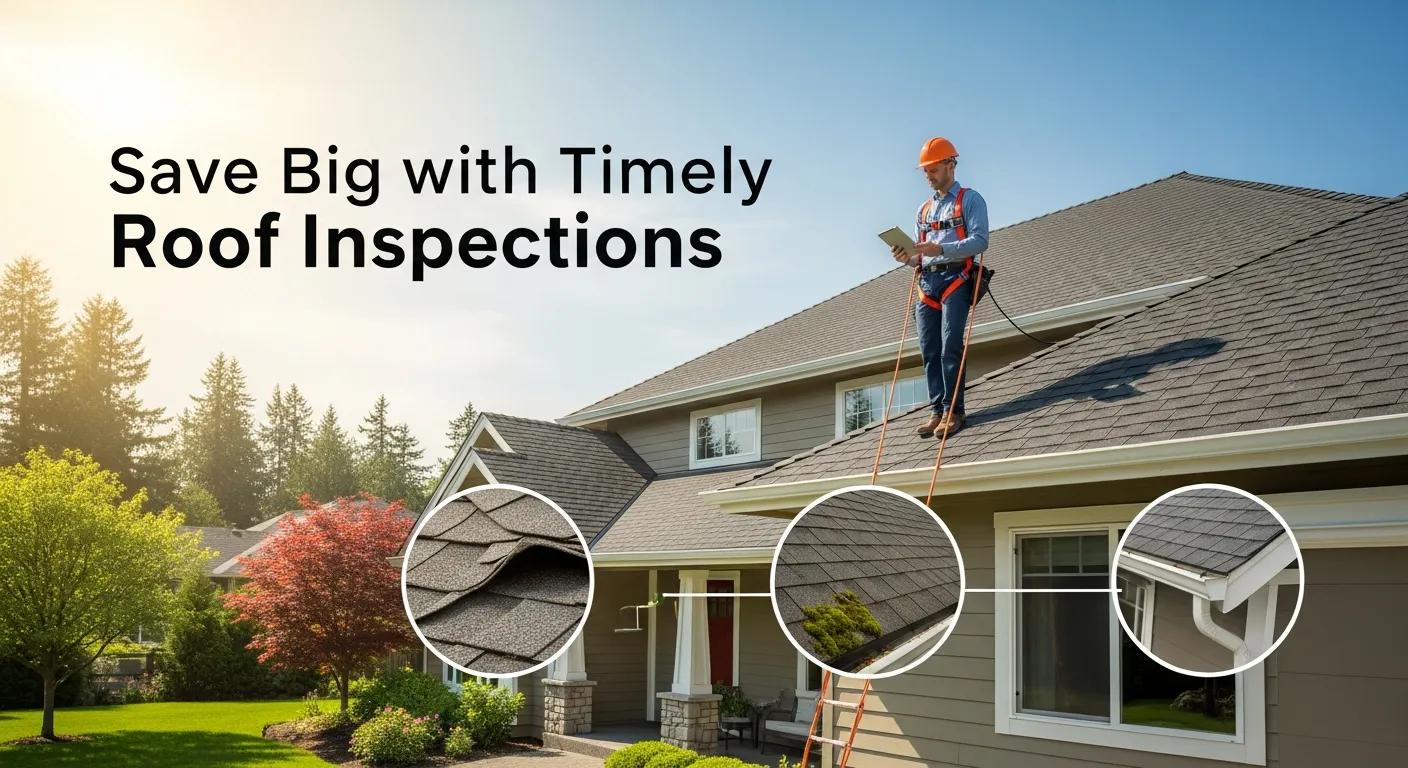
Why Timely Roof Inspections Prevent Major Repairs
Protect Your Budget with Timely Roof Inspections
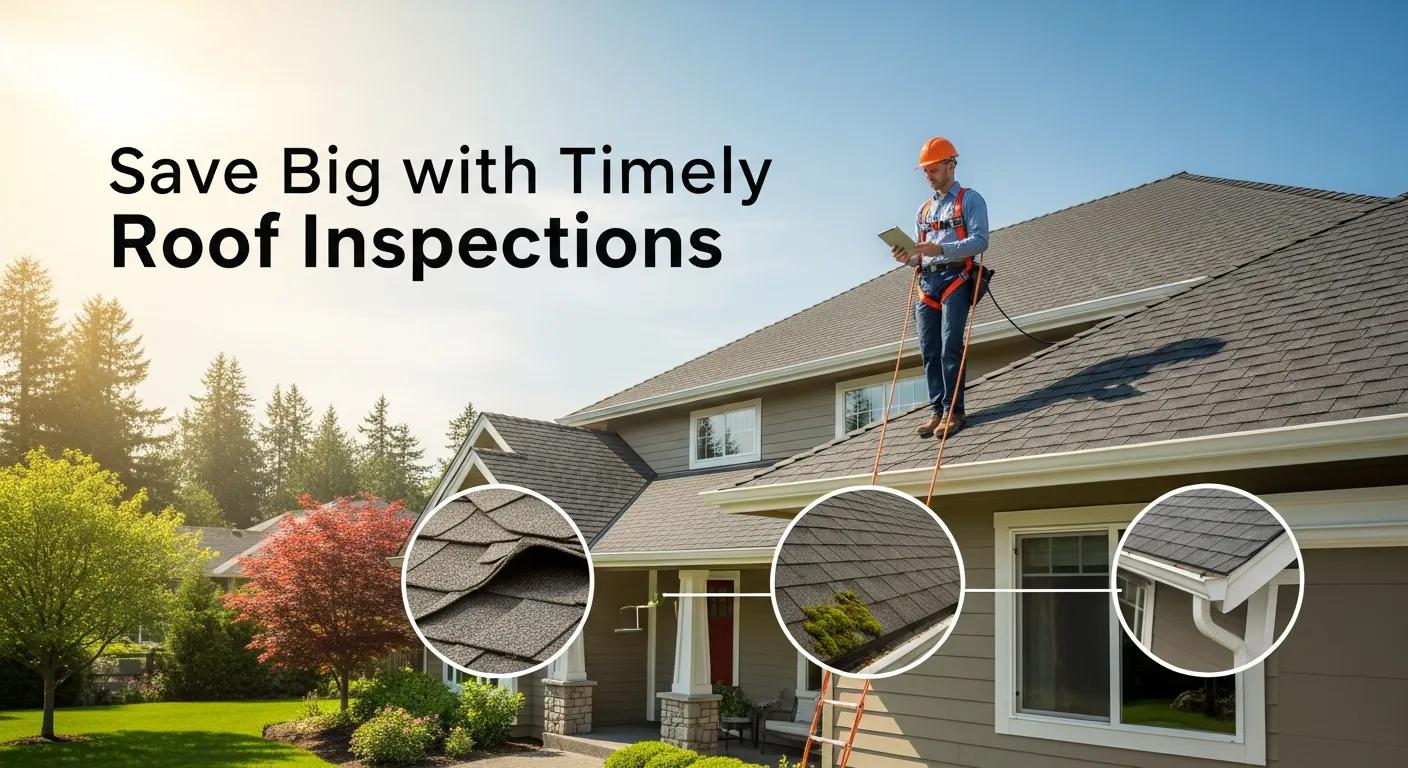
Roof damage creates immediate stress for homeowners and business owners because small, visible problems often mask larger, expensive failures underneath. Regular, timely roof inspections catch issues early through focused observation and clear documentation—stopping escalation, lowering repair costs, and strengthening insurance claims when water intrusion or storm damage occurs. This article outlines the benefits of routine inspections, highlights common exterior and interior warning signs, quantifies how repair costs rise when fixes are delayed, and provides practical steps to schedule and prepare for a professional assessment. For property owners who want a coordinated solution, Adjustering connects you with licensed public adjusters and vetted roofing, siding, and restoration contractors to simplify claims and repairs and help secure full insurance recovery. Read on to learn how routine inspections extend roof life, what to check after storms, how insurance factors in, and how to prepare for an inspection to protect property value and avoid premature replacements.
What Are the Key Benefits of Regular Roof Inspections?
Regular roof inspections are proactive maintenance that find emerging problems before they become structural failures—cutting long-term costs and preserving roof life. Inspectors evaluate key components—shingles, flashing, gutters, attic insulation, and decking—to locate leaks, wear, and failure points and recommend targeted repairs that restore integrity. The main benefits include improved safety, better energy performance, stronger documentation for insurance claims, and measurable cost avoidance compared with delayed action. Below is a concise list of the most impactful advantages property owners can expect from scheduled roof assessments.
Regular roof inspections provide these primary advantages:
- Early detection of minor defects that prevent water intrusion and structural damage.
- Extended roof lifespan through timely repairs to shingles, flashing, and decking.
- Cost savings by avoiding larger remediation—insulation replacement, drywall work, and mold cleanup.
- Stronger, dated documentation for insurance claims that increases the chance of full payout.
- Improved safety and energy efficiency by identifying compromised ventilation and insulation.
These benefits lower both immediate and downstream risk to a property. Regular inspections are a core preventative maintenance practice that protects property value and reduces the chance of unexpected cost escalation. The next section explains how inspections extend roof life and preserve resale value with concrete mechanisms and examples.
How Do Timely Inspections Extend Roof Lifespan and Maintain Property Value?
Timely inspections extend roof life by spotting localized wear—shingle granule loss, damaged flashing, or isolated decking rot—and addressing these issues before they spread. Inspectors repair or replace compromised components, cutting off moisture entry that would otherwise harm framing, insulation, and interior finishes. Keeping the building envelope watertight preserves curb appeal and prevents the rapid depreciation buyers associate with visible exterior damage or interior stains. By making targeted repairs early, owners defer full roof replacement, get more usable years from the existing system, and protect resale value with a documented maintenance history.
In What Ways Do Early Roof Inspections Lead to Significant Cost Savings?
Early inspections convert high-cost, disruptive repairs into routine maintenance—think shingle replacement or flashing reseal instead of insulation or drywall replacement. Fixing a small shingle gap or patching flashing typically stops water migration that would otherwise require insulation replacement, drywall repair, and possible mold remediation—each far more expensive than the initial fix. Inspections also let owners plan work around budgets, avoid emergency premiums after storms, and provide documentation to support insurance claims. With material and labor costs rising, timely inspections are increasingly a smart financial choice to avoid large-scale remediation.
| Benefit | Mechanism | Typical Outcome |
|---|---|---|
| Early Detection | Visual + attic inspection identifies leaks and failed components | Minor repairs prevent water intrusion |
| Lifespan Extension | Targeted repairs (shingles, flashing) stop progressive decay | Roof life preserved, replacement deferred |
| Insurance Documentation | Professional reports and photos document condition | Stronger claim support and higher payout potential |
This table links benefits to concrete mechanisms and outcomes so owners can see measurable returns from an inspection program. Next up: practical guidance on spotting early signs of roof damage.
How Can Homeowners Identify Early Signs of

?
Spotting early roof damage requires both exterior observation and interior checks—many failures start hidden and only show later as stains or odors. A simple, systematic checklist helps owners recognize warning signs after storms or during routine checks and decide when to call a professional. Use the lists below as a quick visual guide for whether to schedule an inspection or document conditions for an insurance review. After the checklist, we explain which signs need urgent attention.
Common exterior indicators include:
- Missing, cracked, or curling shingles that expose underlayment and increase water entry risk.
- Granules in gutters and downspouts, a sign of accelerated shingle wear and reduced UV protection.
- Damaged or lifted flashing around chimneys, vents, and valleys that can channel water beneath the roof.
- Moss, algae, or persistent dark streaks that trap moisture and speed substrate decay.
- Sagging rooflines or visible decking deformation that suggest structural compromise.
These exterior signs often pair with interior warnings. The following list explains interior clues that imply hidden problems and the need for a timely professional assessment.
Typical interior signs of hidden roof problems include:
- Ceiling water stains or bubbling paint indicating active or past leaks.
- Musty odors and visible mold growth pointing to chronic moisture and potential health risks.
- Wet or compressed attic insulation that reduces thermal performance and hides moisture.
- Daylight or drafts visible through roof decking in the attic, signaling penetrations or missing shingles.
- Rusted fasteners or water marks on rafters that reveal ongoing water paths.
Finding any of these interior signs—especially after a storm—should prompt a professional inspection to identify the root cause and document damage for maintenance or claims. The next section quantifies how costs rise when repairs are delayed.
What Are Common Exterior Indicators of Roof Damage to Watch For?
Exterior signs are your first line of detection and often let you act before interior damage appears. Check for missing or curling shingles, displaced ridge caps, and granule buildup in gutters. Inspect flashing around chimneys, skylights, and vents—cracks, separations, or gaps can let water travel under roofing layers. Watch roofline straightness: sags or uneven planes may indicate compromised decking or structural issues that need prompt attention to avoid larger repairs or collapse.
Which Interior Signs Suggest Hidden Roof Problems?
Interior signs frequently reveal advanced or long-standing roof issues that began unnoticed outside, so attic checks are critical after storms or at least twice a year. Look for ceiling stains, peeling paint, or bulging plaster—these indicate moisture penetration. Note musty odors or visible mold, which suggest ongoing damp conditions. Inspect attic insulation for wet spots or compression; saturated insulation loses insulating value and can conceal active leaks. If you can see daylight through decking or water tracks along rafters, schedule a professional evaluation right away to diagnose and stop the source.
What Are the Consequences and Costs of Delaying Roof Repairs?
Delaying repairs turns small, manageable problems into complex, multi-trade restorations that are far more expensive and disruptive. Neglect lets moisture spread and damage sheathing, framing, insulation, and interior finishes—escalating the scope from roofing work to structural and remediation projects. Insurance can compound costs: carriers often evaluate whether damage stems from a covered peril or from prolonged neglect and may reduce or deny coverage if maintenance was deferred. The timeline below illustrates typical escalation in damage and cost when repairs are postponed.
Below is a timeline-style comparison of how costs escalate with delay:
| Delay Stage | Typical Damage | Approximate Cost Range |
|---|---|---|
| Minor issue (immediate) | Shingle or flashing repair | $300–$700 |
| Delayed 1–3 months | Local water intrusion, insulation replacement, drywall repair | $1,200–$3,500 |
| Delayed 6–12 months | Widespread rot, structural repairs, mold remediation | $5,000+ |
This table demonstrates how a focused repair can grow into full remediation and why early intervention limits financial exposure. The next paragraphs explain triggers for escalation and how insurance considerations interact with maintenance history.
How Do Repair Costs Escalate from Minor Fixes to Major Replacements?
Costs rise when localized defects allow ongoing moisture intrusion to degrade adjacent materials and systems. A missing shingle or failed flashing may cost a few hundred dollars to fix, but persistent leaks soak insulation, delaminate drywall, and encourage rot and mold that require specialist remediation. Over 6–12 months, a simple repair can turn into a project involving roof replacement, structural carpentry, insulation replacement, and mold cleanup—pushing costs into the thousands. Recent increases in material and labor prices further magnify these escalations, so timely maintenance is almost always more cost-effective than emergency replacement.
What Are the Insurance Implications of Neglecting Timely Roof Maintenance?
Insurers generally distinguish sudden, covered perils from damage caused by prolonged neglect; that distinction affects payouts. A lack of documented timely inspections or prolonged deferred maintenance can lead an insurer to treat damage as excluded wear-and-tear, reducing recoverable amounts or denying a claim. Professional inspection reports, dated photos, and repair receipts build a maintenance record that reduces dispute risk and supports claims when a covered peril causes loss. If a claim is contested, a licensed public adjuster can review the file, advocate for full payout, and challenge underpayments using documented evidence.
How Does Adjustering Provide an End-to-End Solution for Roof Health?

Adjustering’s service model coordinates the key players—licensed public adjusters, vetted roofing contractors, siding specialists, and restoration teams—to streamline inspections, documentation, claims, and repairs for property owners. This coordinated approach ensures inspections are thorough, photographic evidence is captured correctly, repair scopes align with insurance expectations, and no damage is missed during assessment or remediation. The table below clarifies roles and outcomes within the Adjustering model and highlights the integrated value the company delivers to homeowners and businesses in its service area.
The following table maps participants to core responsibilities and expected outcomes:
| Actor | Role | Outcome |
|---|---|---|
| Public Adjuster | Document damage, quantify loss, negotiate with insurer | Maximized insurance payout |
| Roofing Contractor | Execute quality repairs and provide scope estimates | Durable repairs, warranty-backed work |
| Adjustering | Coordinate inspections, connect owners to vetted pros | Fast access and a streamlined claims process |
Adjustering helps owners access local experts quickly and aligns documentation with insurer requirements so repairs reflect full scope and value. This coordinated model reduces the chance of overlooked damage and increases the likelihood that an insurance settlement covers both repairs and required remediation. The following subsections explain how public adjusters and vetted contractors operate within this workflow to protect owner interests.
How Do Public Adjusters Maximize Insurance Payouts for Roof Damage?
Public adjusters serve as the property owner’s advocate—not the insurer’s—by documenting loss, validating contractor estimates, and negotiating settlements based on policy language. They compile photographic and written evidence, produce line-item estimates for roofing and related trades, and deliver a cohesive claim file that contrasts with quick insurer inspections. Adjusters identify undervalued line items and pursue appeals or supplementals when initial offers fall short. That evidence-driven approach improves the odds of a full payout and reduces owner out-of-pocket costs for covered perils.
What Is the Role of Vetted Local Roofing Contractors in Quality Repairs?
Vetted local roofing contractors perform the technical repairs that restore weatherproofing and structural integrity, working from scopes tied to documented damage and insurer-approved estimates. Vetting focuses on licensure, insurance, references, and demonstrated workmanship that supports warranty expectations. Contractors coordinate with adjusters to reconcile scope differences and manage change orders transparently to prevent scope creep. High-quality repairs by local crews help ensure compliance with regional materials and codes, extend repair longevity, and reduce follow-up callbacks.
Why Is Local Expertise Important for Timely Roof Inspections in Philadelphia and New Jersey?
Local expertise matters because regional weather, common materials, and building practices shape typical roof failure modes and inspection timing. Inspectors and contractors familiar with Philadelphia, Bucks, Montgomery, Chester, and Delaware counties, plus South and Central Jersey, understand how wind-driven shingle loss, freeze-thaw cycles, hail, and heavy rain affect local roof systems. Local knowledge speeds accurate diagnosis, helps prioritize repairs that resist regional stressors, and shortens response times after storms. The table below outlines common regional mechanisms and inspection timing considerations.
Common regional damage mechanisms and inspection timing:
- Wind-driven shingle loss and lifted flashing from nor’easters and high-wind storms.
- Freeze-thaw cycling that fractures older shingles and cracks flashing in winter.
- Heavy rain infiltration and ice dam risks that affect attic ventilation and insulation performance.
Local expertise shortens the path from detection to repair, and Adjustering’s local network provides fast connections to qualified adjusters and vetted contractors who know regional failure modes well. The following subsections describe specific weather impacts and the benefits of Adjustering’s regional network.
How Do Regional Weather Patterns Affect Roof Damage Risks?
Seasonal and episodic weather in Pennsylvania and New Jersey creates distinct roof stressors: high winds can strip shingles and lift flashing; hail can fracture granules and damage underlayment; and freeze-thaw cycles accelerate shingle breakdown. Heavy storms place rapid water loads on vulnerable areas like valleys and flashing, while winter ice dams concentrate water above eaves and drive infiltration. These patterns inform inspection timing—post-storm checks and seasonal spring/fall inspections are recommended to catch weather-driven defects before they escalate.
What Advantages Does Adjustering Offer Through Its Local Service Network?
Adjustering’s local network speeds inspection scheduling and emergency response by connecting owners to nearby licensed public adjusters and vetted roofing and restoration contractors. Local partners bring knowledge of regional codes, common materials, and typical insurance workflows, which reduces diagnostic time and prevents scope mismatches that delay repairs. That coordinated documentation package—inspection reports, aligned estimates, and contractor photos—strengthens claims and expedites repairs so owners return properties to secure condition sooner.
What Steps Should Homeowners Take to Schedule and Prepare for a Roof Inspection?
Preparation and timing determine how useful an inspection will be and how strong the resulting documentation is for claims or maintenance planning. Homeowners should follow a clear sequence: set inspection frequency, photograph current conditions, note recent storms, and provide safe access to attic and roof areas. The checklist below gives a practical order to prepare for an inspection and ensure it yields actionable findings and claim-ready documentation. After the steps, we explain what to expect during a professional inspection and how Adjustering can help with scheduling and free claim review options.
Follow these steps to schedule and prepare for a roof inspection:
- Schedule inspections at least twice a year—spring and fall—and immediately after significant storms.
- Photograph exterior roof areas, gutters, and any visible damage; photograph interior ceilings and attic conditions.
- Compile relevant documents such as previous inspection reports, contractor receipts, and insurance policy details if available.
- Clear attic access and move pets/vehicles to allow safe inspection and contractor access.
- Request a professional inspection report that includes photographs, scope-of-work recommendations, and an itemized estimate.
Following these steps creates a clear record that improves maintenance planning, supports insurance claims, and speeds contractor mobilization. For property owners in Adjustering’s service areas, the company can arrange timely inspections and provide a free claim review to evaluate coverage and next steps.
How Often Should Roof Inspections Be Conducted for Optimal Maintenance?
For most roofs, inspect at least twice a year—spring and fall—to catch winter and summer damage cycles, and add inspections after significant storms. Older roofs, properties with prior damage, or buildings exposed to severe weather may need more frequent checks—quarterly or after every major event. Regular inspections lower the risk of unnoticed deterioration turning into large repairs, and a consistent documentation trail supports insurance claims for storm-related perils.
What Should Homeowners Expect During a Professional Roof Inspection?
A professional inspection typically includes an exterior walk or drone survey, an attic check for moisture and insulation condition, photographic documentation of observed defects, and a written report with prioritized recommendations and itemized estimates. Inspectors evaluate shingles, flashing, ventilation, gutters, and decking, and note immediate repairs plus items to monitor. The report should include date-stamped photos and clear descriptions homeowners can use to select contractors or share with public adjusters for claims. Scheduling repairs or claims promptly after documentation preserves evidence while it’s fresh.
- What to expect: Comprehensive inspection, photos, and a prioritized written report.
- Timing: Same-day scheduling possible for emergencies; full reports may take a few days.
- Follow-up: Recommendations typically include immediate repairs and estimated remediation timelines.
These expectations help homeowners plan logistics, budget, and insurance conversations. Adjustering can simplify scheduling and pair inspection results with vetted contractors and public adjuster support from its regional network.
The following table summarizes responsibilities and the value each actor brings to a coordinated inspection and repair workflow.
| Role | Task | Value to Owner |
|---|---|---|
| Homeowner | Document photos, provide access | Clear evidence and faster inspection |
| Adjustering | Coordinate inspection and connect experts | Speed and streamlined claims support |
| Contractor/Adjuster | Deliver estimates and negotiate claims | Quality repairs and maximized payout |
Frequently Asked Questions
1. How can I find a reliable roofing contractor for repairs?
Start with recommendations from friends, family, or neighbors who’ve had good results. Check online reviews and ratings on Google or Yelp, confirm the contractor is licensed and insured, and ask for references. Get multiple quotes to compare scope and pricing. For added confidence, use services like Adjustering that connect homeowners with vetted contractors to ensure quality and reliability.
2. What should I do if I notice roof damage after a storm?
Act quickly. Document the damage with photos for insurance, check for active leaks inside the home, and—if it’s safe—inspect the exterior for missing shingles or damaged flashing. Contact a professional roofing inspector to evaluate the damage and recommend repairs, and notify your insurance company to start the claims process while evidence remains fresh.
3. Are there specific times of year when roof inspections are more critical?
Yes. Inspections are most useful before and after severe weather seasons. In snowy or icy regions, schedule inspections in the fall to prepare for winter; in spring, check for winter damage. Always inspect after major storms to identify new issues. Regular year-round checks help maintain roof integrity and prevent costly repairs.
4. How can I prepare my home for a roof inspection?
Clear attic and roof access by moving vehicles and obstacles. Photograph the roof and any damage, gather previous inspection reports and insurance information, and secure pets. Ensure the inspector has safe access to all areas. These steps let the inspector work efficiently and produce useful documentation for repairs or claims.
5. What are the long-term benefits of regular roof inspections?
Regular inspections let you catch problems early, prevent costly repairs, and extend the life of your roof. They produce documentation that supports insurance claims and demonstrates proactive maintenance—helpful for resale. Over time, routine inspections improve safety and can deliver significant cost savings.
6. How do I know if my roof needs immediate attention?
Seek immediate help if you see visible leaks, ceiling water stains, missing or damaged shingles, or sagging rooflines. Granules in gutters or persistent mold growth also indicate underlying issues needing prompt repair. Quick action prevents further damage and higher repair bills.
7. What role does documentation play in the roof inspection process?
Documentation is essential: photos, written reports, and itemized estimates provide a clear record of condition and needed work. Proper documentation supports insurance claims, helps homeowners understand repair scope, and gives contractors the information they need to provide accurate estimates. A documented maintenance history also enhances resale value by showing responsible care.
