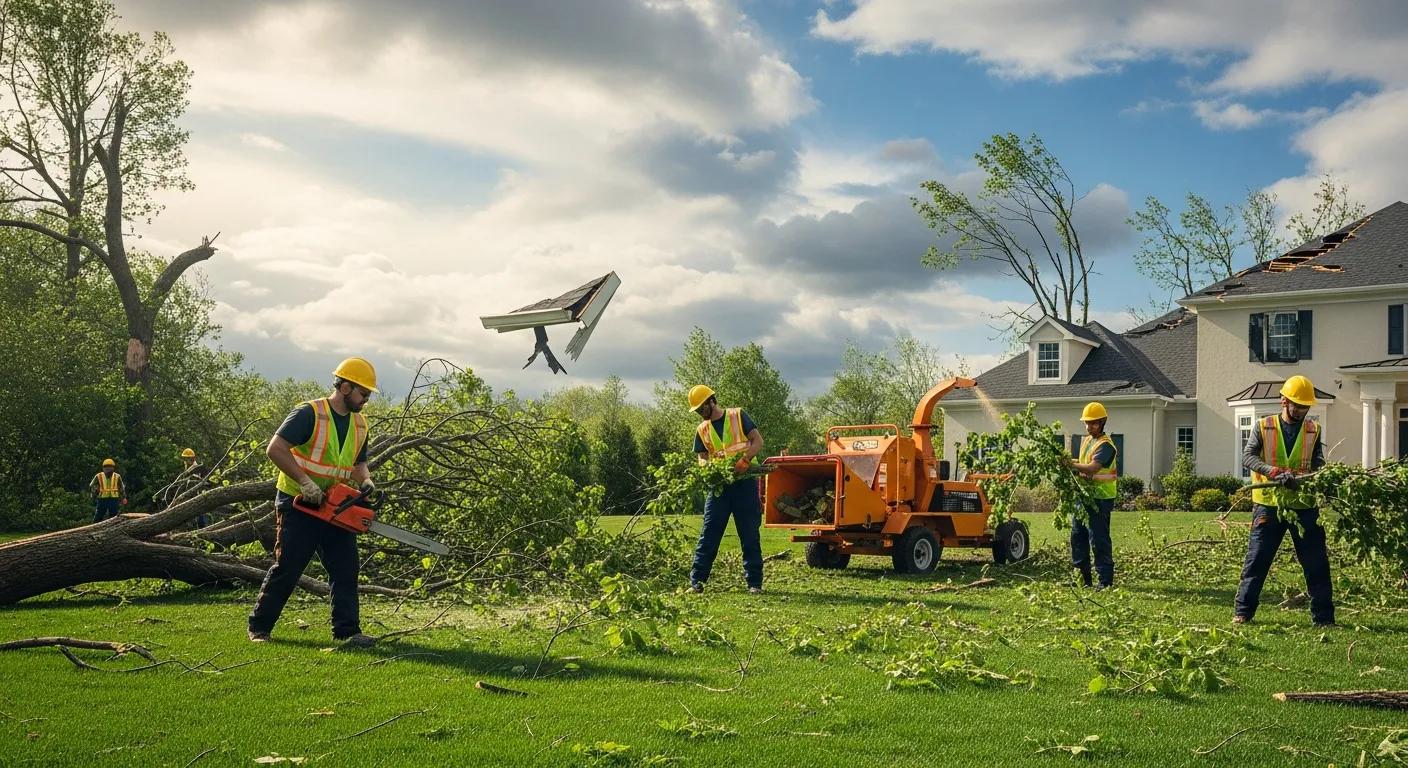
Why Timely Action Is Crucial for Storm Damage Repair
Act Fast: Storm Damage Recovery
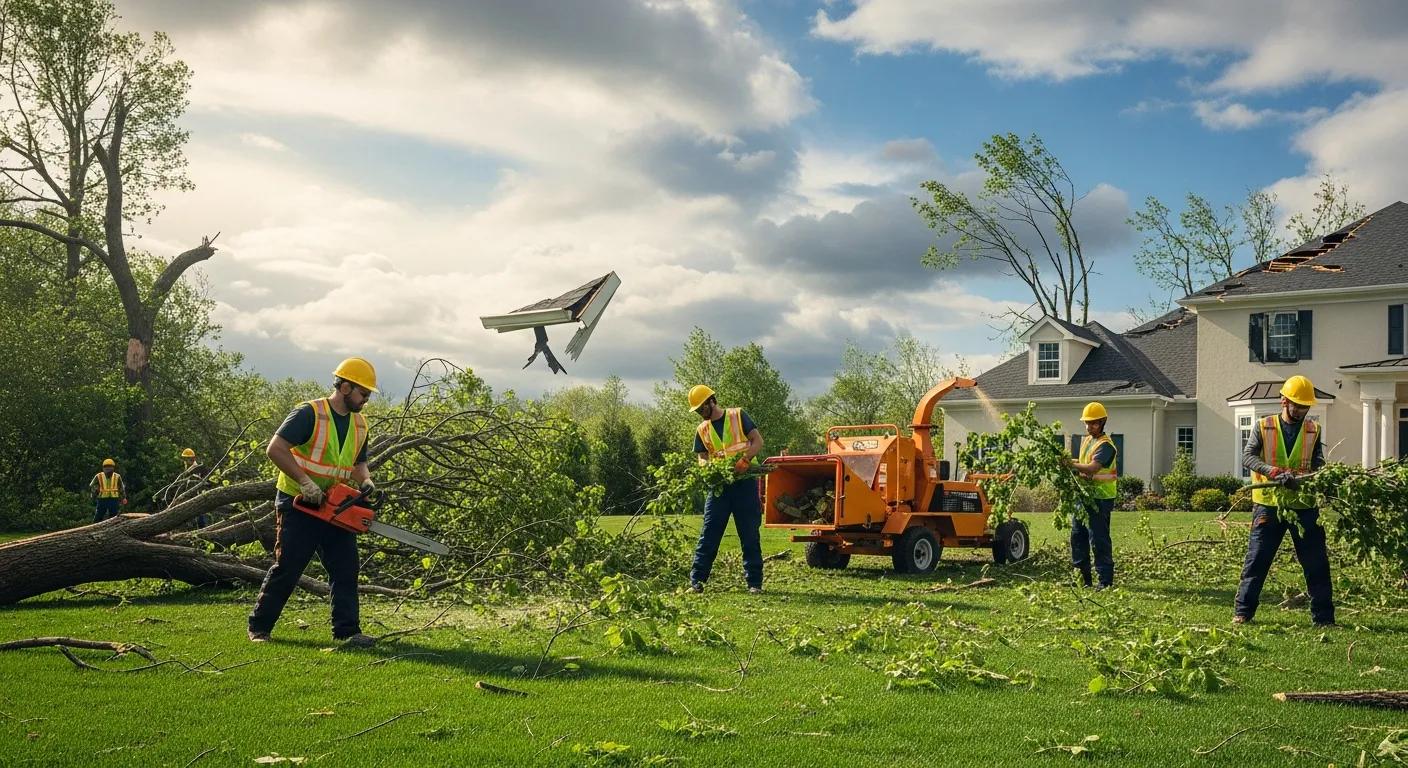
Storms often hit with little warning. For homeowners and business owners alike, a quick, informed response is the difference between a short repair and months of escalating problems. This guide explains why acting fast matters, what can go wrong if you wait, and the financial consequences of delay. Use it to understand the repair process and protect your property.
The clock starts the moment damage occurs. Waiting can mean bigger repairs, tangled insurance issues, and higher out-of-pocket costs. Below we outline the immediate risks of delaying repairs, the financial impact of inaction, key insurance deadlines, and how Adjustering helps coordinate fast, effective recovery.
Immediate risks of delaying storm damage repair
Putting off repairs lets manageable problems become major headaches. Knowing the short-term risks helps you prioritize actions that limit damage and expense.
How water damage gets worse without prompt repair
Water spreads fast. A small leak can evaporate into rot, warped framing, and compromised foundations if left unattended. Moisture moves through walls and floors, hiding damage until repairs become extensive and more expensive. Acting quickly helps contain issues before they spread.
Why mold becomes a serious concern after delays
Mold can take hold within 24–48 hours after water exposure and create both health hazards and costly cleanup needs. Extended exposure can cause respiratory problems and allergic reactions for occupants. Professional remediation is often required and can be expensive—another reason to address water intrusion immediately.
Research reinforces how quickly mold can develop and why rapid response matters.
Rapid Mold Prevention After Water Damage — 48‑Hour Action Guide
Experts advise removing the moisture source and drying affected areas quickly, since significant mold growth can occur within 48 hours. Recommended steps include source removal, cleaning with soap and water, bulk material removal, and follow-up HEPA vacuuming. Avoid using biocides in occupied spaces, and ensure responders use proper respiratory, skin, and eye protection.
Review of health hazards and prevention measures for response and recovery workers and volunteers after natural disasters, flooding, and water damage: mold and …, E Johanning, 2014
How delaying repairs affects costs and property value
Delay doesn’t just worsen damage — it increases costs and can lower your property’s resale value. Understanding the financial ripple effects helps you make faster, smarter decisions.
How repair costs rise over time
As damage spreads, the repair scope grows: more labor, more materials, more time. A small roof leak ignored today can require a full roof replacement later. Early intervention limits scope and keeps costs down.
How untreated damage hurts long‑term property value
Visible or lingering damage deters buyers and can depress market value. Insurance carriers may also view a property with chronic, delayed repairs as higher risk, which can mean higher premiums or coverage issues. Timely repairs protect both your home and its future value.
Critical deadlines and requirements for storm damage insurance claims
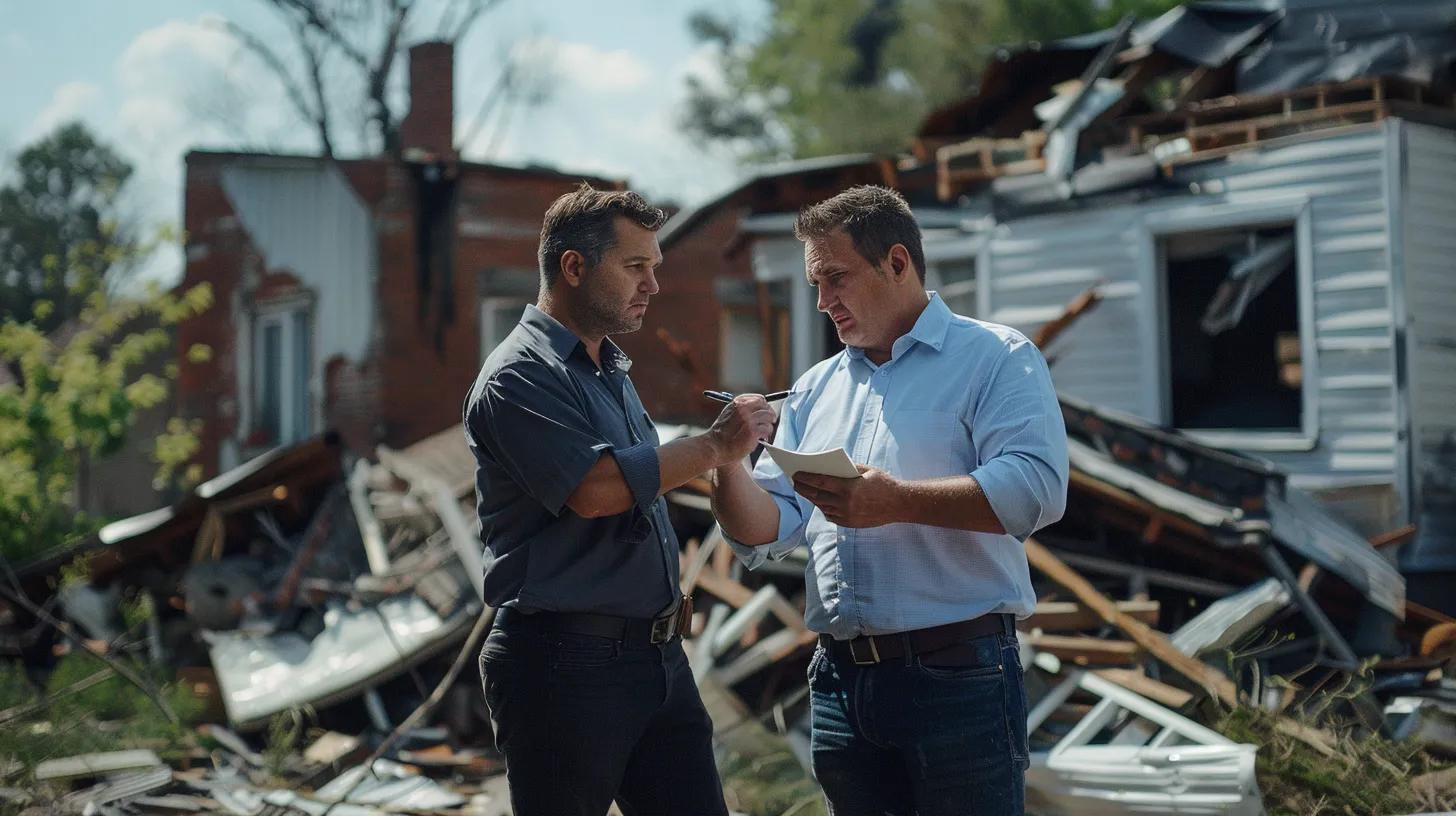
Insurance timelines and requirements vary by policy and state. Missing deadlines or failing to document damage can put your claim at risk—so act quickly and keep clear records.
How long do you have to file a storm damage claim?
Timeframes differ, but it’s wise to report damage as soon as possible. Many policies expect notice within 30–60 days. Filing promptly preserves your rights and starts the claims process while evidence is fresh.
Can delayed repairs cause claim denials?
Yes. Insurers may reduce or deny claims if they determine that neglect or delay led to greater loss. Document the damage right away and take reasonable steps to prevent further harm to avoid arguments about negligence.
Insurance recovery can be complicated when delays or excluded perils are involved—prompt action reduces those risks.
Insurance Recovery Challenges for Hurricane Victims — Delays & Denied Coverage
Many victims rely on insurance for recovery, but delays and policy exclusions can limit coverage. In some cases, damage worsened by factors outside a policy’s covered perils—like flooding—led to denied claims even when a covered peril (for example, wind) also played a role.
Should Neither Wind nor Rain nor Hurricane Keep Victims from Recovery: Examining the Tort and Insurance Systems' Ability to Compensate Hurricane Victims, 2014
How Adjustering’s coordinated approach speeds effective storm damage repair

Adjustering streamlines recovery by connecting homeowners with licensed public adjusters and vetted contractors. We coordinate the paperwork, the inspections, and the repairs so you get quality work and the insurance outcome you deserve.
What licensed public adjusters do to maximize your payout
Licensed public adjusters understand insurance language and claim strategy. They document losses, build strong estimates, and negotiate with carriers on your behalf to help secure full, fair compensation.
How vetted contractors work together for full restoration
Vetted contractors partnered with Adjustering handle assessments, repairs, and final restoration. This collaboration reduces delays and miscommunication, so your property is repaired correctly and returned to pre‑loss condition as quickly as possible.
Immediate steps homeowners should take after storm damage
Quick, sensible actions after a storm protect safety and strengthen your claim. Below are practical first steps you can take right away.
How to secure and document your property right after a storm
First, make the site safe: cover broken windows, tarp roof openings, and remove loose debris. Then document everything—photos, videos, and written notes of damage and any emergency measures you take. That documentation is vital for insurance and for contractors.
When and how to contact Adjustering for emergency storm damage services
Contact Adjustering as soon as you can after the event. Tell us what happened, what you’ve done so far, and share any photos. We’ll help you prioritize next steps and connect you with the right adjuster and contractors to move the claim and repairs forward.
| Risk Factor | Consequence | Financial Impact |
|---|---|---|
| Water Damage | Structural damage | Higher repair costs |
| Mold Growth | Health hazards | Expensive remediation |
| Delayed Claims | Claim denials | Out‑of‑pocket loss |
The table above summarizes how delays increase both risk and cost. Acting quickly helps limit damage, protect health, and preserve your financial recovery.
In short: prompt action reduces risk, limits expense, and improves your insurance outcome. Know the immediate steps, document everything, and lean on Adjustering’s coordinated network to restore your property and your peace of mind.
Frequently Asked Questions
What should I do first after experiencing storm damage?
Secure the property to prevent further harm—cover openings, remove debris, and make any temporary repairs needed to stop more damage. Photograph and record everything, then notify your insurer and consider contacting Adjustering for help coordinating next steps.
How can I prevent mold growth after storm damage?
Dry affected areas within 24–48 hours if possible. Use fans, dehumidifiers, and ventilation, and remove wet materials. If you see mold or suspect widespread contamination, hire a professional remediation team to ensure safe, thorough removal.
What are common mistakes homeowners make after storm damage?
Common mistakes include waiting to report damage, failing to document losses, making unpermitted repairs, and hiring unvetted contractors. These errors can complicate claims and increase costs—so document, notify your insurer, and work with trusted pros.
How can I ensure my insurance claim is successful?
Act quickly, document all damage carefully, and keep records of communications and expenses. Understand your policy’s deadlines and coverage, and consider a licensed public adjuster who can help present a complete, well-supported claim.
What role do contractors play in storm damage recovery?
Contractors assess damage, propose repairs, and execute restoration work. Vetted contractors follow proper building codes and coordinate with adjusters to make sure repairs match what insurers approve—helping avoid costly rework.
How can I find reliable storm damage repair services?
Ask for recommendations, check licensing and insurance, read reviews, and verify experience with storm-related repairs. Or let Adjustering connect you with vetted contractors and licensed public adjusters to simplify the process and protect your recovery.
