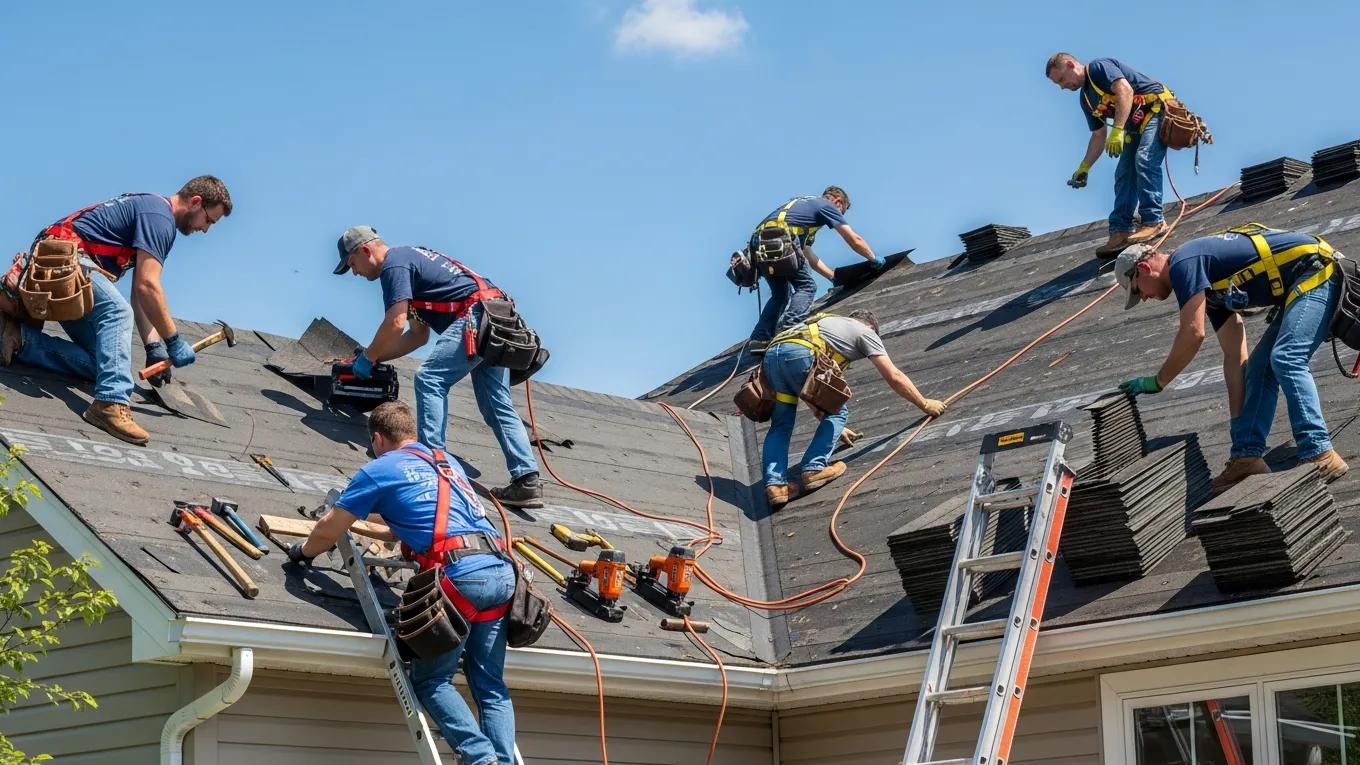
What You Need to Know About Roof Replacement Costs
Comprehensive Roof Replacement Cost Estimate: What Property Owners Must Know

By Rene Joseph, Adjustering
Understanding roof replacement costs helps property owners plan budgets, meet regulations, and manage insurance or contractor interactions. This article summarizes the main cost drivers—materials, labor and permits, insurance—and presents practical, cost-aware options and process steps.
What Are the Primary Factors Affecting Roof Replacement Costs?
Costs are driven primarily by material choice, roof size and complexity, and local labor rates. Assessing these factors up front helps set realistic budgets and select suitable solutions.
- Materials: Material selection (e.g., asphalt, metal, tile) has the largest effect on price.
- Labor Rates: Regional rates and project complexity determine labor costs.
- Roof Size and Complexity: More area, slopes, penetrations, and features increase materials and labor.
Evaluate these elements together when preparing estimates and comparing contractor proposals.
How Do Roofing Material Prices Influence Total Expenses?
Material costs set the baseline for replacement. Consider upfront price, expected service life, and maintenance when judging lifecycle value.
- Asphalt Shingles: Lowest upfront cost but shorter lifespan.
- Metal Roofing: Higher initial cost, longer life and energy benefits.
- Flat Roof Membrane Systems: Cost-effective in some applications but may require specialized installation.
Balance initial expense against durability and maintenance to choose the best long-term option.
This approach corresponds with decision-support systems designed to assist property owners in selecting appropriate materials and estimating costs accurately.
Optimal Roofing Material Selection & Cost Estimating
Discussion of roofing material selection within the knowledge-based decision-support domain, titled “Knowledge-based Decision Support System for Roofing Material Selection and Cost Estimating.” Product-cost modelling approach for the development of a decision-support system for optimal roofing material selection, H. Odeyinka, 2012.
What Role Do Labor and Permit Fees Play in Cost Calculation?
Labor and permits are predictable line items in estimates: obtain multiple quotes and confirm permit requirements early to avoid surprises.
- Labor Costs: Get regional quotes and clarify scope to compare like-for-like pricing.
- Permit Fees: Factor municipal permits and inspection fees into the budget.
- Complex Roofs: Designs with dormers, valleys, or steep pitches raise labor time and safety costs.
Accurate scope, permits, and clear contractor estimates reduce the chance of cost overruns.
How Can Property Owners Navigate Insurance Claims for Roof Replacement?

Claims can offset replacement costs but require documentation and timely action. Know your policy and follow insurer procedures.
- Document Damage Thoroughly: Take dated photos and notes to support the claim.
- Engage a Public Adjuster if Needed: Consider a public adjuster when claims are complex or denied.
- Submit Claims Promptly: Report damage and file required paperwork as soon as possible.
Well-prepared documentation and clear communication with your insurer improve claim outcomes.
Adjustering is a public adjusting and restoration firm that assists property owners with insurance claims and property damage recovery, including roof replacement and repair.
What Is the Process to File an Insurance Claim for Roof Damage?
Follow a clear sequence: notify the insurer, collect documentation, and track the claim until resolution.
- Notify Your Insurer Immediately: Report the damage and request claim instructions.
- Gather Necessary Documentation: Include photos, estimates, and any prior correspondence.
- Follow Up on Claim Status: Check progress and respond promptly to any insurer requests.
Consistent record-keeping and timely follow-up help move claims forward.
How Does Insurance Coverage Impact Roof Replacement Cost Estimates?
Policy details determine what portion of replacement is covered. Review limits, exclusions, and deductibles before finalizing decisions.
- Understand Your Policy Coverage: Know covered perils, depreciation rules, and replacement provisions.
- Be Aware of Deductibles: Deductibles affect your out-of-pocket expense and should be included in estimates.
- Document All Damage for Claims: Thorough evidence supports a fuller settlement under eligible coverage.
Reviewing policy terms helps forecast likely insurer contributions and owner liabilities.
Comprehending policy details is essential, as coverage gaps or specific claim conditions can materially alter the final payout for roof damage.
Homeowners Insurance Claims for Roof Damage
Even when coverage is in place, factors in the claim process can result in denial or partial payment, creating a protection gap. What is a protection gap? Homeowners insurance as a case study, 2020.
What Are Cost-Effective Roofing Materials and Affordable Replacement Options?
To control costs, prioritize materials with the best balance of price, lifespan, and maintenance burden.
- Asphalt Shingles: Widely affordable and easy to install.
- Metal Roofing: Higher upfront cost but long life and low maintenance.
- Synthetic Roofing Products: Often mimic premium materials at lower cost and weight.
Weigh lifecycle costs, not just initial price, when selecting materials.
Which Roofing Materials Offer the Best Value for Replacement?
Compare upfront cost and lifespan to determine value for your priorities and budget.
Life-cycle cost analyses, which assess total cost and environmental impact over a roof's service life, further support this long-term value consideration.
Life Cycle Cost Analysis for Residential Roofing
This paper describes life cycle assessment (LCA) and life cycle cost (LCC) analyses for roofing and floor designs and their effects on environmental impacts and cost. Life cycle assessment and life cycle cost implications for roofing and floor designs in residential buildings, M. Jollands, 2015.
| Material | Cost | Lifespan |
|---|---|---|
| Asphalt Shingles | $90-$100 per square | 15-30 years |
| Metal Roofing | $300-$500 per square | 40-70 years |
| Synthetic Slate | $200-$300 per square | 50+ years |
Higher-quality materials often justify increased initial expense through longer service life and lower maintenance.
How to Balance Quality and Affordability in Roof Repair vs Replacement?
Decide based on remaining life, frequency of repairs, and long-term savings from replacement.
- Evaluate Repair Costs: Compare immediate repair expense to likely future repairs.
- Consider Long-Term Benefits: Replacement can improve energy efficiency and avoid recurring costs.
- Assess Immediate Needs: If the roof is near end-of-life, replacement may be the more economical choice.
Choose the option that minimizes total cost over the expected service period.
What Steps Should Be Followed in the Roof Replacement Process?
Follow inspection, qualified contractor selection, and post-installation review to ensure a successful project.
- Conduct a Thorough Inspection: Document damage and scope before soliciting bids.
- Choose a Qualified Contractor: Verify licensing, insurance, references, and written estimates.
- Follow Up on the Work Done: Inspect completion and resolve any deficiencies promptly.
Clear contracts and documented expectations reduce disputes and ensure workmanship quality.
How to Assess Roof Damage Before Replacement?
Use visual checks, photographs for claims, and professional assessments for an accurate condition appraisal.
- Visual Inspection Tips: Look for missing shingles, leaks, sagging, and widespread wear.
- Documentation for Claims: Photograph damage and note dates and circumstances.
- Professional Assessment Importance: A roofer or inspector provides a reliable condition and replacement timeline.
What Are the Key Considerations When Choosing a Roofing Contractor?
Verify credentials, reputation, and get multiple detailed, written estimates before contracting.
- Check Licensing and Insurance: Confirm current coverage and licensing.
- Look for Experience and Reputation: Seek local references and online reviews.
- Request Detailed Estimates: Compare scope, materials, timelines, and warranties.
For information on roofing and siding options, contact Adjustering for professional assistance.
It's also important to consider
services to address any underlying damage that may affect the longevity of your new roof.If you need help with your insurance claim, consider consulting a
to ensure you receive fair compensation.
Frequently Asked Questions
What are the signs that indicate a roof needs replacement?
Look for missing or damaged shingles, persistent leaks, sagging areas, and heavy wear or discoloration. If the roof is near its expected service life, plan for replacement rather than repeated repairs.
How can homeowners prepare for a roof replacement project?
Clear exterior areas for access, notify neighbors, review insurance coverage and deductibles, and obtain multiple written estimates to compare scope and cost.
What financing options are available for roof replacement?
Common options include contractor financing, personal loans, and HELOCs; in disaster cases, grants or low-interest programs may be available. Compare terms and costs.
How long does a roof replacement typically take?
Duration depends on size and complexity; most standard residential replacements take one to three days, while complex projects may require more time.
What maintenance is required after a roof replacement?
Schedule periodic inspections, keep gutters and downspouts clear, and trim overhanging branches to protect roof performance and warranty compliance.
Are there warranties available for new roofs?
Yes. Manufacturers offer material warranties (often 20–50 years) and many contractors provide workmanship warranties; review terms carefully and follow maintenance requirements.
