What Every Homeowner Must Know About Roof Durability
Roof Durability Every Homeowner Should Know: Key Factors and Practical Tips

Roof durability matters. It determines how long your roof protects your home, how well it holds up in bad weather, and how much you’ll spend on repairs over time. By “roof durability” we mean how well roofing materials resist wear, weather, and age while keeping your structure sound. This guide walks through the choices and actions that most affect a roof’s lifespan: material selection, professional installation, and routine upkeep. We’ll explain which materials perform best, how to prepare for extreme weather, and what to do if damage occurs — plus how Adjustering can help with insurance claims and repairs.
What factors most affect a roof’s durability?
Several factors determine how long a roof will last: the materials you choose, the quality of the installation, and the local environment. Understanding each helps you make smarter decisions and avoid costly problems down the road.
How do roofing materials affect lifespan and weather performance?

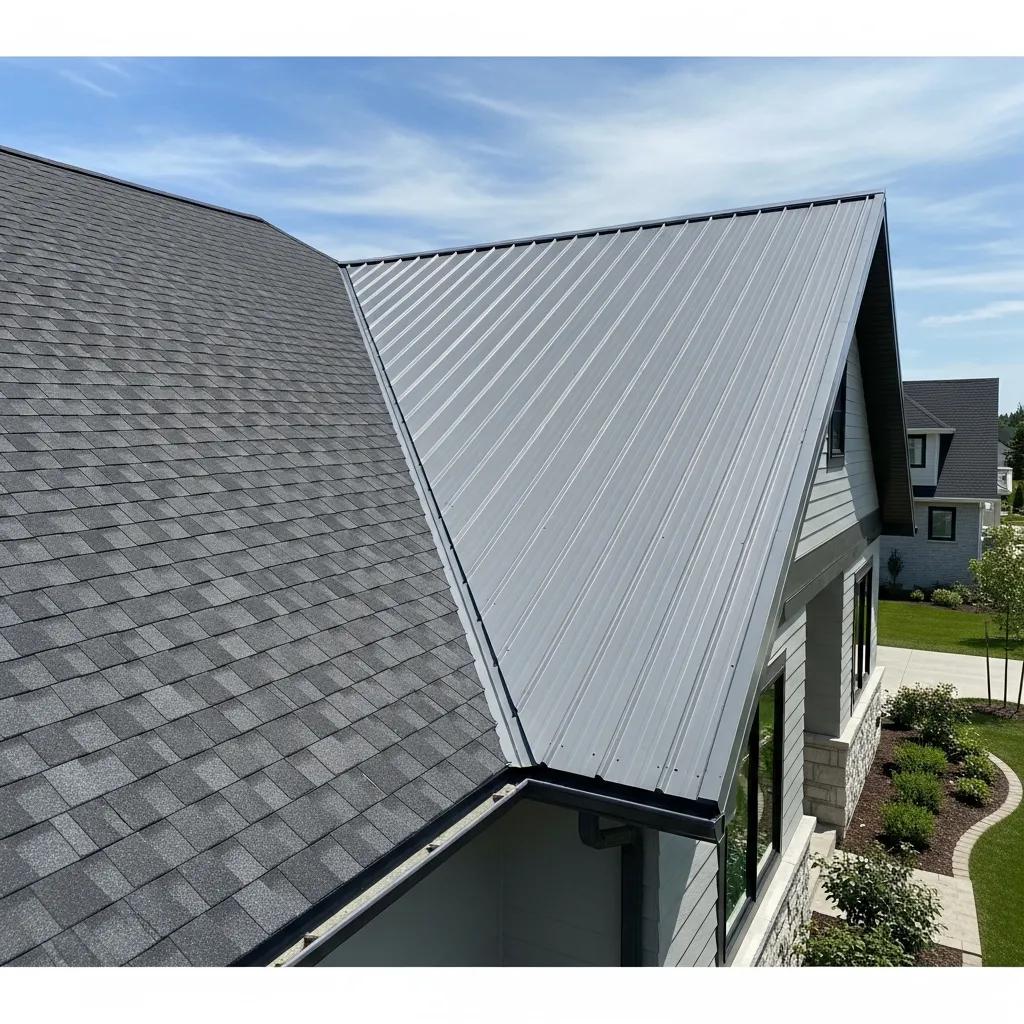
Roofing materials set the baseline for durability. Different products have different expected lifespans and resistances to wind, UV, moisture, and hail. Metal roofing typically offers superior longevity and storm resistance, while traditional asphalt shingles usually need replacement sooner. When choosing, weigh material performance against local climate, maintenance requirements, and long-term cost.
Why does installation quality matter for a long-lasting roof?
Even the best materials fail when they’re installed poorly. Bad flashing, weak underlayment, incorrect fasteners, or inadequate ventilation can cause leaks, rot, and premature wear. Hire contractors who follow industry best practices and local codes — proper installation is one of the most cost-effective ways to protect your roof’s lifespan and avoid expensive restoration down the line.
Which roofing materials give the best lifespan and storm protection?
Certain materials consistently outperform others in longevity and storm resistance. Compare options based on your region’s weather and your long-term budget to find the right fit.
Why choose metal roofing for severe weather?
Metal roofs are highly durable in wind, heavy rain, and hail. They shed water and snow efficiently, resist wind uplift, and reflect sunlight — which can reduce cooling costs. While the upfront cost is higher than asphalt, many homeowners recover that through longevity and reduced repair expenses.
Research underlines the value of resilient roof systems as weather patterns become less predictable.
Roof Solutions for Extreme Weather Resilience
This study examines roof technologies for existing buildings and evaluates their performance and resilience against rising risks from extreme weather — a growing concern for long-term roof planning.
Climate change mitigation: Resilience indicators for roof solutions, P Lassandro, 2018
How do impact‑resistant shingles compare with standard asphalt shingles?
Impact‑resistant shingles are engineered to absorb strikes from hail and debris, so they sustain less damage in storms than traditional asphalt shingles. They cost more up front but can reduce repairs and extend effective service life — a smart choice in hail-prone areas.
How can homeowners extend roof life through maintenance?
Routine care keeps small issues from becoming major problems. A regular inspection and simple maintenance tasks go a long way toward preserving roof performance and avoiding surprise repairs.
What inspection and maintenance steps should I follow?

Inspect your roof for missing or damaged shingles, check flashing and seals around penetrations, and ensure gutters and downspouts drain properly. We recommend scheduling a professional inspection at least every two years; in areas with frequent severe weather, an annual inspection is better. Professionals catch issues you might miss and can advise on repairs or preventive measures — keeping small problems from growing.
Targeted maintenance plans are especially important for vulnerable roof types, such as flat roofs.
Developing Maintenance Plans for Flat Roof Durability
This research proposes a maintenance program for flat roofs based on field surveys of roof systems under real exposure conditions — emphasizing planned upkeep to prolong service life.
Maintenance programmes for flat roofs in existing buildings, I Flores-Colen, 2017
How do gutter cleaning and debris removal protect my roof?
Clogged gutters cause water to back up and pool, which stresses shingles, flashing, and roof edges. Regular gutter cleaning and clearing roof debris maintains proper drainage, prevents leaks, and reduces the risk of water-related damage to the roof and fascia.
How should homeowners prepare roofs for extreme weather?
Preparing ahead reduces damage and speeds recovery after storms. Simple upgrades and seasonal checks improve a roof’s chance of surviving severe events with minimal loss.
What storm‑proofing measures help against wind and hail?
Use impact‑resistant shingles where hail is common, reinforce roof-to-wall connections to resist wind uplift, and make sure roof ventilation and underlayment meet code. Secure loose outdoor items that could become projectiles, and trim overhanging branches that might damage roofing during a storm.
How can I prevent ice dams and excessive snow load in winter?
Ice dams form when heat escapes through the roof, melts snow, and refreezes at the eaves. Proper attic insulation and ventilation keep roof temperature consistent and minimize ice dams. When snow accumulates, safely remove excess to avoid overloading the structure.
What should homeowners do if roof damage occurs?
Quick action limits secondary damage. Know the warning signs, document losses, and get professional help when needed.
How can I spot hidden roof damage after a storm?
Look for water stains on ceilings or walls, missing shingles, roof granules in gutters, or loose flashing. Even if the roof looks intact from the ground, interior signs of water intrusion mean it’s time to contact a professional for a full inspection.
How does Adjustering help with insurance claims and repairs?
Adjustering connects homeowners with licensed public adjusters and vetted contractors to streamline insurance claims and repairs. We help document damage, negotiate with insurers, and coordinate restoration so nothing is missed — aiming to maximize your recovery and minimize stress through the process.
Storm damage and insurance claims can be complex; expert guidance reduces risk and confusion.
Protecting Roofs from Severe Weather & Storm Damage
Severe weather — including strong thunderstorms, high winds, and hail — commonly affects roofing systems and exterior components. Storm‑related claims have grown more scrutinized due to complexities around dates of loss and varying technical opinions, underscoring the importance of qualified forensic and claims expertise.
Forensic Evaluations of Built-Up Roofing Storm Damage Claims and the Appraisal Process, 2015
| Material | Longevity | Storm Resistance |
|---|---|---|
| Metal Roofing | 40-70 years | Excellent |
| Impact-Resistant Shingles | 30-50 years | Very Good |
| Traditional Asphalt Shingles | 15-30 years | Moderate |
Protecting your roof protects your home. By choosing the right materials, insisting on quality installation, and keeping up with maintenance, you can extend your roof’s service life and reduce the chance of costly storm damage. If you need help evaluating damage or filing a claim, reach out — our team can connect you with the right professionals.
Frequently Asked Questions
What signs mean my roof needs immediate attention?
Watch for water stains on ceilings or walls, missing or curled shingles, granules in gutters, sagging areas, or unexpected spikes in energy bills. Any of these signs — especially after severe weather — warrants a prompt inspection to prevent bigger problems.
How often should I schedule professional roof inspections?
We recommend a professional inspection every two years as a baseline. If you live where storms, hail, or heavy snow are common, choose annual inspections. Professionals can spot early wear, recommend maintenance, and help prioritize repairs.
What should I do if I find roof damage after a storm?
Document the damage with photos and notes, protect the interior from water (temporary tarps or buckets), and contact a qualified roofer for an assessment. If you plan to file an insurance claim, document everything and consider getting a public adjuster involved to ensure full recovery.
Are some roofing materials better for my climate?
Yes. Metal roofing performs well in high winds and heavy snow; impact‑resistant shingles are smart in hail zones; asphalt can work in milder climates but may need replacing sooner. Match material choice to local weather, budget, and maintenance willingness.
How can I improve my roof's energy efficiency?
Use reflective or cool‑roof materials, add attic insulation, and ensure proper ventilation to reduce heat transfer. Regular maintenance like cleaning gutters also helps the roof perform as intended, which supports efficiency.
Why hire a professional for roof repairs?
Professionals bring experience, code knowledge, and the right tools and materials. They can diagnose hidden issues, make durable repairs, and ensure work meets local regulations — saving time and reducing the chance of recurring problems.
Conclusion
Roof durability is a long‑term investment in your home’s safety and value. Know the factors that matter — materials, installation, and maintenance — and take proactive steps to protect your roof. When damage happens, quick documentation and qualified help make recovery smoother. If you’d like expert guidance on repairs or insurance claims, contact our team — we’re here to help you navigate the process with confidence.
