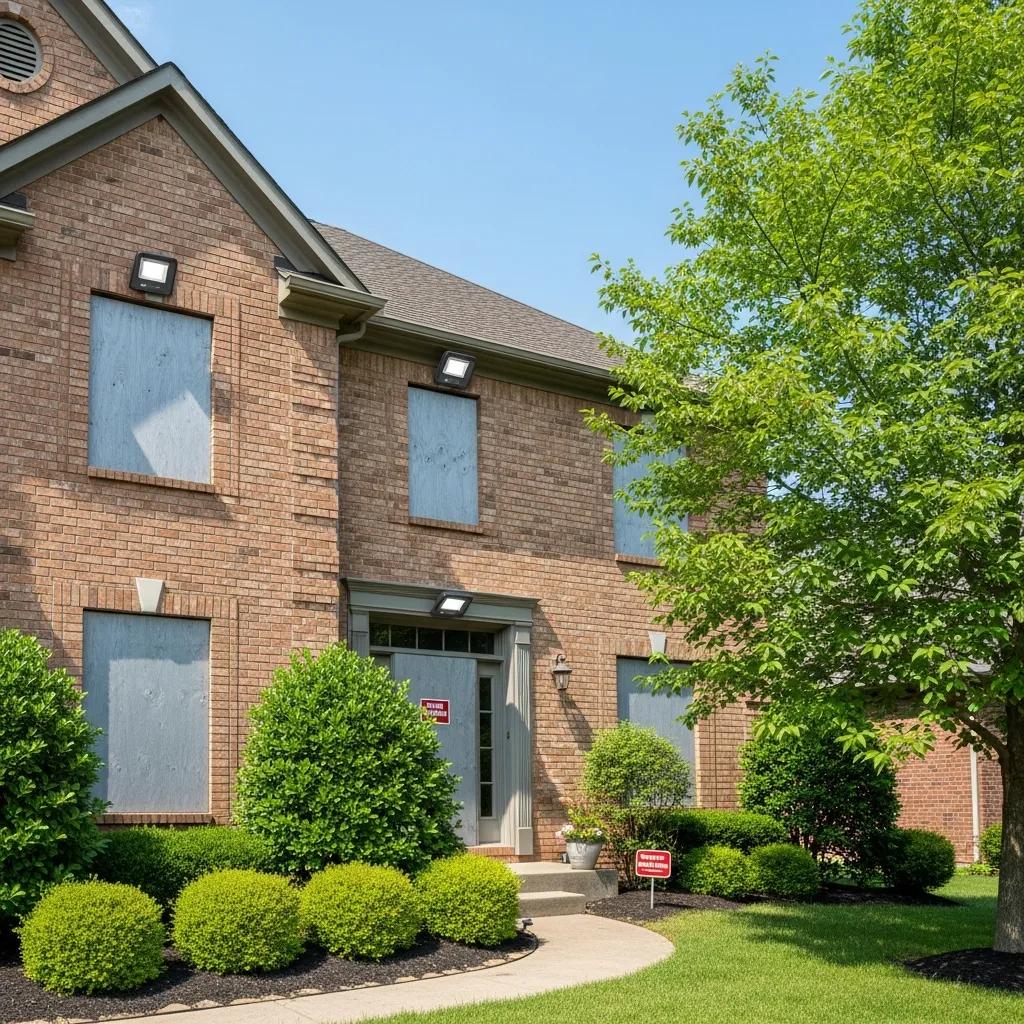
Unoccupied Home Damage Insurance: What You Need to Know
Vacant and Unoccupied Property Damage: A Practical Guide to Insurance Claims & Restoration

Empty properties bring different risks—and those differences matter the moment damage is found. This guide clarifies how insurers distinguish “vacant” from “unoccupied,” why typical homeowners policies often limit vacancy-related losses, and how owners should document, file, and restore damage to recover full indemnity. We connect owners and businesses with licensed public adjusters who press for complete payouts and with trusted roofing, siding, and restoration teams that return homes to service. Inside, you’ll find immediate action items after discovering damage, a step‑by‑step claims playbook for vacant properties, common damage types and technical restoration workflows, plus practical prevention and maintenance tips to protect value while a property sits empty. Checklists, side‑by‑side comparisons, and clear next steps help you move faster and safer.
What Is Vacant Property Insurance and How Does It Differ from Unoccupied Property Coverage?
Vacant property insurance is written for buildings that have few or no services and no regular occupants. Unoccupied coverage usually applies to homes temporarily without residents but still maintained. Insurers rely on vacancy clauses, time thresholds, and evidence of intent to return to decide which rule applies—decisions that directly affect claims for theft, vandalism, water intrusion, and mold. Misclassifying a property or skipping required endorsements can lead to denials or reduced payout because carriers treat vacant properties as higher risk for progressive, unnoticed damage. Knowing these distinctions lets you pick the right endorsements, buy supplemental vacancy policies, or take mitigation steps that preserve coverage and strengthen any future claim.
Intro to comparison table: The table below summarizes the common attributes insurers use to separate vacant from unoccupied properties and shows how each factor affects coverage.
CharacteristicVacant PropertyUnoccupied PropertyTypical vacancy period insurers flag60–90+ daysShort-term gaps under 30–60 daysOwner intentNo immediate plan to return or maintainIntent to return; regular checks and upkeepUtilities & servicesOften shut off or disconnectedOften kept on (heat, water, security)Insurer treatmentHigher exclusion risk; endorsements usually requiredOften covered if maintenance is documentedCommon exclusionsTheft, vandalism, mold, frozen or burst pipesFewer exclusions when duties are met
This comparison highlights why insurers treat vacancy as a separate underwriting condition: duration, intent, and maintenance change the carrier’s exposure and the policy’s response. Knowing where your property sits helps you secure the right language and document preventive steps.
What Are the Key Insurance Distinctions Between Vacant and Unoccupied Properties?
Carriers classify properties using measurable factors: how long the place is empty, whether utilities are active, and whether there’s evidence the owner intends to return or maintain the building. A unit between tenants that’s checked weekly and has utilities running is usually considered unoccupied. An abandoned or long‑empty building with services shut off is treated as vacant and faces tighter policy terms. Time thresholds vary—some insurers flag 30 days, others 60 or 90—so read your policy and add endorsements if you plan an extended vacancy. For example, a landlord managing quick turnarounds should log inspections and HVAC runs to avoid vacancy exclusions.
Time thresholds: Policies commonly list 30, 60, or 90 days before vacancy exclusions kick in.
Intent & maintenance: Documented upkeep preserves an unoccupied classification.
Utilities: Shut‑off services increase the chance the carrier will deem the property vacant.
Why Does Standard Homeowners Insurance Often Exclude Vacant Property Damage?
Homeowners insurance is priced for occupied residences where damage gets discovered and mitigated quickly. When a property sits empty, a small problem can become a major loss before anyone finds it. Insurers therefore include vacancy clauses that limit or exclude coverage after a stated vacancy period, citing higher chances of vandalism, unnoticed water intrusion, and mold. Practically, claims found weeks after an event are reviewed for timeliness and mitigation; carriers may deny coverage if owners didn’t take reasonable steps like boarding, winterizing, or documenting inspections. Vacant‑property endorsements or standalone vacancy policies change the underwriting assumptions to reflect the higher risk but typically add stricter maintenance and security requirements.
Why exclusions exist: delayed discovery, lack of mitigation, higher theft/vandalism risk
How insurers respond: higher deductibles, lower limits, required endorsements
Knowing the insurer’s risk logic helps you buy the right policy language and take preventive steps so a future loss isn’t denied on avoidable grounds.
How Do You File and Manage Insurance Claims for Vacant Property Damage?

Vacant‑property claims need a fast, evidence‑heavy approach because carriers scrutinize delayed discovery and mitigation more closely than with occupied homes. Start with a safety check, perform emergency mitigation to stop ongoing loss, document everything with timestamps, and notify your insurer immediately. For faster, fuller recoveries, engaging a licensed public adjuster ensures visible and hidden damage is documented and scoped to replacement cost. Adjustering connects owners to licensed public adjusters and coordinated restoration partners who handle inspection, scope preparation, and negotiation to maximize recovery and speed repairs.
Intro to claims process table: The table below outlines each claim stage, who typically performs it, and the expected deliverable so owners can track progress and preserve insurer defensibility.
Claim StageWho Typically Performs ItExpected Deliverable / BenefitInitial safety & mitigationOwner or emergency contractorBoard‑up, tarping, emergency repairs to stop further lossDocumentation & inventoryOwner / public adjusterTime‑stamped photos, videos, loss inventory, moisture mapsDetailed inspection & scopeLicensed public adjuster + contractorScope of loss, line‑item estimates, contractor bidsClaim submission & negotiationPublic adjusterAdjusted loss amount, negotiation leverage, appeals if neededRestoration & final walkRestoration contractor + adjusterCompleted repairs, final invoices, claim closeout
What Are the Essential Steps to Report and Document Damage on Vacant Properties?
When you find damage, first confirm the scene is safe. Take emergency measures—board windows, tarp the roof—to stop further loss. Then document methodically: wide shots of every room and the exterior, close‑ups of damaged materials, narrated video walkthroughs, and dated notes. Use moisture meters and thermal imaging when water intrusion is suspected; these diagnostics add objective proof for hidden damage and mold risk. Preserve damaged items when possible, make a detailed inventory with estimated values, and keep a clear chain‑of‑custody for removed items so the insurer can validate losses.
Ensure safety and mitigate immediate hazards.
Capture comprehensive, time‑stamped photos and videos.
Use diagnostic tools (moisture meter, thermal camera) to document hidden damage.
Following this checklist preserves critical evidence and positions your claim for fair evaluation. Next, coordinate the documentation with your adjuster or claims representative before submission.
How Can a Public Adjuster Help Maximize Your Vacant Property Insurance Claim?
A licensed public adjuster works for you, not the carrier. They perform a thorough inspection that reveals both visible and latent damage—moisture migration behind walls or roof decking deterioration, for example—that quick carrier scopes can miss. The adjuster prepares a detailed scope of loss, compiles contractor estimates, and gathers diagnostic support so the claim reflects full replacement and remediation needs rather than a short‑term patch. They then negotiate with the insurer, using industry pricing and documentation to pursue a complete payout, including contents, emergency work, and code upgrades when appropriate. Owners who bring in a public adjuster early often receive substantially larger settlements because under‑scoping and progressive damage are less likely to be overlooked.
Public adjuster deliverables: comprehensive inspection report, scope of loss, negotiated settlement, appeal representation
What Types of Damage Commonly Affect Unoccupied and Vacant Properties and How Are They Restored?
Vacant properties commonly suffer water intrusion (frozen or burst pipes, roof leaks), unnoticed roof damage after storms, mold from prolonged moisture, vandalism and theft, and fires that go initially undetected. Restoration workflows differ by loss but typically follow mitigation, detailed inspection with diagnostics, remediation (drying, decontamination, soot removal), structural repair, and final restoration of finishes and exterior systems. Thermal imaging and moisture mapping are essential for finding hidden wet zones and supporting full remediation claims. A rapid local response limits secondary damage and mold, lowers total repair costs, and improves insurance recoverability.
Intro to damage types table: Use the quick reference below to match common signs with standard restoration approaches for vacancy‑related losses.
Damage TypeTypical SignsRestoration ApproachWater (pipes/roof)Standing water, staining, elevated moisture readingsEmergency extraction, structural drying, remove/replace saturated materialsFire & smokeSoot, persistent odor, charred materialsSoot removal, deodorization, structural stabilization, rebuildStorm/roof damageMissing shingles, interior leaksTarping, roof repair or replacement, interior dryingMold growthMusty smell, visible colonies, high moistureContainment, HEPA removal, remediation, clearance testingVandalism/theftBroken windows, forced entry, missing fixturesSecure property, document inventory losses, repair or replace, upgrade security
How Is Water Damage in Vacant Homes Assessed and Remediated?
Assessment starts with moisture mapping—using meters to measure retained water—and thermal imaging to find hidden wet pockets behind walls or under floors. Assessors create a drying plan with target moisture content levels and choose structural drying equipment—air movers, dehumidifiers, and controlled heat—to meet those targets while preventing mold. Restoration decisions balance repair versus replacement based on structural integrity, residual moisture, and contamination; porous materials left saturated for long periods are often replaced. Drying timelines vary by severity, but following industry protocols typically completes structural drying in days to a few weeks, with reconstruction once materials meet dry standards.
Perform moisture mapping and thermal imaging to locate hidden water.
Implement structural drying with measurable moisture targets.
Decide replace vs. restore based on moisture readings and contamination.
Documented assessment and drying progress protect replacement‑cost claims and reduce the chance of mold‑related denials.
What Are the Restoration Processes for Fire, Storm, Mold, and Vandalism Damage?

Each damage type follows a consistent remediation pathway that combines safety, containment, cleaning, and reconstruction. Fire and smoke work begins with structural stabilization, soot removal, and odor control before repairs; documentation often includes cause investigation and smoke/soot testing for the insurer. Storm damage is handled with emergency tarping and debris removal, then roofing or siding repair and interior drying to stop mold. Mold remediation requires containment, HEPA‑filtered removal of affected materials, antimicrobial treatments, and clearance testing. Vandalism response focuses on securing the building, photographing losses for inventory, and coordinating repairs with contractors. In every case, contractors supply itemized scopes and invoices that insurers need for accurate settlements.
Restoration deliverables: emergency board‑up/tarping, remediation protocol, clearance testing, itemized repair estimates
Clear contractor documentation paired with adjuster advocacy helps ensure the insurer recognizes each step and funds full repairs.
How Can Property Owners Prevent Damage and Manage Risks in Vacant Properties?
Reduce vacancy risk with layered security, routine maintenance, and documented inspections that show active stewardship to insurers. Key steps include winterizing plumbing to prevent frozen pipes, scheduling HVAC cycles to control humidity, conducting regular interior and exterior inspections with photos, and installing motion‑activated lighting or boarding when needed. A proactive maintenance log and service receipts create an auditable trail that supports coverage and can prevent exclusions tied to neglect. Pair these practices with quick‑response local restoration partners to limit damage when an event occurs.
Intro to prevention checklist: Below is a practical checklist owners can follow to cut common vacancy risks.
Weekly or biweekly property checks with photos and notes.
Winterize plumbing and keep low heat during cold months.
Install monitored security systems and motion lighting.
Inspect roof and exterior before high‑wind seasons.
Document every maintenance visit and save service receipts.
What Are Effective Security Measures to Protect Vacant Properties from Vandalism and Theft?
Effective security mixes low‑cost deterrents with monitored systems to match the property’s risk and vacancy length. Physical measures—secure locks, tamper‑resistant boarding, motion‑activated exterior lighting—deter casual intruders. Monitored alarms and periodic on‑site checks provide detection and response. Working with local property‑watch programs and rapid‑response contractors ensures a breach is fixed and documented quickly, limiting secondary damage. Showing insurers an active security plan and logged checks helps avoid a “neglect” finding and supports coverage.
Use layered security: physical barriers, lighting, and monitored alarms.
Document regular checks and how you responded to alerts.
Engage local watch programs or contractors for fast remediation.
Consistent, recorded security activity demonstrates you mitigated vacancy risks and strengthens claim legitimacy.
What Maintenance Practices Are Essential for Long-Term Vacancy?
Long‑term vacancy needs a schedule that addresses seasonal risks and prevents progressive loss: weekly visual inspections, monthly HVAC cycling and filter checks, seasonal roof and gutter cleaning, and pest control when needed. Winterization—draining lines or maintaining low heat—prevents freeze‑thaw pipe failures that often cause catastrophic water damage. Keep detailed records of every visit, repair, and seasonal step to show proactive care to an insurer reviewing a claim. Keeping landscaping trimmed and driveways cleared also signals active stewardship and deters vandals.
Weekly visual checks; monthly mechanical cycles; seasonal exterior maintenance.
Document all contractor visits and keep receipts.
Use pest control and vegetation management to slow deterioration.
These practices lower both the chance and severity of common vacancy problems and produce the documentation insurers expect when evaluating claims.
Why Choose Adjustering for Your Vacant Property Insurance Claims and Restoration Needs?
Adjustering provides end‑to‑end coordination that pairs licensed public adjusters with vetted restoration and repair contractors—covering roofing, siding, and full restorations—so no damage is missed and owners pursue full insurance recovery. Our model reduces owner burden by giving one point of coordination from initial inspection through final repair, which speeds timelines and strengthens documentation sent to carriers. Adjustering’s local partners enable faster mobilization across Philadelphia County, Bucks County, Montgomery County, Chester County, Delaware County, South Jersey, and Central Jersey—bringing regional know‑how that improves claims advocacy and repair speed.
Intro to value bullets: Below are the core benefits Adjustering delivers when managing vacant‑property claims and restoration.
End‑to‑end coordination: a single point of contact from inspection to repair.
Local experts: fast access to licensed public adjusters and vetted contractors.
Thorough inspections: diagnostic tools and coordinated adjuster + contractor scopes.
Claim maximization: focused negotiation to pursue full insurance payout.
How Does Adjustering’s End-to-End Support Simplify the Insurance and Restoration Process?
Adjustering’s workflow starts with intake and a rapid triage to decide if a licensed public adjuster should perform a full scope inspection. The adjuster documents visible and latent damage and teams with a vetted contractor to produce line‑item estimates. That scope is submitted to the insurer with diagnostic evidence and an inventory, and Adjustering coordinates negotiation and restoration scheduling so repairs begin promptly once funds are released. The result: fewer owner handoffs, clearer documentation, and a restoration timeline that stops progressive damage and returns the property to marketable condition. Owners who use a coordinated adjuster‑and‑contractor approach usually see more complete settlements and faster project completion.
StepTaskOutcomeIntake & triageRapid assessment of loss and immediate mitigation needsQuick emergency response reduces secondary damageAdjuster inspectionComprehensive documentation and scope of lossStronger claim with hidden damage identifiedContractor coordinationDetailed repair estimates and schedulingFaster mobilization and accurate pricingNegotiation & restorationClaim advocacy and project oversightMaximized payout and completed repairs
Which Local Areas Does Adjustering Serve for Vacant Property Damage Recovery?
Adjustering supports property owners across Philadelphia County, Bucks County, Montgomery County, Chester County, Delaware County, South Jersey, and Central Jersey. Our local teams understand how regional weather, freeze‑thaw cycles, coastal storms, and contractor availability shape damage patterns and claim timelines. Rapid local dispatch of vetted restoration crews reduces secondary damage and shortens drying and repair windows, which improves insurance outcomes. For owners in these areas, Adjustering connects you with coordinated teams that know how to document and remediate vacancy‑specific losses effectively.
Philadelphia County: urban vacancy patterns and fast contractor access.
Bucks & Montgomery Counties: suburban vacancy issues with a focus on winterization.
Chester & Delaware Counties, South/Central Jersey: storm and coastal considerations specific to the region.
If you need a coordinated claim review or a rapid restoration referral, contact Adjustering by email or phone to request a free claim review and local deployment of a licensed public adjuster and restoration team.
Frequently Asked Questions
What should I do immediately after discovering damage in a vacant property?
First, ensure the scene is safe. Then take emergency steps to limit further loss—board up broken windows or tarp a damaged roof. Document the damage with time‑stamped photos and video, and compile an inventory of affected items. Finally, notify your insurer promptly; timely reporting is often critical to coverage.
How can I ensure my vacant property remains insurable?
Keep a regular inspection schedule and document every maintenance activity. Install monitored alarms and motion lighting to deter vandals, winterize plumbing to prevent freezes, and keep utilities on where practical. Clear records of inspections and maintenance show insurers you’re actively managing the property and help avoid neglect‑based exclusions.
What are the common causes of water damage in vacant properties?
Most water damage in vacant properties stems from frozen or burst pipes, roof leaks, and unattended plumbing problems. Small leaks can go undetected for long periods when a place is empty, leading to extensive damage and mold. Seasonal changes—especially winter—make proper winterization and periodic checks essential.
How can I document damage effectively for my insurance claim?
Use a systematic approach: start with wide‑angle photos of each room and the exterior, then take close‑ups of damaged areas. Record narrated video walkthroughs and keep detailed, dated notes. Use moisture meters and thermal imaging for hidden damage. This level of documentation helps ensure all loss is accounted for during the claim.
What role does a public adjuster play in the claims process?
A public adjuster advocates for you with the insurer. They document visible and hidden damage, prepare a detailed scope of loss, collect contractor estimates, and negotiate on your behalf. Their expertise helps ensure the claim reflects full repair and replacement needs so you receive proper compensation.
What are the risks of not having vacant property insurance?
Without vacant property coverage, owners risk significant out‑of‑pocket costs. Standard homeowners policies often exclude losses that occur after a property sits vacant for a specified period, leaving owners exposed to theft, vandalism, water damage, and mold. Carriers may deny claims based on vacancy status—specialized vacancy insurance can mitigate that exposure.
How can I prevent mold growth in a vacant property?
Keep humidity low with dehumidifiers and proper ventilation, and inspect regularly for water intrusion after storms or snowmelt. Winterize plumbing to avoid burst pipes and consider mold‑resistant materials during repairs. Keeping the property clear of organic debris also reduces mold risk.
Conclusion
Knowing the difference between vacant and unoccupied properties—and the insurance implications—protects your investment while a home sits empty. Proactive maintenance, layered security, and thorough documentation reduce risk and improve your claim prospects. Working with licensed public adjusters and vetted restoration partners helps maximize recovery and speeds repairs so nothing important is missed. For tailored help and local support, reach out to our team today.
