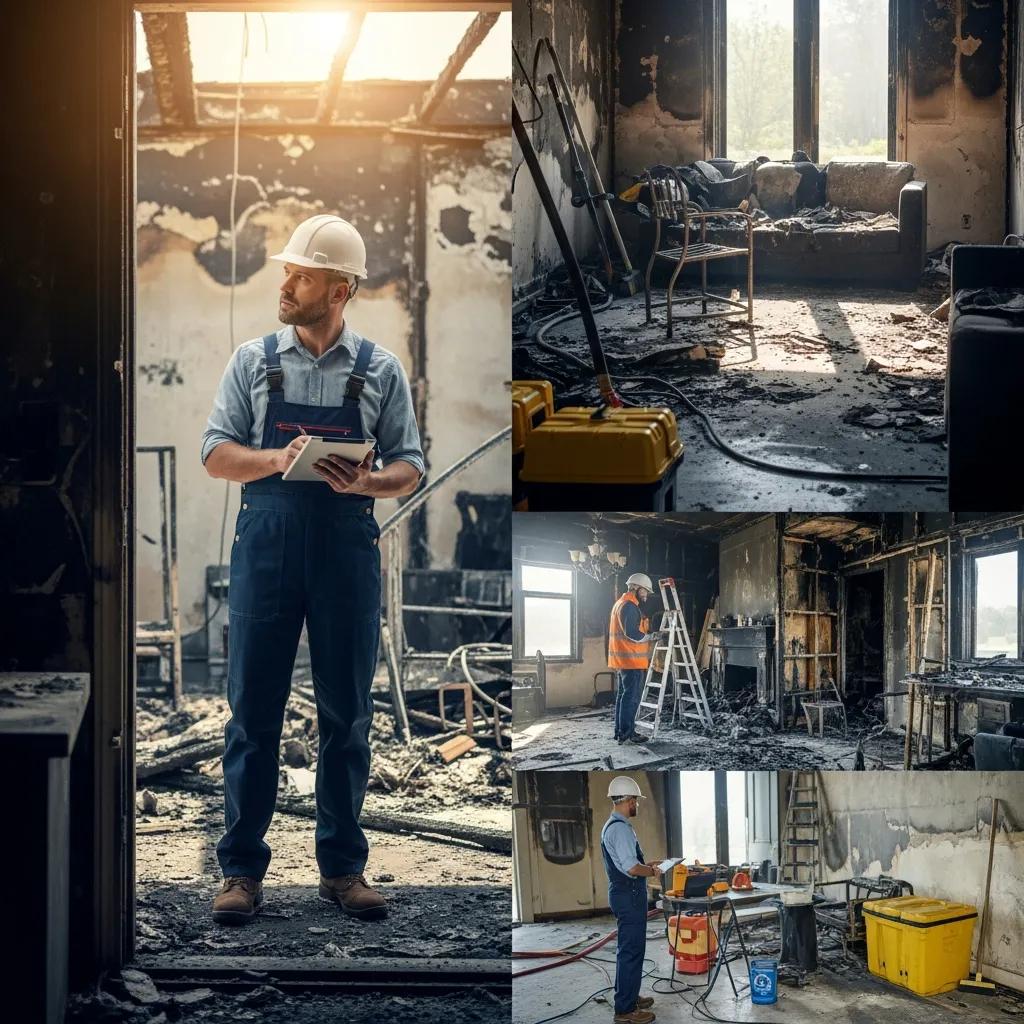
Understanding Fire Damage Restoration Insurance Coverage
Fire Damage Restoration Insurance: A Complete Guide to Claims and Repairs

A fire can turn a home or business upside down — emotionally and financially. Knowing how fire damage restoration is covered by insurance helps you move through the claims process with confidence. This guide breaks down what insurance typically covers, how public adjusters help, and the practical steps to file a claim. Read on to learn how to protect your property and pursue the settlement you need to rebuild.
We’ll explain how fire insurance works, the kinds of damage insurers usually cover, what licensed public adjusters do, a step‑by‑step claims checklist, and common hurdles you might face. We’ll also show how Adjustering connects you with licensed public adjusters and trusted restoration pros to make recovery smoother.
How Does Fire Insurance Coverage Work for Property Damage?
Fire insurance is meant to protect property owners from the costs of repairing or replacing items damaged by fire. Coverage varies by policy, so the first step is reading your policy carefully. Generally, a fire policy addresses damage to the building itself and many of the contents inside, but limits and exclusions can differ widely.
Fire insurance policies commonly cover:
- Structural Damage: Repairs to the building — walls, roof, foundation and other structural elements.
- Personal Property: Replacement or repair of belongings like furniture, electronics, and clothing.
- Additional Living Expenses: Temporary living costs if your home is uninhabitable while it’s repaired.
Always check your specific policy limits, endorsements, and exclusions so you know what to expect before you file a claim.
What Types of Fire Damage Are Covered by Insurance Policies?

Most policies include coverage for a few distinct damage types tied to a fire event:
- Flame Damage: Direct burn damage caused by the fire itself is usually covered.
- Smoke Damage: Smoke can ruin surfaces, fabrics, and HVAC systems — and is commonly covered.
- Water Damage: Water from firefighting efforts often damages materials and contents and is generally covered under a fire claim.
Knowing these categories helps you document losses clearly and discuss them with your adjuster or public adjuster.
What Is Typically Excluded from Fire Insurance Coverage?
Fire policies are valuable, but they are not all‑inclusive. Typical exclusions include:
- Negligence: Damages tied to poor maintenance or long‑term neglect may be excluded.
- Intentional Damage: Losses caused intentionally by the policyholder are not covered.
- Certain Natural Disasters: Events like floods or earthquakes usually require separate policies or endorsements.
Review exclusions with an adjuster so you don’t get surprised later in the process.
What Role Do Licensed Public Adjusters Play in Fire Damage Claims?

Licensed public adjusters work for you — the policyholder — to document losses, interpret policy language, and negotiate with the insurer. They bring experience and paperwork know‑how, which can be especially helpful when claims are complex or when an initial offer falls short of what’s needed to rebuild.
How Do Public Adjusters Maximize Fire Damage Insurance Payouts?
Public adjusters use several practical approaches to improve settlements:
- Thorough Documentation: They inventory and document every damaged area and item so nothing is missed.
- Negotiation Skills: They negotiate with insurers to push for fairer payouts based on the documented losses.
- Policy Expertise: They read policy language closely to identify coverages and endorsements that might apply.
That combination often leads to higher, faster settlements than homeowners secure on their own.
Why Choose Licensed Public Adjusters for Fire Damage Claims in Philadelphia and Surrounding Areas?
A local, licensed public adjuster can be a major advantage:
- Local Knowledge: They understand regional codes, local contractors, and area claim practices.
- Proven Track Record: Experienced adjusters know how insurers in the region handle similar claims.
- Comprehensive Support: They guide you from documentation through settlement so you don’t have to manage every detail alone.
Adjustering helps pair homeowners with licensed local public adjusters who know the Philadelphia market and surrounding counties.
What Are the Step-by-Step Processes for Filing a Fire Damage Insurance Claim?
Filing a claim is a sequence of clear steps. Knowing each one reduces stress and keeps your claim moving:
- Report the Incident: Call your insurance company promptly to open a claim.
- Document the Damage: Photograph and video all affected areas before cleanup when possible.
- Create a List of Damaged Items: Make an inventory with descriptions and estimated values.
- Submit Your Claim: Send the completed forms and documentation to your insurer and keep copies.
Following these steps thoroughly helps your claim progress without unnecessary delays.
How to Document Fire Damage Effectively for Insurance Claims?
Good documentation strengthens your claim. Use these tips:
- Take Clear Photos: Shoot wide and close‑up photos of every damaged room and item from several angles.
- Keep Receipts: Save bills for temporary housing, emergency repairs, and replaced items.
- Maintain a Detailed Record: Log phone calls, emails, and names of everyone you speak with about the claim.
Thorough records make it easier to justify repair costs and speed resolution.
What Are the Typical Timelines and Stages in Fire Damage Claim Processing?
Processing times vary, but most claims follow similar stages:
- Initial Review: The insurer opens and reviews your claim and documentation.
- Investigation: An adjuster inspects the damage and verifies coverage — this can take days to weeks depending on complexity.
- Settlement Offer: After assessment, the insurer issues an offer based on their estimate; you can accept, negotiate, or dispute it.
Knowing these stages helps you set expectations and track progress.
How Is Coordinated Fire Damage Restoration Managed with Roofing and Siding Contractors?
Restoration after a fire often requires multiple trades. Coordinating roofing and siding work with general restoration keeps the project on schedule and ensures structural integrity. Public adjusters often help align scopes of work and contractor timelines so repairs proceed efficiently.
What Restoration Services Are Included in Fire Damage Repairs?
Typical fire restoration work includes:
- Structural Repairs: Rebuilding or repairing walls, roofs, framing, and foundations as needed.
- Smoke and Odor Removal: Professional cleaning and deodorizing to remove soot and lingering smells.
- Water Damage Restoration: Drying and repairing areas affected by firefighting water.
Together, these services restore the property to a safe, habitable condition.
How Do Adjusters Coordinate with Vetted Contractors for Efficient Repairs?
Public adjusters help ensure repairs are done right by:
- Assessing Contractor Qualifications: Confirming licenses, insurance, and past work quality.
- Facilitating Communication: Acting as a point of contact between homeowner, contractor, and insurer.
- Monitoring Progress: Checking that work meets standards and that invoices match the agreed scope.
That coordination reduces surprises and keeps the rebuild on track.
What Common Challenges Arise in Fire Damage Insurance Claims and How to Overcome Them?
Fire claims can stall or be disputed for several reasons. Anticipating common problems helps you respond effectively and protect your recovery.
Why Are Fire Damage Claims Often Denied or Delayed?
Claims get delayed or denied for reasons like:
- Insufficient Documentation: Missing photos, inventories, or receipts weaken your claim.
- Policy Exclusions: Some losses fall outside the policy’s scope.
- Disputes Over Coverage: The insurer and policyholder may disagree about what’s covered.
Addressing these areas early reduces the chance of a negative outcome.
What Solutions Do Public Adjusters Provide to Resolve Claim Issues?
Public adjusters offer practical remedies when issues arise:
- Expert Guidance: They advise on documenting losses and presenting evidence clearly.
- Negotiation Support: They negotiate with insurers to pursue fairer settlements.
- Appeal Assistance: If a claim is denied, they help assemble the documentation needed to appeal.
Working with a public adjuster can improve outcomes and reduce the burden on homeowners.
Where Can Homeowners Find Trusted Local Fire Damage Restoration Experts?
Choosing experienced, well‑reviewed restoration contractors is essential. Look for licensed teams with positive references and a history of working with insurers and adjusters.
Which Areas Do Adjustering’s Licensed Public Adjusters Serve?
Adjustering’s licensed public adjusters serve Philadelphia and nearby counties — including Bucks, Montgomery, Chester, and Delaware — as well as South Jersey and Central Jersey. Their local presence helps homeowners get targeted, practical help through the whole claim and repair process.
How to Contact Local Fire Damage Restoration Professionals in Philadelphia and Nearby Counties?
To connect with vetted restoration professionals, homeowners can contact Adjustering. We link you to licensed public adjusters and restoration contractors who can support your recovery from start to finish.
| Service Type | Description | Benefits |
|---|---|---|
| Fire Damage Restoration | Full restoration services to repair and rebuild fire‑impacted properties | Returns your property to a safe, livable condition |
| Public Adjusting Services | Professional support with insurance claims and settlement negotiations | Helps you secure the maximum eligible payout |
| Roofing and Siding Repairs | Specialized contractors for structural exterior repairs | Ensures safety, weather‑proofing, and code compliance |
Frequently Asked Questions
What should I do immediately after a fire incident?
First, make sure everyone is safe and follow emergency instructions. Once it’s safe, contact emergency services if needed and then notify your insurer to open a claim. Photograph damage from a safe distance, list affected items, and don’t re‑enter the property until professionals say it’s safe. These steps protect your household and preserve evidence for your claim.
How can I ensure my fire damage claim is processed quickly?
Submit complete, organized documentation: photos, inventories, and receipts. Respond promptly to insurer requests and keep a clear log of communications. Hiring a public adjuster can also speed things up by handling paperwork and negotiations on your behalf.
Are there specific fire safety measures I should implement to prevent future incidents?
Yes. Install and test smoke detectors on every level, create and practice an escape plan, and keep fire extinguishers in key spots like the kitchen and garage. Have electrical work inspected, avoid overloaded outlets, and maintain heating systems and appliances regularly.
What are the benefits of hiring a public adjuster for my fire damage claim?
A public adjuster brings policy knowledge, documentation experience, and negotiation skills. They manage the claim process, freeing you to focus on recovery while helping you pursue a stronger settlement, especially in complex or disputed claims.
How can I find reputable fire damage restoration contractors?
Ask your insurer or public adjuster for referrals, check online reviews, and verify licenses and insurance. Request client references and examples of similar work. A careful vetting process helps you choose contractors who deliver quality, compliant repairs.
What should I do if my fire damage claim is denied?
Review the denial letter to understand the insurer’s reasons. Gather any missing evidence and submit a formal appeal with supporting documentation. Consider engaging a public adjuster — their expertise can help you challenge the denial and reopen negotiations.
