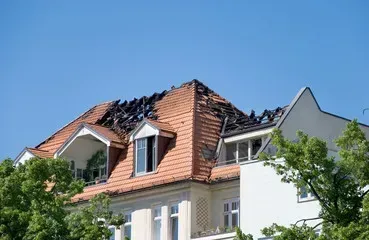
Trusted Roofing Inspectors in Philadelphia: What to Know
Trusted Roofing Inspectors in Philadelphia: Essential Information for Property Owners
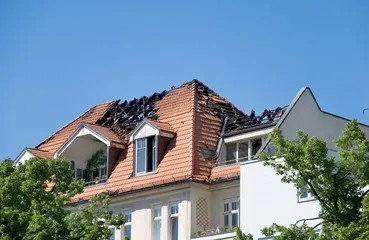
Securing a reliable roofing inspector helps Philadelphia property owners protect roof condition and long‑term value. This article summarizes how to select qualified inspectors, why regular inspections matter, and the common services inspectors provide. Knowing required qualifications and the inspection workflow reduces the risk of costly repairs and supports insurance claims when damage occurs.
How to Find Reliable Inspectors
Find a trustworthy roofing inspector by collecting referrals from neighbours and family, checking online reviews, and confirming credentials. Always verify licensure and any relevant state registrations before hiring.
Qualifications and Certifications to Look For
Consider these qualifications when evaluating roofing inspectors:
- State Licensing: Confirm a valid Pennsylvania license to ensure regulatory compliance.
- Insurance Coverage: Verify liability insurance so you are protected if accidental damage occurs during inspection.
- Professional Associations: Membership in industry groups, such as the National Roofing Contractors Association (NRCA), often signals ongoing training and standards adherence.
These qualifications constitute fundamental safeguards for the quality and reliability of both the inspector and the inspection.
Ensuring Quality with Certified Roofing Inspectors
Minimum requirements for inspection intended to ensure a higher level of quality for both the inspector and the inspection. Minimum Requirements for Specified Inspection, 2025
After narrowing candidates, check experience, references, and sample reports to confirm the inspector's reputation and thoroughness.
Importance of Regular Roofing Inspections
Regular inspections detect defects such as leaks or structural damage early, preserving service life and avoiding emergency repairs. Routine checks also support maintenance planning and budgeting.
Consistent monitoring mitigates the natural deterioration of roofing components over time, as documented in the literature.
Importance of Frequent Roof Inspections & Deterioration Assessment
Roofing is one of the building components which is most subject to deterioration. Maintenance and renewal of roofs are, therefore, crucial and require frequent inspection and good understanding of roof deterioration with time. In an effort towards facilitating roof condition assessment and subsequent repair decisions, this article first discusses the previous studies related to roof inspection and deterioration, followed by a two-stage survey among roofing experts.
Roof deterioration and impact: A questionnaire survey, T Hegazy, 2010
Adjustering can help connect property owners with qualified inspectors and streamline the insurance claims process.
What Services Do Trusted Roofing Inspectors Provide in Philadelphia?
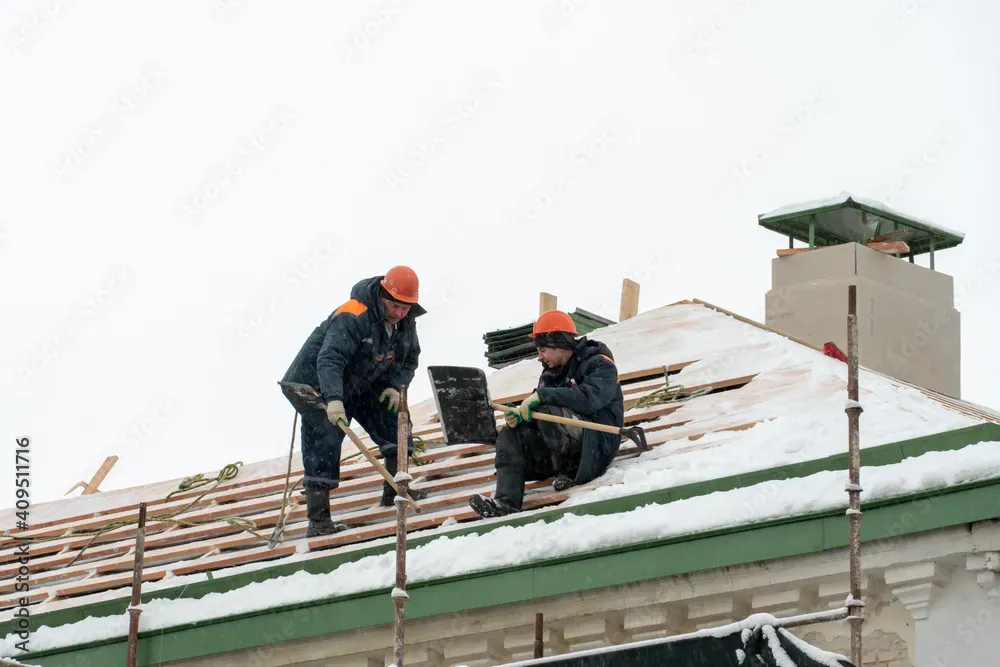
Inspectors commonly offer full roof surveys, condition reports, maintenance recommendations, and coordination for urgent repairs or claims support.
Types of Inspections
Common inspection types include:
| Inspection Type | Description | Benefits |
|---|---|---|
| Visual Inspections | A thorough examination of the roof's surface and structure. | Identifies visible issues like missing shingles or damage. |
| Drone Inspections | Utilizes drone technology for hard-to-reach areas. | Provides detailed imagery and analysis without risking safety. |
| Infrared Inspections | Detects hidden moisture and heat loss. | Helps identify leaks and insulation issues that are not visible. |
These methods help prioritize repairs and reduce safety risks during assessment.
How Do Roof Inspection Services Assess Damage Accurately?
Inspectors combine a visual survey with tools such as moisture meters and infrared cameras to locate concealed defects. They document findings and recommend remediation based on observed damage and diagnostics.
What Role Do Licensed Roofing Inspectors Play in Insurance Claims?
Licensed inspectors produce documented reports and photo evidence required for claims. Their technical assessments clarify cause of loss and support negotiations with insurers to pursue appropriate compensation.
Their specialized knowledge and documentation skills are essential for accurately establishing cause of loss and supporting insurance claims.
Licensed Roofing Specialists for Insurance Claims
For establishing a cause of loss in an insurance claim, the roof should be further evaluated by a licensed roofing specialist. Proper photo documentation and software technology are essential.
Comprehensive Roofing Inspections: A Service to Clients, 2022
How to Identify and Choose Licensed Roofing Inspectors Near Me in Philadelphia?
When selecting an inspector, follow these guidelines:
- Check Licensing Status: Confirm the inspector is licensed and in good standing with state authorities.
- Ask for References: Request recent client references and sample reports.
- Understand Fees and Contract Terms: Get clear pricing and a scope of work before hiring.
Following these steps helps you choose a qualified inspector who meets regulatory and service expectations.
What Certifications and Credentials Should Philadelphia Roofing Inspectors Have?
Key credentials include state licensing, liability insurance, and professional association membership (for example, NRCA). These indicate technical competence and adherence to industry standards.
- State Licensing: A valid state license is mandatory for all roofing inspectors.
- Insurance Requirements: Inspectors should carry liability insurance to protect against potential damages.
- Professional Associations: Membership in organizations like the NRCA can indicate a commitment to industry standards.
Verify documentation for each credential during the hiring process.
Why Is Local Expertise Important for Roofing Damage Assessment Experts?
Local expertise provides knowledge of regional materials, contractor pricing, and seasonal weather impacts. Inspectors familiar with Philadelphia can tailor recommendations and estimate realistic repair approaches.
What Is the Process for Filing Insurance Roof Claims with Professional Inspectors?
Typical claim workflow includes:
- Initial Inspection: A licensed inspector documents damage and produces a report.
- Documentation Handoff: The inspector supplies the report, photos, and any supporting files to the owner.
- Claim Submission: The owner files the claim with the inspector's documentation to support coverage and repair estimates.
Clear documentation and timely submission help speed claim handling.
How Do Insurance Roof Claim Inspectors Support Claim Recovery?
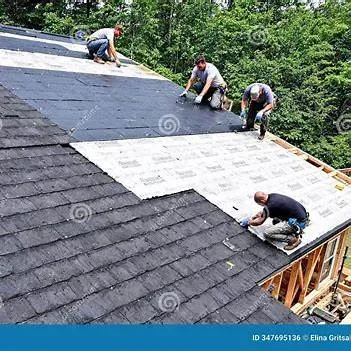
Inspectors support recovery by delivering thorough reports and organized photo evidence, and by coordinating with contractors and insurers to clarify repair needs and costs.
What Documentation and Reports Are Required for Roof Damage Claims?
Commonly required documents include:
- Inspection Report: A detailed report from the roofing inspector outlining the findings.
- Photographic Evidence: Images of the damage to support the claim.
- Contractor's Detailed Estimate: An estimate from a licensed contractor for the necessary repairs.
Having these documents prepared in advance simplifies claim submission and review.
What Are the Key Considerations for Roofing Damage Restoration in Philadelphia?
Consider the damage extent, necessary documentation for claims, and temporary mitigation to prevent further loss. These factors guide restoration planning and contractor selection.
How Do Trusted Inspectors Coordinate with Restoration Services?
Trusted inspectors work with restoration contractors to align repairs with the inspection scope, timelines, and any insurer requirements, helping ensure complete and compliant restorations.
What Are Common Types of Roof Damage in Philadelphia and Their Restoration Needs?
Common damage types include:
- Storm Damage: High winds and heavy rain can strip roofing and create leaks; prompt repairs prevent interior damage.
- Fire and Smoke Damage: May require structural and safety inspections prior to repair.
- Water Damage: Often from leaks or poor drainage; requires drying, repair, and sometimes insulation replacement.
To ensure a smooth process, consider working with a company like Adjustering, which specializes in connecting property owners with qualified professionals.
Additionally, an understanding of roofing and siding considerations is important for preserving your property's value and safety.
For comprehensive restoration services, select contractors who demonstrate knowledge of local climate and building codes.
Navigating insurance claims can be complex; a public adjusting expert can assist in pursuing appropriate compensation.
If you have questions or require assistance, contact a qualified roofing inspector via contact.
For further information about our services and commitment to quality, please visit our website.
Frequently Asked Questions
What should I expect during a roofing inspection?
The inspector will perform a visual survey of the roof, check the structure and drainage, and may use tools like infrared cameras to find concealed issues. You will receive a written report with findings and recommended actions.
How often should I schedule a roofing inspection?
Schedule at least once a year and after significant weather events. Regular checks allow early repair of minor problems before they become costly.
Can I perform a roofing inspection myself?
A basic visual check is possible for owners, but hire a professional for a full evaluation. Trained inspectors safely access all areas and use diagnostic tools to uncover hidden defects.
What are the costs associated with roofing inspections?
Costs vary by roof size and inspection type. Expect a typical professional inspection fee, but ask each inspector about pricing, what is included, and any follow-up costs.
What happens if my roof inspection reveals damage?
The inspector will provide a report identifying issues and recommended repairs. You can then hire a contractor or file an insurance claim if coverage applies; prompt action limits further deterioration.
How can I prepare for a roofing inspection?
Clear access to the roof, attic, and crawl spaces. Remove obstacles like branches and gather prior inspection reports or warranties to give the inspector a full history.
What should I do if I disagree with the inspector's findings?
First, discuss your concerns with the inspector and ask for clarification. If unresolved, obtain a second opinion from another qualified inspector to compare findings and recommendations.
