Top Signs You Need a Mold Inspection
Top Signs You Need a Mold Inspection: Identifying Mold Damage and Protecting Your Property
Mold can harm occupant health and damage property. This article highlights the primary signs that justify a professional mold inspection, summarises likely health effects, and explains inspection and claims steps. It also notes how Adjustering can help document and manage mold-related insurance claims.
Top Signs Indicating the Need for a Mold Inspection
Mold thrives where moisture persists and can remain hidden. Seek a professional inspection when you notice any of the following clear indicators:
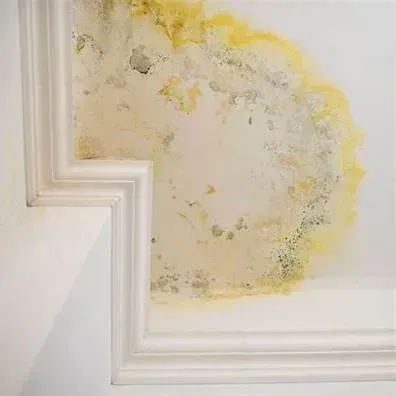
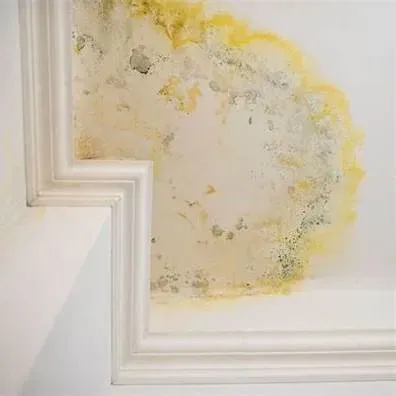
- Visible Mold Growth: Any mold on walls, ceilings, or structural materials.
- Musty Odors: Persistent, earthy smells that suggest hidden growth.
- Water Damage: Past or ongoing leaks, flooding, or damp stains.
- Health Symptoms: Unexplained respiratory or skin issues that improve away from home.
Timely inspection limits spread, documents risk, and guides remediation.
What Are the Common Signs of Mold Damage in Your Home?

Common indicators include visible colonies, surface discoloration, lingering musty smells, and health complaints in sensitive residents. These signs often appear where moisture collects.
- Visible Growth: Spots or fuzzy patches in varied colors.
- Discoloration: Stains on paint, drywall, or wood.
- Musty Odors: A key clue to hidden contamination.
- Health Symptoms: Coughing, sneezing, rashes, or worsening asthma.
How to Recognize Visible Mold Growth and Discoloration
Mold looks like spots, patches, or staining. Check high-risk areas such as:
- Bathrooms — showers, grout, and ceilings.
- Kitchens — under sinks, behind appliances, cabinets.
- Basements — walls, floors, and stored items.
Evaluate the extent and the materials involved; structural materials or widespread contamination warrant professional assessment.
What Are the Health Symptoms Indicating Possible Mold Exposure
Mold exposure can trigger respiratory symptoms, skin irritation, headaches, and fatigue, especially in allergic or asthmatic individuals. If these occur alongside odors or visible mold, arrange an inspection.
Published studies link residential dampness and mold with adverse respiratory outcomes, underscoring the need for prompt remediation.
Residential Mold & Respiratory Health: A Meta-Analysis
Dampness and mold have been associated in qualitative reviews with a range of adverse respiratory health effects, including respiratory tract infections. Several published meta-analyses provide quantitative summaries for some associations, although not all outcomes (for example, respiratory infections) have been summarised previously. Demonstrating a causal relationship between preventable dampness-related exposures and respiratory tract infections would carry significant public health implications. The cited work reports the results of quantitative meta-analyses of published studies that examined associations between residential dampness or mold and respiratory infections and bronchitis.
Association of residential dampness and mold with respiratory tract infections and bronchitis: a meta-analysis, MJ Mendell, 2010
How Does a Professional Mold Inspection Detect Hidden Mold?
Inspectors combine visual checks with targeted testing to find hidden contamination. Typical methods:
- Visual Inspections — check likely moisture points and building assemblies.
- Air Quality Testing — measures airborne spores and compares indoors to outdoors.
- Moisture Mapping — uses meters and probes to locate damp materials.
These methods produce a clear, documented assessment and remediation recommendations.
What Methods and Tools Are Used in Mold Testing Services?
Reliable testing relies on calibrated instruments and standard procedures. Common tools include:
- Moisture Meters — detect elevated moisture in materials.
- Thermal Cameras — reveal hidden dampness behind walls.
- Air Sampling Equipment — captures spores for laboratory analysis.
Appropriate tools help quantify risk and guide cleanup plans.
Why Is Professional Mold Inspection Essential Compared to DIY Detection?
DIY checks help spot obvious problems, but professionals provide thorough detection, technical expertise, and documented reports often required by insurers. Hiring a qualified inspector reduces uncertainty and supports proper remediation.
When Should Property Owners File Insurance Claims for Mold Damage?
Consider a claim when mold results from a covered peril (for example, a sudden pipe burst). Key points:
- Cause of Damage — confirm the origin (covered vs. excluded).
- Documentation Needed — photos, inspection reports, and contractor estimates.
- Timeliness — report promptly to meet policy requirements.
Accurate documentation and clear causation improve the chances of a successful claim.
Mold Damage Insurance Claims & Policy Coverage
The insurance industry continues to face an increasing volume of claims seeking coverage for mold-related damages under both property and liability insurance policies.
Insurance Coverage for Mold and Fungi Claims: The Next Battleground, 2002
How Does Adjustering Assist in Navigating Mold Damage Insurance Claims?
Adjustering helps homeowners manage documentation and procedures for mold claims. Key services:
- Early Engagement — prompt involvement to capture evidence and streamline reporting.
- Comprehensive Assessments — support inspection findings and damage scope.
- Negotiation Expertise — represent homeowners during claim review and settlement talks.
Their involvement can strengthen claim support and improve settlement outcomes.
What Documentation Is Required for Successful Mold Inspection Claims?
Typical required items:
- Time-stamped Photos — show visible damage and progression.
- Inspection Report — a professional report identifying locations, causes, and recommendations.
- Contractor Estimates — written quotes for remediation and repairs.
Organised records accelerate claim handling and reduce disputes.
What Are the Next Steps After Detecting Mold: Mold Remediation Process Overview

After detection follow a standard protocol:
- Immediate Actions — stop the moisture source and limit spread.
- Contacting Professionals — hire a certified mold remediation contractor.
- Remediation — containment, removal of contaminated materials, cleaning, and verification.
Proper sequencing reduces recurrence and restores habitability.
How Do Restoration Services Address Mold Removal and Property Repair?
Restoration teams typically perform an initial assessment, contain the affected area, remove contaminated materials, clean and disinfect, then repair and restore damaged components. Professionals coordinate each step to ensure safety and a durable result.
What Preventive Measures Help Avoid Future Mold Growth After Water Damage?
To reduce recurrence:
- Act Quickly — fix leaks and dry wet materials promptly.
- Maintain Low Humidity — use ventilation and dehumidifiers where needed.
- Regular Inspections — monitor basements, attics, and plumbing connections.
Consistent moisture control is the best long-term prevention.
If you require assistance with a roofing or siding claim, Adjustering can help. For expert guidance on insurance claims consult a public adjusting expert. For questions or assistance contact Adjustering or review their about page.
Frequently Asked Questions
What are the potential health risks associated with mold exposure?
Mold exposure can cause respiratory symptoms (coughing, wheeze), skin irritation, headaches, and fatigue, particularly in people with asthma or allergies. Addressing mold promptly reduces health risks.
How can I prepare for a professional mold inspection?
Clear access to suspected areas, photograph visible damage, note any health symptoms, and ensure inspectors can reach attics, basements, crawl spaces, and behind appliances. These steps help the inspector work efficiently.
What should I expect during a mold remediation process?
A remediation project begins with assessment and moisture-source identification, followed by containment, removal of contaminated materials, cleaning/disinfection, and repairs. Final verification confirms the work before reoccupation.
Are there any DIY methods for mold removal?
Small mold on non-porous surfaces may be cleaned with household cleaners or vinegar, but larger or concealed infestations require professional remediation to address contamination and the moisture source.
How can I identify hidden mold in my home?
Look for water stains, surface discoloration, peeling paint, or persistent musty odors. Regular inspections of basements, attics, and behind appliances help detect hidden issues. If suspected, hire a professional inspector.
What are the costs associated with mold inspection and remediation?
Costs vary with contamination extent and methods. Inspections typically cost a few hundred dollars; remediation starts at modest amounts for small jobs and rises for extensive work. Obtain multiple quotes from qualified professionals.
