Choosing Affordable Temporary Roof Repair for Your Home
Temporary Roof Repair vs Permanent Solutions: Evaluating Cost, Effectiveness, and Insurance Coverage

When a roof sustains damage, property owners must weigh temporary repairs against permanent replacement to balance cost, effectiveness and long-term outcomes. This article summarizes common temporary methods, typical costs, when full replacement is preferable, and how insurance affects decisions for homeowners and business owners.
Temporary measures mitigate immediate risk and limit further deterioration, while permanent replacement offers sustained protection that can justify higher upfront expense. The sections below compare costs, effectiveness and claim procedures to help owners choose the best option.
What Are Temporary Roof Repair Options and Their Typical Costs?
Common temporary options used to secure a roof include:
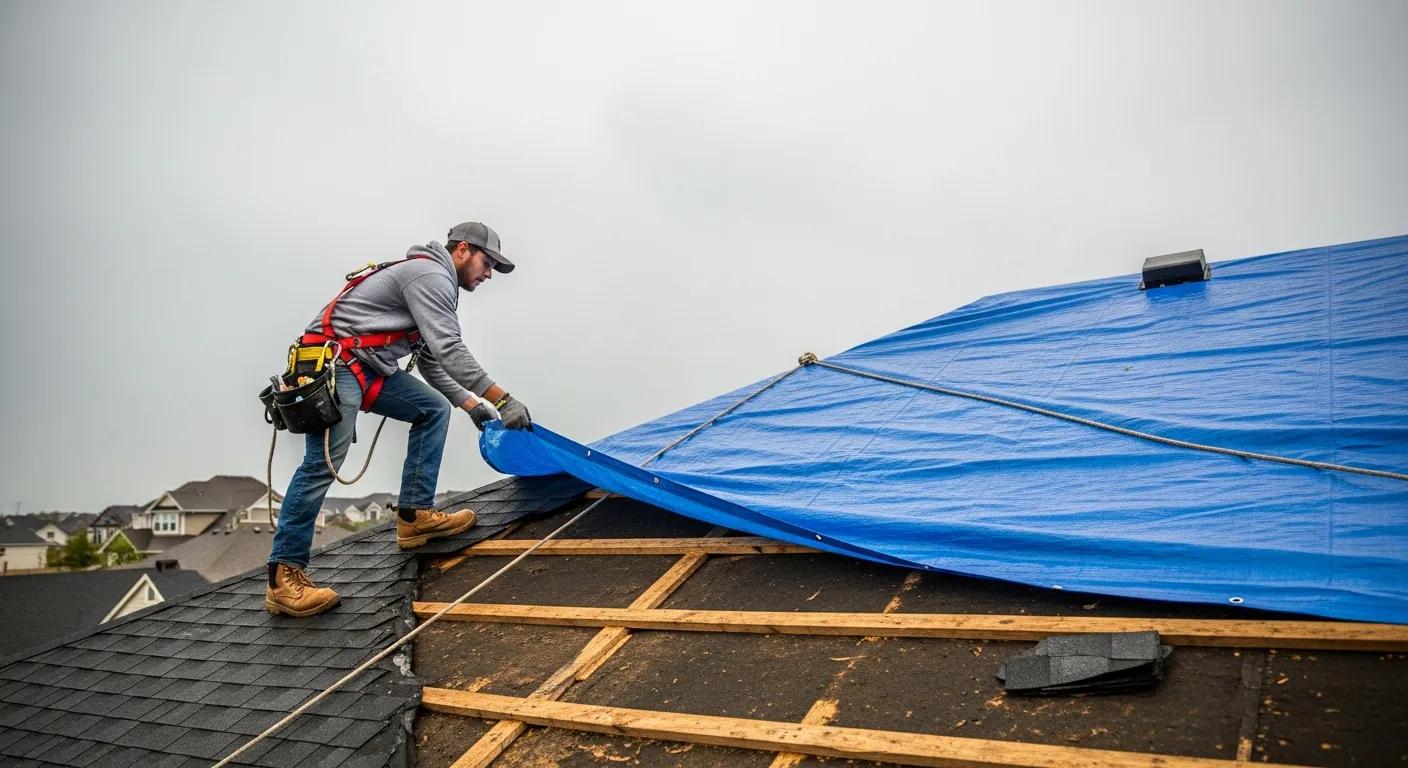
- Tarping: Covering damaged areas with a waterproof tarp to prevent leaks. Typical cost: $200 to $800.
- Board-ups: Installing boards over damaged sections for security. Typical cost: $150 to $500.
- Patching: Repairing specific damaged areas; more durable than tarping. Typical cost: $300 to $1,200.
These measures provide short-term protection; owners should match the method to urgency, size of damage and plan for follow-up work if needed.
Which Emergency Roof Repair Services Are Available for Immediate Damage Control?

Emergency services handle urgent damage from storms or accidents. Typical offerings include:
- 24/7 Response Teams: Rapid deployment, often within a day.
- Assessment and Inspection: On-site evaluation and recommendations.
- Temporary Repairs: Immediate tarping, board-ups or short-term patches to limit further harm.
Costs vary by scope; minor emergency work commonly totals a few hundred dollars. Use qualified professionals to reduce risk of recurring problems.
How Does Temporary Roof Patch Cost Compare Across Common Repair Methods?
Compare expected longevity as well as price. Typical estimates:
| Repair Method | Cost Estimate | Effectiveness Level |
|---|---|---|
| Tarping | $200 - $800 | Moderate |
| Board-ups | $150 - $500 | Moderate |
| Patching | $300 - $1,200 | High |
Tarping and board-ups are fast and inexpensive; patching offers longer durability but at higher cost. Choose based on damage extent and intended interim duration.
When Are Permanent Roof Replacement Solutions More Beneficial?
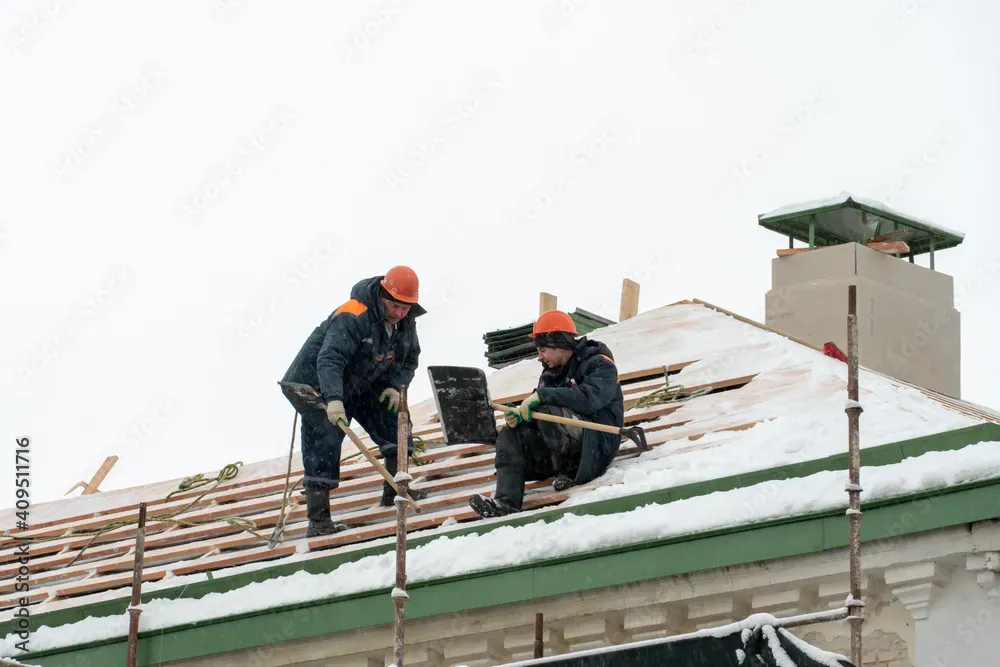
Consider replacement when damage is extensive or the roof is near end of life. Key factors:
- Extent of damage: Widespread issues often make replacement more economical than repeated temporary fixes.
- Roof age and condition: Older roofs may not respond well to piecemeal repairs.
- Long-term efficiency: New roofs reduce future maintenance and can improve energy performance.
Full replacement can increase property value and lower ongoing liabilities.
What Are the Key Advantages of Permanent Roof Replacement Over Temporary Repairs?
Primary advantages include:
- Durability: New roofs offer long-term protection.
- Reduced maintenance: Fewer repairs over time.
- Improved energy efficiency: Modern materials often insulate better.
These benefits make replacement attractive when a roof has significant wear or recurring problems.
How Do Permanent Solutions Address Recurring Roof Leak Repair Needs?
Permanent repairs target root causes rather than symptoms. Benefits include:
- Fixing underlying issues like structural problems or failing materials.
- Better materials that resist weather and reduce leak risk.
- Warranties that cover repairs for a set period.
A well-executed permanent repair typically lowers both frequency and lifetime cost of leaks.
How Do Insurance Claims Impact Temporary and Permanent Roof Repairs?
Insurance affects what owners can afford and when. Important points:
- Claim documentation: Photograph damage and keep repair records to support claims.
- Coverage differences: Policies may treat temporary and permanent work differently, which affects out-of-pocket costs.
- Financial decisions: Know your policy limits and deductible before choosing repair type.
Being informed helps secure better financial outcomes when filing claims.
What Insurance Claims Are Typically Covered for Roof Damage Repairs?
Commonly covered per typical policies:
- Storm damage: Repairs after severe weather events.
- Accidental damage: Events like falling trees.
- Wear and tear: Coverage varies by policy; check terms.
Review policy details to understand exclusions and limits.
How Can Property Owners Navigate Insurance Claims for Temporary and Permanent Repairs?
Streamline the process with these steps:
- Immediate actions: Document damage with photos.
- Contact your insurer: Report the loss promptly.
- Gather documentation: Keep estimates, invoices and correspondence.
- Consider professional help: A public adjuster can assist in complex disputes.
Following these steps improves the chance of appropriate compensation.
How to Choose Qualified Contractors for Temporary and Permanent Roof Repairs?
Choose contractors using clear criteria:
- Licensing and insurance: Verify state licensing and adequate liability coverage.
- Experience and reputation: Check references and prior work.
- Warranties: Confirm material and workmanship warranties.
A qualified contractor reduces project risk and improves the likelihood of a durable outcome.
What Qualifications Should Roofing Contractors Have for Emergency and Permanent Repairs?
Key qualifications to verify:
- Licensing and insurance appropriate for your jurisdiction.
- Certifications from reputable manufacturers or trade organizations where applicable.
- Relevant experience handling similar emergency and replacement projects.
Confirming credentials helps avoid common pitfalls during repairs.
How Does Adjustering Assist Property Owners in Selecting Trusted Roofing Professionals?
Adjustering connects owners with vetted roofing professionals and provides homeowner resources. Their services include:
- Vetting contractors through background checks.
- Selection criteria based on experience, feedback and licensing.
- Resources for homeowners to make informed decisions.
Use Adjustering to find qualified professionals for temporary or permanent repairs.
To protect your property from weather exposure, consider reviewing roofing and siding options that balance durability and appearance.
For extensive damage, restoration services help return a property to its pre-damage condition.
For complex claims, consult a public adjusting expert. If needed, contact Adjustering for advice and support, or learn more about their services.
Frequently Asked Questions
What factors should I consider when deciding between temporary and permanent roof repairs?
Consider damage extent, roof age, budget and how long you plan to keep the property. Temporary repairs solve immediate problems; replacement is often more economical for widespread damage or aged roofs.
How can I assess the condition of my roof to determine repair needs?
Look for missing shingles, sagging, leaks and attic stains. When unsure, hire a professional inspector for a detailed evaluation and recommendations.
Are there any DIY options for temporary roof repairs?
Basic DIY steps include applying a tarp or roofing cement for minor cracks. Follow safety practices; for significant damage, professional assessment is recommended.
What should I do if my insurance claim for roof repairs is denied?
Review the denial reasons, gather documentation (photos, estimates, correspondence), and appeal with supporting evidence. A public adjuster can help if needed.
How can I ensure my roof repairs are covered by insurance?
Know your policy terms and exclusions, document damage thoroughly, report promptly and keep records of all communications to support your claim.
What are the common mistakes to avoid when hiring a roofing contractor?
Do not hire without checking licensing, insurance and references. Obtain multiple quotes, avoid choosing solely on price, and insist on a written contract that details scope, materials and payment terms.
How can I maintain my roof to prevent future damage?
Perform regular inspections, clear gutters, remove debris, trim overhanging branches and schedule annual professional maintenance to catch issues early.
