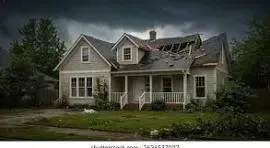
Steps to Ensure a Successful Fire Damage Claim
Steps to Ensure a Successful Fire Damage Insurance Claim Process

Filing a fire damage insurance claim involves several steps that can overwhelm homeowners and business owners. This guide summarises the core actions, required documentation, common pitfalls, and practical measures to help you pursue a fair claim. It emphasises immediate safety, solid documentation, and when to use professional help.
The financial consequences of fire incidents are significant; managing the claim well improves recovery and reduces uncertainty.
Fire Damage Insurance Claims: Financial Burden
Insurance claims from fire incidents represent one of the largest recurrent financial burdens on the private sector, with residential and commercial fire damage
Quantifying the Risk and Economic Savings to The United States from a Comprehensive Fire Safety Compliance Program, J Wandabwa
Claim Process
The claim process includes reporting, inspection, documenting loss, and negotiating settlement. Knowing these stages helps avoid errors that could delay or reduce payment.
Immediate Actions
First, confirm everyone’s safety and call emergency services. Do not re-enter unsafe structures. When permitted, photograph damage, make an itemised list of losses, and secure fragile evidence to create a verifiable record for your insurer.
Documentation

Collect clear photos and videos, an inventory of damaged items, and any receipts or invoices. Keep records organised (date-stamped photos, labelled lists) so claims examiners can verify losses quickly.
Engage Professionals
Qualified professionals such as public adjusters can improve outcomes by documenting losses and negotiating with insurers. Their expertise is most valuable for complex or disputed claims. For assistance, Adjustering supports homeowners and businesses with fire damage claims.
Necessary Documentation
Prepare the documents insurers commonly request so you can file without delay.
Know your policy terms and exclusions so you understand what is covered before filing.
Fire Insurance Policy Terms & Claim Conditions
A fire insurance policy may be separated into two classes of terms or conditions: (1) those which become operative in the event of fire upon the assumption or claim
Fire Insurance as a Valid Contract in Event of Fire and as Affected by Construction and Waiver, Estoppel, and Adjustment of Claims Thereunder: Including an …, 1903
| Document Type | Description | Importance |
|---|---|---|
| Policy Declarations Page | Outlines coverage details | Confirms eligibility for claims |
| Damage Photos and Videos | Visual evidence of the loss | Supports the claim with clear proof |
| Personal Property Inventory | List of damaged items | Helps assess the total loss |
Having these documents ready reduces processing delays and strengthens your position during review or negotiation.
Typical Timelines
Timelines depend on claim complexity and insurer response. Expect prompt reporting, inspection, and variable settlement duration.
- Initial Report Timeframe: Report within 24–48 hours when possible.
- Inspection and Estimate Duration: Inspections often occur within a week; estimates may follow shortly after.
- Final Settlement Timeline: Resolution can range from a few weeks to several months for complex claims.
Track deadlines and follow up promptly to keep the claim moving.
Common Pitfalls
Avoid mistakes that commonly reduce or delay payment.
- Delayed Reporting: Late claims can complicate coverage and proof.
- Inadequate Documentation: Insufficient evidence weakens your claim.
- Not Engaging a Public Adjuster: Professional help can recover more in disputed or complex claims.
Addressing these issues early improves the chance of a favourable outcome.
Tips for Maximizing Compensation
Use concise strategies to increase recovery under your policy.
- Thorough Documentation: Keep dated photos, lists, and receipts.
- Prompt Communication with Insurers: Respond and follow up on requests quickly.
- Engaging a Public Adjuster Early: Early involvement can clarify coverage and strengthen negotiations.
These steps often make a measurable difference in settlement results.
How to Document Fire Damage Effectively for Insurance Purposes
Follow a consistent approach to create reliable evidence.
- Ensure Safety First: Only document when it is safe or cleared by authorities.
- Document Damage with Photos and Videos: Capture wide shots and close-ups; include timestamps and labels.
- Log Conversations with Insurers: Note dates, names, and key points from calls and emails.
Well-structured records speed validation and reduce disputes.
What Documentation Is Required for a Fire Damage Claim?
Common required items include policy pages, visual evidence, and a detailed inventory.
- Policy Declarations Page: Verifies your coverage.
- Damage Photos and Videos: Critical visual proof.
- Personal Property Inventory: Itemised list to quantify loss.
Organised documentation streamlines processing and supports appeals if necessary.
Which Forms and Evidence Should Property Owners Prepare?
Assemble these materials to support fast, accurate claims handling.
- Photographs and Videos: Wide and detailed shots of damage.
- Personal Property Inventory: Descriptions, values, and purchase dates where possible.
- Repair Estimates: Contractor or restoration quotes to demonstrate costs.
Advance preparation reduces stress when filing.
How Does a Public Adjuster Support Fire Damage Claim Success?

Public adjusters advocate for you, perform detailed assessments, and negotiate settlements with insurers to help secure fair compensation.
- Advocacy for the Policyholder: They represent your interests during the claim.
- Thorough Damage Assessment: Detailed documentation and valuation of losses.
- Negotiation with Insurers: Presenting a supported claim to achieve better settlement terms.
Engaging a competent public adjuster can improve settlement outcomes and reduce administrative burden.
What Are the Benefits of Hiring a Public Adjuster for Fire Claims?
Hiring a public adjuster can produce higher settlements and a smoother process.
- Maximized Settlements: Experts often recover more than unrepresented claimants.
- Streamlined Process: They manage paperwork and deadlines.
- Stress Reduction: Professional handling eases the claimant’s workload.
These benefits justify considering professional representation for significant or contested claims.
What Are the Typical Timelines and Challenges in Fire Damage Claims?
Expect variable timelines and potential delays; preparation reduces friction.
- Initial Report Timeframe: Report promptly, ideally within 24–48 hours.
- Common Delays: Incomplete documentation or slow insurer response are frequent causes of delay.
- Documentation Requirements: Complete, organised records help mitigate hold-ups.
Understanding these elements helps you manage expectations and maintain momentum.
The efficiency and timeliness of claims handling materially influence recovery and experience.
Claims Handling Process: Effectiveness & Efficiency
This study examined the effectiveness, efficiency and promptness of claims handling processes within the Nigerian insurance industry. The researchers assessed these characteristics and examined their relation to the organisational productivity of insurance companies in Nigeria.
Effectiveness, efficiency, and promptness of claims handling process in the
Nigerian Insurance Industry, TO Yusuf, 2015
How to Navigate Claim Denials and Disputes Effectively
Use a structured approach to address denials and pursue appeals.
- Understand the Denial Reasons: Identify precisely why the claim was denied so you can respond directly.
- Gather Evidence for Appeal: Compile photos, estimates, and all insurer correspondence to support your case.
- Engage a Public Adjuster: A public adjuster can help draft a focused appeal and negotiate on your behalf; see public adjuster resources.
Following these steps increases the likelihood of reversing a denial.
To assist recovery, consider engaging restoration services for remediation and repairs.
If roofing or siding is affected, Adjustering can help coordinate those repairs.
Frequently Asked Questions
What should I do immediately after a fire incident?
Prioritise safety, call emergency services if needed, and wait for clearance. When safe, photograph damage, create an itemised list, and keep records to support your claim.
How can I expedite my fire damage insurance claim?
Report promptly (24–48 hours), submit photos and an inventory, provide repair estimates, document communications, and consider an early public adjuster consultation to speed resolution.
What are the common reasons for fire damage claim denials?
Denials commonly result from late reporting, incomplete documentation, policy exclusions, or evidence of negligence. Review your policy and gather complete evidence to reduce denial risk.
How can I appeal a denied fire damage claim?
Identify the denial reason, compile supporting documentation (photos, estimates, correspondence), submit a clear appeal, and consider a public adjuster for assistance.
What role does a public adjuster play in the claims process?
A public adjuster documents losses, values claims, communicates with the insurer, and negotiates settlement terms to represent the policyholder’s interests.
What types of documentation are essential for a fire damage claim?
Key documents include the policy declarations page, dated photos and videos, a personal property inventory, and repair estimates. Organising these items in advance streamlines the process.
How long does the fire damage claims process typically take?
Timing varies by complexity. Report quickly, expect inspections within about a week, and know that settlement may take weeks to months; proactive documentation and follow-up can shorten this timeframe.
