Secrets to a Successful Fire Damage Claim Submission
Get the Full Fire Claim Settlement You Deserve
Recovering from a home or business fire is stressful and urgent: safety decisions, ruined belongings, and the pressure to file your insurance claim correctly all happen at once. This guide walks you step‑by‑step through documenting losses, preserving critical evidence, and assembling a complete fire damage claim so you can increase your payout and avoid common delays. You’ll learn which fire‑related damages matter most to adjusters, how to build insurer‑required documentation, what to expect from the claim and restoration process, and practical tactics that improve the chance of a full settlement. Adjustering helps property owners by quickly connecting them with licensed public adjusters and vetted restoration and roofing contractors across Philadelphia and nearby counties, removing confusion and coordinating urgent inspections when time and evidence matter most.
The sections below outline key damage categories, immediate actions to protect coverage, the role of a public adjuster and how they add measurable value, plus the end‑to‑end claim and repair workflow. Each H2 includes practical checklists, evidence tables, and negotiation tips you can use when speaking with your insurer or outside experts. The focus is on actionable documentation—photos, inventories, contractor estimates, and diagnostic reports—that directly affects settlement amounts and prevents underpayment. Follow these steps to submit a thorough fire damage claim and work effectively with professionals who push for full recovery and timely repairs.
What Are the Key Types of Fire Damage Affecting Your Property?

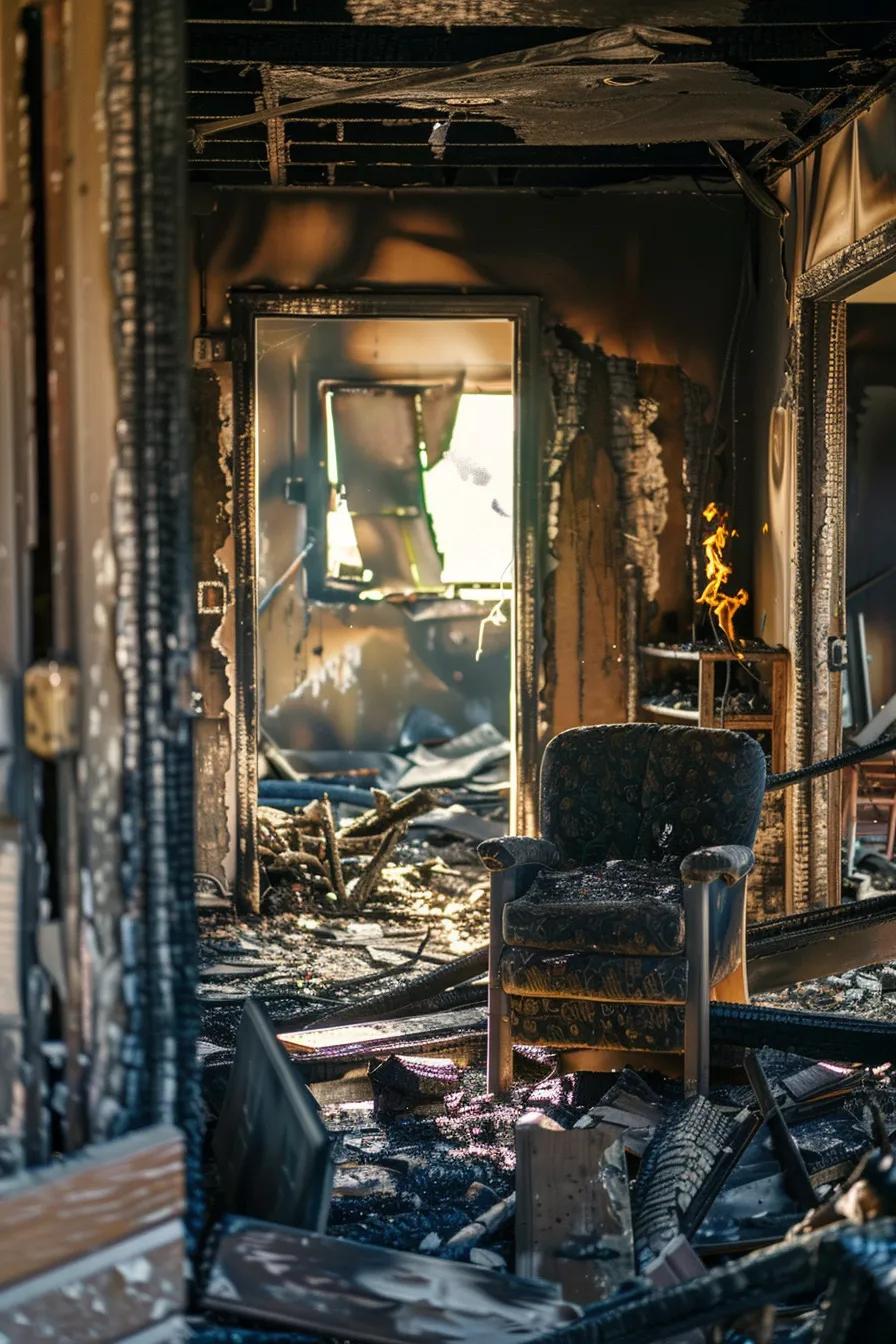
Fires produce distinct categories of damage that determine restoration scope and how insurers value the loss. Thermal or burn damage is the direct charring and structural loss from flames; smoke and soot cause contamination and staining of building surfaces and contents; water from firefighting brings saturation, wicking, and mold risk; and hidden structural damage weakens framing or concealed systems and often requires diagnostic inspection to find. Knowing how each category looks, why it changes scope, and what proof insurers expect is essential to preparing a complete claim that captures full replacement and repair costs.
Early, accurate documentation reduces disputes: timestamped photos of charred elements, soot patterns, moisture maps, and contractor estimates establish cause and repair baselines for your insurer. The table below compares common damage types, typical signs and causes, and the documentation insurers most often need to process and value each component of a fire damage claim.
| Damage Type | Typical Signs / How It's Caused | Documentation Needed / Claim Impact |
|---|---|---|
| Thermal (Burn) Damage | Charring, flame patterns, melted fixtures, exposed framing | Close-up and wide photos, structural engineer notes for major loss, repair estimates; document full demolition/rebuild scope |
| Smoke & Soot Contamination | Discolored walls, persistent odor, soot in HVAC filters, stained upholstery | Photos/videos, HVAC inspection reports, contents-cleaning estimates, odor‑mitigation invoices; affects contents and cleaning coverage |
| Water Damage from Firefighting | Wet walls, sagging ceilings, mold growth, water lines in insulation | Moisture meter/thermal imaging scans, drying logs from restoration contractor, mold remediation estimates; can materially increase scope |
| Hidden Structural Damage | Charred beams, compromised rafters, delaminated subfloor | Structural inspection reports, load calculations, thermal imaging, invasive inspection photos; critical for safety and higher claim valuation |
Insurers separate visible damage from concealed defects for a reason: surface burns set an immediate repair scope, but hidden smoke penetration, water wicking, and structural compromise often multiply costs and require stronger documentation to secure supplemental payments.
How Do Smoke, Soot, and Water Damage Impact Your Fire Claim?
Smoke, soot, and water create cross‑contamination that affects both structure and contents and frequently raises claim value beyond visible flame loss. Soot can migrate through HVAC systems and wall cavities, leaving odors and stains that need specialized cleaning or replacement; firefighting water can wick into assemblies, warp finishes, and trigger mold that requires drying logs and remediation. Adjusters will expect clear linkage between the fire and these secondary damages, and they often reduce payments when documentation or mitigation records are missing.
Build a clear evidence package showing contamination pathways and restoration need: before/after photos, HVAC inspection notes, moisture meter readings, and contractor drying reports create a timeline that demonstrates the extent of damage and the correct scope for content cleaning and structural repair. Prompt professional mitigation—water extraction, drying, and containment—reduces long‑term costs and strengthens a claim for full replacement value rather than piecemeal cosmetic fixes.
Why Is Identifying Hidden Structural Damage Crucial for Your Claim?
Hidden structural damage is often the largest driver of supplemental payments because it requires invasive diagnostics to reveal compromised load‑bearing elements, hidden charring, or delayed failures from heat exposure. A surface that looks intact may conceal charred studs or weakened connectors that threaten safety and demand full assembly replacement. Insurers typically require professional structural assessments or diagnostic scans to justify scope expansions beyond surface repairs.
To capture full settlement value, commission targeted diagnostics—thermal imaging, moisture mapping, and licensed structural inspections—that generate technical reports your adjuster and the insurer can evaluate. Those reports convert latent risk into documented loss, enabling negotiations for additional funding to repair concealed damage that a cursory walkthrough would miss.
What Immediate Steps Should You Take After a Fire to Protect Your Claim?
Moving quickly after a fire preserves safety, evidence, and coverage. First, prioritize personal safety and follow fire department clearance; second, document the scene before major cleanup or demolition unless safety or mitigation requires immediate action; third, notify your insurer with a First Notice of Loss and keep receipts for emergency living expenses. Timely mitigation—temporary board‑up, tarping, and professional water extraction—limits secondary damage and creates the records insurers expect to approve restoration payments. If you need immediate local help, Adjustering connects homeowners and businesses with licensed public adjusters and vetted restoration and roofing contractors across Philadelphia and nearby counties to start inspections and documentation fast.
- Put safety first and wait for fire department clearance before re‑entry; do not attempt repairs until professionals confirm it’s safe.
- Photograph and video every affected area, capturing char, soot patterns, water lines, and damaged contents with timestamps and wide shots.
- Contact your insurer to file a notice of loss, save receipts for emergency expenses, and avoid permanent repairs until an inspection is completed.
Following this prioritized checklist preserves evidence and shows prudent mitigation to insurers; documentation collected in the first 24–72 hours markedly improves the clarity and defensibility of your claim.
How to Safely Secure Your Property and Ensure Personal Safety?
Safety and security are the immediate priorities once emergency responders clear the scene. Don’t re‑enter until authorities say it’s safe; when allowed, shut off utilities that pose hazards and secure the property against theft or weather with temporary boarding or roof tarping performed by professionals. Keep a log of who enters the property and collect contractor estimates and mitigation receipts to document emergency actions.
Be systematic: photograph the exterior and all entry points before securing, save receipts for boarding or tarping, and—when possible—get a written statement from the fire department or command officer. These steps protect remaining property and create an insurer‑friendly record that supports coverage for temporary protective measures and prevents disputes about post‑loss damage.
What Documentation Is Essential for a Successful Fire Damage Claim?

Organized documentation turns a chaotic event into a clear claim. Essential items include timestamped photos/videos of all affected areas and contents, an itemized inventory of lost or damaged property, your policy number and proof‑of‑loss forms, correspondence with the insurer, and receipts for emergency housing, meals, or protective services. Technical documents—restoration drying logs, HVAC cleaning reports, moisture maps, and structural inspection reports—lift your claim from anecdote to evidence‑based scope.
- Photos and videos of every room, contents, and hidden spaces such as attics or crawlspaces.
- A dated inventory with estimated values and any proof‑of‑purchase receipts.
- Contractor estimates, diagnostic reports (thermal imaging, moisture meters), and receipts for mitigation work.
- Insurance correspondence, the filed notice of loss, and records of additional living expenses.
Assemble these items into a single, organized packet with clear timestamps and professional reports; doing so reduces adjuster uncertainty and speeds settlement decisions.
How Can a Public Adjuster Maximize Your Fire Damage Insurance Payout?
A public adjuster represents the policyholder and specializes in documenting loss, preparing complete estimates, and negotiating with insurers to achieve full settlements. Unlike the insurer’s adjuster—who evaluates the claim for the carrier—a public adjuster advocates for you by producing detailed scope‑of‑loss reports, uncovering hidden damage, and pursuing supplemental payments when discovery expands repair needs. Public adjusters commonly coordinate with licensed contractors and use diagnostic tools to build persuasive evidence that raises settlement amounts and lowers the risk of underpayment.
| Role | Responsibilities | What This Delivers to the Policyholder |
|---|---|---|
| Public Adjuster | Document loss, prepare repair estimates, negotiate with insurer | Maximizes settlement, identifies concealed damage, streamlines supplemental claims |
| Insurance Company Adjuster | Evaluate claim for insurer, verify coverage and costs | Carrier assessment and initial scope, but may undercount concealed damage |
| Restoration Contractor | Mitigation, drying, contents cleaning, reconstruction estimates | Provides technical reports and cost estimates that support claim values |
This comparison explains why policyholders often recover more when they retain a public adjuster who coordinates technical inspections and pairs findings with contractor estimates.
What Is the Role and Benefit of Hiring a Public Adjuster for Fire Claims?
A public adjuster acts as your advocate—turning technical damage into insurer‑acceptable documentation, which often yields higher settlements and faster resolution. Benefits include saving you time, professionally valuing contents and structure, identifying latent damage, and negotiating against low initial offers. By consolidating diagnostic reports and multiple contractor bids into a single, persuasive claim package, public adjusters reduce missed items and supplemental disputes.
Public adjusters are especially valuable for large losses, multi‑trade damage (roofing, HVAC, structure, contents), or when initial insurer estimates seem incomplete. Fees are typically a percentage of recovery, but experienced adjusters frequently secure net gains that outweigh their cost on substantial claims.
How Does Adjustering’s Public Adjusting Service Ensure Full Damage Assessment?
Adjustering’s local presence in Huntingdon Valley and coverage across Philadelphia and neighboring counties shortens response times and supports the thorough documentation needed to justify supplemental payments.
By pairing adjuster expertise with contractor technical reports, Adjustering produces full‑scope reports that strengthen negotiation leverage and reduce delays from incomplete scopes or missing evidence. This coordination is especially important when secondary water damage or concealed structural issues appear after initial cleanup—allowing for swift supplemental submissions that protect claim integrity.
What Does the Fire Damage Claim and Restoration Process Involve?
The claim and restoration lifecycle follows connected but distinct stages: FNOL (First Notice of Loss), inspection and documentation, estimate and scope development, mitigation and contents work, reconstruction, and final accounting or supplemental negotiations. Each phase produces deliverables—notice documentation, inspection reports, contractor estimates, mitigation receipts, and final invoices—that insurers use to process payments. Knowing who’s responsible at each step and what evidence is expected helps you keep the timeline moving and reduces disputes from missing documentation.
| Claim Step | Typical Timeline / Who's Responsible | Documents, Outputs, Next Steps |
|---|---|---|
| FNOL (Notice of Loss) | 24–72 hours / Policyholder or rep | Notice of loss confirmation, incident summary, initial photos |
| Inspection & Estimate | 3–10 days / Adjuster(s) & contractors | Scope of loss report, diagnostic scans, contractor estimates |
| Mitigation & Temporary Repairs | Immediate–1 week / Restoration contractor | Drying logs, boarding/tarp receipts, mitigation invoices |
| Reconstruction & Repair | Weeks–Months / General contractor | Repair schedules, progress photos, change orders, final invoices |
| Final Accounting / Settlement | After repairs / Adjuster negotiation | Final invoice, proof of completion, supplemental claim docs |
This process map sets realistic timeline expectations and clarifies the outputs insurers will seek at each stage to release payments and resolve supplementals.
How to Navigate Insurance Adjusters Versus Public Adjusters?
Working with both adjuster types requires clear role definitions and shared documentation. The insurer’s adjuster assesses loss for the carrier and often focuses on visible damage, while a public adjuster documents loss for the policyholder and pursues full reimbursement, including concealed damage and recoverable depreciation. To work effectively with both, share contractor estimates, diagnostic reports, and detailed inventories; request written explanations for any denial or reduction; and use independent technical reports to support disputes or supplementals.
Negotiation tips: request line‑item explanations in writing, document disagreement timelines, and ask for a reinspection when new evidence appears. Watch for red flags such as unexplained omissions from the estimate, pressure to accept a quick low settlement, or claims that diagnostic methods are “unnecessary” without sound technical reasoning.
What Are the Essential Steps in Fire Damage Restoration and Repair?
Restoration moves from mitigation through cleaning and reconstruction, with each stage producing documentation that supports your claim. Immediate mitigation includes water extraction, structural stabilization, and temporary protection; contents restoration addresses soot and odor; reconstruction replaces damaged assemblies to code and scope. Contractors should supply drying logs, pack‑out inventories, cleaning manifests, and staged repair invoices aligned to insurer payment milestones.
Helpful contractor documentation includes detailed scope‑of‑work estimates, material lists tied to replacement cost calculations, permit receipts for reconstruction, and final inspection reports. Keeping a chronological file of these documents speeds final accounting and supports supplemental claims when concealed damage appears during reconstruction.
How Can You Prevent Future Issues and Understand Long-Term Recovery After Fire Damage?
Long‑term recovery combines ongoing maintenance, correct insurance valuation, and organized records to avoid coverage gaps. After repairs, keep records of replaced materials, receipts for major upgrades, and photos of completed work; update your policy limits if reconstruction raises replacement cost exposure. Understanding how depreciation, replacement cost value (RCV), and actual cash value (ACV) affect settlement lets you pursue appropriate recoveries and plan for recoverable depreciation claims after repairs.
What Maintenance Tips Help Protect Your Restored Property?
After reconstruction, proactive maintenance lowers risk and preserves clear insurance coverage: inspect roofing, chimneys, and attics for wear or moisture; schedule HVAC cleanings to prevent soot recontamination and preserve air quality; and test smoke and suppression systems regularly. Keep a dated maintenance log and save contractor receipts to show continuous stewardship.
Maintaining periodic inspection records and repair receipts creates a longitudinal file that demonstrates responsible ownership and can be decisive if a later loss requires proof of upkeep or prior condition. This evidence also simplifies future claims by showing pre‑loss condition and recent improvements.
How Do Depreciation and Replacement Cost Value Affect Your Claim Settlement?
Depreciation reduces the immediate payout under ACV policies, while replacement cost value (RCV) policies let you recover depreciated amounts after repairs are finished. Depreciation is applied to buildable components based on age and useful life; to recover full replacement funds, submit repair invoices and a final proof of completion to the insurer to collect recoverable depreciation. Contractor estimates that reflect current material and labor costs help secure accurate RCV payments.
Example: if a roof section is depreciated in the initial ACV payment, provide invoices and completion photos after repair to request the recoverable depreciation amount. Diagnostic reports documenting concealed damage also improve the chance that the insurer will honor supplemental RCV claims.
For owners needing rapid local assistance, Adjustering’s network links property owners with licensed public adjusters and vetted restoration and roofing contractors across Philadelphia, Bucks, Montgomery, Chester, Delaware counties, South Jersey, and Central Jersey to speed inspections, produce contractor‑backed estimates, and assemble the documentation insurers require for RCV recovery.
- Safety First: Prioritize official clearance and documented mitigation.
- Document Everything: Photographs, inventories, and diagnostic reports are essential.
- Coordinate Experts: Use licensed adjusters and technical contractors to document hidden damage and maximize settlement.
Frequently Asked Questions
What should I do if my insurance claim is denied?
Start by reading the denial letter to understand the insurer’s reasons. Common causes are missing documentation or policy exclusions. Gather all evidence you have—photos, estimates, correspondence—and submit an appeal or formal request for reconsideration with any new documentation. Bringing a public adjuster on board can help identify gaps, assemble stronger evidence, and guide the appeals process.
How can I ensure my insurance policy covers all potential fire damages?
Review your policy details—limits, exclusions, and specific fire provisions—and speak with your insurance agent to clarify coverage. Consider updating limits when you renovate or your replacement cost rises. Keeping records of your property’s condition and improvements (receipts, photos) also helps ensure adequate coverage and supports future claims.
What are the common mistakes to avoid when filing a fire damage claim?
Common errors include inadequate documentation, delayed notice to the insurer, and making permanent repairs before an inspection. Undervaluing lost items or failing to keep receipts for temporary living expenses also hurts your claim. Create a complete inventory, keep clear records, and communicate promptly with your insurer to avoid delays and disputes. For more, see What Immediate Steps Should You Take After a Fire to Protect Your Claim?
How long does the fire damage claim process typically take?
Timelines vary with claim complexity, damage extent, and responsiveness from all parties. The initial stages—FNOL and inspection—typically take days to a couple of weeks. Full resolution, including negotiations and supplementals, can take several weeks to months, especially if disputes arise or concealed damage is discovered during repairs. Refer to our Claim Process Timeline for more details.
What role does a restoration contractor play in the claims process?
A restoration contractor assesses damage, performs mitigation, and prepares repair estimates that support the claim. Their documentation—drying logs, pack‑out inventories, cleaning manifests, and reconstruction estimates—provides technical support for your scope and helps ensure hidden damages are accounted for. Collaborating with your adjuster, contractors help keep the claim and repairs aligned. Learn more about Essential Steps in Fire Damage Restoration and Repair.
Can I negotiate my insurance settlement offer?
Yes. If the initial offer falls short, assemble supporting documentation—contractor estimates, diagnostic reports, and photos—and present it to your adjuster to justify a higher amount. Stay professional but persistent. If negotiations stall or you feel overwhelmed, a public adjuster can advocate for a stronger settlement based on experience and technical evidence. See How to Navigate Insurance Adjusters Versus Public Adjusters for negotiation tips.
