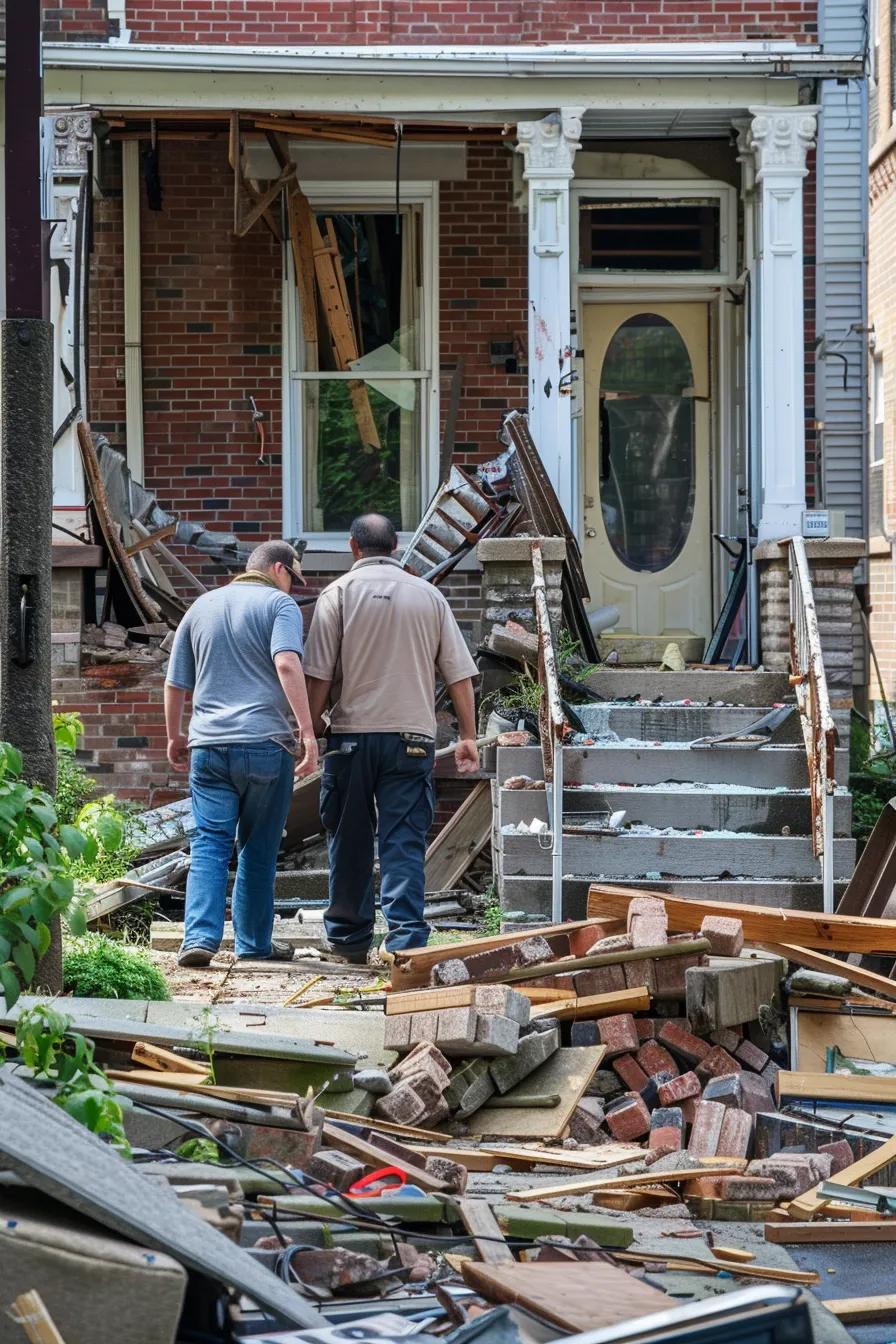
Philadelphia Property Damage Recovery & Claims Assistance
Philadelphia Property Damage Recovery & Claims Help — Local Public Adjusters

When property damage strikes in Philadelphia, homeowners and business owners face urgent safety, documentation, and insurance decisions that affect claim value. This guide walks through how local property damage response and claims advocacy work, what losses are typically covered, how to document and file a claim, and which restoration services get properties back to pre-loss condition. You’ll learn why hiring a Philadelphia-based public adjuster matters, the step-by-step claims workflow, common storm, fire, and water damage issues, and the practical repair services that follow a settlement. The advice focuses on immediate safety, preserving evidence, and working with local restoration pros, and it maps service coverage across Philadelphia, Bucks, Montgomery, Chester, Delaware, South Jersey, and Central Jersey. Practical checklists, inspection tables, and concise FAQs make next steps clear so owners can act with confidence after an event.
Why Hire a Philadelphia Public Adjuster for Property Damage Claims?

A public adjuster is a licensed advocate who represents you, the policyholder, during an insurance claim. They document losses, prepare itemized estimates, and negotiate with the insurer to help secure a full and fair payment. While company adjusters work for the insurer’s interests, a public adjuster you hire focuses on recovering the money you’re entitled to and making sure the scope is accurate. Bringing in an independent adjuster cuts the workload for owners, improves documentation quality, and increases the chance that hidden or overlooked damage — such as compromised roof decking or interior water intrusion — is included in the claim. Below are concrete benefits that protect claim value and reduce stress for busy property owners.
Public adjusters provide clear, measurable advantages:
- Higher Settlements: They find missed line items and submit itemized estimates that commonly raise settlement totals.
- Thorough Documentation: They produce inventories, dated photos, and scope documents insurers use to approve work.
- Skilled Negotiation: They manage insurer communications, file appeals, and prepare supplements to resolve disputes.
- Time Back for Owners: They handle timelines and paperwork so you can focus on safety and recovery.
These benefits are most important when claims are complex or underpaid initially. The section below explains the specific duties a Philadelphia public adjuster performs.
What Does a Public Adjuster Do in Philadelphia?
A public adjuster conducts on-site inspections, documents damage with dated photos and measurements, and builds a complete claim package with line-by-line cost estimates. They coordinate with restoration contractors and specialty trades to confirm repair scopes, making sure all parts of the property — roof, siding, gutters, interior finishes, structural framing, and contents — are evaluated and claimed correctly. Philadelphia adjusters also follow local licensing and regulatory expectations and present evidence that supports reasonable policy interpretations, which can smooth negotiations. Because inspections often reveal additional damage, adjusters prepare supplemental documentation and press for supplements when insurers underpay at first.
Those day-to-day tasks lead to the main tactics adjusters use to increase recoveries, explained next.
How Can a Public Adjuster Maximize Your Insurance Payout?
Public adjusters strengthen claims through several proven tactics: expanding the scope to include hidden loss, breaking costs into clear line items, and filing timely supplements when new damage appears. They address common underpayment issues — missed hidden damage, incorrect depreciation, and incomplete contents lists — by submitting contractor estimates and technical documentation. By coordinating with vetted contractors for repair quotes and providing objective evidence, adjusters build leverage for negotiations and appeals. The result is a more persuasive claim package that encourages insurers to approve fuller settlements. The next section outlines the step-by-step claims process that supports those tactics.
How Does the Property Damage Claims Process Work in Philadelphia?

The typical claims lifecycle follows this sequence: immediate safety and mitigation, documentation, insurer notification and claim filing, inspection and estimate, negotiation and settlement, then restoration handoff. Sticking to this order reduces delays and preserves evidence for negotiation. Local public adjusters and contractors work together through these stages to deliver a smooth Philadelphia recovery. Timing matters at each step — mitigation within 24–72 hours, documentation right away, and consistent records throughout — so prioritize these actions to protect your claim rights. The checklist below covers first actions after damage.
Critical first steps after damage:
- Ensure Safety: Evacuate if necessary and turn off utilities only if it’s safe.
- Document Everything: Photograph and video affected areas and damaged belongings with dates shown.
- Limit Further Damage: Use temporary tarps, board-ups, or water extraction and keep all receipts.
- Notify Your Insurer: Report the loss promptly and get a claim number to track progress.
These early steps set the stage for inspection and negotiation. The subsection below explains filing details and how Adjustering can simplify each stage.
What Are the Key Steps in Filing a Property Damage Claim?
Filing a claim begins by notifying your insurer and describing the loss, then documenting damage with photos, videos, and inventories to support later scopes. Maintain a timeline of events, mitigation receipts, and contractor estimates so your claim reads as a clear package — crucial if additional damage appears during repairs. Preserve damaged materials when it’s safe; insurers or experts may need to inspect originals to determine cause and scope. Prompt, thorough documentation shortens disputes and gives adjusters solid material for negotiation.
How Does Adjustering Simplify Insurance Claims and Restoration?
Adjustering links property owners to licensed public adjusters and vetted restoration contractors through a coordinated "Link - Claim - Restore" model that streamlines recovery. That coordination means inspections, documentation, adjuster assignments, contractor assessments, and restoration scheduling move smoothly between advocates and trades. Adjustering’s free referral service vets professionals for licensing, insurance, and background, lowering homeowner risk when selecting local damage experts. Centralized referrals speed emergency mitigation and long-term repairs, reduce stress, and shorten the path from claim filing to finished restoration.
This coordinated workflow also reflects the range of damage types the network handles and how adjusters and contractors collaborate on typical losses.
What Types of Property Damage Does Adjustering Handle in Philadelphia?
Adjustering’s referral network and public adjuster partners handle a wide range of damage: storm damage, fire and smoke, water intrusion and flooding, mold growth, and structural failures that need reconstruction. Each category has different inspection priorities, common causes, and documentation requirements; knowing those differences helps you gather the right evidence. The comparison below explains how adjusters approach each damage type and what inspectors focus on during a claim.
| Damage Type | Common Causes / Areas Affected | Inspection & Claim Considerations |
|---|---|---|
| Storm Damage (wind, hail) | Roof, siding, gutters, exterior finishes | Check for torn or lifted shingles, dented flashings, and roof decking issues; dated photos of damage are critical |
| Fire & Smoke Damage | Structural framing, contents, HVAC systems | Document char, smoke penetration, and contents loss; keep mitigation and cleanup receipts |
| Water Damage & Flooding | Ceilings, walls, floors, personal property | Identify water source, map moisture, document drying and mitigation; save receipts for extraction and dehumidification |
| Mold & Secondary Damage | Behind walls, ceilings after untreated water events | Use moisture mapping and, when needed, destructive inspection; document remediation scope and clearance testing |
This table highlights inspection focus areas adjusters use to build claim scopes and leads into the sections below on storm, fire/water, and mold specifics.
How Are Storm Damage Claims Managed in Philadelphia?
Storm claims often depend on fast roof and siding checks because wind and hail can create visible and hidden damage that worsens over time. Adjusters focus on roof decking, nail pops, lifted shingles, and siding breaches, pairing dated photos with contractor estimates to justify a full scope. Emergency actions like tarping and temporary repairs should be documented with receipts to prevent interior damage and support supplemental claims. Scheduling an early contractor assessment with a public adjuster helps capture all storm-related losses before insurer scopes are finalized.
What Should You Know About Fire and Water Damage Claims?
Fire and water losses require different approaches: fire claims concentrate on structural char, smoke migration, and contents restoration; water claims emphasize stopping the source, drying timelines, and mold prevention. Immediate safety steps, contents inventories, and professional drying or soot-cleanup receipts are documentation insurers expect. Public adjusters work with restoration crews to separate itemized restoration costs from contents replacement values so both structural and personal property losses are captured. Knowing these differences helps homeowners prioritize safe, well-documented mitigation that preserves claim value.
How Is Mold and Structural Damage Addressed in Property Claims?
Mold remediation starts with finding the moisture source and mapping affected areas; the remediation scope depends on contamination extent and the materials involved. Adjusters and remediation contractors may recommend destructive inspection — removing drywall or finishes — to determine structural involvement and accurately quantify repairs for insurers. It’s important to separate remediation (removing mold) from cosmetic repairs (replacing finishes) in the claim so insurers authorize the right line items. For structural failures, adjusters can coordinate with engineers or specialty trades to document needed repairs and associated costs for a full recovery.
Those damage assessments lead into the restoration and repair services that finish the recovery process.
Which Restoration and Repair Services Are Available for Philadelphia Property Damage?
Once a claim is approved, a range of restoration and repair services restore habitability and value, from emergency mitigation to full reconstruction. Common services include roof repair and replacement, siding and gutter work, water extraction and drying, smoke and soot cleanup, contents restoration, and structural reconstruction when needed. Each service follows documented mitigation and repair steps coordinated with the adjuster so invoices line up with claim items and payment gaps are avoided. The table below maps typical services to when they’re required and how handoffs between adjusters and contractors usually work.
| Service | When It's Needed | Typical Restoration Steps / Handoffs with Adjuster |
|---|---|---|
| Emergency Tarp/Board-up | Immediately after structural breach or major roof loss | Contractor documents temporary repairs; adjuster logs receipts and files supplements when permanent work follows |
| Water Extraction & Drying | After leaks, burst pipes, or flooding | Mitigation crew extracts water and logs moisture readings; adjuster uses reports to justify restoration scope |
| Roofing Repair/Replacement | When storm damage or age compromises the roof | Roofing contractor provides estimates and material lists; adjuster includes itemized roof replacement in the claim |
| Siding & Gutter Repair | After impact, wind damage, or material failure | Contractor documents material matching and replacement needs; adjuster verifies scope and matching requirements |
This service mapping clarifies the restoration workflow and how adjuster-contractor coordination protects claim alignment and payment. The next subsection covers roofing and siding specifics.
What Roofing and Siding Repairs Are Offered After Damage?
Roofing and siding repairs start with emergency tarping and temporary fixes to stop leaks, then move to detailed contractor assessments to decide repair versus full replacement. Replacement decisions depend on the damage extent and remaining useful life; adjusters and contractors document shingle counts, decking damage, and flashing conditions to support replacement claims. Siding work focuses on matching materials and addressing any damaged sheathing or insulation, with itemized scopes that adjusters review for inclusion. Accurate repair documentation prevents underpayment and speeds approvals.
How Does Emergency Restoration Support Property Recovery?
Emergency restoration stabilizes the property to prevent progressive damage using fast-response services like water extraction, board-up, and temporary HVAC or power stabilization when needed. Prompt mitigation cuts long-term costs and limits secondary damage such as mold. Documentation of emergency work — photos, work orders, and receipts — supports insurance supplements. Restoration crews share moisture logs, drying reports, and temporary repair invoices with public adjusters so insurers can see a clear chain of loss and response. Effective emergency restoration preserves both the property and the integrity of the claim.
What Areas Does Adjustering Serve for Property Damage Recovery in Philadelphia and Surrounding Counties?
Adjustering connects homeowners and business owners with licensed public adjusters and vetted roofing, siding, and restoration contractors across Philadelphia, Bucks, Montgomery, Chester, Delaware counties, South Jersey, and Central Jersey. Local coverage ensures quick referrals to in-market professionals who understand regional weather patterns, local construction practices, and restoration logistics. Adjustering emphasizes rapid access — including 24/7 emergency availability — and vetting standards that confirm licensing, insurance, and background checks for referred professionals.
Service area highlights:
- Philadelphia County: Experience with urban and historic properties and fast in-market adjusters.
- Bucks & Montgomery Counties: Suburban coverage with vetted contractors for roofing and structural repairs.
- Chester & Delaware Counties: Rapid referrals for emergency mitigation and full reconstruction.
- South & Central Jersey: Cross-state coordination with licensed local adjusters and contractors.
These geographic capabilities enable quick mobilization of local damage experts. The H3 subsections below describe local support in more detail.
How Does Adjustering Support Property Owners in Philadelphia County?
In Philadelphia County, Adjustering’s referral network pairs owners with licensed public adjusters and contractors experienced with urban and historic structures, where hidden damage and city logistics often complicate repairs. Fast connection to in-market adjusters helps prioritize safety, permit awareness, and phased restoration that respects historic details when required. Adjustering’s vetting ensures referred contractors are licensed and insured, lightening the homeowner’s administrative load during urgent situations. This local knowledge and quick referral access reduce downtime and streamline the path from claim to completed repairs.
What Services Are Available in Bucks, Montgomery, Chester, and Delaware Counties?
Across Bucks, Montgomery, Chester, and Delaware counties, Adjustering offers free referrals to licensed public adjusters and vetted contractors for roofing, siding, and full restoration services, using the same coordinated model as in Philadelphia. Local contractors are chosen for licensing, insurance, and proven restoration experience so adjusters and trades can collaborate effectively on estimates and repairs. Emergency response is available through the referral network to limit secondary damage, and homeowners are directed to the right local experts for each repair phase. Consistent vetting lowers selection risk and shortens mobilization times for recovery crews.
How Are South Jersey and Central Jersey Property Damage Claims Handled?
Claims in South Jersey and Central Jersey are handled by licensed local adjusters and restoration contractors within Adjustering’s network, allowing prompt assignment of professionals familiar with regional inspection standards and contractor availability. Cross-state coordination focuses on matching licensed contractors and adjusters who understand state-specific restoration practices while keeping mitigation and repair documentation consistent for insurers. Adjustering’s 24/7 referral availability helps New Jersey owners access emergency mitigation quickly, and the coordinated workflow ensures adjusters and contractors hand off documentation efficiently. This regional coverage supports timely restoration and steady claim advocacy.
What Are the Most Common Questions About Property Damage Claims in Philadelphia?
Homeowners often ask about costs, timelines, the difference between adjuster types, and what to do right after damage. Short, actionable answers help reduce confusion during stressful events. The FAQ-style section below gives quick guidance for immediate decisions and summarizes typical ranges and next steps. Use these answers to prioritize safety, documentation, and whether to involve a public adjuster.
Below is a quick-reference FAQ table to guide immediate decisions.
| Question Topic | Typical Range / Considerations | Short Guidance / Next Steps |
|---|---|---|
| Public Adjuster Cost | Contingency or flat-fee models; always ask for written terms | Request fee disclosures and a written contract; contact Adjustering for vetted referrals |
| Public vs Insurance Adjuster | Public adjusters represent policyholders; insurance adjusters work for insurers | Consider a public adjuster when damage is complex or an initial offer seems low |
| Claim Timelines | From days to many months depending on complexity | Document promptly and keep records; expect longer timelines for large or disputed losses |
| Immediate Actions After Damage | Safety, photos, mitigation, insurer notification | Ensure safety, photograph/video damage, keep receipts, and contact Adjustering for a free referral |
This quick table points to next steps; the H3 answers below expand on each common question.
How Much Does a Public Adjuster Cost in Philadelphia?
Public adjusters typically charge either contingency fees (a percentage of the recovery) or fixed fees. Industry practice requires transparent, written fee agreements so homeowners know how and when fees apply. Because fee structures can vary and state rules affect allowable arrangements, ask for fee disclosures and a written contract before hiring. Adjustering can refer you to licensed public adjusters who provide clear fee terms as part of the vetting process. Transparent agreements reduce surprises and support informed decisions.
What Is the Difference Between a Public Adjuster and an Insurance Adjuster?
A public adjuster is hired by the policyholder to document losses, prepare estimates, and negotiate on the owner’s behalf. An insurance adjuster works for the insurer and evaluates the loss from the company’s perspective. That difference affects who each represents: public adjusters work to maximize your recovery; insurance adjusters apply policy language for the insurer. When claims are complex or underpaid, a public adjuster brings independent expertise that can level the playing field during negotiations.
How Long Does the Property Damage Claims Process Take?
Claim length varies with damage severity, documentation quality, and insurer responsiveness. Small claims may close in weeks; complex losses or disputes can take months or longer. Timeline drivers include how quickly inspections happen, whether supplements are needed after contractor discovery, and the time required for negotiation or appeals. Keeping clear records and working with a public adjuster can speed dispute resolution by presenting organized evidence. Expect variability and remain proactive in communication to help move things along.
What Should Homeowners Do Immediately After Property Damage?
Follow a prioritized checklist: make sure people are safe, document damage with dated photos and video, do temporary mitigation to prevent more loss while preserving evidence, notify the insurer to get a claim number, and contact Adjustering for a free referral to licensed public adjusters and vetted contractors. Keep receipts for mitigation work and an inventory of damaged items to strengthen the claim. Early involvement of a public adjuster can help capture hidden or progressive damage. Acting quickly and methodically preserves claim value and reduces recovery stress.
- Ensure safety and document conditions: Photos and video are the foundation of any claim.
- Mitigate further damage and keep receipts: Temporary repairs support supplemental claims.
- Notify insurer and get a claim number: Start the official process and track correspondence.
- Contact Adjustering for a free referral: Access vetted public adjusters and local contractors to streamline recovery.
These steps complete the practical guidance for immediate action and align property owners with the coordinated claim-to-repair approach described above.
Frequently Asked Questions
What Should I Do If My Insurance Claim Is Denied?
Start by reading the denial letter closely to understand the reason. Common causes include insufficient documentation or policy exclusions. You can appeal by gathering additional evidence — photos, repair estimates, and expert opinions — to support your case. A public adjuster can help review the denial, prepare an appeal package, and negotiate with the insurer to try to overturn the decision.
How Can I Ensure My Claim Is Processed Quickly?
To speed processing, document damage thoroughly with dated photos and videos, notify your insurer right away, and provide a detailed inventory of damaged items. Keep organized records of communications, mitigation receipts, and contractor estimates. Hiring a public adjuster can also help; they manage the paperwork and submit complete documentation so the insurer can act faster.
What Are Common Mistakes to Avoid When Filing a Claim?
Common mistakes include failing to document damage properly, delaying insurer notification, and not keeping receipts for mitigation. Owners also often miss hidden damage. To avoid these issues, take comprehensive photos and videos, save receipts, maintain clear communication with your insurer, and consider consulting a public adjuster for guidance through the process.
How Do I Choose the Right Public Adjuster?
Look for licensed adjusters with experience handling claims like yours and a solid reputation. Read reviews, ask for referrals, and confirm licensing and insurance. Make sure the adjuster is transparent about fees and willing to explain their process and expected outcomes. Adjustering’s referral service vets candidates to help you find qualified professionals.
What Happens If Additional Damage Is Discovered After Filing a Claim?
If you find more damage after filing, document it immediately with photos and estimates, and notify your insurer. The insurer may require a supplemental claim. A public adjuster can prepare the supplemental documentation and advocate for including the new damage in the overall settlement.
Can I Handle My Claim Without a Public Adjuster?
Yes — many homeowners handle claims on their own — but it can be difficult if damage is extensive or complex. You’ll need to be thorough with documentation, understand your policy, and negotiate with the insurer. If you feel overwhelmed or if the insurer underpays or denies your claim, hiring a public adjuster can provide expertise and increase the chances of a better outcome.
