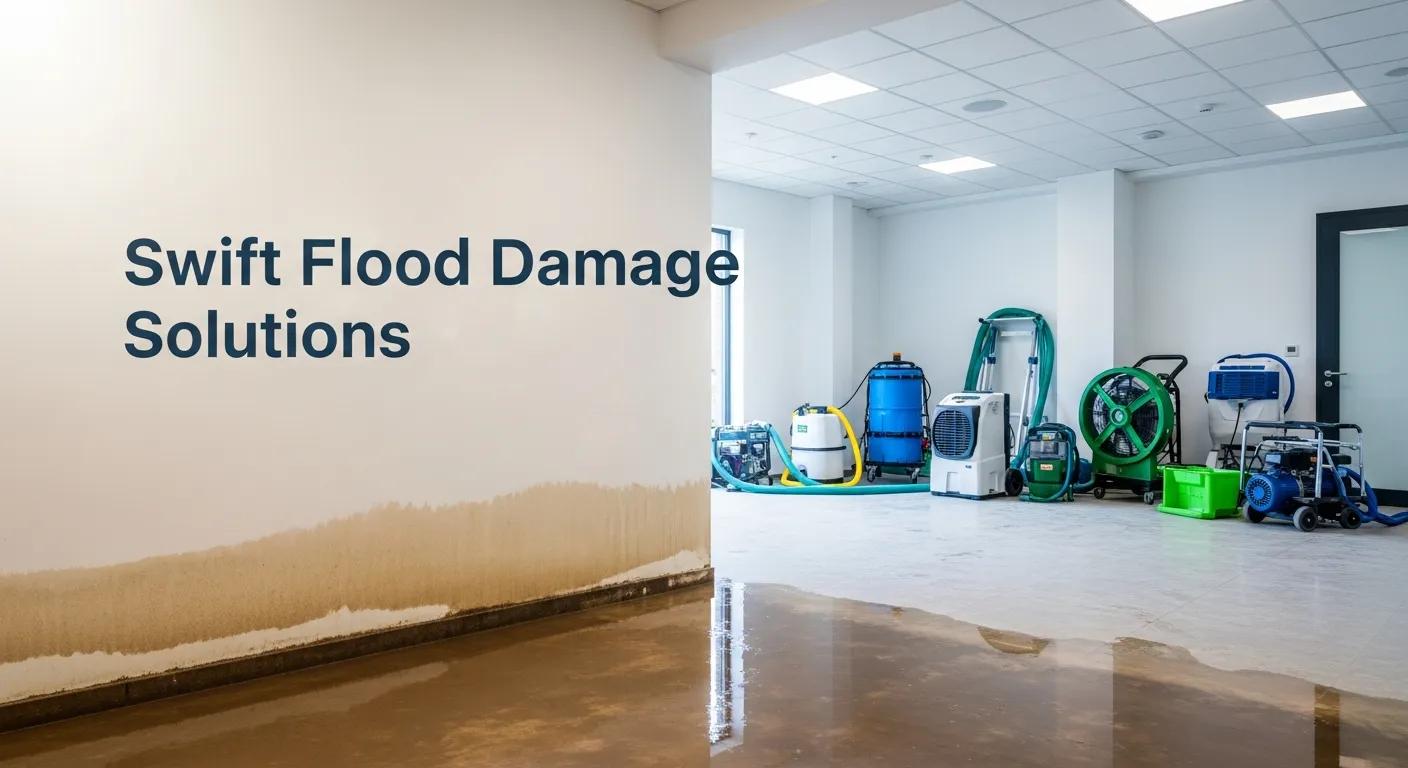
Immediate Steps for Effective Flood Damage Control
Swift Flood Damage Solutions
Flooding can leave homes and businesses with costly damage and a lot of stress. What you do in the hours and days after a flood matters—both for safety and for any future insurance claim. This guide gives clear, practical steps for immediate flood response: staying safe, documenting damage, working with professionals, and reducing long-term risk. Follow these steps to protect people, preserve property, and speed recovery.
Here’s what we cover: first safety actions after flooding, how to assess and document damage, how Adjustering supports recovery, emergency water removal and drying, navigating insurance claims, and how to prevent mold and future flood problems.
What Are the First Safety Measures to Take After Flooding?
Your immediate priority is the safety of everyone on the property. Floodwater brings hazards—from electrical shocks to contamination—so take cautious, deliberate steps.
- Identify Hazards: Look for downed power lines, unstable structures, gas leaks, and visibly contaminated water. If anything seems unsafe, leave the area and call professionals.
- Evacuation Procedures: Obey local evacuation notices and move to higher ground when required. Make sure all family members and pets are accounted for and have a safe place to stay.
- Protective Equipment: Wear PPE—gloves, boots, and masks—before entering affected areas to reduce exposure to contaminants and sharp debris.
How to Protect Your Family and Property from Flood Hazards
Keep everyone informed of the risks and your plan. Establish meeting points and safe routes, and only return when authorities say it’s safe. When you must enter flood-impacted spaces, use sturdy boots and gloves and avoid standing water near electrical sources.
What Personal Protective Equipment Is Essential During Flood Response?
- Rubber Boots: Protect feet from contaminated water, punctures, and debris.
- Gloves: Heavy-duty gloves help prevent skin exposure to hazardous materials.
- Masks: Use masks or respirators if there’s a risk of mold, dust, or other airborne contaminants.
Wearing the right PPE reduces injury and illness risk during cleanup and inspection.
How Do You Conduct an Initial Flood Damage Assessment and Documentation?
An initial assessment helps you understand damage, prioritize safety, and create a record for insurance. Document everything thoroughly—photos, notes, and dates matter.
A clear, documented assessment is essential, especially when insurance coverage can be limited or complicated.
Flood Damage Assessment & Insurance Gaps
A concise overview of flood damage assessment, the range of flood types and impacts, and an important note: standard homeowners insurance often excludes flood losses.
Flood damage assessments: Theory and evidence from the United States, L Bakkensen, 2020
- Assessment Techniques: Start with a visual walk-through—note structural damage, water lines, and which rooms and items were affected.
- Documentation Importance: Photograph every damaged area (wide and close-up), take written notes, and record water levels and timestamps to support claims.
- Temporary Repairs: Make short-term fixes to prevent more damage—cover broken windows, tarp roof leaks, and stop ongoing water entry when safe to do so.
Also check exterior systems—flooding can compromise roofing and siding, gutters, and foundations, which may require prompt attention.
What Are the Best Practices for Photographing and Listing Flood Damage?
- Photograph Everything: Take wide shots for context and close-ups of specific damage; include a ruler or object for scale when helpful.
- List Damaged Items: Make an inventory with descriptions, purchase dates if available, and estimated value.
- Date Stamps: Keep photos and documents time-stamped or retain metadata to show when the damage occurred and when you documented it.
Complete, time-stamped records make claims smoother and help you track recovery progress.
How to Perform Temporary Repairs to Prevent Further Damage
Quick temporary repairs can limit loss while you arrange permanent fixes. Safety first—only do what’s safe and legal.
- Board Up Windows: Secure broken windows and openings with plywood to prevent further water and debris entry.
- Seal Leaks: Use tarps or heavy plastic to cover holes and leaks until professional repairs can be scheduled.
- Remove Standing Water: Pump or bail out standing water when it’s safe to do so to reduce damage and mold risk.
These steps protect the property and preserve evidence for insurance.
How Can Adjustering Support You Immediately After Flood Damage?
Adjustering helps homeowners and business owners by connecting them with licensed public adjusters and trusted restoration partners. We coordinate resources so you can focus on safety and recovery—not paperwork and contractor searches.
- Adjustering's Services: We assist with insurance claim guidance, damage evaluation, and linking you to vetted restoration professionals.
- Benefits of Using Adjustering: Working with us helps maximize your insurance recovery and reduces the administrative burden after a loss.
- Coordination with Contractors: We connect you to screened contractors who can provide estimates, temporary protections, and full restorations.
How Does Adjustering Connect You with Licensed Public Adjusters and Restoration Experts?
We match you with licensed public adjusters and restoration pros who have handled flood claims before. The typical process includes:
- Initial Consultation: We assess your situation and identify immediate needs.
- Expert Matching: We pair you with a public adjuster experienced in flood claims and local restoration contractors.
- Ongoing Support: We stay involved as your claim progresses to help ensure fair and timely resolution.
These connections streamline recovery and give you experienced advocates during the claims process.
What Are the Benefits of Using Adjustering’s Coordinated Flood Damage Services?
- Maximized Compensation: Public adjusters work to ensure your claim reflects the full scope of covered loss.
- Stress Reduction: We handle coordination and paperwork so you can focus on family and property safety.
- Comprehensive Support: From initial assessment through final repair, we help keep every step organized and documented.
Professional support improves outcomes—and gives you confidence during a difficult time. For help, visit our contact page.
What Are the Emergency Water Removal and Structural Drying Steps?
Fast, effective water removal and drying limit damage and mold. The right sequence and equipment make a big difference.
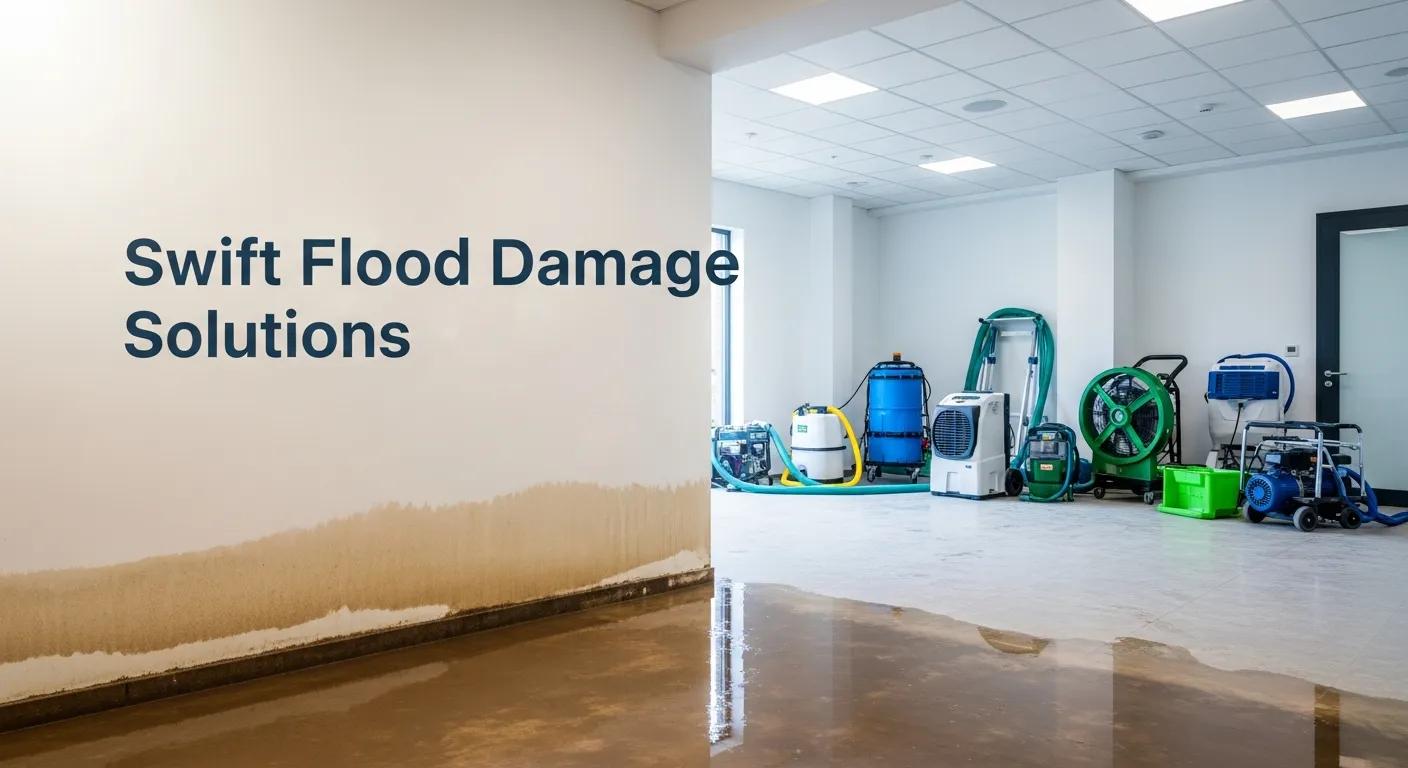
- Water Removal Techniques: Use pumps and commercial wet vacuums to remove standing water quickly and safely.
- Drying Methods: Deploy dehumidifiers and high-capacity air movers to dry structural materials and reduce humidity.
- Importance of Rapid Response: Acting fast helps prevent mold growth and reduces the chance of permanent structural damage.
Why Is Rapid Water Extraction Critical to Flood Damage Control?
- Prevention of Mold Growth: Mold can begin to grow within 24–48 hours in damp conditions, so speed matters.
- Structural Integrity: Prolonged moisture weakens wood, drywall, and insulation, increasing repair costs.
- Health Risks: Contaminated water can carry bacteria and chemicals—quick removal lowers exposure risk.
Prompt extraction and drying reduce long-term costs and health hazards.
Which Professional Equipment and Techniques Are Used for Structural Drying?
- Dehumidifiers: Commercial dehumidifiers remove moisture from the air to speed drying and prevent mold.
- Air Movers: High-volume fans circulate air across wet surfaces to accelerate evaporation.
- Infrared Cameras: Moisture-detecting cameras reveal hidden wet spots inside walls and floors.
These tools, used by experienced technicians, help return properties to safe, habitable condition. Learn more about our restoration services.
Research supports prompt, professional drying as a key step in avoiding permanent structural damage after water loss.
Immediate Drying & Structural Protection After Flood
Timely drying should begin as soon as it’s safe after water loss. Using dehumidifiers and targeted drying methods reduces the chance of long-term damage to structural elements.
Flood and building damages, M Maleki, 2022
How Do You Navigate Flood Damage Insurance Claims Effectively?
Insurance claims after flooding can be confusing. Knowing the steps and keeping detailed records improves your chances of a full settlement.
- Claim Process Overview: Review your policy, document the damage, and notify your insurer as soon as possible.
- Role of Public Adjusters: Public adjusters advocate for you, help size the loss correctly, and negotiate with the insurer on your behalf.
- Documentation Tips: Save photos, bids, receipts, and all communications to build a solid claim file.
What Role Does a Public Adjuster Play in Maximizing Your Insurance Payout?
Public adjusters represent the policyholder—not the insurer. Their work includes:
- Claim Evaluation: Determining the full scope of damage and advising on covered losses.
- Negotiation: Presenting documented costs and negotiating with the insurance company for a fair settlement.
- Expert Guidance: Guiding you through paperwork, estimates, and timing to strengthen your claim.
A skilled public adjuster can increase recovery and simplify the process.
How to Document Flood Damage for Accurate and Full Insurance Claims
Good documentation makes or breaks a claim. Use these practices:
- Detailed Records: Keep a complete folder of photos, notes, and receipts for every damaged area and item.
- Repair Estimates: Get multiple, licensed contractor estimates to show repair costs and scope.
- Communication Logs: Record dates and details of every call or message with your insurer and contractors.
Thorough records support accurate claim valuation and faster resolution.
What Are the Best Practices for Preventing Mold and Long-Term Flood Damage?
Long-term protection means stopping moisture, redirecting water away from the building, and addressing vulnerabilities early. Small investments now reduce future losses.
- Mold Prevention Techniques: Inspect regularly for leaks, maintain low indoor humidity, and dry wet materials quickly.
- Long-Term Mitigation Strategies: Install sump pumps, improve grading and drainage, and consider elevating critical systems.
- Health Risks of Mold: Mold exposure can cause respiratory issues and allergic reactions—treat suspected growth promptly.
How to Identify and Remediate Mold After Flooding
Address mold early and safely:
- Visual Inspections: Check for discoloration, musty odors, and damp spots in hidden areas.
- Testing: Use air or surface testing if mold is suspected but not visible to confirm issues.
- Professional Remediation: Hire qualified remediation contractors for extensive or hazardous mold problems.
Proper remediation keeps your space safe and reduces recurrence.
What Long-Term Mitigation Steps Can Reduce Future Flood Risks?
- Landscaping Adjustments: Regrade and add swales or rain gardens to move water away from foundations.
- Flood Barriers: Use removable barriers or shields on vulnerable entry points during storms.
- Community Resources: Connect with local floodplain managers and programs that offer guidance and grants for mitigation.
These improvements increase resilience and lower future repair costs.
Frequently Asked Questions
What Should I Do Immediately After a Flood?
First, ensure everyone is safe and follow official evacuation orders. Avoid standing water and downed power lines. Once authorities clear the area, document damage with photos and notes, and begin temporary protections where safe to do so. Contact your insurer and consider reaching out to Adjustering for help with claims and next steps.
How Can I Prevent Mold Growth After a Flood?
Dry affected areas as quickly as possible with pumps, fans, and dehumidifiers. Remove soaked porous materials like carpeting and drywall when contaminated. Monitor hidden spaces for moisture—mold can start within 24–48 hours— and hire professionals for remediation if growth appears extensive.
What Are the Key Steps in Filing a Flood Damage Insurance Claim?
Review your policy for coverage details, document all damage thoroughly, and notify your insurer promptly. Keep all estimates, receipts, and communication logs. If you want help maximizing your claim, work with a public adjuster who can represent your interests and negotiate on your behalf.
How Can I Ensure My Property Is Prepared for Future Floods?
Raise critical systems (electrical panels, appliances), install sump pumps and proper drainage, and regrade landscaping to divert water. Consider flood barriers for doors and low windows, and stay informed about local mitigation programs that can reduce risk and cost.
What Are the Health Risks Associated with Floodwaters?
Floodwater can contain sewage, chemicals, and bacteria that cause infections and gastrointestinal or respiratory illness. Avoid direct contact when possible, use PPE if you must enter flooded areas, and discard exposed food and water supplies that may be contaminated. Consult a medical professional if you have concerns about exposure.
What Should I Include in My Flood Damage Documentation?
Collect comprehensive evidence: date-stamped photos (wide and close-up), an itemized inventory of damaged property with values, contractor estimates, receipts for emergency repairs, and a log of all insurer and contractor communications. Complete documentation supports a stronger, faster claim outcome.
