Immediate Roof Inspection Services Near Me: Act Fast!
Emergency Roof Inspection — Why Acting Fast Protects Your Home or Business
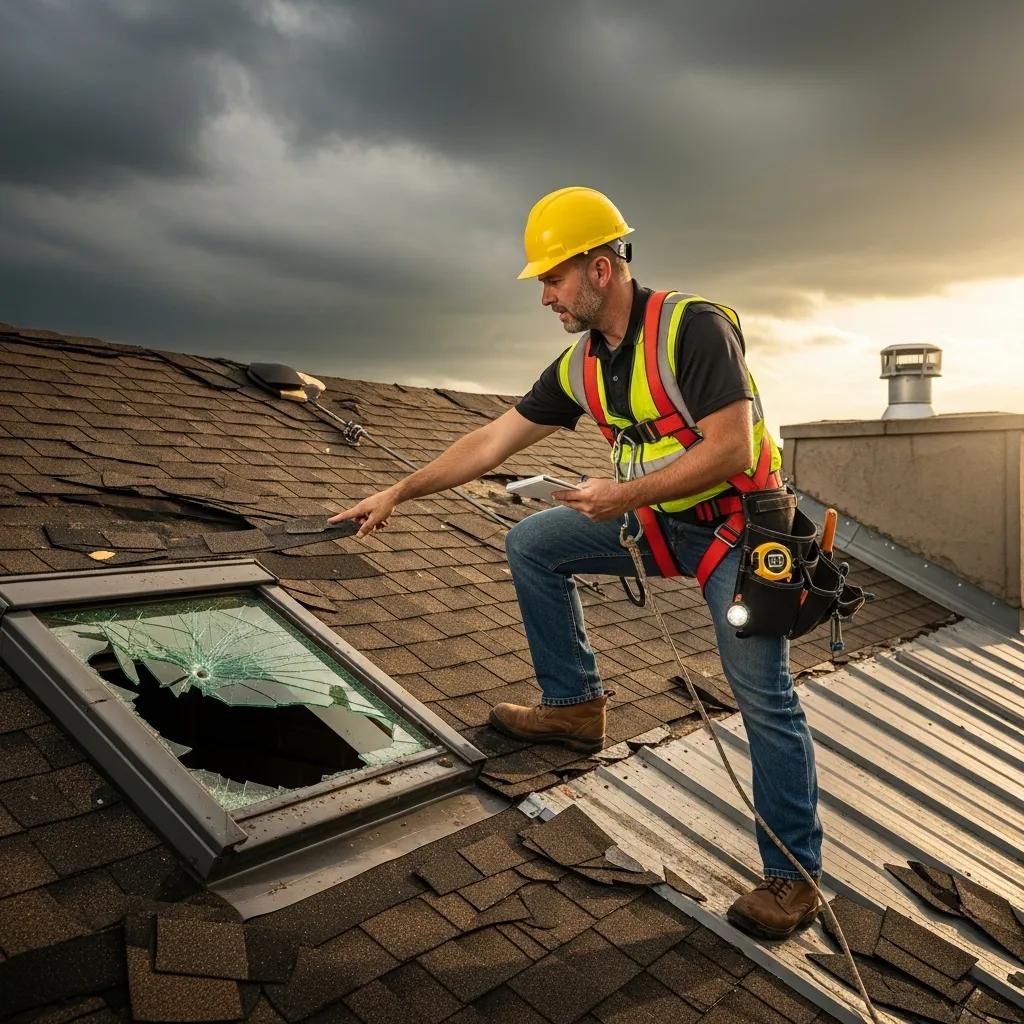
An emergency roof inspection is a targeted, time-sensitive review after a damaging event to find active leaks, structural hazards, and urgent repair needs that protect people, property, and your insurance claim. Acting quickly after wind, hail, fallen trees, fire, or sudden water intrusion limits secondary damage, preserves evidence, and improves the chance of a full insurance recovery. This article defines what qualifies as an emergency roof inspection, explains how response time affects your claim and repair scope, and shows how licensed public adjusters and vetted roofing contractors work together to restore properties. You’ll find practical checklists for immediate steps, documentation best practices, and temporary protections to reduce escalation while you wait for inspection. We also explain how Adjustering connects homeowners and business owners in the Philadelphia and New Jersey region with licensed public adjusters and local restoration experts to speed inspections and coordinate repairs. Knowing these points helps you stay safe, lower costs, and maximize insurance recovery after roof damage.
What Is an Emergency Roof Inspection and When Is It Needed?
An emergency roof inspection is a prioritized examination that focuses on immediate hazards and evidence-gathering after an event that threatens a roof’s integrity. Inspectors look for active water entry, compromised decking, displaced shingles, damaged flashing, and any conditions that could cause rapid secondary loss—like interior water intrusion or collapse. The goal is to identify safety risks, document causation for insurance, and recommend urgent mitigation such as tarping or temporary supports. The sections below explain common storm- and water-related triggers and the warning signs that mean you should request a fast inspection instead of waiting for a routine check.
How Does Storm or Water Damage Trigger Emergency Roof Inspections?

Storms and water events cause acute roof failures when wind lifts shingles, hail punctures surfaces, trees strike assemblies, or heavy rain exposes weak flashing and sealants. Those failures let moisture into attics and wall cavities within hours, accelerating rot, saturating insulation, and encouraging mold growth if not stopped. Inspectors search for punctures, torn underlayment, exposed decking, and displaced gutters because those conditions tie the damage to a specific weather event—a key part of insurance causation. Early mitigation can halt progression, so recognizing these triggers helps you decide to request an emergency inspection rather than a standard assessment.
Rainstorm Damage and Home Insurance — A Data‑Driven Analysis
On the occurrence of rainstorm damage based on home insurance and meteorological data — F. Clemens, 2015
What Are the Signs You Need a Fast Roof Inspection?
Request an emergency roof inspection when interior or exterior signs point to active damage or a safety risk after a storm or sudden event. Interior red flags include active leaks, new ceiling stains, bulging drywall, or wet insulation. Exterior signs include missing or curled shingles, visible decking, sagging rooflines, or damaged flashing around chimneys and vents. A practical step is to photograph interior stains and exterior damage with timestamps, note when the storm happened, and avoid entering the attic if the structure feels unstable—these observations strengthen insurance claims and help inspectors prioritize work. Spotting these signs quickly shortens the window for secondary damage and underscores why speed matters for both safety and your claim.
Why Is Timeliness Critical in Emergency Roof Inspections?
Timeliness matters because early inspections preserve physical evidence, limit water-driven secondary damage, and increase the likelihood of a complete insurance settlement. A quick assessment can stop small problems from cascading into structural rot, mold remediation, and larger interior repairs that multiply cost and disruption. Insurers consider causation and mitigation when evaluating claims, so documented prompt action usually leads to better outcomes than delayed or undocumented repairs. The sections below explain how prompt inspections strengthen claims and the specific risks that come from waiting.
Comparing prompt versus delayed inspections clarifies how timing changes risk, insurance outcomes, repair complexity, and cost exposure. The table below highlights practical differences property owners face when inspections happen quickly versus when they are delayed.
| Inspection Timing | Attribute | Typical Impact |
|---|---|---|
| Prompt inspection (within 24–72 hours) | Risk of secondary damage | Low — immediate mitigation reduces water intrusion and mold |
| Delayed inspection (days to weeks) | Insurance outcome | Higher chance of disputes or denial if damage looks like neglect |
| Partial or informal inspection | Repair complexity | Moderate — undocumented or incomplete checks can miss hidden damage |
Acting quickly preserves evidence and limits long‑term cost exposure. The next section explains how prompt inspections specifically support a full insurance payout.
How Does Prompt Inspection Maximize Insurance Claim Success?
Prompt inspections capture causation and mitigation with dated evidence—photo sequences and professional reports insurers use to validate claims. A timely report details the damage mechanism (wind, hail, impact) and connects visible failures to the triggering event, which helps prevent insurers from labeling losses as pre‑existing wear. Licensed public adjusters and experienced roofing inspectors provide line‑item estimates and photographic documentation that improve claim credibility and valuation. That documentation directly affects negotiations, increasing the chance of recovering enough to complete a full restoration instead of accepting a partial or denied payout.
What Risks Arise from Delayed Roof Inspections?
When inspections are delayed, moisture can spread into framing, insulation, and interior finishes, creating mold and hidden rot that require more extensive repairs and remediation. Financially, delayed discovery expands repair scope and raises out‑of‑pocket costs if an insurer argues the damage resulted from neglect rather than a covered event. There are also health risks—mold exposure can cause respiratory problems and complicate occupancy. Because these risks raise costs and complicate claims, rapid inspection and mitigation are essential to limit escalation and support a successful insurance outcome.
How Do Licensed Public Adjusters and Roofing Contractors Support Emergency Roof Inspections?
Licensed public adjusters and vetted roofing contractors have complementary roles in emergency roof inspections: adjusters document and negotiate the claim while contractors assess repair scope and perform mitigation. When they coordinate—often through joint inspections—they uncover concealed damage together and produce a unified repair estimate that aligns with insurance line items. This collaborative approach reduces overlooked items, speeds approvals, and improves the accuracy of scope‑of‑work documents. The next sections explain what each party does and how their work protects your claim.
What Role Do Public Adjusters Play in Insurance Claims for Roof Damage?
Public adjusters advocate for policyholders by preparing thorough loss evaluations, delivering detailed estimates, and negotiating with insurers for fair settlements. They document causation, gather photos and written evidence, and itemize repairs so insurers see the full scope rather than a narrowed view. Using licensed professionals familiar with local policy language and claims processes reduces stress for homeowners and increases the likelihood of an equitable payout. Adjusters often coordinate with contractors so repair proposals match the documented loss.
How Do Vetted Roofing Contractors Ensure Quality Repairs After Inspection?
Vetted roofing contractors turn inspection findings into accurate scopes of work, perform emergency measures like tarping, and complete code‑compliant repairs that restore long‑term roof integrity. Quality contractors provide clear, itemized estimates, handle permitting, and deliver workmanship standards insurers accept as credible. Their reliable execution reduces callbacks, prevents secondary failures, and helps close the claim when insurers reconcile payment to the actual repairs. Coordinated contractor‑adjuster workflows make sure the documented scope matches the work done during restoration.
How Does Adjustering Simplify the Emergency Roof Inspection and Claim Process?
Adjustering makes emergency roof inspections easier by connecting property owners to licensed public adjusters and vetted roofing and restoration contractors, offering end‑to‑end support from initial assessment through final repairs. We speed access to local experts across Philadelphia, Bucks, Montgomery, Chester, and Delaware counties, plus South and Central Jersey, so inspections and mitigation can begin quickly after damage occurs. Adjustering’s coordinated approach helps ensure no damage is overlooked, aligns adjuster reports with contractor scopes, and reduces confusion during the claims process. The table below summarizes roles and client benefits in this workflow.
| Role | Responsibility | Client Benefit |
|---|---|---|
| Public adjuster | Document loss and negotiate with insurer | Maximizes insurance payout and reduces administrative burden |
| Roofing contractor | Emergency tarping, repair estimates, restoration | Prevents secondary damage and provides code‑compliant repairs |
| Adjustering | Fast referral and coordination of local experts | Rapid matching, fewer delays, and end‑to‑end claim support |
This role‑based view shows how coordinated action preserves evidence and speeds restoration. The next sections describe Adjustering’s practical services and how local matching works.
What End-to-End Support Does Adjustering Provide for Property Damage Claims?
Adjustering offers a free referral service that connects clients with licensed public adjusters and vetted roofing, siding, and restoration contractors who collaborate through the full claim lifecycle. Our process includes triage guidance for documenting damage, fast referrals to qualified adjusters for professional claim preparation, and coordination with contractors to arrange emergency tarping and permanent repairs. By guiding clients through documentation steps, expected timelines, and the adjuster‑contractor workflow, Adjustering reduces confusion and provides a clear recovery plan. Typical outcomes include faster inspection scheduling, more complete damage inventories, and better alignment between insurer valuations and contractor scopes.
How Does Adjustering Match Clients with Local Experts Quickly?
Adjustering matches clients to partners using clear qualification criteria—licensed status, storm and water‑damage experience, local proximity, and verified references—to shorten wait times for inspections and emergency repairs. The process prioritizes immediate risks and nearby providers so an emergency tarping or inspection can happen fast, usually with contractors familiar with regional codes and insurance expectations. Our coverage across specific Pennsylvania counties and New Jersey regions ensures you get local expertise rather than distant contractors unfamiliar with area conditions. Faster matching reduces homeowner wait times, preserves evidence, and speeds the claims process.
What Are the Steps to Take Immediately After Roof Damage?
Immediate actions after roof damage protect safety, preserve claim evidence, and limit secondary loss while you wait for a professional emergency roof inspection. First, make sure occupants are safe and avoid entering structurally compromised areas. Second, document damage with timestamped photos and notes. Third, arrange temporary mitigation—like tarping—to stop active water entry. The checklist below gives a prioritized sequence to follow, followed by guidance on documentation and when to call for inspection and claims help.
- Prioritize safety: evacuate unsafe areas and address electrical hazards.
- Take timestamped photos and video, and add brief notes describing conditions.
- Place buckets or protective covers under active leaks and move valuables away from affected zones.
- Arrange emergency tarping and contact a licensed public adjuster or roofing professional promptly.
These steps stabilize the situation and create documentation for your claim. The table below shows who should perform each action and why the evidence matters to an insurer.
| Action | Who should perform it | Why it matters / Evidence needed |
|---|---|---|
| Ensure safety and stabilize | Occupants / emergency services | Protects life and provides incident timing for claims |
| Document damage (photos/videos) | Homeowner or occupant | Timestamped visuals preserve causation evidence |
| Temporary mitigation (tarping) | Licensed contractor | Prevents secondary water damage and is reimbursable if documented |
| Contact adjuster/inspector | Homeowner via referral or direct | Starts the claim process and secures professional documentation |
This checklist clarifies responsibilities and shows why quick action improves safety and insurance outcomes. The sections below explain documentation best practices and when to call inspection services.
How to Document Roof Damage for Insurance Claims?
Good documentation combines clear close‑ups, wider context shots, and organized records that tell the story of the event and resulting damage. Photograph close details—damaged shingles, flashing, vents, and exposed decking—then take wider images that show the roof area with surrounding property and debris. Include interior photos of stains, wet insulation, and affected contents. Keep a simple log with dates, times, weather conditions, and any witness statements, and save receipts for emergency purchases or temporary repairs. A professional inspection report amplifies this evidence with dated expert analysis that ties physical damage to a specific event, strengthening your claim.
When and How to Contact Emergency Roof Inspection Services?
Call for an emergency roof inspection as soon as you identify active leaks, visible structural damage, or safety hazards—ideally within 24–72 hours after the event to preserve evidence and limit secondary damage. Have your policy information ready along with timestamped photos, a short description of what happened, and any temporary mitigation already completed; that speeds triage and scheduling for adjusters and contractors. For major hazards—fallen trees, collapsed decking, or exposed wiring—call emergency services first, then request inspection and mitigation once it’s safe. Early contact begins the documentation chain insurers expect and positions you for a stronger claim outcome.
How Can You Prevent Further Damage While Waiting for Roof Inspection?
Temporary protections and safe interim steps slow damage progression while you wait for a formal inspection and permanent repairs. Emergency tarping, interior containment (moving furniture, covering valuables), and temporary boards can stop active water entry and protect contents, but document those measures with photos and receipts for insurance reimbursement. Limit DIY actions to safe, non‑structural steps—do not climb on unstable roofs or attempt structural repairs without a professional assessment. The sections below describe specific temporary measures and when emergency repair is necessary before full restoration.
What Temporary Measures Can Protect Your Roof After Storm Damage?

Temporary measures—professionally installed tarps, buckets and plastic coverings inside, and securing broken gutters—reduce immediate water entry and limit interior loss. Tarping by a licensed contractor prevents further intrusion while a full repair plan is prepared, and interior protections like moving furniture and elevating boxes protect contents. Photograph the temporary measures and keep invoices so insurers can verify mitigation steps. Safety is paramount: do not climb on wet or damaged roofing—use licensed professionals for rooftop mitigation when structural integrity is in question.
When Is Emergency Roof Repair Necessary Before Full Restoration?
Emergency roof repair is appropriate when active leaks threaten interior finishes, structural elements look unstable, or exposed openings could worsen the loss during subsequent weather. Temporary repairs that stop active water entry, stabilize compromised decking, or protect damaged penetrations typically qualify as emergency work—invoice and photograph those efforts for insurance reimbursement. Coordinate emergency actions with a public adjuster and your restoration contractor so temporary measures are documented and rolled into the full repair scope. Taking necessary emergency steps preserves property and strengthens the documentation needed for a full payout.
Frequently Asked Questions
What should I do immediately after discovering roof damage?
After you find roof damage, put safety first: evacuate unsafe areas and address electrical hazards. Document the damage with timestamped photos and notes, and place buckets under active leaks to limit interior damage. If possible, arrange emergency tarping to stop further water intrusion. Contact a licensed public adjuster or roofing professional right away to start the claims process. These immediate actions stabilize the situation and create the documentation insurers expect.
How can I ensure my insurance claim is successful?
To improve your claim’s chances, document everything with clear, timestamped photos and detailed notes. Hire a licensed public adjuster to prepare a comprehensive loss evaluation and negotiate with your insurer. Keep receipts for temporary repairs and emergency purchases. A professional inspection report that links damage to a specific event will further strengthen your case and reduce the risk insurers place blame on pre‑existing conditions.
What are the potential health risks associated with delayed roof inspections?
Delaying inspections can let moisture accumulate, which encourages mold growth and hidden rot. Those conditions increase the risk of respiratory issues and allergic reactions, and prolonged mold exposure can make spaces unsafe to occupy. Acting quickly to inspect and mitigate damage reduces health risks and the need for costly remediation.
How do I choose the right roofing contractor for emergency repairs?
Choose licensed contractors with experience in storm and water damage. Check references and online reviews to confirm a track record of quality work. Prefer contractors familiar with local building codes and insurance processes. A vetted contractor will provide clear, itemized estimates, perform necessary emergency measures, and ensure repairs meet industry standards—important both for safety and for your claim.
What documentation is necessary for an insurance claim after roof damage?
Essential documentation includes timestamped photos, detailed notes about the conditions, and any witness statements. Keep a log of dates, times, and weather related to the damage, and save receipts for emergency repairs or temporary measures like tarping. A professional inspection report adds expert, dated analysis that ties the damage to the event—strengthening your claim with the insurer.
What are the benefits of using a public adjuster for my roof damage claim?
Hiring a public adjuster gives you expert guidance and advocacy through the claims process. Adjusters prepare full loss evaluations, document damage thoroughly, and negotiate with insurers on your behalf. Their knowledge of local policy language and claims procedures reduces stress and helps ensure all aspects of your claim are properly represented—improving the likelihood of a fair, complete payout.
