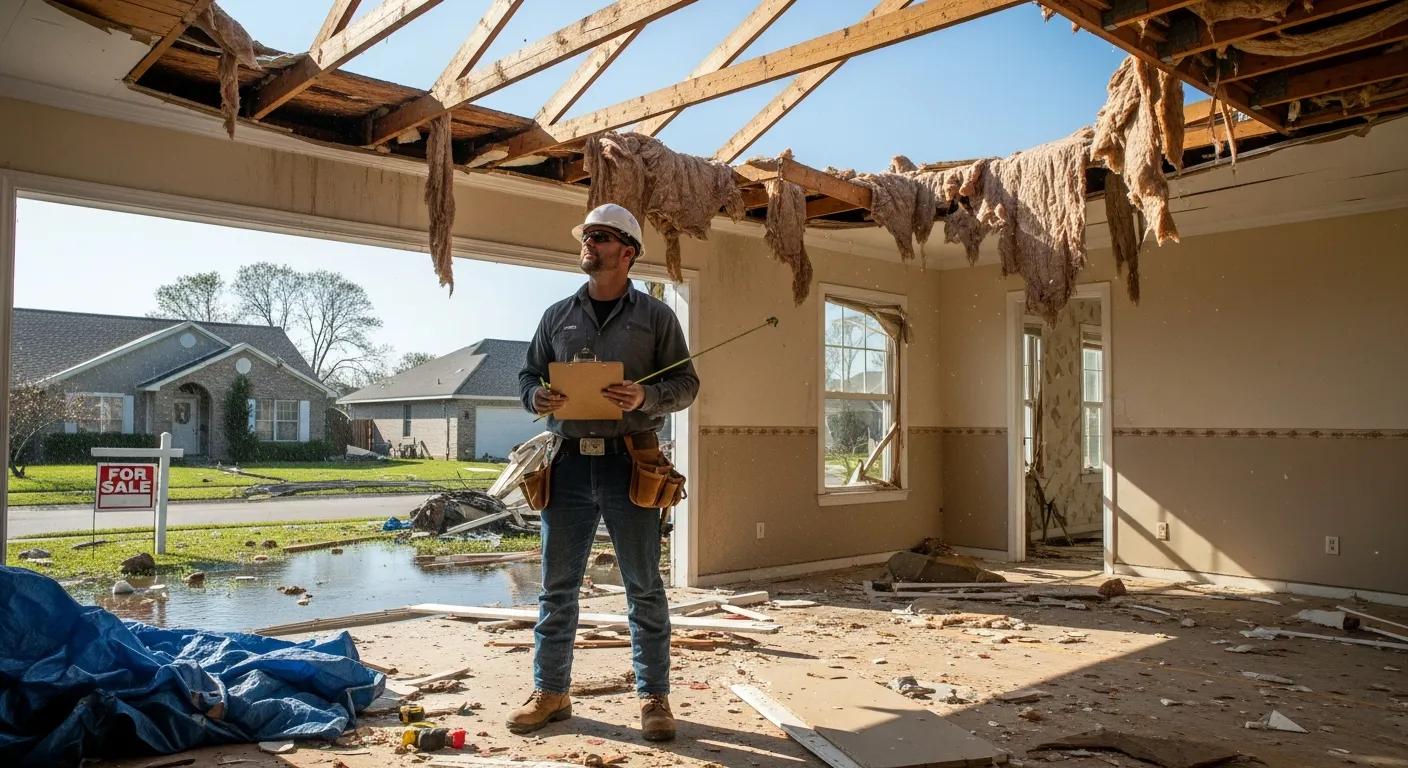
How to Navigate Your Storm Damage Repair Process
How to Navigate Your Storm Damage Repair Process
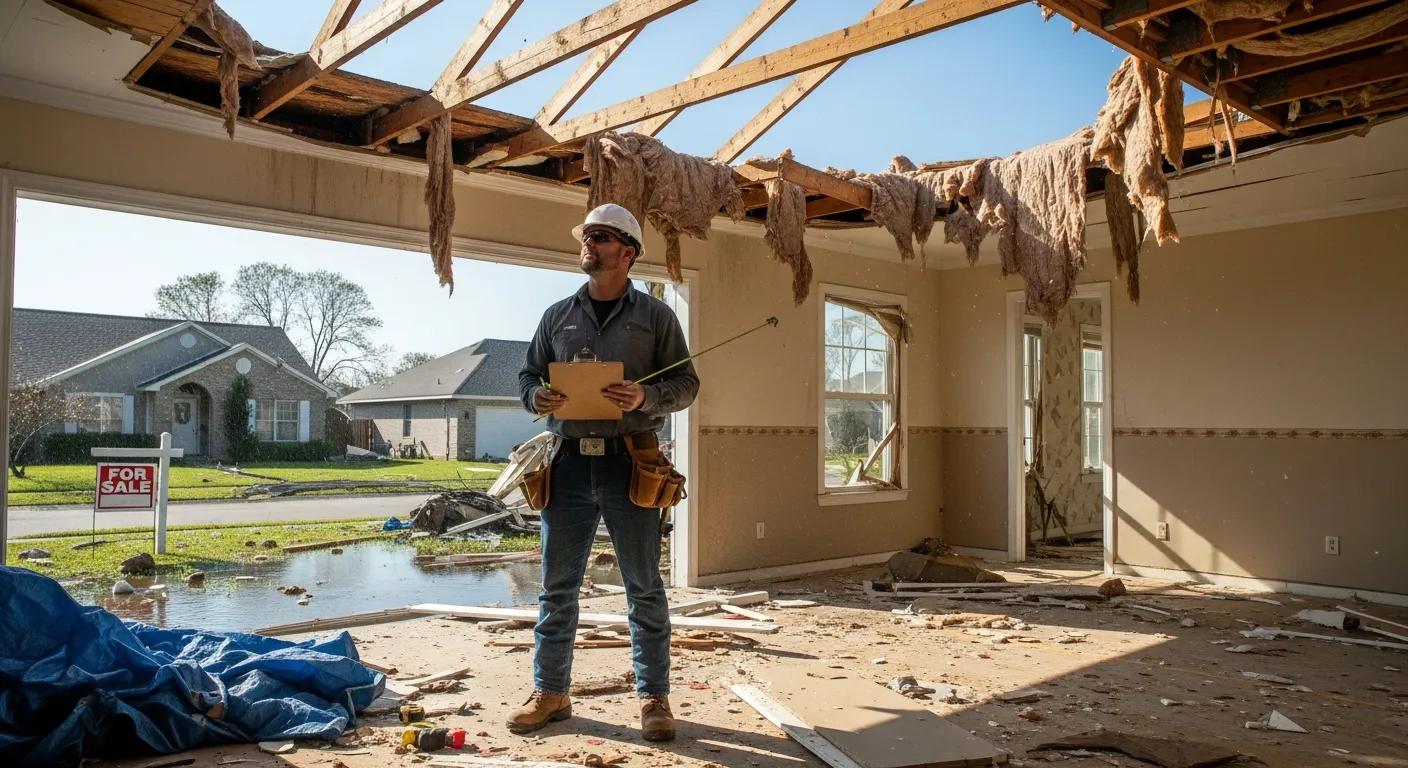
Storm damage repair can be complex for homeowners and business owners. Knowing the necessary steps helps you act quickly, reduce further loss, and handle insurance claims effectively. This guide explains immediate post-storm actions, the restoration stages, how to file insurance claims, and practical best practices to streamline repairs and support recovery of insurance proceeds.
Comprehensive Guide for Homeowners on Navigating the Storm Damage Repair Process
The repair process restores property and protects occupants. Prompt action limits additional damage and starts the repair workflow sooner. Understanding that workflow helps property owners coordinate contractors and insurers. Insurance coverage can significantly offset repair costs; knowing your policy provisions supports better decisions and smoother coordination with restoration professionals.
Immediate Actions After Storm Damage
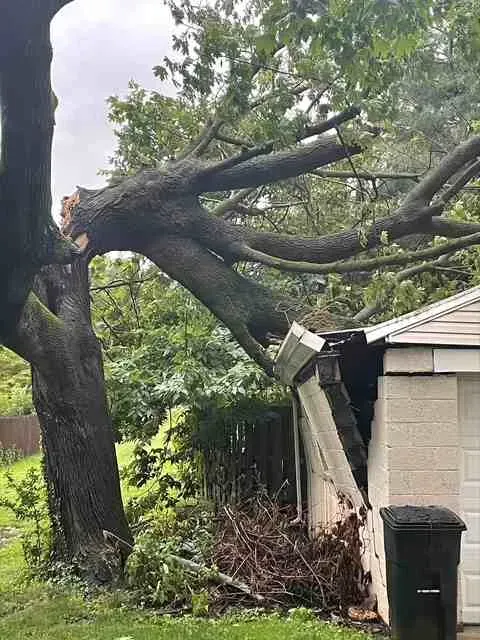
After a storm, take actions to protect people and limit property loss. Complete these steps without delay:
- Ensure Safety: Before entering your property, check for hazards such as downed power lines or structural damage. Prioritise your safety and that of your family.
- Document Damage: Photograph and video the damage for insurance purposes. Clear, time-stamped records are essential when filing a claim.
- Contact Professionals: Call restoration professionals to assess damage and begin temporary or permanent repairs. Early intervention can prevent secondary damage.
These initial actions create a controlled recovery baseline and ready the property for the restoration phase.
Restoration Steps
Restoration follows defined stages that return a property to its pre-storm condition. The core stages are:
- Emergency Assessment: A professional inspects the property to determine immediate needs and overall damage.
- Documentation for Insurance: Collect photographs, inventories, and repair estimates to support your claim.
- Final Inspection: After repairs, a final inspection verifies work quality and compliance with safety standards.
Following these stages helps achieve a satisfactory restoration and supports insurance claim settlement.
Filing Insurance Claims
To file a claim after storm damage, follow these standard steps:
- Notify Insurer Promptly: Report the damage to your insurance company as soon as possible; delays may affect coverage.
- Gather Necessary Documentation: Compile your policy, damage photos, repair estimates, and any receipts for emergency repairs.
- Consider Hiring a Public Adjuster: Engaging a "public adjuster" can help ensure damages are accurately documented and valued, which may improve settlement outcomes.
Following these procedures increases the chance of a timely and accurate claims resolution and supports recovery of eligible compensation under your policy.
Adjustering is a specialised "public adjusting firm" that focuses on storm damage restoration and insurance claim advocacy. Their services assist homeowners and businesses in navigating restoration and claims handling.
Key Considerations
Several factors can materially influence repair and claims outcomes:
Empirical research underscores the significance of factors that influence homeowners' insurance purchasing decisions, particularly for storm‑related perils.
Homeowner Insurance Decisions for Storm Damage
Understanding when and why homeowners purchase insurance is essential to an effective market for hurricane wind and flood losses. This study analyses survey data from North Carolina homeowners and develops separate mixed logit models for flood and wind insurance purchase decisions. It uses stated‑preference data to isolate the influence of premium, deductible, risk, and coverage limits, addressing limitations of revealed‑preference approaches in which these effects are difficult to separate.
Homeowner purchase of insurance for hurricane-induced wind and flood damage, D Wang, 2017
- Understanding Your Policy: Read your policy to know what is covered and which exclusions or limits apply.
- Preventing Future Damage: Take proactive steps—regular maintenance, inspections, and targeted upgrades—to reduce future storm vulnerability.
- Choosing Qualified Professionals: Work with licensed, experienced contractors to ensure repairs meet codes and quality expectations.
Being aware of these factors reduces common errors and supports a more efficient recovery.
Best Practices
Adopt established practices to strengthen recovery and ensure compliance:
- Act Quickly: Prompt action prevents further damage and speeds the repair process.
- Document Everything: Keep detailed records of communications, contracts, receipts, and repair photographs.
- Coordinate Efforts: Maintain open communication with your insurance adjuster and restoration professionals to avoid misunderstandings.
These practices facilitate an orderly repair process and increase the likelihood of a full recovery.
For assistance with roofing or siding after a storm, contact "Adjustering's roofing and siding services" for professional support.
For comprehensive support during restoration, including claims handling, contact "Adjustering". They can guide you through each stage to promote an efficient recovery.
Frequently Asked Questions
What should I do if I discover additional damage after repairs have started?
Document any additional damage immediately with photographs. Notify your contractor and your insurance adjuster so they can reassess the repair plan and amend the claim if needed. Keep written records of all communications to ensure the newly discovered damage is properly addressed.
How can I prevent future storm damage to my property?
Preventive measures include routine maintenance of the roof, gutters, and landscaping. Install storm shutters or impact‑resistant windows where appropriate and ensure grading directs water away from the foundation. Schedule periodic inspections and make timely upgrades to reduce risk.
What types of insurance coverage should I consider for storm damage?
Consider windstorm, hail, and flood coverage. Standard homeowners policies may exclude flood damage, so review your policy and consult your agent to obtain coverage that matches your location and risk profile.
How long does the storm damage repair process typically take?
Timelines depend on damage severity, repair scope, and contractor availability. Minor repairs may finish in days; extensive restoration can take weeks or months. Weather and supply constraints can also affect schedules. Stay in regular contact with your contractor for updates.
What should I look for when hiring a contractor for storm damage repairs?
Choose contractors with proven storm-restoration experience. Verify licensure, insurance, and references. Get multiple written estimates to compare scope and cost, and prefer contractors who provide clear contracts and maintain open communication.
Can I handle storm damage repairs myself?
Minor repairs may be suitable for capable homeowners, but major storm repairs should be done by licensed professionals. Contractors have the training and equipment to perform safe, code‑compliant work. Attempting extensive repairs without proper qualifications can create safety hazards and jeopardise insurance coverage. Consult a professional when unsure.
What role does a public adjuster play in the storm damage claims process?
A public adjuster represents the policyholder. They inspect damage, prepare documentation, and negotiate with the insurer to pursue an appropriate settlement. Hiring a public adjuster can be helpful for complex claims or when the policyholder cannot manage the process alone.
