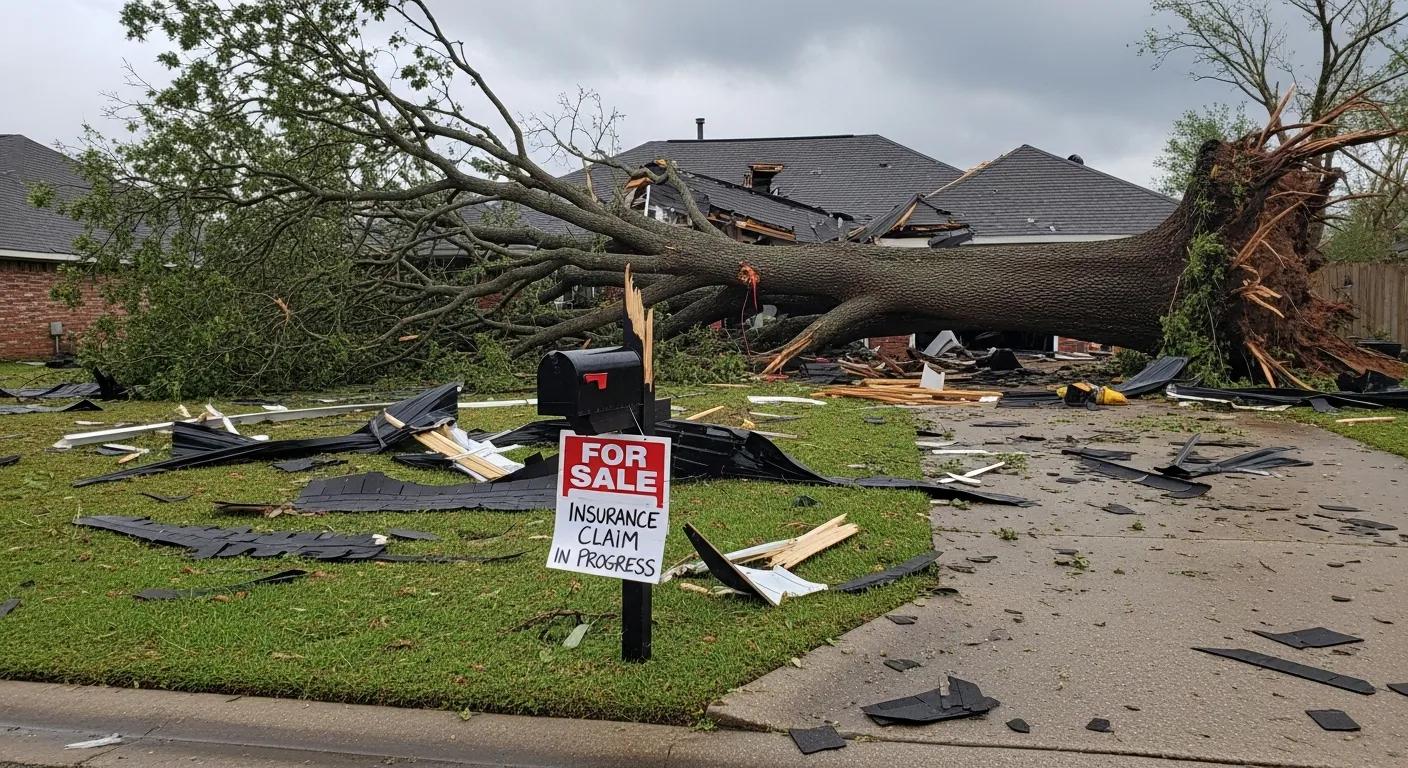
How to Maximize Your Storm Damage Payout
How to Maximize Your Storm Damage Insurance Claim Payout
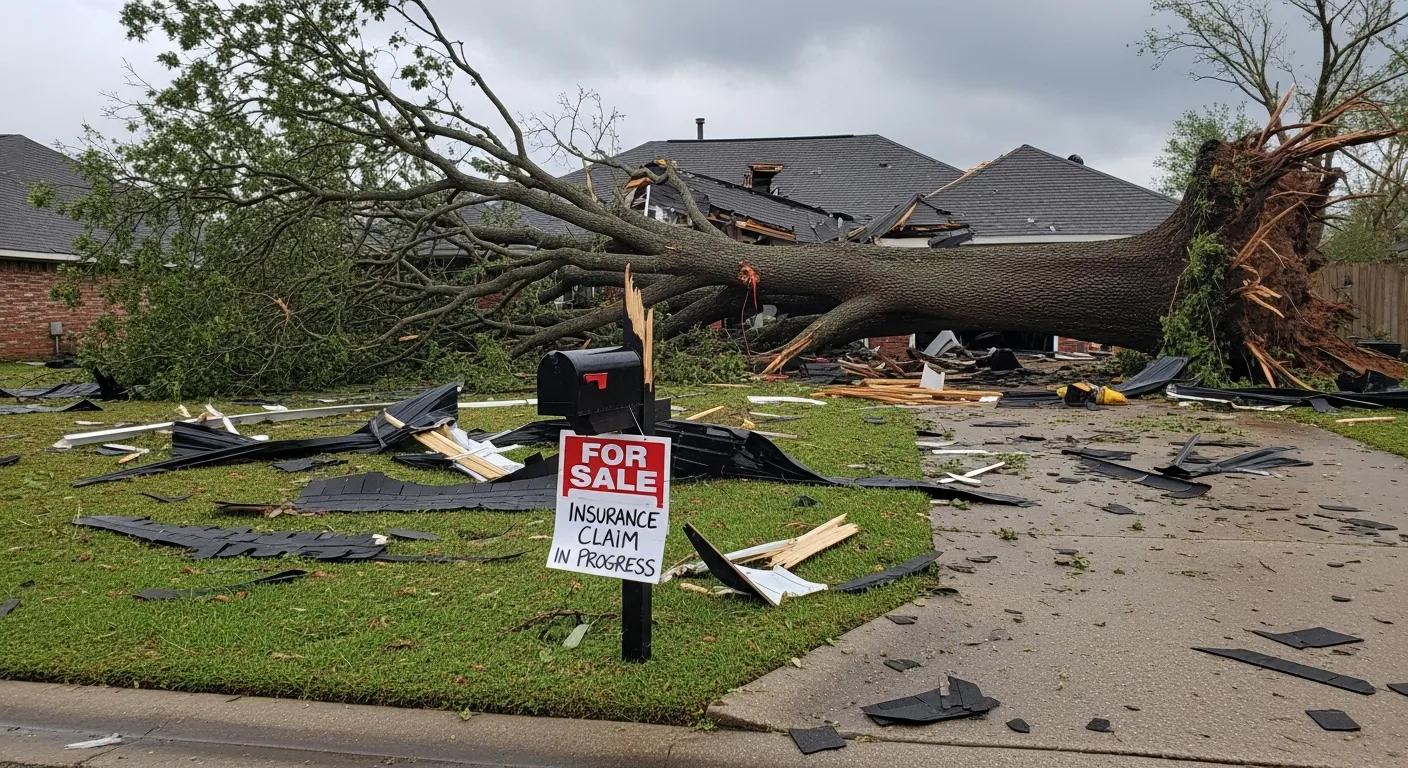
Storm damage claims require deliberate, timely steps and accurate evidence to secure full recovery. This guide summarizes immediate actions, required records, and how a public adjuster can strengthen your claim while identifying frequent mistakes to avoid.
Effective Strategies
Maximizing a payout hinges on prompt mitigation, clear documentation, and using qualified professionals to support a complete and credible claim.
Immediate Action
After a storm, secure people and property, note hazards (for example, downed power lines), and take reasonable steps to prevent further damage. Acting promptly reduces additional loss and shows insurers you managed risk responsibly.
Thorough Documentation
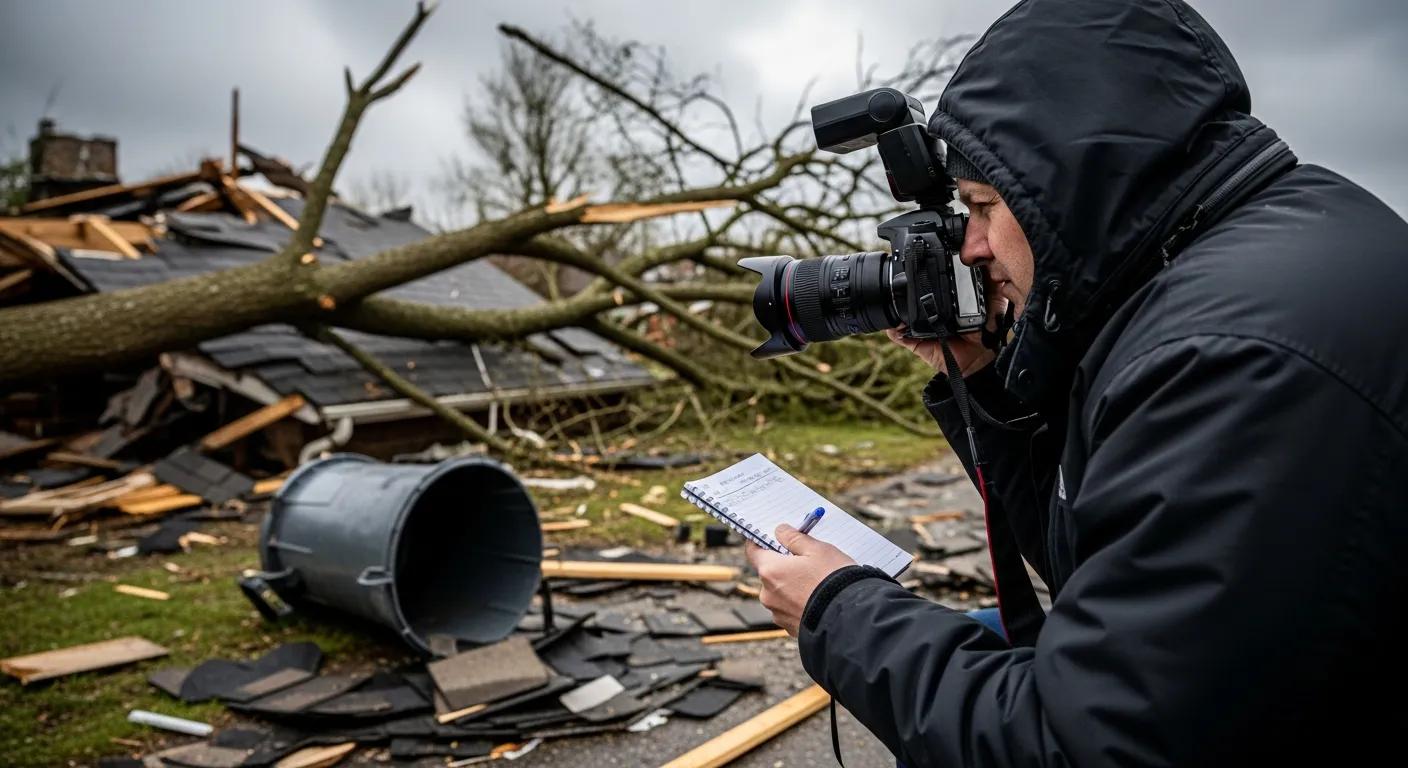
Take clear photos and video of all damaged areas, and prepare an itemized inventory. Time-stamped, high-quality images and a concise inventory create the primary evidentiary record for the adjuster.
Professional Inspections
Obtain written inspection reports from licensed contractors that describe repairs and costs. Professional estimates provide objective support for repair amounts and help in negotiations.
Engage a Public Adjuster
Public adjusters represent the policyholder, assemble evidence, and negotiate with insurers. Engaging a public adjuster can improve the completeness and valuation of your claim.
Timely Notification
Notify your insurer promptly—many policies require near-immediate reporting. Early notice preserves coverage and avoids procedural issues that can delay or jeopardize payment.
Necessary Documentation
Essential documents include the completed claim form, photos and video, inspection reports, and repair estimates. These items validate the loss and quantify the claim.
| Document Type | Description | Importance |
|---|---|---|
| Claim Form | Official document to initiate the claim process | Essential for starting the claim |
| Photographs | Visual evidence of the damage | Supports the extent of the claim |
| Inspection Reports | Professional assessments of damage | Provides expert validation |
| Repair Estimates | Cost estimates for necessary repairs | Justifies the claim amount |
Keep these records organized and accessible to speed review and respond quickly to insurer requests.
Common Pitfalls to Avoid
Avoid mistakes that weaken claims: delay, poor documentation, and neglecting policy details.
- Delaying Action: Prompt mitigation and reporting prevent compounding damage.
- Inadequate Documentation: Incomplete photos, missing receipts, or no inventory often lead to lower settlements.
- Ignoring Policy Details: Know your coverages, limits, and any required timelines to avoid surprises.
Addressing these items early keeps the claim process orderly and defensible.
What Is the Storm Damage Insurance Claim Process and How Does It Work?
The claim process follows stages that ensure the loss is reported, documented, assessed, and settled. Understanding each stage helps you submit complete evidence.
- Report the Damage: Notify your insurer promptly.
- Document the Damage: Collect photos, video, and inventories.
- Insurance Adjuster Assessment: An adjuster inspects and evaluates loss.
- Claim Settlement: Review and negotiate the insurer’s offer.
Following these steps increases the likelihood of a fair resolution under your policy terms.
Key Steps Involved
Adopt these core steps to support a stronger claim:
- Ensure Safety: Protect people and limit further damage.
- Document Everything: Capture images, video, and inventories immediately.
- Notify Your Insurer: Report according to your policy’s timeframe.
- Engage Professionals: Use licensed contractors and consider a public adjuster.
These actions improve assessment accuracy and the prospects for a complete settlement.
Tips for Maximizing Your Claim Payout
Use these practical measures to strengthen your position:
- Work with a Public Adjuster: They help present and negotiate the claim.
- Understand Your Policy: Know covered perils, limits, and deductibles.
- Keep Detailed Records: Log communications, receipts, and repair actions.
Systematic preparation reduces disputes and supports full recovery of covered losses.
How Do Insurance Companies Evaluate Storm Damage Claims?
Insurers assess causation, visible and hidden damage, and the quality of submitted documentation. Preparing evidence for these criteria strengthens your claim.
- Visible Damage Assessment: Inspectors note observable harm.
- Hidden Damage Investigation: Insurers consider concealed or progressive damage.
- Documentation Review: Complete, organized records carry weight in valuation.
Address each evaluation point with clear, corroborating evidence.
How Can Public Adjusters Maximize Your Storm Damage Claim Payout?
Public adjusters advocate for you, document losses, and negotiate with insurers to pursue accurate settlements.
- Comprehensive Damage Assessment: Thorough evaluations that capture visible and concealed losses.
- Negotiation with Insurers: Advocate for appropriate valuation based on the evidence.
- Expert Documentation: Organize reports, inventories, and estimates for submission.
Using a public adjuster can increase the likelihood the settlement reflects the full recoverable loss.
What Roles and Benefits Do Public Adjusters Provide to Policyholders?
Public adjusters streamline claims, prepare detailed documentation, and negotiate to pursue fairer settlements.
- Detailed Documentation: Prepare comprehensive, insurer-ready records.
- Streamlined Claims Process: Navigate procedures and deadlines efficiently.
- Higher Settlements: Professional negotiation often improves outcomes.
Their assistance helps compile a complete claim file and pursue equitable compensation.
How Does a Public Adjuster Assist in Claim Negotiation and Documentation?
Public adjusters inspect damage, assemble the claim package, and represent the policyholder during settlement discussions.
- Inspection and Documentation: Produce detailed inspection reports and photo records.
- Preparation of Claim Package: Compile estimates, receipts, and inventories.
- Negotiation with Insurers: Present the evidence and negotiate settlement terms.
Their involvement often yields a more accurate valuation and a fairer resolution.
What Are Essential Documentation Tips for Supporting Your Storm Damage Claim?
Follow these practical documentation practices:
- Take Clear Photos: Capture multiple angles and context shots.
- Create an Inventory: List damaged items with brief descriptions and values.
- Organize Records: Keep documents, receipts, and communications in one place.
Consistent recordkeeping reduces disputes and speeds claim resolution.
Which Types of Evidence and Records Are Required for Effective Claim Support?
Gather multiple evidence types to document and quantify repairs:
- Photographs and Videos: Time-stamped visual evidence of damage.
- Inventory of Damaged Property: Itemized list of affected possessions and values.
- Contractor Estimates: Professional repair estimates and scopes of work.
Organize these records to present a cohesive, credible claim file.
How Can Proper Documentation Prevent Claim Denials and Underpayments?
Complete documentation addresses insurer questions and shows the full extent of loss, reducing denials and underpayment risk.
- Detailed Photos and Videos: Demonstrate damage clearly.
- Receipts for Temporary Repairs: Support expenses paid to mitigate further loss.
- Organized Records: Easy access to records prevents omissions.
Well-kept evidence mitigates procedural objections and supports full recovery where covered.
How Do Storm Damage Restoration Services Coordinate with Insurance Claims?
Restoration providers often work with adjusters and public adjusters to document damage and perform recoveries efficiently.
- Initial Assessment of Damage: Rapid assessments to define scope and priorities.
- Engagement of Public Adjusters: Coordinate documentation and estimates.
- Documentation and Filing Claims: Assist in preparing claim materials for insurers.
This coordination can accelerate repairs and simplify claim settlement.
What Restoration Services Are Covered Under Storm Damage Insurance Claims?
Policies usually cover restoration services required to return the property to pre-loss condition, subject to policy terms.
- Emergency Mitigation Services: Actions to prevent further damage immediately after loss.
- Roofing and Siding Repair: Structural repairs to envelope components.
- Water Extraction and Drying: Services to remediate water intrusion and reduce mold risk.
Confirm policy provisions for specific coverage, limits, and exclusions.
How Does Coordinating Restoration and Insurance Adjusters Optimize Claim Outcomes?
Early collaboration among restoration teams, adjusters, and public adjusters supports accurate valuation and efficient repair planning.
- Engaging a Public Adjuster Early: Early advocacy clarifies scope and documentation needs.
- Joint Inspections: Coordinated inspections reduce disputes over scope.
- Negotiation with Insurers: Unified presentation of evidence supports fair settlements.
Collaboration enhances documentation accuracy and settlement prospects.
When addressing storm damage, understand the role of storm damage restoration, which limits additional loss and helps restore property to pre-storm condition.
Similarly, recognise the role of adjusters—their technical knowledge and process experience can materially affect claim outcomes.
If roofing or siding repairs are needed, review available roofing and siding services promptly; timely repairs protect property and preserve claim viability.
If you have questions or need assistance, contact us through the provided channel for guidance on procedural requirements and documentation standards.
Consider engaging Adjustering to help manage your claim process and to support compliance with insurer requirements toward an optimized settlement within your policy terms.
Frequently Asked Questions
What should I do immediately after a storm to prepare for an insurance claim?
Prioritize safety, document hazards and damage with clear photos and video, and create an inventory of affected items. Notify your insurer promptly to preserve rights under your policy.
How can I ensure my insurance claim is not underpaid?
Assemble complete documentation—quality photos, receipts for emergency repairs, contractor estimates, and a detailed inventory. Keep all correspondence and consider a public adjuster to present and negotiate the claim.
What types of storm damage restoration services are typically covered by insurance?
Policies commonly cover emergency mitigation, roofing and siding repair, and water extraction and drying, subject to limits and exclusions in your policy.
How can I effectively communicate with my insurance adjuster?
Provide concise, organized documentation, keep written records of communications, and consider letting a public adjuster manage interactions to ensure complete information is submitted.
What are the benefits of hiring a public adjuster for my storm damage claim?
Public adjusters assess damage, prepare documentation, and negotiate settlements on your behalf, often improving settlement amounts and reducing procedural errors.
How can I prepare for an insurance adjuster's visit?
Gather photos, estimates, receipts, and a detailed inventory of damaged items. Be ready to describe the loss circumstances and any temporary repairs performed to help the adjuster complete their assessment.
What should I do if my claim is denied or underpaid?
Review the insurer’s explanation, submit additional evidence if available, and use the insurer’s appeal procedures. Consider consulting a public adjuster or an attorney experienced in insurance claims to evaluate options and pursue resolution consistent with your policy.
