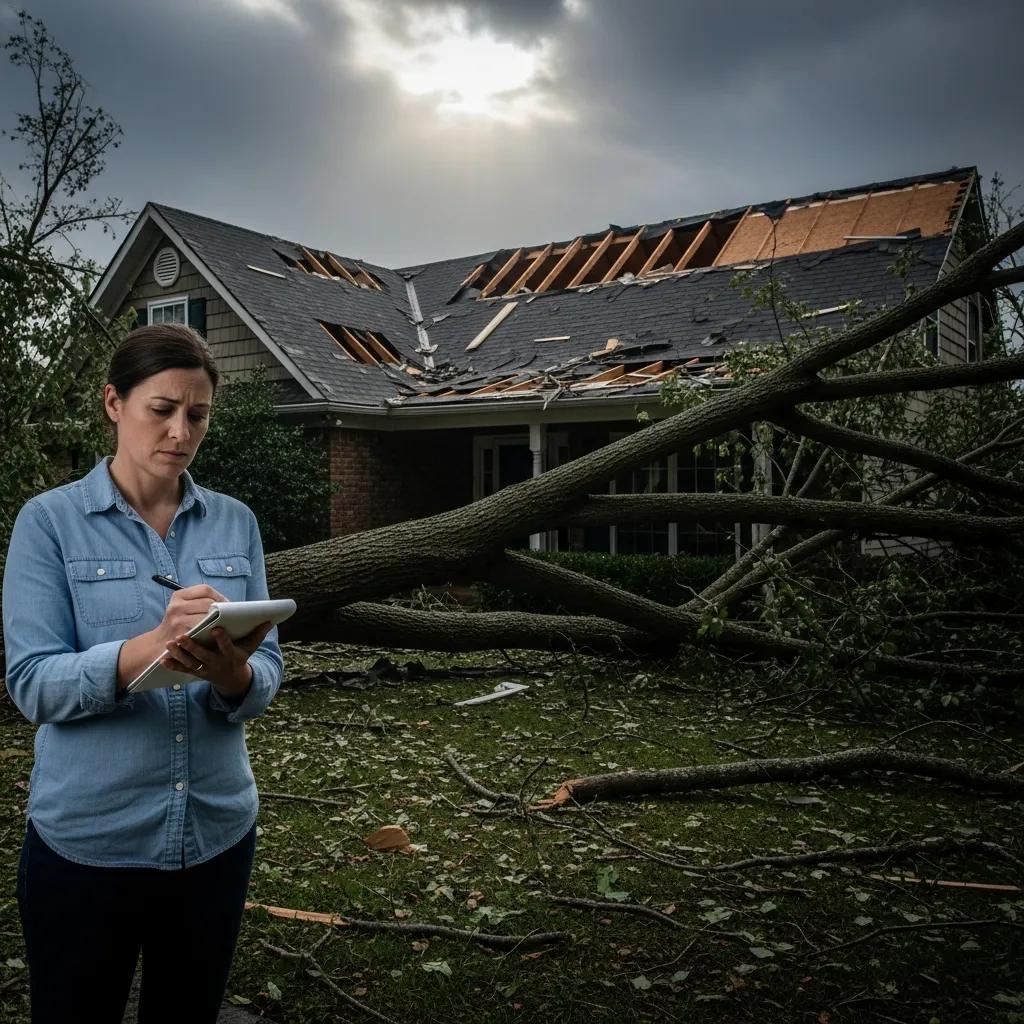
How to File a Property Damage Insurance Claim Step by Step
How to File a Property Damage Insurance Claim: A Practical, Step‑by‑Step Guide
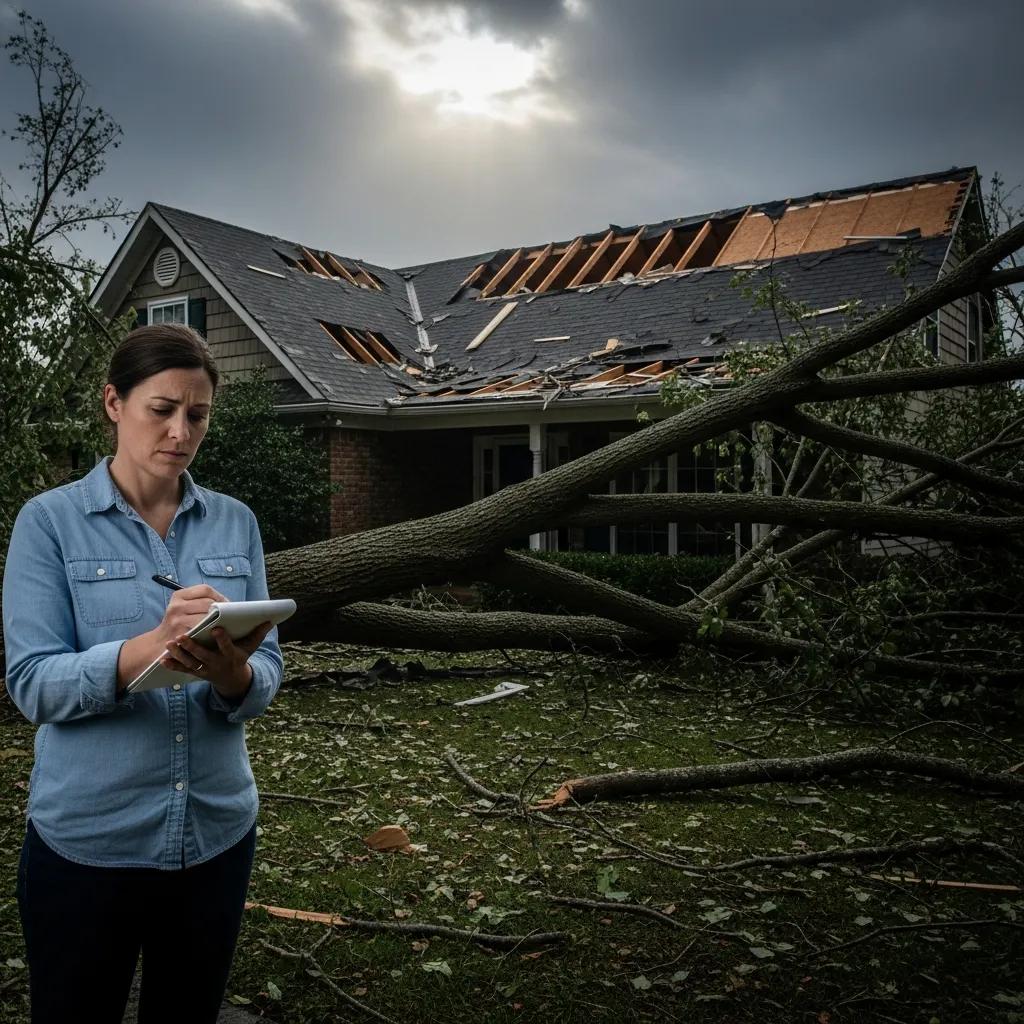
If your property suffered damage from a storm, fire, roof failure, siding impact, or water intrusion, this guide walks you through filing a property damage insurance claim and pursuing full compensation. You’ll get clear safety steps to take right away, a method for documenting damage that holds up to scrutiny, a list of the documents insurers expect, and a practical timeline for each stage of the claim. We also cover storm- and water‑specific issues, what to expect during the insurer’s inspection, and how public adjusters can help if a claim is denied or underpaid. Each major section includes checklists, quick-reference lists crafted for featured snippets, and straightforward tables that clarify required documents, deadlines, and professional roles. Follow this workflow from immediate preservation through negotiation and repair so you can file your claim with confidence and fewer surprises.
What Are the Initial Steps to Take After Property Damage Occurs?
Right after damage happens, focus on keeping people safe, stopping further loss, and preserving evidence you’ll need for your claim. Protecting occupants reduces risk and potential liability, while temporary fixes—like tarping a damaged roof—help prevent the insurer from arguing you didn’t act to limit damage. Quick documentation of visible and hidden issues builds a timeline that strengthens your claim. Below is a short, actionable checklist, followed by practical tips for documenting damage and notifying your insurer.
Use this short checklist to act quickly and protect your claim:
- Ensure safety first: Leave the property if there are structural risks, gas leaks, or other hazards.
- Mitigate obvious risks: Do temporary repairs—tarping, boarding, or stopping leaks—and keep receipts.
- Document everything: Take photos and video with timestamps and write quick notes about what you see.
- Notify your insurer promptly: Report the loss, get a claim number, and record the details you shared.
- Call professionals if needed: Contact licensed contractors or a public adjuster for large or complicated losses.
This sequence protects people and property while creating the evidence insurers expect. The next section explains how to document damage so every photo and video has maximum value for your claim.
How to Document Home Damage Effectively for Your Insurance Claim
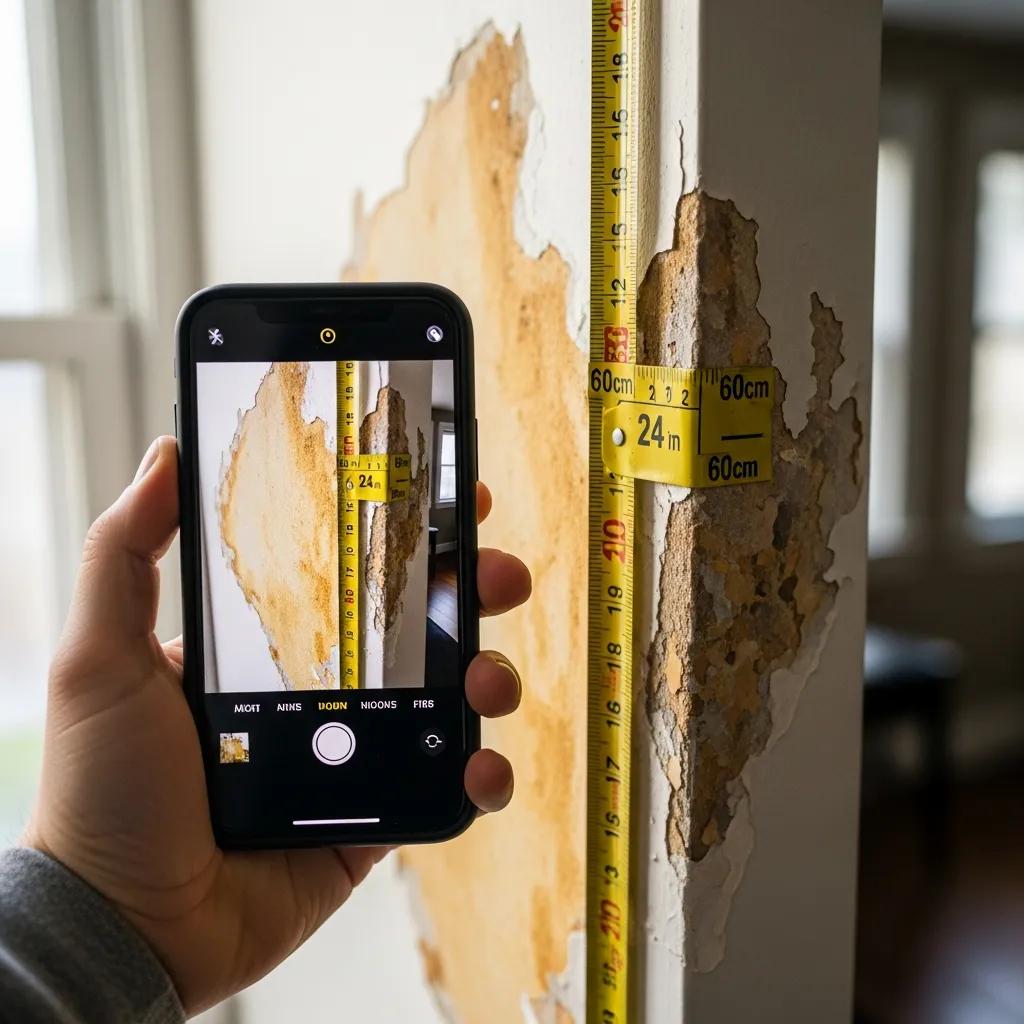
Good documentation follows a methodical, room-by-room routine that captures both context and detail. Start with wide shots that show the area, then take close-ups of damaged components; include a ruler or familiar object to show scale. Record a narrated video walkthrough that points out locations and dates for an audible timestamp. Create a dated inventory of high-value items with serial numbers, receipts, and estimated replacement costs; scan or photograph receipts and back them up digitally. Keep a damage log that notes mitigation work and contractor visits so you have a clear chronology to pair with photos and estimates.
Consistent file names, labels, and time stamps make it easy for an insurer or independent adjuster to follow your evidence. With documentation in hand, the next step is notifying your insurance company in a way that protects your rights and moves the claim forward.
When and How Should You Notify Your Insurance Company About Property Damage?
Report the loss to your insurer as soon as reasonably possible, and always confirm the claim reference in writing so there’s an official record. When you call or use the carrier’s portal, stick to concise facts—date, time, suspected cause, and a short summary of damage—avoiding speculation about fault or cause. Ask for the claim number, the company adjuster’s name, and expected inspection timelines, then follow up with an email or written summary of what you reported. Keep a communications log with dates, names, and key points from each call or message; that log becomes essential if there are disputes about timeliness or scope.
Noting what the insurer requests prepares you for submitting the claim and documents mitigation expenses. The next section shows how to assemble and submit your formal claim package.
How to File a Home Damage Claim: Step-by-Step Process
Filing a home damage claim starts with collecting the right documents, filling out the insurer’s claim form accurately, and providing evidence that proves the scope and cost of repairs. Your goal is to tell a clear story of loss supported by policy pages, photos, inventories, receipts, contractor estimates, and any official reports. Keep copies of everything you send and log submission dates and confirmation numbers. A structured submission reduces delays and gives you a stronger position if you need to escalate.
Below is a practical EAV‑style table showing common documents, why they matter, and where to find them.
The following table lists required documents, their purpose, and typical sources:
| Document | Why it’s Needed | Where to Get It |
|---|---|---|
| Policy declarations page | Shows your coverage, limits, and deductible | Insurer portal or policy packet |
| Damage photos and videos | Demonstrates the scope and severity of loss | Your own time‑stamped photos and videos |
| Personal property inventory | Lists damaged items and their values | Home inventory, receipts, and photos |
| Contractor repair estimates | Supports repair costs and scope | Licensed roofing or restoration contractors |
| Proof of loss / police/fire report | Provides an official record of the event | Local police or fire department records |
This table makes it clear which documents matter most and how they support your claim. The next subsection explains how to gather and organize this evidence in practice.
What Information and Documents Are Needed to Submit a Property Damage Claim?
Gather documents that prove ownership, value, cause, and mitigation steps—insurers evaluate these when deciding coverage and payout. Include your policy declarations page, dated photos and videos, an itemized list of damaged personal property with receipts or serial numbers, contractor estimates from licensed professionals, and any official reports (police, fire, or building inspector). Keep originals of emergency repair receipts and save scanned copies in secure cloud storage or on multiple devices. Label files with dates and short descriptions so you can quickly produce them if asked.
Organizing everything into a single digital folder and a physical binder speeds communication and shows preparedness to an adjuster. The next subsection explains how to complete claim forms to avoid common delays.
How to Complete and Submit Your Property Insurance Claim Form Correctly
Fill out claim forms with clear, factual answers and attach supporting documents that back up each statement to reduce follow‑up questions. Don’t guess about causes or costs—if you don’t have a final number, note that an estimate is pending and include interim photos and mitigation receipts. Use any confirmation or reference number you receive and keep screenshots or emails as proof of submission. If the insurer accepts attachments, include annotated photos and a brief cover letter summarizing the loss, listing included documents, and asking for expected inspection and payment timelines.
Confirm receipt and record the assigned adjuster’s name to keep correspondence moving. After you submit, prepare for the adjuster’s inspection and possible negotiation over scope and pricing; the next major section covers storm‑related claims in detail.
What Are the Specific Steps for Filing a Storm Damage Insurance Claim?
Storm claims require fast mitigation, solid evidence of weather conditions, and attention to policy terms like wind or flood deductibles and exclusions. Safety is still first—don’t climb onto unsafe roofs; photograph exterior damage from the ground and save local storm advisories or news reports that corroborate the event. Have qualified contractors handle emergency repairs like tarping or boarding when possible, and keep receipts plus before/after photos to document mitigation costs for reimbursement. Following insurer expectations—timely notice, documented mitigation, and professional estimates—reduces the chance of denials or low offers.
To show urgency and typical actions by damage type, the table below outlines practical steps and timelines:
The table below compares damage types, urgent actions, and typical timelines for insurer expectations:
| Action | Urgency | Typical Timeline |
|---|---|---|
| Temporary tarping/board-up | Immediate | Within 24–72 hours; save receipts |
| Photograph exterior damage | Immediate | Same day if safe; include weather context |
| Contact insurer for initial notice | Prompt | Within policy-required reporting window (often 24–72 hours) |
| Obtain contractor emergency estimate | 24–72 hours | Provide to insurer for mitigation approval |
| Schedule full inspection | Short-term | Insurer inspection often within 3–14 days |
This timeline helps you prioritize actions and document mitigation. The next subsections explain how to assess storm damage safely and respond to common insurer challenges.
How to Assess and Report Storm Damage to Your Property
Start storm damage assessment from a safe distance: photograph rooflines, siding, gutters, and visible debris rather than climbing ladders. Use wide shots for context and close-ups for specific issues. Inside, document water stains, sagging ceilings, and secondary damage like mold or warped flooring; log dates and contractor visit times. If you suspect hidden structural damage, get a professional inspection and include that report with your claim. Keep evidence of the storm itself—weather advisories or nearby property damage—to establish the sudden cause required by many policies.
Timestamped, detailed evidence strengthens a storm damage claim and reduces disputes about pre-existing conditions. The next subsection covers common claim objections and ways to rebut them.
What Are Common Challenges in Storm Damage Claims and How to Overcome Them?
Insurers sometimes attribute losses to wear‑and‑tear, poor maintenance, or prior incidents to limit payouts. Counter those claims with dated photos, maintenance records, and professional inspections that differentiate sudden storm damage from gradual deterioration. Get independent contractor estimates and scope reports that document concealed damage and link symptoms—like water stains—to the storm. If the insurer downplays the scope, submit mitigation receipts and third‑party expert opinions to support a larger repair claim. A clear timeline of events, repairs, and communications makes rebuttals more effective and supports appeals or public adjuster involvement when needed.
That leads to the question of when to bring in a public adjuster, which we cover next.
How Can a Public Adjuster Help with Your Property Damage Claim?

A public adjuster works for you. They prepare the claim, develop the repair scope, create itemized estimates, and negotiate with the insurer to seek a fair settlement. Public adjusters often uncover hidden and secondary damage, compile thorough documentation, and use industry-standard pricing to reflect the true cost of repairs—steps that can materially increase settlements when insurers undervalue losses. They also manage communications, deadlines, and appeals on your behalf, lowering administrative burden and stress. For many property owners, a public adjuster speeds the claim process and improves the chance of full recovery.
Below is a simple table that compares roles, responsibilities, and typical impact so you can see how a public adjuster differs from company adjusters and contractors.
| Role | Primary Responsibility | Typical Impact |
|---|---|---|
| Public Adjuster | Document damage and negotiate for the policyholder | Often increases settlement and reduces claim management burden |
| Company Adjuster | Investigate and value the loss for the insurer | Represents insurer interests and validates coverage |
| Restoration Contractor | Mitigate and repair property damage | Provides repair scopes and emergency services that support claims |
This comparison shows how public adjusters advocate for homeowners while contractors focus on repairs. The next subsections describe services public adjusters provide and when to consider hiring one.
What Services Do Public Adjusters Provide for Insurance Claims?
Public adjusters perform detailed inspections, build a full damage scope, prepare itemized estimates based on industry pricing, and assemble a complete claim package for the insurer. They often identify concealed issues—water intrusion or structural compromise—that company adjusters may miss in a quick walk‑through, and they document secondary damage that increases recoverable losses. Public adjusters manage deadlines, communicate with the insurer, and represent you during appeals or disputes to pursue a full payout. That professional documentation and negotiation frequently result in higher settlements and faster resolutions.
When damage is complex or you suspect underpayment, a public adjuster’s expertise can be decisive. Next, we outline practical criteria for deciding whether to hire one.
When Should You Consider Hiring a Public Adjuster for Your Property Damage Claim?
Hire a public adjuster when damage is extensive, the insurer’s initial offer is low, the scope is disputed, or you don’t have the time or experience to manage the claim. Use this checklist: if repair estimates are substantial enough that professional valuation matters, if you suspect concealed or secondary damage, or if the insurer denies or underpays, a public adjuster can often recover additional funds. They’re also valuable when multiple trades are affected—roofing, siding, and interior restoration—because they coordinate scopes across disciplines to ensure the full loss is claimed. If your claim is contested, a public adjuster’s documentation and negotiation experience become critical assets.
Adjustering connects owners and businesses with licensed public adjusters who push for full payouts, plus vetted roofing, siding, and restoration partners who restore properties. This rapid‑response option helps preserve evidence and maximize recovery early in the claims process.
How to Get Help with Water Damage Insurance Claims
Water damage claims turn on fast mitigation, clearly establishing the cause, and careful documentation—coverage often depends on whether the water intrusion came from a covered peril. Remove standing water and start drying affected areas with professional or rented equipment while documenting every mitigation step with photos and receipts; insurers expect you to limit further damage. Pinpoint and document the water source—storm seepage, roof failure, or plumbing leak—because the origin usually dictates coverage. Save contractor reports, mitigation invoices, and professional moisture maps to support your claim and rebut suggestions that damage resulted from neglect.
What Are the Key Steps to File a Water Damage Insurance Claim?
To file a water damage claim: stop the source if it’s safe to do so, document all damage, perform emergency mitigation and keep receipts, report the claim promptly, and get professional assessments to clarify cause and scope. Photograph the source and the water’s spread, then hire a mitigation contractor to extract water and begin drying; make sure they document moisture readings and corrective actions. Notify your insurer with a factual summary, include photos and mitigation receipts, and ask about approved restoration partners if your policy requires them. Keep originals of receipts and contractor reports and prepare an itemized list of damaged personal property with values and proof of ownership.
These steps help preserve coverage and document losses before permanent repairs begin. The next subsection highlights common mistakes homeowners make and how to avoid them.
How to Prevent Common Mistakes in Water Damage Claims
Don’t delay reporting the loss, discard damaged items before documenting them, or perform permanent repairs before an insurer inspects without approval—these actions can jeopardize reimbursement. Photograph items and structural damage before disposal, limit repairs to temporary mitigation, and save all invoices and photo evidence. If the cause is unclear, get an expert assessment to show whether intrusion was sudden and accidental or the result of maintenance neglect, since that distinction often decides coverage. Meticulous records, professional moisture maps, and following insurer documentation requests make disputes less likely and strengthen your claim.
Avoiding these mistakes preserves your claim’s integrity and makes it easier to escalate if the settlement is insufficient, which we cover in the next section.
What Are the Next Steps After Filing Your Property Damage Insurance Claim?
After you file, the insurer will assign an adjuster who schedules an inspection to verify damage and estimate costs. Be ready to present your documentation and point out concealed damage during the walkthrough. Keep a communications log and follow up if timelines slip; proactively provide additional evidence like contractor estimates and mitigation receipts to support your scope. If you disagree with the insurer’s valuation, submit independent estimates and consider involving a public adjuster or using the insurer’s appeal process. Create a clear escalation plan that includes third‑party estimates and expert reports so you’re prepared if the initial offer is inadequate.
How to Prepare for the Insurance Adjuster's Property Inspection
Get ready for the company adjuster’s inspection by organizing photos, inventories, contractor estimates, and mitigation receipts in a binder and on a mobile device; make damaged areas accessible and point out locations of concealed damage during the walkthrough. Provide annotated photos or a short written timeline that explains discovery, mitigation, and contractor interactions to frame the loss. Ask the adjuster to note items on their report and request a copy or reference number for the inspection; if you disagree with anything, document it politely and follow up in writing with supporting evidence. Having your contractor or a public adjuster present can help ensure technical issues and scope items are clearly explained, which often improves the outcome.
Clear, organized preparation reduces the chance of missed damage and speeds agreement on the repair scope. If the claim is denied or underpaid, follow the escalation steps below.
What to Do If Your Property Damage Claim Is Denied or Underpaid
If your claim is denied or underpaid, ask the insurer for a written explanation that cites the policy language used. Compare that explanation to your policy declarations and the evidence you submitted. Get independent contractor estimates and professional damage assessments to directly challenge the insurer’s valuation or causation rationale, and file an appeal with supplemental documentation that addresses their stated reasons. Consider hiring a public adjuster to re‑open and re‑document the claim; public adjusters negotiate on your behalf and can pursue appraisal or assemble documentation for legal review if needed. Throughout appeal or negotiation, keep a detailed communication log, preserve all receipts and reports, and build a chronological record that supports your case.
These steps create an orderly path to resolution and show when professional advocacy—like the licensed public adjusters and vetted contractors in Adjustering’s network—can be decisive. Adjustering connects owners and businesses with licensed public adjusters and trusted roofing, siding, and restoration experts to help with inspection prep, contractor coordination, and appeals so claims move efficiently toward full recovery.
Adjustering helps owners and businesses connect with licensed public adjusters who pursue full insurance payouts, alongside roofing, siding, and restoration professionals who restore properties. Use our rapid‑response option if you want professional help early in the process to preserve evidence and maximize recovery — contact Adjustering to get started.
Frequently Asked Questions
What should I do if my insurance claim is denied?
Ask the insurer for a written denial explaining the reasons and the policy language cited. Compare that to your submitted evidence and gather independent contractor estimates and professional assessments that address the insurer’s points. Submit an appeal with this supplemental documentation. If needed, hire a public adjuster to re‑document the claim and negotiate on your behalf—this often improves the chance of a successful appeal.
How long does the property damage claim process typically take?
Timelines vary based on claim complexity, insurer workload, and how complete your documentation is. Expect an adjuster to inspect within a few days to a couple of weeks after filing. From filing to settlement can take a few weeks to several months. Staying proactive, organized, and responsive to information requests helps move the process faster.
What types of damages are typically covered by property insurance?
Policies usually cover losses from specific perils listed in your policy—fire, theft, vandalism, and certain water damage events, for example. Coverage varies by policy, endorsements, and exclusions; flood damage commonly requires a separate flood policy. Review your policy details to confirm what’s covered and any limits that may apply.
Can I file a claim for damage that occurred over time?
Claims for gradual damage are harder to win because most policies cover sudden, accidental losses rather than wear and tear. Insurers often treat long‑term damage as maintenance issues, which are typically not covered. If you can show a discrete event—like a storm or sudden plumbing failure—caused the damage, you may have grounds for a claim. Documenting the timeline and evidence of the event is crucial.
What role does a public adjuster play in the claims process?
A public adjuster advocates for you. They handle inspections, prepare detailed estimates, document all covered losses, and negotiate with the insurer to pursue a fair settlement. Public adjusters often find hidden damage company adjusters miss and manage appeals and communication, which can significantly increase the chance of a full recovery—especially in complex claims.
How can I ensure my claim is processed efficiently?
Document damage thoroughly and notify your insurer promptly. Organize photos, inventories, estimates, and receipts clearly. Keep a communication log with dates and key points from conversations. Follow up regularly and provide any requested information quickly. If you hit delays or disputes, consider a public adjuster to help navigate the process and advocate for your interests.
Conclusion
Handling a property damage insurance claim well makes a real difference to your recovery and peace of mind. By following these steps—documenting carefully, acting quickly to mitigate loss, and knowing when to call in professional help—you improve the chances of a fair settlement. Explore our resources or connect with a licensed public adjuster to make sure your claim is handled properly. Take the next step toward securing the compensation you deserve.
