How Restoration Teams Work With Public Adjusters to Maximize Claims
How restoration teams and public adjusters work together to get the full insurance payout

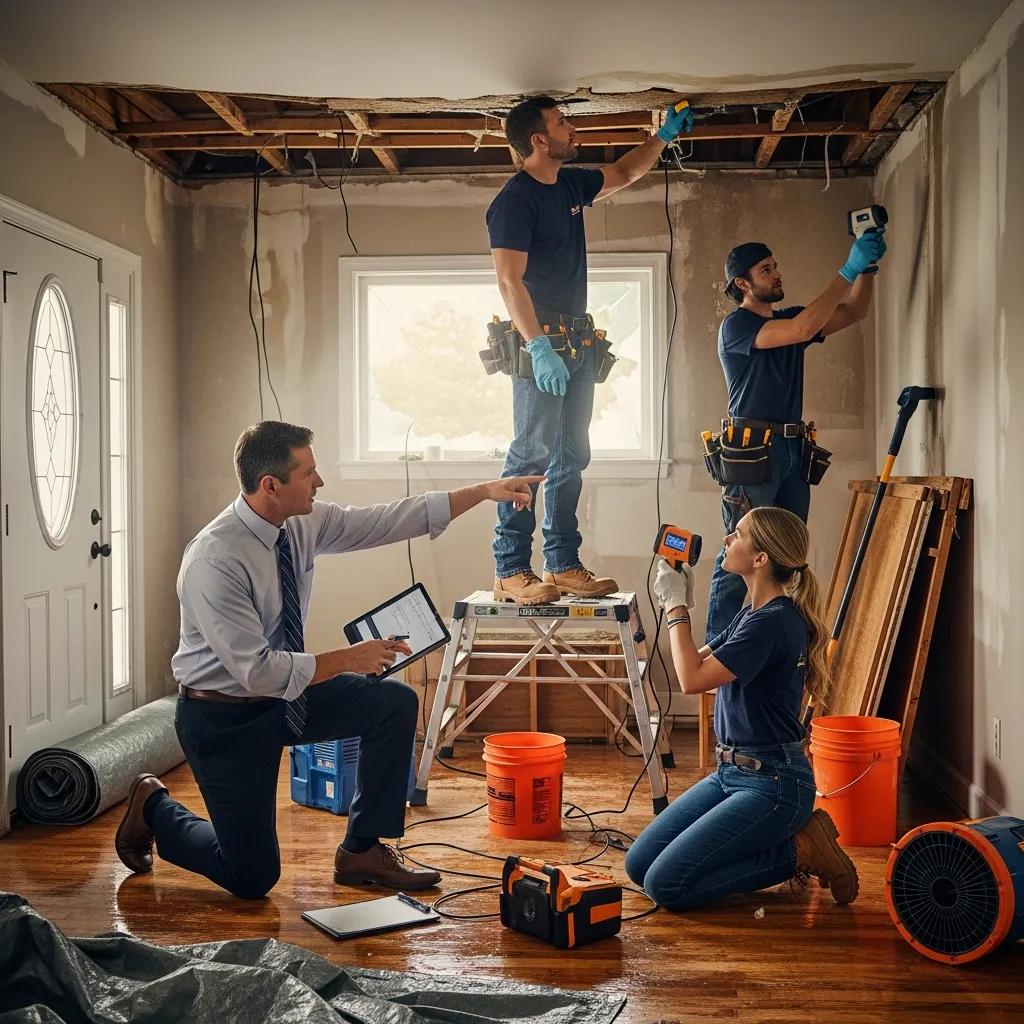
After storms, fires, or water events, property damage claims spike — and working with both restoration professionals and a licensed public adjuster reduces stress while improving the odds of a full settlement. This guide lays out the practical partnership: how a public adjuster documents loss and negotiates with your insurer while restoration contractors find, stop, and repair visible and hidden damage. You’ll get clear explanations of the adjuster’s role, restoration workflows, how the team approach increases claim value, homeowner benefits, local resources, and step-by-step next actions. The focus is on concrete steps — inspection, documentation, scope creation, mitigation, and final verification — so property owners can protect their claim and return their property to pre-loss condition. We also explain how Adjustering connects you to licensed public adjusters and vetted restoration, roofing, and siding pros to speed local support and keep best practices front and center.
What does a public adjuster do to maximize an insurance claim?

A public adjuster is a licensed, policyholder-first advocate who documents loss, builds a contractor-level scope, and negotiates with the insurer to secure the settlement you’re owed. Unlike an insurer’s adjuster — who represents the carrier — a public adjuster represents your contractual rights and works to capture missed or undervalued damage. Core tasks include complete inspections, scope-of-loss preparation, assembling a documentation package, and negotiating or appealing offers. Knowing what adjusters do helps you decide when to bring professional representation on board and how that often translates to a larger, more complete recovery.
Adjusters rely on several assessment tools and documentation formats to put together claims that stand up to insurer review. The table below pairs adjuster activities with the deliverables and outcomes they produce during a claim.
| Adjuster Task | Key Deliverable | Typical Outcome |
|---|---|---|
| Damage inspection | Full inspection report with measurements and photos | Accurate scope identifying visible and hidden losses |
| Documentation & evidence collection | Photo/video logs, moisture readings, thermal scans | Strong support for additional line items and concealed damage |
| Scope development & estimates | Line-item scope and contractor-level estimates | Justified, higher repair costs submitted to the insurer |
| Negotiation & appeals | Formal demand letters and negotiated settlements | Increased payout or approved scope revisions |
Each adjuster activity builds a defensible, value-focused claim packet that improves settlement outcomes. Next, we describe the methods adjusters use to find and document every loss element.
How do public adjusters assess and document damage?
Public adjusters combine visual inspection with tools like moisture meters and thermal imaging, then organize findings into a clear scope of loss supported by photos and video. They check structural elements, the building envelope, and contents, and they’ll coordinate invasive checks or specialist inspections when hidden damage is suspected. Documentation usually includes timestamped photos, room-by-room notes, measurements, and contractor estimates tied to policy line items. Well-structured evidence reduces disputes by linking observed damage directly to required repairs.
This systematic approach helps adjusters catch damage insurers might miss or undervalue — which leads into the homeowner benefits explained next.
What are the benefits of hiring a licensed public adjuster?
A licensed public adjuster increases the chance of a fuller settlement, takes the paperwork burden off your shoulders, and brings negotiation experience to insurer disputes. Adjusters often recover more by finding missed damage, correcting low estimates, and pushing for full replacement-value repairs rather than partial fixes. You also gain clearer timelines and less stress because the adjuster handles documentation, insurer meetings, and appeals. Because licensed adjusters operate under state oversight, you gain accountability and, frequently, better case outcomes reflected in higher settlements.
Consider claim size and complexity when deciding to hire one: the larger or more technical the loss, the more value professional representation usually delivers. Next we cover how restoration teams work alongside adjusters to capture and repair the full scope of loss.
How do restoration teams support a complete property recovery?

Restoration teams provide emergency mitigation, detailed inspections, focused remediation, and final rebuilding — all work that preserves claim value and prevents secondary loss. Restoration contractors stabilize structures, extract water, remediate mold, and coordinate specialty trades (roofing, siding, structural repair) to produce a construction-level scope that aligns with adjuster documentation. Their on-site measurements, invasive checks, and repair estimates give insurers the proof they need to approve full settlements. When restoration and adjusting are aligned, you get a coordinated plan that repairs the property and strengthens your claim.
| Restoration Service | Typical Damage Indicators | Inspection & Evidence | Typical Repair Steps |
|---|---|---|---|
| Water damage restoration | Stained ceilings, warped floors, high moisture | Moisture meters, thermal imaging, probes | Water extraction, drying, dehumidification, reconstruction |
| Fire damage restoration | Soot, charred framing, smoke odor | Soot mapping, structural checks, content inventory | Debris removal, smoke cleaning, structural repair, rebuild |
| Mold remediation | Musty smell, visible growth, health concerns | Surface testing, containment, humidity profiling | Containment, safe removal, HEPA cleaning, repair of moisture source |
| Roof repair and replacement | Missing shingles, leaks, interior stains | Rooftop inspection, leak tracing, contractor measurements | Tarping/temporary patch, reroof, flashing replacement |
| Siding repair and replacement | Cracks, separation, water intrusion | Exterior inspection, moisture testing behind cladding | Remove damaged siding, repair sheathing, install replacement siding |
This comparison shows how each restoration service produces inspection artifacts and repair steps that feed into a complete claim package. Below we outline the on-site processes restoration contractors use.
What processes do restoration contractors use to find and fix damage?
Contractors start with triage — safety checks and temporary mitigation — to stop ongoing loss, then layer inspections from surface to invasive probes as needed. They document conditions with photos, measurements, and instrument readings, then create a prioritized scope separating emergency stabilization from long-term repairs. Mitigation (water removal, shoring, temporary roofing) protects the asset and limits further loss, while specialist referrals ensure technical issues are diagnosed correctly. This staged approach yields contractor-level estimates and repair timelines that align with adjuster scopes and insurer expectations.
Documenting mitigation steps also prevents disputes over causation and timing, which helps the adjuster submit a coordinated demand with stronger support.
How do restoration experts guarantee quality repairs?
Restoration teams ensure quality through vetted trades, code compliance checks, structured punch lists, and final walk-throughs that confirm all scope items are completed and documented. Quality control typically includes certified roofing and siding trades, inspections for structural repairs, and warranties or follow-up support when offered. Final verification uses a multi-point checklist, photographic closeout, and coordination with the adjuster for sign-off. Including any resilience or code-upgrade work during rebuilds can reduce future risk and is documented as part of the claim.
These QA practices protect homeowners and reinforce the adjuster’s negotiated position by showing repairs were done correctly and documented fully.
How does collaboration between public adjusters and restoration teams boost claims?
When public adjusters and restoration teams collaborate, they create a closed-loop workflow where shared inspections, joined documentation, and coordinated scopes cut insurer disputes and increase recoveries. Collaboration ties technical repair details to claim line items so every repair need has a matching estimate and evidence record. Timing matters: quick mitigation limits secondary damage, early documentation preserves proof, and aligning scope early prevents costly change orders. The combined expertise — adjusters on policy and contracts, contractors on construction — produces stronger settlement demands and smoother repairs.
This coordinated approach follows clear handoffs and communication protocols so roles are defined at every stage of the claim lifecycle. The workflow below shows the typical sequence.
- Initial triage and emergency mitigation: Contractors secure the site and document immediate loss.
- Joint inspection and scope building: Adjuster and contractor confirm findings and assemble a contractor-level scope.
- Negotiation and claim submission: Adjuster files a documented demand with detailed estimates.
- Repair scheduling and finalization: Contractor completes repairs and the adjuster verifies work against the settlement.
Clear sequencing reduces delays and disputes while improving scope capture. The next section breaks the workflow down step by step.
What does the coordinated workflow between adjusters and contractors look like?
The sequence starts with an urgent contractor assessment to secure the property, followed by a joint inspection with the public adjuster who documents loss and builds the demand package. Contractors then deliver line-item estimates that the adjuster includes in the claim demand, ensuring pricing and methods meet insurer expectations. Negotiation uses that unified documentation to justify full repair costs. Once a settlement is reached, contractors schedule repairs and the adjuster performs final verification for claim closeout. Shared file systems, photo logs, and scheduled handoffs keep communication tight and recovery moving.
This process lowers the chance that damage is missed and leads into how the partnership ensures hidden loss is found.How does this partnership make sure no damage is overlooked?
Redundant checks — the adjuster’s documentation process plus restoration teams’ invasive inspections and trade knowledge — reveal hidden losses. For example, pulling flooring during drying may expose subfloor rot that becomes an amended scope item and additional reimbursement. Specialist referrals (roofers for hidden leaks, mold pros for concealed microbial growth) make sure technical issues are correctly identified and priced. Documenting these discoveries as scope amendments with matching estimates increases the likelihood insurers approve comprehensive repairs.
Planning for potential hidden conditions also helps speed approvals for scope changes, preventing incomplete repairs and future disputes.
What do homeowners and business owners gain from this collaboration?
A coordinated adjuster-restoration approach speeds recovery, often yields fuller settlements, and provides a single point of coordination that reduces stress and logistics for property owners. With technical teams and claims advocates working together, mitigation starts faster, hidden damage gets captured, and negotiations reflect true replacement costs. Owners benefit from clear communication, documented timelines, and fewer surprise expenses because scope items are captured early and priced by vetted contractors. Access to a coordinated network also brings consistent quality standards and accountability through punch lists and final verification.
The following section explains how that support reduces stress and accelerates recovery for occupants.
How does coordinated support cut stress and speed recovery?
Centralized communication and scheduling mean homeowners deal with a single, coordinated team that handles insurer discussions, contractor logistics, and documentation — reducing repeated explanations and missed appointments. Quick mitigation prevents secondary damage that complicates claims and prolongs displacement. Aligned scheduling shortens repair timelines by matching approvals with contractor availability. The emotional benefit is real: owners spend less time managing vendors and more time focusing on their lives. Expect regular status updates, clear timelines, and consolidated invoices that make the process predictable.
These operational gains preserve claim strength and lead into the next section on how the partnership increases payouts.
How does this partnership raise insurance payouts?
Partnerships increase payouts by capturing the full scope of damage, using contractor-level estimates that reflect true replacement costs, and presenting consolidated documentation that reduces insurer pushback. Coordinated evidence — photos, invasive findings, and line-item pricing — creates a demand that’s harder to underpay. Skilled negotiation converts that evidence into monetary recovery, and quick mitigation limits secondary losses insurers might deny. Together, these practices translate to higher settlements and fewer out-of-pocket repairs for policyholders.
Below we list Adjustering’s local expertise and coverage to help you find support in your area.
How does Adjustering provide local expertise in public adjusting and restoration?
Adjustering connects homeowners and businesses with licensed public adjusters who pursue full insurance payouts and with vetted roofing, siding, and restoration professionals who repair properties end to end. Fast access to local experts matters: regional knowledge of storm patterns, code requirements, and common damage types leads to more accurate inspections and quicker mitigation. Adjustering’s referral service aims to remove confusion by matching clients with licensed professionals quickly and without a referral fee. This local matchmaking shortens response times and pairs contractor experience with each claim’s specific needs.
Which areas does Adjustering’s network serve?
Adjustering serves homeowners and businesses across Philadelphia, Bucks, Montgomery, Chester, Delaware counties, South Jersey, and Central Jersey — offering local coverage across the region. Local presence improves response time and gives contractors experience with regional issues like coastal wind damage or seasonal water intrusion. Faster matching reduces time-to-mitigation, preserving evidence and avoiding secondary damage insurers could attribute to neglect. Homeowners gain access to vetted professionals who know local permitting and code requirements for compliant repairs.
This geographic focus explains why quick access to licensed local experts matters right after damage.
Why is fast access to licensed local experts important after damage?
Fast access prevents damage from escalating, preserves forensic evidence that supports claims, and shortens displacement time for occupants. Mitigation in the first 24–72 hours often determines whether secondary issues (mold, rot) develop. Early documentation captures property condition before temporary measures change evidence or insurers delay inspection. Local contractors also navigate codes and permitting faster, which speeds final repairs and claim closure. Acting quickly lowers costs, strengthens settlement defensibility, and results in more complete restorations that meet insurer requirements.
With local options and timelines in mind, the final section explains the immediate steps owners should take after damage.
What should you do after property damage to protect your claim?
After property damage, prioritize safety, document everything quickly, and coordinate early with mitigation contractors and a public adjuster to preserve claim strength and speed recovery. Start by making sure everyone is safe and stabilizing the property, then take photos and notes, perform emergency mitigation to limit further damage, and contact a licensed public adjuster for large or complex losses. Early coordination between adjuster and restoration team creates a cohesive scope and contractor estimates insurers are more likely to accept. A clear checklist will help protect your rights and get repairs moving.
| Contact | When to Contact | Why It Matters | What to Expect |
|---|---|---|---|
| Emergency services / Contractor | Immediately if unsafe or damage is ongoing | Stabilizes the property and prevents more loss | Triage, temporary mitigation, documentation |
| Public adjuster | As soon as possible for complex or large claims | Professional representation and claim maximization | Inspection, documentation, negotiation support |
| Insurance company | Within policy-required timeframes | Opens the claim and starts insurer procedures | Assignment of insurer adjuster and initial instructions |
| Vetted specialists (roofing/siding/mold) | Early when these issues are suspected | Technical diagnosis and contractor estimates | Specialist reports and line-item pricing |
This table clarifies who to call and why, and sets expectations for the early recovery phase. Next we help you decide whether to contact an adjuster or a contractor first.
Who should you contact first: a public adjuster or a restoration contractor?
If the property is unsafe or damage is ongoing, call a restoration contractor first to stabilize the site and document immediate loss, then bring in a public adjuster to protect the claim position and handle negotiations. For large or complex claims, contact a public adjuster immediately so early documentation follows a full-scope approach while contractors handle mitigation under guidance. Often the best route is to contact both quickly: contractors stop ongoing damage and the adjuster captures evidence and builds a comprehensive demand. Contacting Adjustering can fast-track matching to licensed public adjusters and vetted local contractors when you need coordinated support.
Who to call first depends on safety and scale; early coordination usually produces the best results. The next subsection shows a typical 72-hour scenario.How can early coordination improve outcomes and restoration?
Coordinating actions within the first 72 hours limits secondary damage, preserves evidence, and enables joint inspections that capture hidden loss before temporary repairs hide it — all of which help secure more complete settlements. In a common 72-hour timeline, a contractor mitigates and documents damage on day one, the adjuster inspects in detail on day two, and coordinated scope and estimates are submitted to the insurer by day three, shortening approval-to-repair time. Tangible benefits include fewer denied line items, faster contractor scheduling, and reduced displacement time. Homeowners can help by photographing damage right away, saving damaged items, and keeping records of conversations and invoices.
For quick, coordinated matching to licensed public adjusters and vetted restoration professionals across the region, consider using Adjustering’s free referral service to connect with local experts who can begin mitigation and claims work immediately.
Frequently Asked Questions
What should I do first after experiencing property damage?
Put safety first. If the situation is dangerous or damage is continuing, call a restoration contractor immediately for emergency mitigation. They’ll secure the property and help prevent more loss. Once the immediate threat is managed, document everything with photos and notes. After that, contact a licensed public adjuster — especially for large or complex claims — so you have professional documentation and representation through the claims process.
How can I make sure all damage is documented for my insurance claim?
Work with both a public adjuster and a restoration contractor. The adjuster creates a detailed scope of loss while the contractor provides technical inspections and invasive checks to find hidden damage. Use tools like moisture meters and thermal imaging, and keep organized, timestamped records — photos, videos, and notes — to build a strong claim file.
What are the costs of hiring a public adjuster?
Public adjusters typically charge a percentage of the final settlement, often between 5% and 15%. While this fee is an expense, many homeowners recover significantly more through professional representation, often more than offsetting the adjuster’s fee. Always discuss fee structure up front so you understand the cost and expected benefits.
How long does the claims process usually take?
Claim timelines vary by complexity, damage extent, and insurer responsiveness. Simple claims can take a few weeks; complex claims may take months. A public adjuster helps speed the process by ensuring documentation is complete and accurate, which can reduce delays. Regular communication with your adjuster and contractor also helps keep work on track.
What happens if my insurance claim is denied?
If a claim is denied, find out why. Common reasons include insufficient documentation, policy exclusions, or missed deadlines. You can appeal by gathering more evidence, expert reports, or additional documentation and presenting a structured case to the insurer. A public adjuster can review the denial, identify overlooked items, and advocate for reconsideration.
Can I switch public adjusters if I’m not happy with the service?
Yes. Start by communicating your concerns to the adjuster — they may address the issue. If you remain unsatisfied, you can terminate the agreement according to your contract. Review any contract terms or notice requirements before switching. When choosing a new adjuster, consider experience, reputation, and communication style to find a better fit.
Conclusion
Working with licensed public adjusters and experienced restoration teams increases the chances of restoring your property fully and securing the settlement you deserve. This coordinated approach speeds recovery, captures hidden damage, and produces the documentation insurers need for full payouts. If you need help, contact Adjustering to be matched with licensed adjusters and vetted local contractors. With local expertise and coordinated support, you can navigate the claim process with confidence and get your property back to normal.
