
How Much Should Roof Inspections Cost in Philadelphia?
How Much Should Roof Inspections Cost in Philadelphia? A Comprehensive Pricing Guide

Roof inspections are a key part of property maintenance in Philadelphia, where weather can accelerate wear. Understanding typical inspection costs helps homeowners budget and choose the right service. This guide outlines common price ranges, the factors that drive cost, and how local rates compare to national trends. For professional help, see roof inspection services.
Typical Price Ranges:
Fees vary by inspection scope and technology. The table below shows typical ranges for common services.
| Service Type | Price Range | Purpose |
|---|---|---|
| Basic Visual Inspection | $100 - $250 | General assessment of roof condition |
| Drone Inspection | $150 - $400 | Detailed aerial view for hard-to-reach areas |
| Infrared Inspection | $300 - $600 | Identifying hidden leaks and moisture issues |
The ranges reflect inspection scope and equipment. Choose the type that fits your property and concerns.
Drone technology has become an effective and safe method for inspecting roofs that present access challenges.
UAS for Efficient & Safe Roof Inspections
Traditional roof inspection can be slow and hazardous due to access limitations and the risk of falls. Recent adoption of Unmanned Aerial Systems (UAS) to support the inspection process has proven effective in addressing these issues.
Using uas for roofs structure inspections at post-occupational residential buildings, R Melo, 2020
Specialized techniques such as infrared thermography are essential for detecting moisture and leaks that are not apparent during standard visual inspections.
Infrared Thermography for Roof Moisture Detection
Infrared thermography (IRT) is used to map moisture distribution and to localize areas with anomalous water content. The referenced study presents two approaches using IRT to map evaporation flux on the surface and to identify the method’s limitations.
Infrared thermography for moisture detection: a laboratory study and on the field test, N Ludwig, 2011
Factors Influencing Pricing:

Several practical factors determine inspection cost in Philadelphia. Identifying these in advance helps when requesting quotes.
- Roof Size and Complexity: Larger or irregular roofs take longer to inspect.
- Roofing Material: Some materials require special techniques or caution.
- Accessibility and Safety: Difficult access or safety hazards add time and equipment needs.
Disclose roof dimensions, material, and access issues when you contact inspectors to get accurate pricing.
Comparisons with National Averages:
Philadelphia pricing generally follows national trends but will reflect local labor costs and demand. Obtain multiple quotes to verify competitiveness.
What Are the Typical Roof Inspection Costs in Philadelphia?
Expect typical fees between $100 and $500 depending on inspection type and property specifics. Ask inspectors for written estimates outlining the scope.
Average Price Ranges for Roof Damage Inspection Services
Damage inspections cost more when they require detailed diagnostics. Common averages include:
- Routine Visual Inspections: $100 - $250
- Specialized Inspections: $150 - $600
Specialized tools such as drones or infrared cameras increase accuracy but raise cost.
Comparison of Roof Inspection Pricing by Service Type
Choose a method based on access, suspected issues, and budget:
- Basic Visual Inspection: Least expensive for routine checks.
- Drone Inspection: Mid-range; good for steep or obstructed roofs.
- Infrared Inspection: Higher cost; detects hidden moisture or insulation problems.
Which Factors Influence Roof Inspection Pricing in Philadelphia?
Local labor rates, contractor availability, and post-storm demand can all influence prices. Schedule non-urgent inspections outside peak periods when possible.
- Local Labor Rates
- Contractor Availability
- Demand After Storms
Impact of Roof Size, Material, and Damage Severity
Large roofs, specialty materials, and visible damage increase inspection time and may require more detailed testing, which raises cost.
Role of Insurance Claims and Regulatory Requirements
Inspections for insurance claims usually need detailed reports and documentation, so expect higher fees when inspections support claims.
How Do Roof Inspection Companies in Philadelphia Support Insurance Claims?
Inspectors often help homeowners by documenting damage and compiling evidence for insurers. Services commonly include:
- Initial Inspection Process
- Documentation Collection
- Claim Submission Support
Many homeowners also hire public adjusters to assist with claims and negotiations.
Process of Roof Inspection for Insurance Documentation
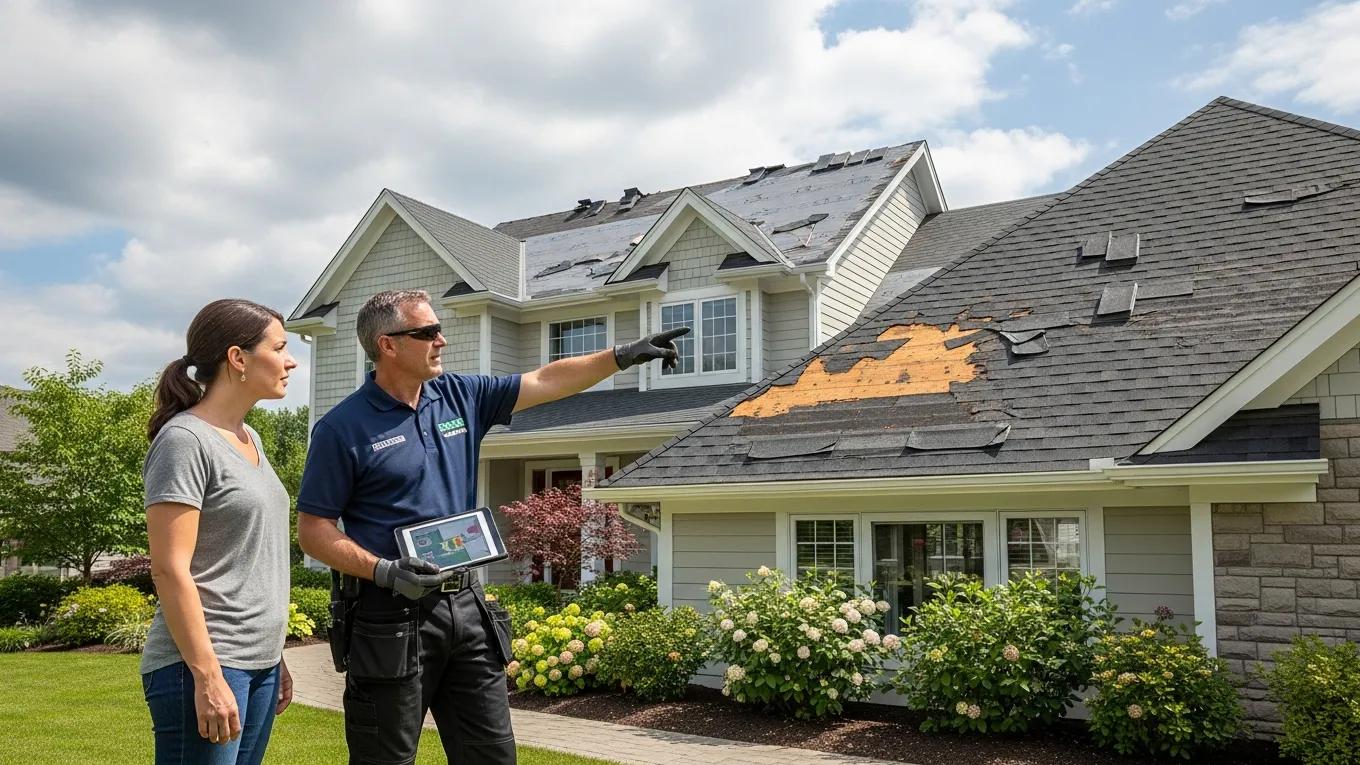
Typical steps when documenting for insurance:
- Immediate Actions Post-Damage: Inspect and document promptly.
- Scheduling Inspections: Book a qualified inspector quickly.
- Claim Submission: Provide the inspection report and photos to the insurer.
Timely, well-documented inspections support clearer claim outcomes.
Benefits of Using Public Adjusters for Claim Assistance
Public adjusters can improve claim results by ensuring accurate documentation and negotiating with insurers. Common benefits:
- Higher Settlements
- Thorough Documentation
- Skilled Negotiation
Engaging an adjuster is often worthwhile for significant damage or disputed claims.
Where Can Property Owners Find Trusted Roofing Inspectors in Philadelphia?
Sources for reputable inspectors include company sites, referrals, and verified listings. Consider these steps:
- Adjustering
- Referrals and Reviews
- Verifying Credentials
Confirm licensing and insurance before hiring.
Criteria for Selecting Qualified Roof Inspection Professionals
Key selection criteria:
- State Licensing
- Insurance Coverage
- Professional Associations
Use these checks to ensure a reliable inspection and accurate report.
Resources for Connecting with Certified Local Inspectors
Useful resources include company referrals, online directories, and restoration service providers such as Adjustering.
- Online directories and local listings
- Company referrals
- Credential verification
Doing basic checks before hiring reduces risk and improves outcomes.
Frequently Asked Questions
What should I expect during a roof inspection?
An inspector will evaluate shingles, flashing, gutters, attic access, and other components. They may use drones or infrared cameras when needed and will deliver a report with findings and recommended repairs.
How often should I schedule a roof inspection?
At least annually and after severe storms. Regular checks catch issues early and extend roof life.
Can I perform a roof inspection myself?
Basic ground-level checks are possible, but a professional provides a safer, more thorough assessment, especially for steep or complex roofs.
What documentation do I need for an insurance claim related to roof damage?
Provide a detailed inspection report, photographs of damage, and policy information. Keep records of prior inspections and repairs.
Are there any warranties associated with roof inspections?
Some providers offer service guarantees or warranties; terms vary—request details before scheduling.
How can I prepare for a roof inspection?
Clear access to the roof and attic, remove debris and overhanging branches, and collect prior maintenance or inspection records for the inspector.
What are the benefits of using a certified roofing inspector?
Certified inspectors follow industry standards, have formal training, and are more likely to understand local codes—improving the reliability of findings and recommendations.
