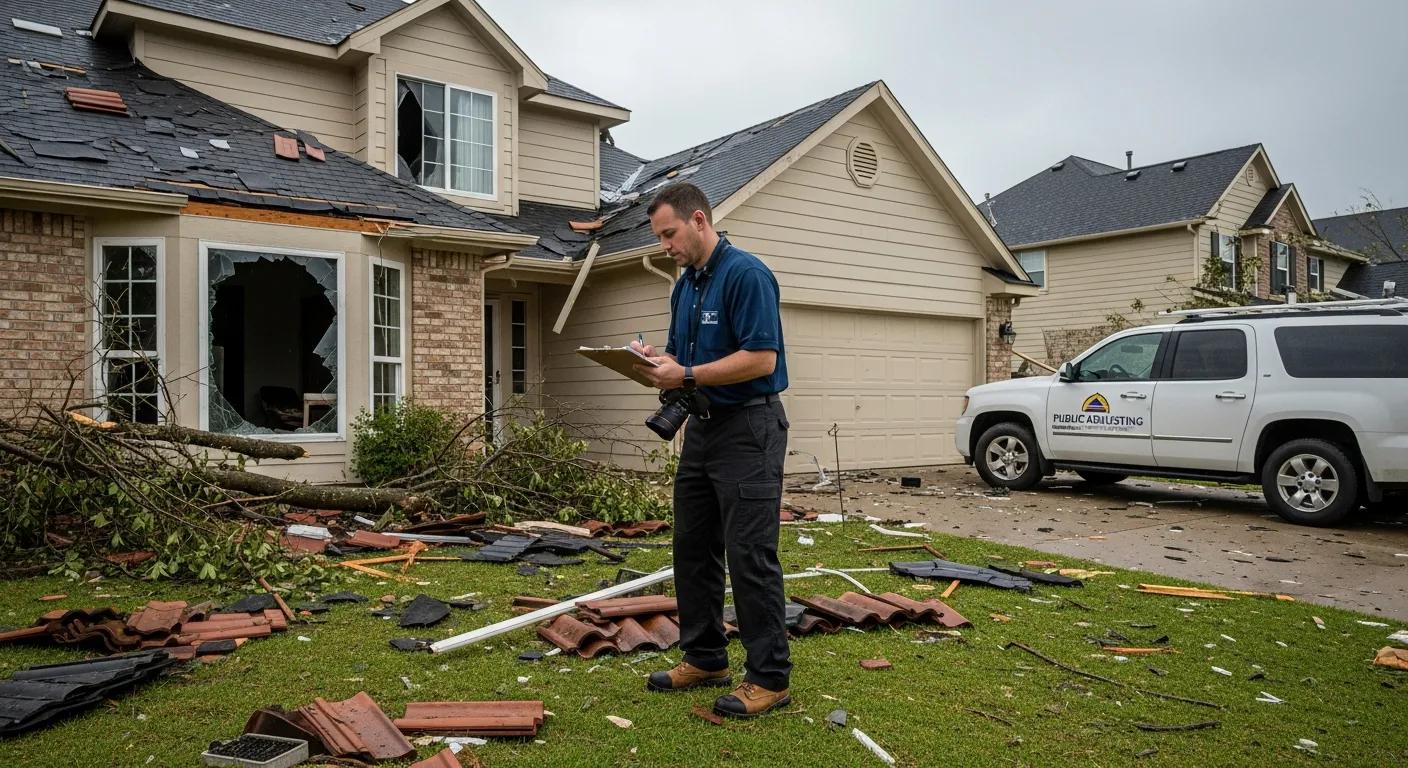
Maximize Your Storm Damage Claims with Licensed Experts
How Licensed Public Adjusters Maximize Your Storm Damage Insurance Claims
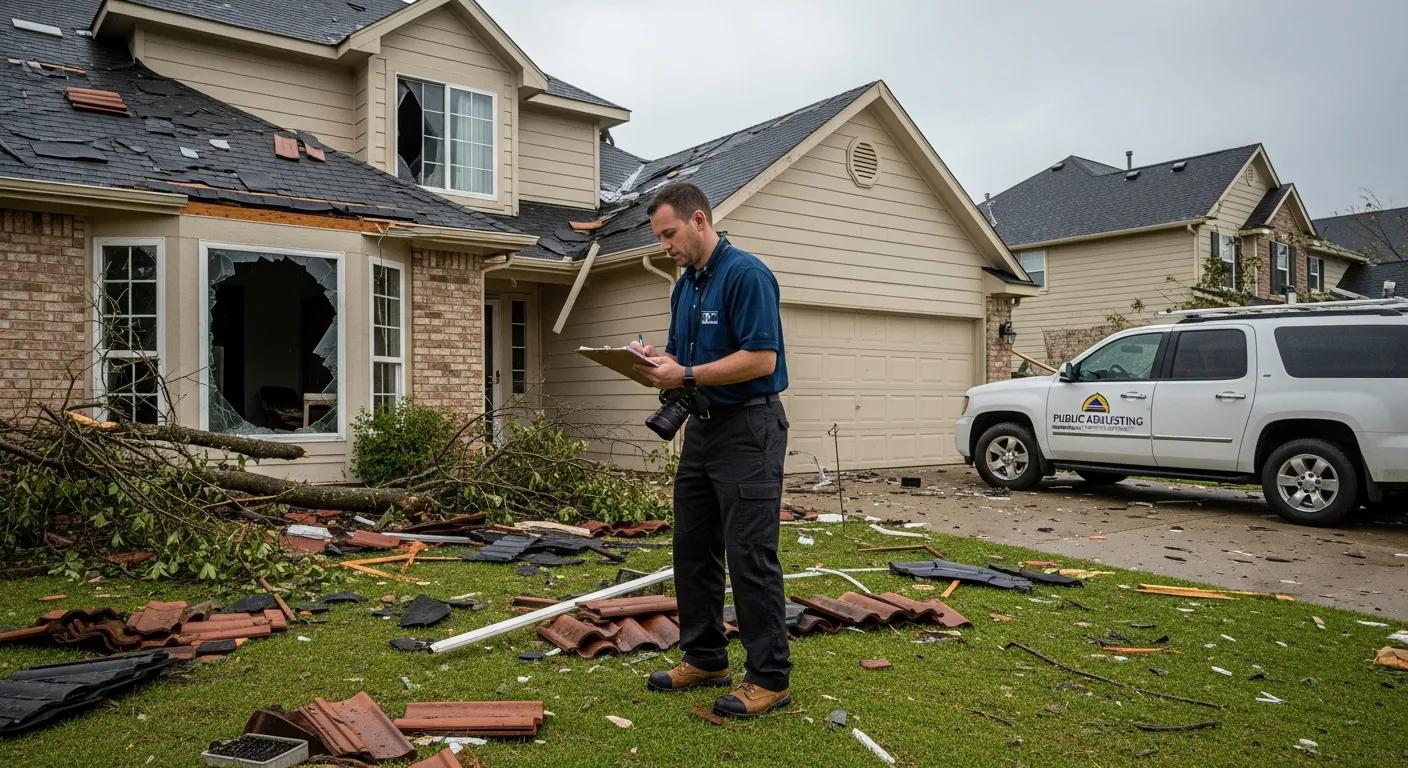
Storm damage insurance claims are often complex and time-consuming. Licensed public adjusters represent homeowners and businesses to document losses, prepare supporting evidence, negotiate with insurers, and manage the claims process to help secure fair compensation.
What Role Do Licensed Public Adjusters Play in Storm Damage Claims?
Public adjusters act as the policyholder's advocate: they inspect property, document damage, and negotiate with insurers to ensure the claim reflects the full scope of loss and yields an appropriate settlement.
Adjustering, a licensed public adjusting firm, specializes in storm damage claims and restoration, offering guidance to optimize claim outcomes and accelerate property recovery.
How Do Public Adjusters Assess Property Damage for Insurance Claims?
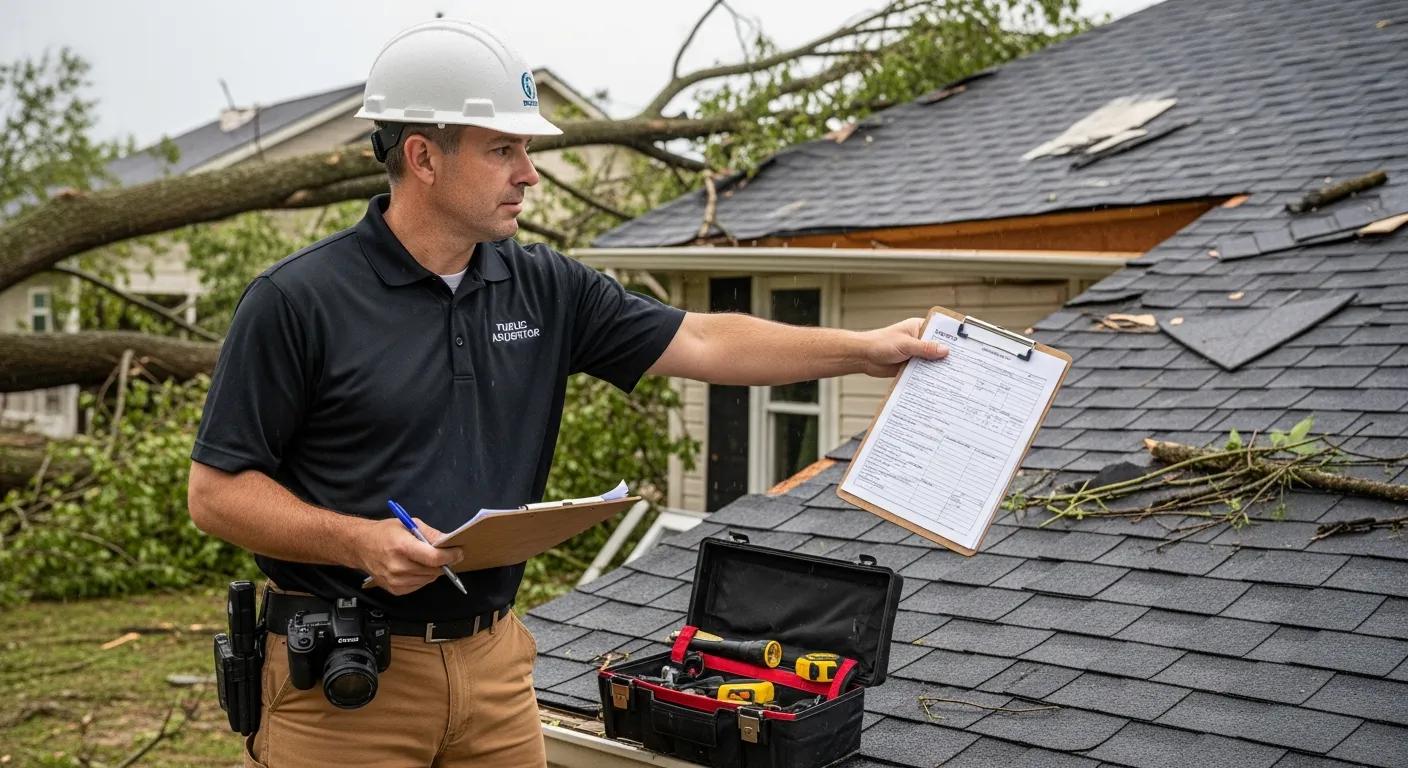
Adjusters use a methodical inspection to identify structural, water, and wind damage, then compile precise documentation—photos, measurements, and reports—to substantiate each loss.
They frequently coordinate with restoration contractors so estimates and technical findings are captured in a consolidated claim file.
What Expertise Do Licensed Adjusters Bring to Insurance Negotiations?
Adjusters know policy language and claim procedures and use detailed documentation and proven negotiation techniques to present the claim's value to insurance representatives, often improving settlement results.
What Is the Step-by-Step Process for Filing a Storm Damage Insurance Claim?
Key steps include ensuring safety, mitigating further damage, documenting losses thoroughly, and notifying your insurer promptly.
- Ensure Safety and Mitigate Damage: Prioritize safety and take temporary measures like tarping roofs or shutting off water to prevent more loss.
- Document the Damage: Photograph and video all affected areas and note dates, locations, and observable causes.
- Notify Your Insurer: Report the loss promptly to begin the claim process and preserve rights.
Following these steps creates a clear record that supports timely evaluation and negotiation.
How Do Licensed Experts Guide Property Owners Through Claim Submission?
Adjusters explain policy provisions, assemble required documentation, prepare and submit detailed claim packages, and monitor insurer responses to reduce omissions or delays.
What Are Common Challenges in the Storm Damage Claim Process?
Frequent obstacles include insurers attributing damage to pre-existing conditions, minimizing loss scope, and rejecting claims for insufficient documentation.
- Insurer Attribution of Losses: Carried out by insurers to limit liability.
- Downplaying the Scope of Damage: Insurers may undervalue necessary repairs.
- Documentation Challenges: Incomplete evidence can delay or deny claims.
Anticipating these issues and preparing comprehensive documentation helps address insurer concerns.
| Challenge | Strategy | Outcome |
|---|---|---|
| Insurer Attribution of Losses | Provide comprehensive documentation | Increased likelihood of fair assessment |
| Downplaying the Scope of Damage | Engage a public adjuster for accurate assessments | Higher settlement offers |
| Documentation Challenges | Utilize expert assistance for thorough documentation | Streamlined claims process |
The table summarizes practical strategies to improve claim outcomes.
How Do Licensed Public Adjusters Collaborate with Storm Damage Restoration Services?
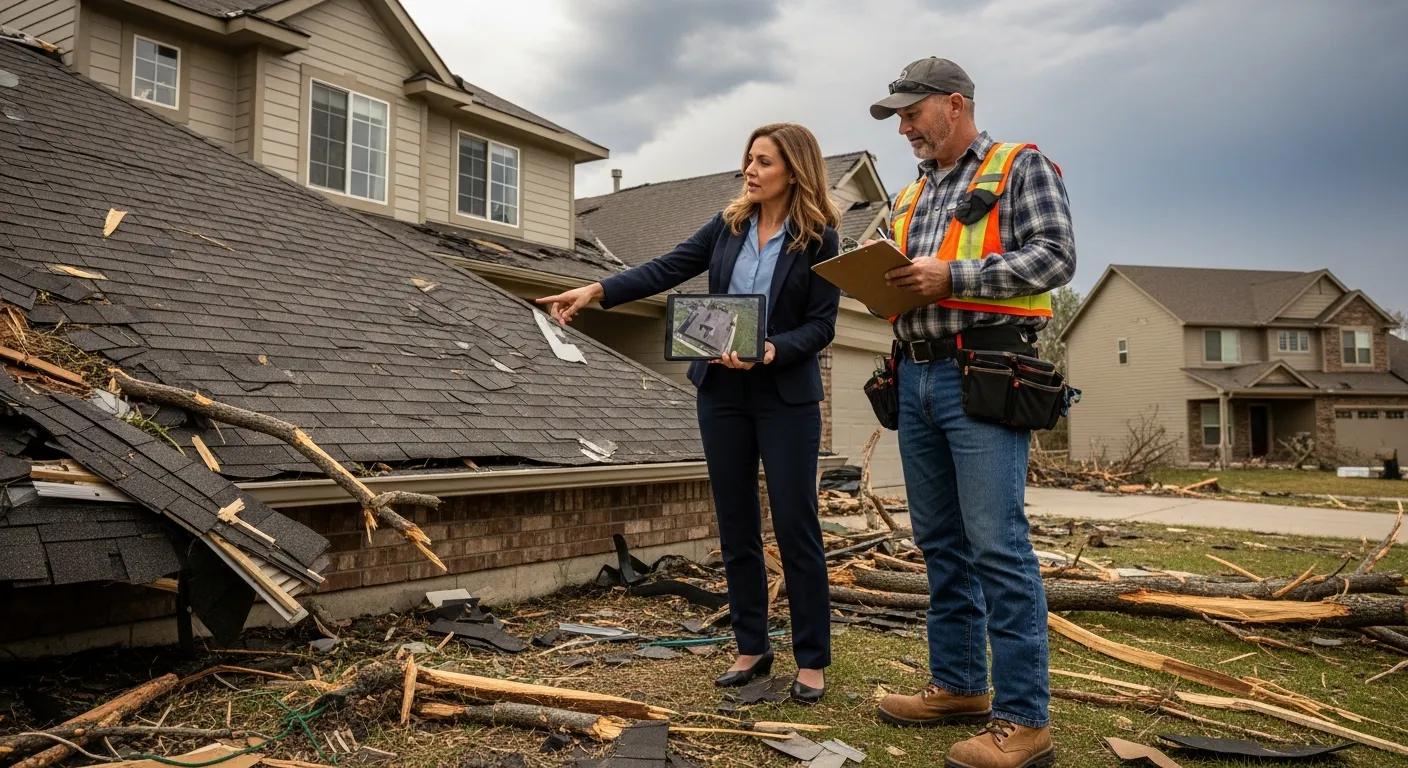
Adjusters coordinate with restoration contractors for joint inspections and shared estimates so repair scopes and costs are documented consistently for the insurer.
Shared reports and technical input form a stronger, consolidated record of loss for negotiation.
What Restoration Services Are Essential After Storm Damage?
Essential post-storm services include emergency mitigation, water damage restoration, and roofing and siding repairs to protect the property and document repair needs.
- Emergency Mitigation: Temporary measures like boarding or tarping to prevent further damage.
- Water Damage Restoration: Drying, dehumidification, and mold prevention to limit secondary loss.
- Roofing and Siding Repairs: Fixing or replacing exterior elements to restore integrity.
These actions protect safety and preserve evidence used in the claim.
How Does Coordination Between Adjusters and Contractors Maximize Claim Settlements?
When adjusters obtain contractor estimates and scopes, insurers receive a complete picture of required repairs and costs, which supports higher and more accurate settlements.
For repair work, consider restoration services that document and execute necessary repairs.
What Are the Benefits and Costs of Hiring Licensed Public Adjusters for Storm Damage Claims?
Hiring an adjuster offers expert guidance, potential for higher settlements, and reduced administrative burden; however, fees apply and should be confirmed in writing.
- Expert Guidance: Clarifies rights, coverages, and claim strategy.
- Higher Settlement Values: Professional handling can recover more than a DIY claim.
- Time and Stress Reduction: Adjusters manage negotiations and paperwork.
Review fee terms and evaluate expected net recovery before engaging a public adjuster.
How Do Licensed Adjusters Increase Insurance Claim Settlements?
Adjusters use detailed inspections, complete documentation, and skilled negotiation to establish full scope of loss and advocate for appropriate compensation, including coverages the policyholder may overlook.
What Are Typical Fees and Payment Structures for Public Adjusting Services?
Many firms operate on contingency (a percentage of recovery), though flat fees or hybrid arrangements are also used. Confirm the structure and any upfront costs before hiring.
- Contingency Fees: A percentage of the settlement.
- Flat Fees: Fixed price for defined services.
- Hybrid Models: Combination of contingency and flat fees.
Understanding the fee model helps avoid surprises and aligns expectations.
If you need assistance with roofing or siding repairs after a storm, Adjustering offers restoration support and claim coordination.
Frequently Asked Questions
What qualifications should I look for in a licensed public adjuster?
Verify state licensing, relevant certifications, and experience with storm claims; check references and testimonials to confirm competence and results.
How long does the storm damage claims process typically take?
Timelines vary by claim complexity and insurer responsiveness; resolution can take weeks to months. A public adjuster can help keep the process moving.
Can I hire a public adjuster after I have already filed a claim?
Yes. An adjuster can review the existing file, advise, and negotiate on your behalf; timely engagement is recommended to meet procedural limits.
What should I do if my insurance claim is denied?
Review the denial for reasons, gather additional evidence, and consider an appeal. A public adjuster can assemble documentation and represent the claim during appeals.
Are there any upfront costs associated with hiring a public adjuster?
Most work on contingency and require no upfront payment, though some offer flat-fee services. Always get fee terms in writing.
How can I prepare for a meeting with a public adjuster?
Bring photos and videos, your policy and declarations page, any insurer correspondence, and a timeline of events and mitigation steps to enable an effective assessment.
