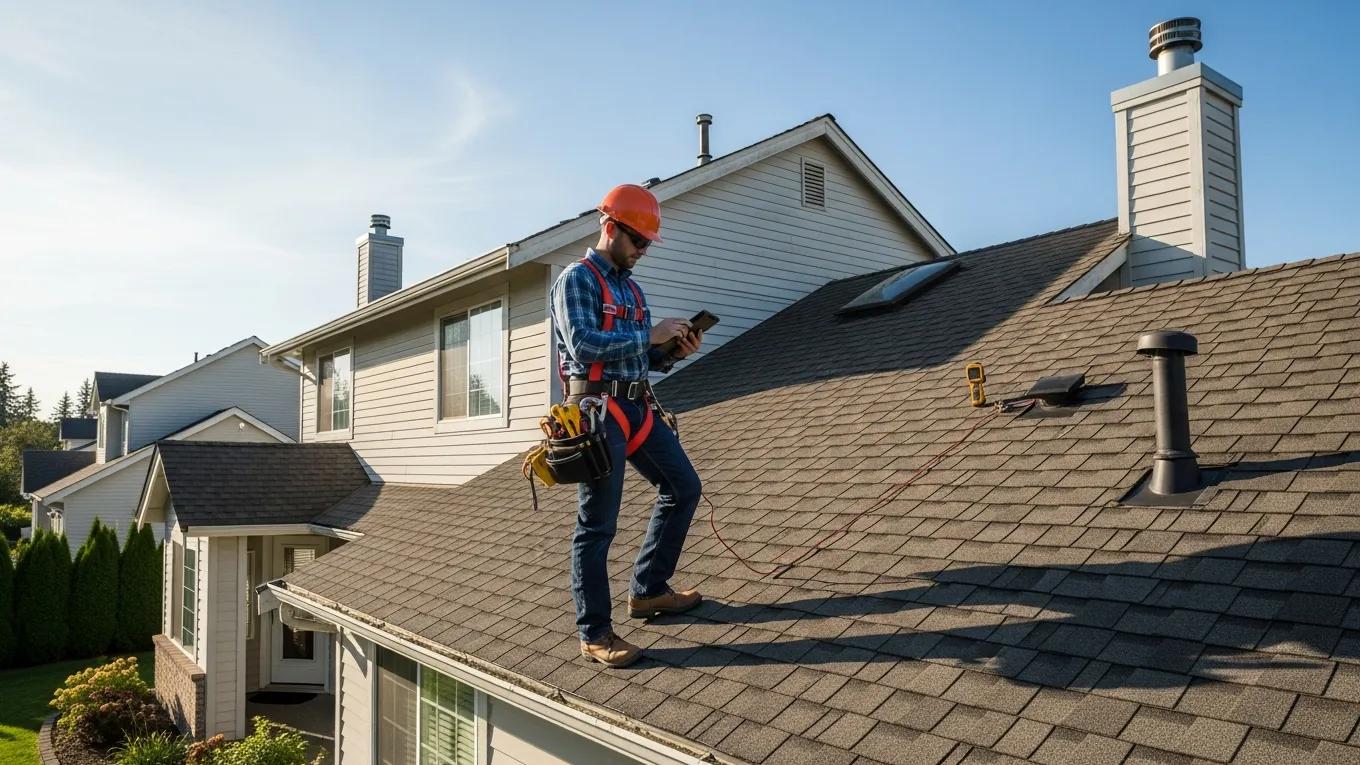
Free Roof Inspection Estimate: Get Yours Today
Free Roof Inspection Estimate: Secure Your Professional Assessment Today
By Rene Joseph, Adjustering
A free roof inspection estimate lets homeowners evaluate roof condition without upfront cost. Inspections identify defects, document needed repairs, and produce evidence useful for maintenance planning and insurance claims. This article explains how to obtain a professional inspection, what to expect, the main benefits, and how Adjustering helps connect you with qualified professionals.
Process
To secure a professional assessment:
- Contact Adjustering: Request a free roof inspection estimate.
- Get Matched with Professionals: Adjustering connects you with local, vetted roofing experts.
- Schedule the Inspection: Arrange a convenient time for the on-site evaluation.
This streamlines finding reputable contractors and reduces homeowner effort.
Benefits
Professional inspections provide early detection of problems, documented support for insurance claims, and clear prioritization of repairs so you can address urgent items first and avoid larger expenses later.
- Early Damage Detection: Finds minor issues before they worsen.
- Insurance Claim Support: Creates documented evidence for filings.
- Prioritized Repairs: Helps set a repair timeline based on urgency and budget.
Potential Costs
Many inspections are complimentary, but specialized tests or follow-up services may carry fees. Repair costs depend on damage extent and chosen materials; obtaining estimates helps plan expenses.
- Free Inspections: Commonly offered by many firms, including Adjustering.
- Paid Services: Specialized or detailed evaluations may cost extra.
- Follow-Up Repairs: Prices vary with scope and materials required.
What Does a Free Roof Inspection Estimate Include?
Typical components of a free estimate:
- Visual Assessment: Exterior inspection of shingles, flashing, and features.
- Interior Inspection: Attic and ceiling checks for leaks or water damage.
- Documentation: A written report summarizing findings and recommended actions.
Which Roof Damage Types Are Assessed During Inspection?
Inspectors check for water intrusion, structural issues, and material wear—key categories that determine repair needs and timing.
- Water Damage: Leaks, stains, mold indicators.
- Structural Damage: Sagging, misalignment, or instability.
- Material Wear: Shingle loss, damaged flashing, or degraded components.
How Is the Roof Inspection Cost Offset by a Free Estimate?
A free estimate offsets costs by identifying problems early, supporting insurance claims, and helping you avoid larger repairs later.
- Free Inspections: Assess roofs at no charge.
- Cost Savings: Early fixes limit expensive damage.
- Insurance Documentation: Reports can substantiate claims and potential coverage.
How to Prepare for Your Insurance Roof Inspection
Prepare by gathering prior inspection reports and repair records, checking any insurer requirements, and clearing access to the property so the inspector can work safely and efficiently.
- Necessary Documentation: Bring prior reports and records.
- Common Requirements: Verify insurer-specific rules.
- Tips for a Successful Evaluation: Ensure clear access and remove hazards.
What Documentation Should You Provide for Insurance Claims?
Helpful documents for claims include inspection reports, clear photos of damage, and contractor repair estimates to quantify needs and costs.
- Inspection Reports
- Photographic Evidence
- Repair Estimates
Where to Find Reliable Roof Inspection Services Near Me
Choose providers with positive reviews, proper licensing and insurance, and relevant certifications. Ask for recommendations and verify credentials before scheduling.
- Criteria for Assessing Reliability: Reviews, licensing, insurance.
- Recommended Providers: Use recommendations and vetted reviews.
- Methods for Evaluating Their Services: Look for certifications or professional affiliations.
How Does Adjustering Facilitate Professional Roof Damage Assessments?
Adjustering connects homeowners to qualified inspectors, coordinates comprehensive evaluations, and helps compile documentation useful for claims.
- Connecting Homeowners with Professionals
- Comprehensive Inspections
- Documentation for Claims
What Are the Benefits of Using a Public Adjuster for Roof Claims?
A public adjuster can manage claim preparation and negotiations, apply specialized claims knowledge, and work to maximize recovery on your behalf.
- Expertise in Claims
- Maximizing Compensation
- Navigating the Process
Consider a public adjuster when claims are complex or when you want professional representation.
What Is Included in a Comprehensive Roof Inspection Checklist?
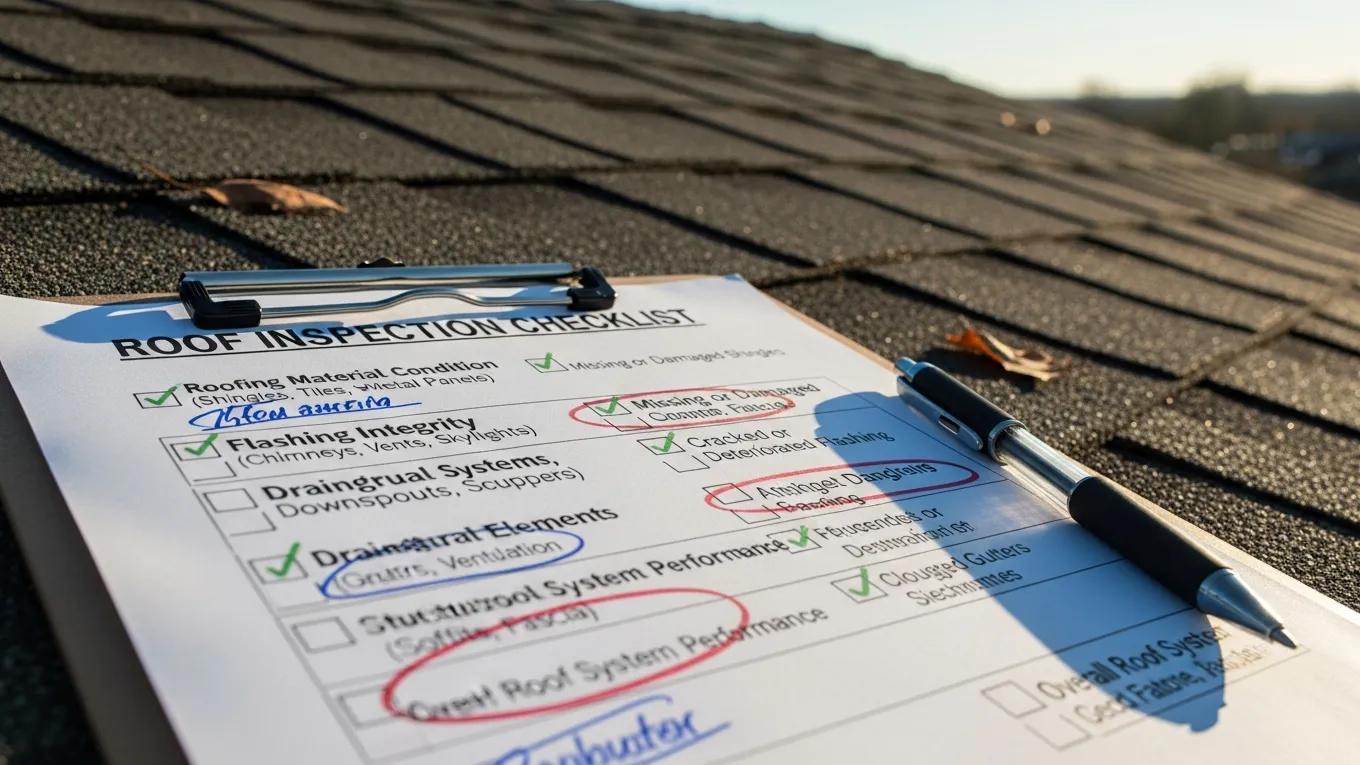
Common checklist items ensure a systematic review of exterior, interior, and supporting systems.
- Exterior Components: Shingles, flashing, gutters, downspouts.
- Interior Spaces: Attics, ceilings for leaks or mold.
- Supporting Systems: Ventilation and insulation checks.
The checklist helps inspectors cover all relevant roof aspects.
Which Storm and Water Damage Indicators Are Evaluated?
Inspectors look for evidence of storm and water damage—including water intrusion, structural movement, and material deterioration—that can affect performance and longevity.
- Water Damage: Stains, mold, intrusion points.
- Structural Damage: Sagging or misalignment.
- Material Wear: Storm-related shingle or component loss.
Expert analyses further underscore the complexities involved in assessing storm damage and processing associated insurance claims.
Forensic Roof Damage & Insurance Claims
Severe thunderstorms accompanied by high winds and hail regularly have the potential to damage roofing systems and other exterior building components. Insurance claims for storm damage — both legitimate and unwarranted — have come under increased scrutiny due to indistinct or altered dates of loss, the amending and broadening of alleged causes, and the presentation of technically unsupportable opinions by persons who lack appropriate qualifications. Further, such claims frequently conclude with appraisal hearings decided by umpires for whom there are no minimum educational or experiential requirements.
Forensic Evaluations of Built-Up Roofing Storm Damage Claims and the Appraisal Process, 2015
How Does a Roof Inspection Support Accurate Restoration Estimates?
Inspections define the repair scope and support precise restoration cost estimates. A clear report helps contractors produce accurate bids and provides documentation for insurance coverage.
- Comprehensive Assessment
- Accurate Cost Estimates
- Documentation for Claims
To verify your roof's condition, consider contacting Adjustering for roofing and siding for assistance with maintenance and protection.
Frequently Asked Questions
What should I expect during a roof inspection?
A typical inspection is a systematic visual review of exterior and interior components. The inspector documents findings and provides a report with recommended repairs; most standard inspections take about an hour, depending on roof size and complexity.
How often should I schedule a roof inspection?
Schedule at least once a year and after severe weather events. Regular inspections catch small defects before they become costly.
Can I perform a roof inspection myself?
You can do a basic ground-level check, but a professional inspection is recommended for a thorough evaluation and safe access to the roof.
What are the common signs that indicate I need a roof inspection?
Look for water stains, missing or damaged shingles, sagging areas, granules in gutters, or unusual drafts and energy bill increases.
How long does a roof inspection take?
Most standard inspections take 30–60 minutes; specialized testing or large roofs require additional time.
What happens if issues are found during the inspection?
The inspector provides a report detailing findings and recommended actions. You can then obtain contractor estimates and prioritize repairs by urgency and budget.
Are there any warranties associated with roof inspections?
Warranty availability varies by provider. Some firms offer warranties covering the inspection service; repair work often has separate warranties—confirm terms in writing.
