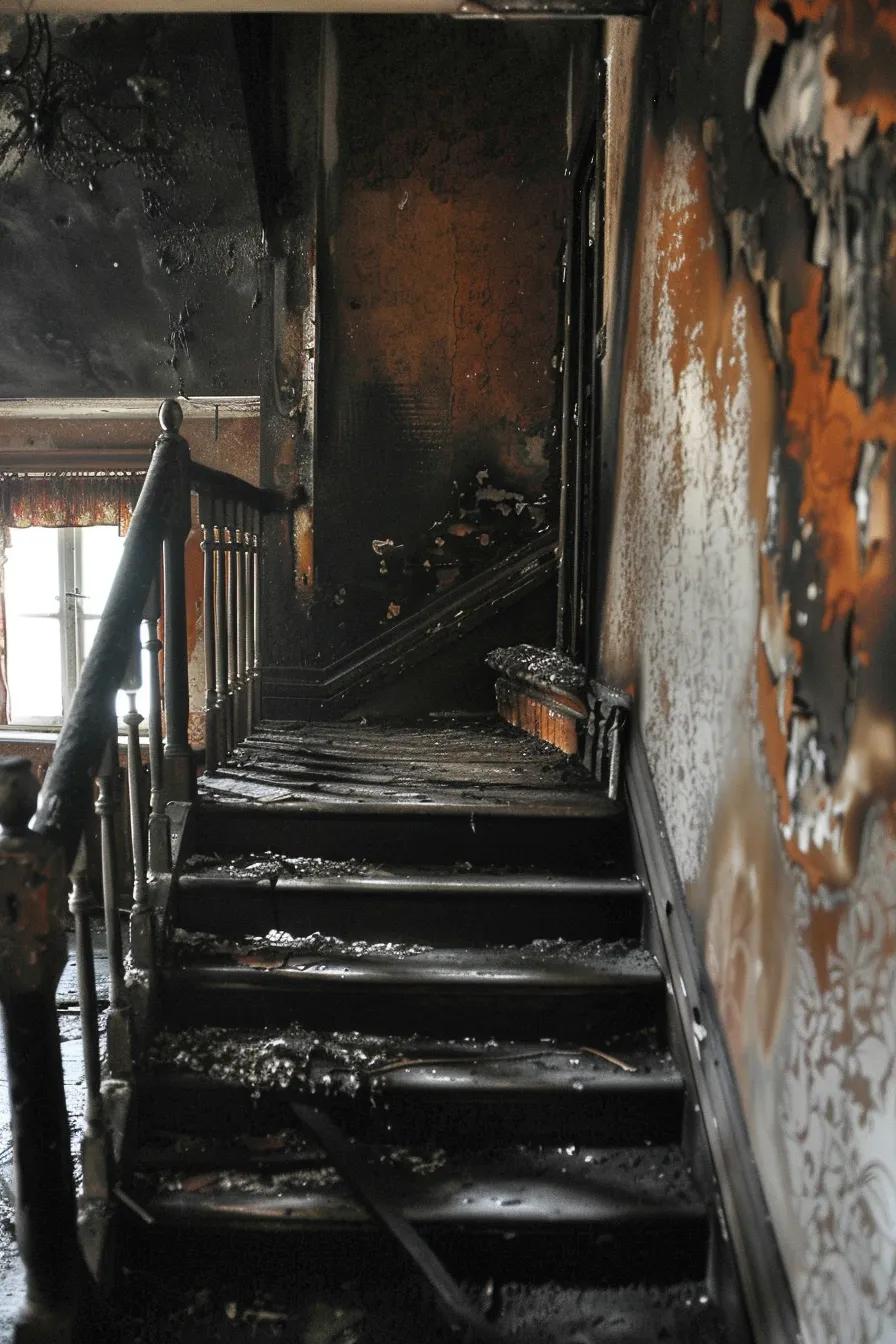
Fire damage insurance claim
Fire Damage Insurance Claim in Philadelphia: Your Complete Guide to Public Adjusters and Restoration

Filing a fire damage insurance claim in Philadelphia starts with documenting loss from flames, smoke, soot or the water used to fight the fire so you can recover policy benefits for repairs, replacements and living expenses. This guide walks through how claims usually work here — including suburbs of Pennsylvania and nearby New Jersey — why a licensed public adjuster can change the outcome, and how coordinated restoration gets your property safe and useable again. Homeowners and business owners often face missed items, confusing estimates and low initial offers after a fire. Read on for clear timelines, documentation checklists, common insurer tactics, and how restoration trades — roofing, siding, structural work and content cleaning — fit into the claims process so you can pursue a full and fair payout in Philadelphia and surrounding counties.
Why Hire a Fire Damage Public Adjuster in Philadelphia?
A public adjuster is a licensed advocate who represents you — the policyholder — during a fire damage claim. They document losses, build an itemized scope and negotiate with the insurer to pursue the largest appropriate settlement. Unlike the insurer’s adjuster, their duty is to you, not to the carrier’s bottom line; that focus helps uncover hidden damage such as smoke migration, soot contamination and water damage from firefighting. Bringing in an expert reduces stress, moves emergency repairs forward and often increases the final settlement by addressing undervalued or omitted line items. The section below outlines the practical benefits and when hiring a public adjuster matters most.
Public adjusters prioritize complete documentation and accurate valuation — the two fundamentals that drive higher recoveries through detailed estimates and strategic negotiation.
Faster access to emergency funds: A public adjuster pushes for interim payments to cover boarding, tarping and temporary housing.
More complete scope of loss: They find commonly missed items like HVAC contamination and smoke penetration into hidden spaces.
Stronger negotiation leverage: Line-item estimates and contractor-backed supplements give you a clearer case for higher payment.
Those advantages matter most when damage is extensive, the insurer disputes scope, or business interruption is involved. Below we explain the specific tactics adjusters use to maximize recoveries.
How Does a Licensed Public Adjuster Maximize Your Fire Insurance Claim Payout?

A licensed public adjuster builds an auditable case: room-by-room inventories, timestamped photos, contractor estimates and depreciation analysis tied to your policy language. They use industry valuation methods, prepare line-item pricing and follow supplement workflows to reopen underestimated or hidden losses found during repair. By assembling contractor bids for roofing, siding, structural work and content restoration, an adjuster rebuts lowball offers and documents causation for smoke and water damage from firefighting. For example, they’ll price HVAC cleaning and duct remediation separately from structural repairs so carriers can’t lump losses together. When necessary they file supplements backed by contractor invoices and escalate to appraisal or regulatory appeal — steps that increase the chance of a full payout.
Those tactics create decision points about when to file, when to supplement and when to escalate. The next section explains the optimal moment to involve an adjuster so you don’t lose critical evidence or benefits.
When Should You Contact a Public Adjuster After Fire Damage?
Contact a public adjuster as soon as the property is safe and initial emergency mitigation has started so photos and other evidence are preserved from the outset. Early engagement helps secure documentation before cleanup, ensures temporary repairs are covered, and speeds claims for additional living expenses or business interruption when displacement occurs. If the insurer schedules an inspection, having a public adjuster present prevents overlooked items and incomplete scopes that can occur during insurer-led walk-throughs. For minor, clearly cosmetic fires you may file directly, but for structural damage, multi-room smoke or significant water from firefighting, consult an adjuster immediately to protect your claim. The next section gives a step-by-step workflow from first call to final repair.
What Is the Step-by-Step Fire Damage Insurance Claim Process in Philadelphia?
The claim process in Philadelphia generally moves from safety and mitigation to documentation, filing, inspection, negotiation, supplements and restoration — each step building the record that supports full compensation. Begin by ensuring safety, calling emergency services and arranging emergency board-up and water mitigation; then document everything and file your claim promptly under your policy. When the insurer assigns an adjuster, coordinate evidence submission and consider a public adjuster to lead negotiations and manage contractor estimates. If disagreement follows, the claim can progress to supplements, reinspection, appraisal or regulatory appeal using contractor invoices and industry standards to justify increases. The table below clarifies who handles each stage and the best practices to follow.
PartyKey ResponsibilityBest PracticeHomeowner / Business OwnerReport the loss, secure the property, collect inventoriesPhotograph everything, keep receipts and start room-by-room lists immediatelyPublic AdjusterDocument the loss, prepare the scope, negotiate with the insurerDeliver line-item estimates, submit supplements and coordinate contractor bidsInsurance Company AdjusterInspect the loss and estimate the insurer’s paymentReview policy language closely; expect attempts to limit scope or apply depreciation
Immediate safety and mitigation: Call 911, secure the scene and arrange emergency board-up and water removal.
Comprehensive documentation: Capture timestamped photos and videos and create a room-by-room inventory of damaged items and systems.
Formal claim filing and assignment: Notify your carrier, record the claim number and track all communications.
Inspections and estimates: Host insurer and adjuster inspections, collect contractor bids and submit supplements as needed.
Negotiation and settlement: Review offers, negotiate supplements and use appraisal if necessary.
Restoration and closeout: Coordinate repairs, verify contractor invoices and finalize settlement to cover completed work.
Appeal or regulatory escalation: If denied or underpaid, assemble a formal appeal with documentation and consider filing a complaint with the state insurance department.
After these stages, certain documentation practices preserve evidence for negotiable items — we cover those details next.
How to Document and Assess Fire Damage Thoroughly?
Document fire damage with a structured, room-by-room method that separates flame, smoke, soot and water impacts. Start with wide-angle photos, then take close-ups of affected items, vents and structural elements. Build a written inventory for each room listing fixtures, appliances and personal property with estimated age and replacement cost when possible, and save receipts for emergency purchases, temporary housing and repairs. Record brief videos that narrate damage paths — smoke lines, soot tracking and water pooling — and keep metadata to prove timestamps. When safe, preserve samples of soot or damaged materials and gather contractor estimates for immediate mitigation and full repairs to attach to your claim. Strong documentation reduces disputes and enables public adjusters to prepare more persuasive scopes and supplements.
Those documentation habits directly support how public adjusters present and negotiate evidence with insurers, described next.
How Do Public Adjusters Negotiate with Insurance Companies?
Public adjusters translate documentation into an itemized scope and submit contractor-backed estimates that align with industry pricing guides and local labor rates. They prepare rebuttals to common insurer findings — for example claims of pre-existing damage — by using timestamped evidence and contractor reports that isolate fire causation. Negotiations move through supplements, written rebuttals and joint inspections; adjusters monitor insurer deadlines and request reinspections when new damage appears during demolition or repairs. Expect back-and-forth over depreciation, actual cash value versus replacement cost, and coverage triggers. A public adjuster presses for documented replacements, monitors payment timing and prepares for appraisal or regulatory complaint if settlement stalls.
RoleResponsibilityTypical OutcomeHomeownerProvide documentation and approve emergency repairsPreserves claim value and access to temporary living supportPublic AdjusterFile supplements and negotiate line-item coverageOften increases settlement through detailed scope and contractor supportInsurer AdjusterReview evidence and issue paymentsMay counter with a narrower scope or apply depreciation
This breakdown shows how responsibilities translate into outcomes and prepares you for restoration coordination.
How Does Fire Damage Restoration Work in Philadelphia?

Fire damage restoration in Philadelphia follows clear stages: emergency stabilization, water mitigation (if present), soot and smoke removal, deodorization, structural repair and final content restoration. Each stage requires specialty trades and precise sequencing. Restoration technicians assess structural integrity, perform selective demolition where necessary, clean HVAC systems and use controlled deodorization methods for persistent odors, while roofing and siding contractors fix exterior breaches caused by fire or firefighting. Coordinating these workstreams with the claim process ensures contractor estimates match the claim scope and that supplements are filed when hidden damage appears during repair. The next section lists the key restoration services and typical scopes you should expect.
Restoration scopes vary by severity and demand trade coordination, so clear cost ranges and scope expectations help inform negotiations.
Emergency board-up and tarping: Secure openings to prevent further weather or vandalism damage.
Water mitigation and drying: Remove standing water from firefighting and dry affected areas to prevent mold growth.
Soot and smoke cleaning: Clean surfaces, ducts and contents using specialized techniques and testing.
Structural repairs and rebuild: Replace framing, drywall, roofing and finishes as required for safety and code compliance.
Content restoration and pack-out: Clean, store and restore salvageable personal property and important documents.
Restoration ServiceTypical ScopeTypical Cost RangeSoot and Smoke CleanupHVAC cleaning, surface remediation and deodorizationModerate to high depending on penetrationStructural RepairsFraming, drywall, roofing and siding replacementModerate to very high based on structural damageWater MitigationExtraction, drying and mold preventionLow to moderate depending on water volume
What Are the Key Restoration Services After Fire Damage?
Key restoration services start with emergency stabilization, move to contamination removal and finish with structural reconstruction and content recovery. Contractors involved typically hold certifications and use specialized equipment. Emergency stabilization prevents further loss and preserves evidence; soot and smoke remediation targets both surface residues and airborne contaminants to reduce odor and corrosion risk. Structural repairs replace compromised elements and address code compliance; roofing and siding contractors fix exterior breaches that could allow water intrusion. Content restoration teams manage cleaning, pack-out and inventory to protect salvageable belongings and accelerate replacement claims. Knowing these roles helps you match contractor bids to claim line items and supports supplement requests when additional damage is uncovered.
How Do Adjusters Coordinate with Vetted Contractors for Full Property Repair?
Adjusters coordinate with vetted contractors by aligning scope, price and sequencing: they verify contractor estimates, ensure the scope reflects policy language, and submit supplements when repairs reveal additional damage. This coordination includes managing change orders, where contractors document unforeseen conditions and provide pricing that adjusters use to update the claim. Quality checkpoints — pre-demo inspections, mid-project reinspection and final sign-off — make sure the insurer pays appropriately and repairs meet habitability standards. Working with vetted roofing, siding and restoration crews reduces disputes over workmanship and cost, while adjuster oversight helps payments flow so contractors can proceed without lengthy delays. Strong adjuster-contractor collaboration shortens turnaround and restores occupancy faster.
Service TypeTypical ScopeTypical Cost RangeContent Pack-outInventory, cleaning and off-site storageLow to moderate depending on volumeRoofing & SidingReplacement of damaged exterior envelopeModerate to high based on coverage areaHVAC / Duct CleaningRemove smoke residues and control odorsLow to moderate based on system complexity
What Are the Common Challenges and Denials in Fire Damage Claims in Pennsylvania?
Insurers commonly dispute fire claims by alleging pre-existing conditions, invoking policy exclusions, undervaluing replacements or delaying inspections and payments. Typical tactics include quick, generalized inspections that miss hidden smoke migration, improper depreciation and low initial settlements meant to encourage early acceptance. Preparing for these challenges means documenting thoroughly, securing contractor estimates and using a public adjuster to file supplements and appeals when needed. The table below maps common insurer tactics to typical public adjuster responses so you can anticipate next steps if pushback occurs.
Recognizing denial patterns helps you prepare a focused rebuttal and know when to escalate to appraisal or a regulatory complaint.
TacticHow it AppearsPublic Adjuster ResponseUnder-valuationLow initial offer with aggregated line itemsSubmit contractor invoices, itemized scope and supplementsPre-existing damage claimInsurer cites wear-and-tear as the causeProvide timestamped evidence and contractor analysis showing fire causationDelay tacticsSlow scheduling or repeated document requestsTrack deadlines, demand reinspection and escalate to appraisal or state regulator
How to Handle Fire Damage Claim Denials and Appeals Effectively?
If your claim is denied, compile a denial response package that includes your policy, claim correspondence, detailed inventories, contractor estimates and photographic evidence isolating fire causation. File a formal appeal citing specific policy language, attach supplements and contractor invoices, and request a reinspection with your public adjuster present to rebut technical denials. If the insurer maintains a denial or underpayment, pursue appraisal clauses, third-party mediation or a complaint to the Pennsylvania Insurance Department or the relevant New Jersey regulator; document timelines and preserve deadlines to protect your rights. Consider legal counsel for high-value disputes that persist after appraisal attempts. These steps establish a clear escalation path to recover coverage and payment.
What Insurance Company Tactics Should You Watch for in Fire Claims?
Watch for three common tactics: lowball initial offers, narrow-scope inspections and pressure to sign releases before repairs are complete. Lowball offers often omit HVAC cleaning, smoke penetration or water damage from firefighting; respond with detailed contractor estimates and supplement requests. Narrow inspections that miss hidden damage require immediate photo and video evidence and a reinspection request with your public adjuster and contractor present. If an insurer pressures you to accept a quick settlement, pause and verify whether the offer covers temporary living, content replacement and full structural repairs — delaying acceptance until you have full documentation is usually safer. Use these red flags to guide your next actions and any appeals.
TacticHow it AppearsImmediate Homeowner ResponseLowball offerInitial payment small relative to documented damageSubmit contractor bids and request supplemental evaluationSlow schedulingInspection delayed or rescheduled repeatedlyDocument delays and escalate through the claims manager or state regulatorQuick release pressureRequest to sign a full release earlyRefuse until full scope and repairs are documented and agreed
Who Does Adjustering Serve for Fire Damage Claims in Philadelphia and Surrounding Areas?
Adjustering connects homeowners and business owners across Philadelphia and nearby counties with licensed public adjusters and vetted roofing, siding and restoration contractors. We provide end-to-end support that cuts through confusion and coordinates claim and repair workflows. Our local model emphasizes fast response so inspections capture all damage and adjusters and contractors work together to maximize compensation and restore properties. Adjustering serves Philadelphia, Bucks, Montgomery, Chester and Delaware counties, plus South Jersey and Central Jersey regions, matching clients to licensed adjusters and trade pros based on damage type and urgency. That local network shortens response times and helps align contractor estimates with the claim scope for smoother supplements and payments.
Adjustering’s coordination supports both residential and commercial clients as they move from emergency mitigation to full restoration with fewer administrative burdens — details below.
Which Philadelphia Counties and New Jersey Regions Are Covered?
Adjustering’s network covers Philadelphia, Bucks, Montgomery, Chester and Delaware counties in Pennsylvania, plus South Jersey and Central Jersey regions. Local adjusters understand area building codes and regional pricing adjustments, which improves scope accuracy and negotiation relevance. Homeowners and business owners can request local assistance for timely inspections and rapid emergency mitigation dispatch. A local presence reduces contractor travel time and increases the chance that hidden damage is found and documented promptly.
How Does Adjustering Support Both Residential and Commercial Fire Damage Claims?
Adjustering customizes support by matching residential needs — content pack-outs, temporary housing help and personal property inventories — with commercial complexities like business interruption valuation, inventory loss and phased restoration to minimize downtime. For homes, the focus is on personal property documentation and temporary living expense tracking; for businesses, emphasis is on business interruption, inventory reconciliation and fast operational restoration. We connect licensed public adjusters with contractors experienced in both home-scale and commercial restorations so bids reflect replacement cost and business-specific losses. This dual capability helps homeowners and businesses get accurate scopes and timely support to resume normal life or operations.
Frequently Asked Questions
What should I do if my fire damage claim is denied?
If your fire damage claim is denied, first read the denial letter to understand the insurer’s reasons. Gather your policy, photos, contractor estimates and all claim correspondence. Prepare a response package that addresses the insurer’s points and includes supporting evidence. File a formal appeal citing the relevant policy language and request a reinspection. If the denial continues, consider bringing in a public adjuster or legal counsel to assist with the appeal.
How can I ensure my fire damage claim is processed quickly?
To speed your claim, document the damage thoroughly with timestamped photos and detailed inventories, report the loss promptly and keep records of all communications. Engage a public adjuster early to help navigate the claim and negotiate with the insurer. Submit contractor estimates and receipts quickly and follow up regularly with your carrier to keep the process moving.
What types of damages are typically covered in fire damage claims?
Fire damage claims commonly cover structural repairs, content replacement and additional living expenses if you’re displaced. Coverage can include rebuilding damaged structures, replacing personal property and paying for temporary housing while repairs proceed. Claims may also cover smoke damage, soot removal and water damage caused by firefighting. Review your policy to confirm limits and exclusions that may apply.
Can I file a claim for smoke damage even if there was no fire?
Yes. You can file a claim for smoke damage even without a direct fire — for example from a neighboring fire or a malfunctioning appliance. Document the extent of the smoke damage, note affected areas and items, and consider a public adjuster to assess and prepare a claim that accurately reflects the impact. Check your policy for specific smoke coverage details.
What role do contractors play in the fire damage restoration process?
Contractors are essential to restoration: they assess damage, perform repairs and ensure work meets local codes. They handle structural repairs, soot and smoke cleanup and content restoration. Contractor estimates and documentation are central to your claim, providing evidence of damage extent and repair costs the insurer can validate.
How can I prevent future fire damage in my home?
Reduce fire risk by installing smoke detectors on every level and testing them regularly, practicing a family escape plan, keeping flammables away from heat sources and ensuring electrical systems meet code. Consider fire-resistant building materials and maintain heating appliances. Don’t leave cooking unattended. These precautions greatly lower the chance of future fire loss.
How Long Do You Have to File a Fire Damage Insurance Claim in Philadelphia?
Policy timelines vary, so report fire damage as soon as possible to avoid disputes over late notice. Prompt filing secures a claim number, documents initial losses and starts the inspection clock for emergency or additional living expense payments. Check your policy for specific reporting deadlines and, if needed, consult the Pennsylvania Insurance Department or the relevant New Jersey regulator. Acting quickly and documenting thoroughly strengthens your position if the insurer later questions timeliness or causation.
What Constitutes Minor vs. Major Fire Damage for Insurance Claims?
Minor fire damage usually means localized, cosmetic issues with no structural compromise and limited smoke penetration. Major damage includes structural loss, widespread smoke and soot, water damage from firefighting and occupant displacement. Minor claims often resolve faster and may not require a public adjuster; major losses typically benefit from an adjuster to document structural repairs, business interruption and extensive content loss. Cost thresholds and displacement duration help determine classification: short-term cosmetic fixes are minor, while framing, roofing replacement or long-term displacement are major. That distinction guides whether to hire specialized contractors and pursue supplemental claims.
Act now: if you experienced fire damage, document the scene, keep receipts and contact a licensed public adjuster through Adjustering to connect with vetted restoration crews and begin a coordinated claim and repair workflow. Adjustering can arrange a prompt local match to licensed public adjusters and vetted roofing, siding and restoration contractors across Philadelphia, Bucks, Montgomery, Chester and Delaware counties, as well as South Jersey and Central Jersey. For immediate help with inspection coordination, supplements and contractor alignment, contact Adjustering by phone at (610) 707-8414 or email [email protected] for a rapid local connection and assistance managing your claim from documentation through final repairs.
Conclusion
Recovering from fire damage in Philadelphia is stressful, but a thorough claim and a licensed public adjuster can make a decisive difference. Proper documentation and focused negotiation increase the odds of a fair settlement and a safe, timely repair. Take the first step: document your damage and reach out for expert help. Contact Adjustering to connect with local professionals who will guide you through every stage of the claims and restoration process.
