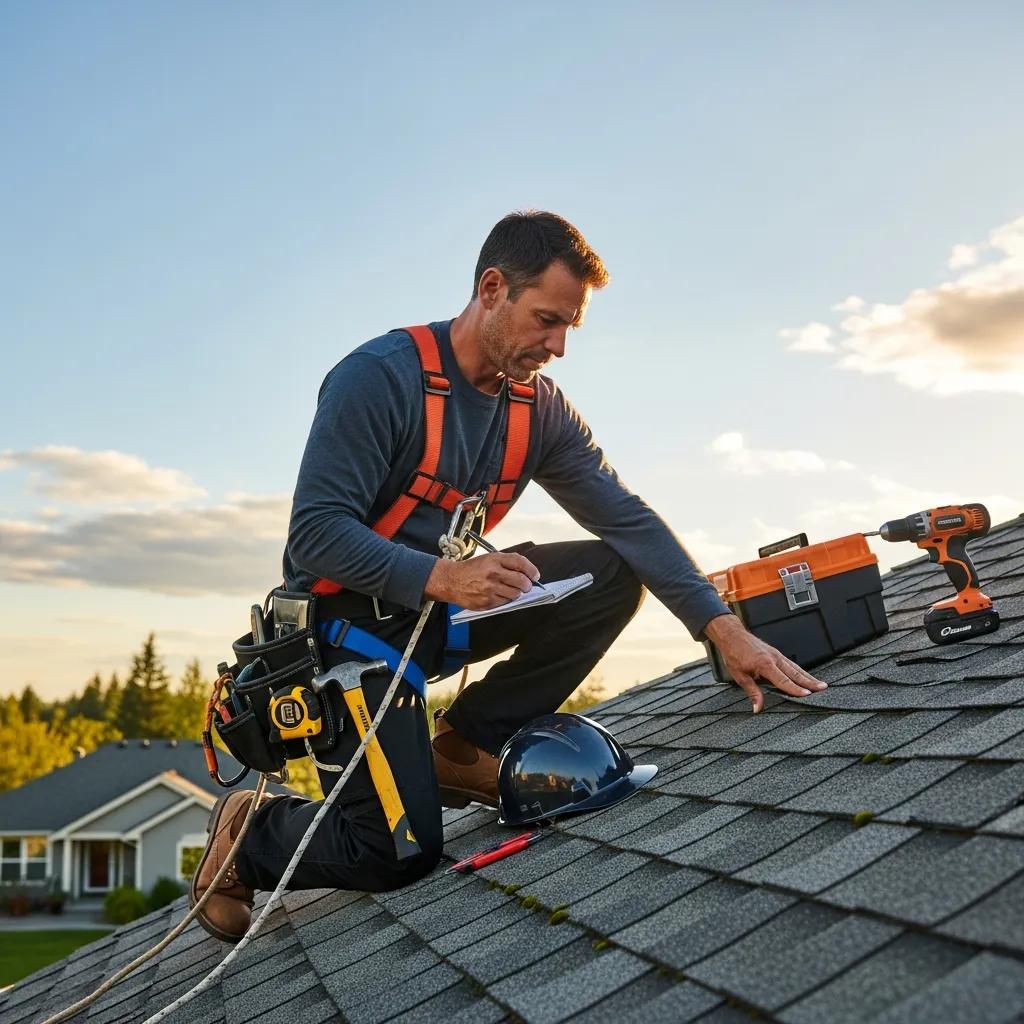
Find Trusted Roofing Companies Near Me for Quality Repairs
Find Trusted Local Roofing Companies for Dependable Repairs and Fast Service

Finding reputable roofing companies nearby means knowing how to spot licensed contractors, document damage quickly, and act after storm, fire, or water incidents. Adjustering connects homeowners and business owners with licensed public adjusters who pursue full insurance payouts and with vetted roofing, siding, and restoration professionals who restore properties properly. This page walks you through how to find local roofing and siding specialists, recognize urgent repair needs, follow the insurance claim process, and pick the right materials for repair or replacement. You’ll get practical inspection checklists, a clear claims workflow, and steps to verify contractor credentials so you can secure timely, thorough repairs. Topics covered include finding the best local roofers, signs you need repair or replacement, how public adjusters fit into claims, material comparisons, service areas, and emergency repair options to protect safety and property value.
How Do I Find the Best Local Roofing Companies Near Me?
Start by confirming credentials, reviewing recent projects, and asking targeted questions during estimates so you can compare scope, timelines, and warranties. A reputable roofer shows valid licensing and insurance, provides a written estimate, and shares photos of work that match the damage you’ve experienced. Begin with a documented inspection of visible issues—missing shingles, damaged flashing, or water stains—so you know the accurate scope for repair or replacement. Below we outline the specific qualities that set reliable contractors apart and the common services they offer, helping you create a short list of providers with the right experience and protections.
What Qualities Should I Look for in Trusted Roofing Contractors?
Trusted contractors provide verifiable licenses, proof of insurance, storm-damage experience, and clear written warranties that reduce homeowner risk. Ask for a license number and certificates for general liability and worker’s comp, then confirm those with the issuing authority or insurer before work begins. Look for warranties covering both materials and workmanship, and request references or a portfolio with projects similar to yours. The final check is a transparent written estimate that separates labor, materials, disposal, and any temporary mitigation like tarping so you can compare bids and avoid surprises.
Which Roofing Services Do Local Experts Commonly Offer?
Local roofers typically provide emergency tarping, leak detection and repair, full roof replacement, siding repair, gutter work, and inspections that document storm or fire damage. Emergency tarping or temporary patching protects the property immediately after a storm to prevent further water intrusion, while detailed leak detection finds issues hidden under shingles or in the attic. Full replacement is often recommended when damage is widespread or the roof is near the end of its life. Siding and gutter work frequently accompany roofing projects to restore the building envelope. Knowing these services helps you decide whether a temporary fix or a full restoration is right for your situation and insurer expectations.
- Introductory list: Three quick verification steps to start your contractor search
- Verify licensing and insurance: Request license and insurance proof before scheduling work.
- Request a written estimate: Confirm the estimate lists materials, labor, and any temporary protections.
- Check recent project photos and reviews: Make sure they have experience with storm or fire repairs.
This short checklist gives you a focused starting point for narrowing contractors. Next, we cover the signs that indicate repair versus replacement.
What Are the Signs That I Need Roof Repair or Replacement?

A roof needs repair or replacement when visible exterior damage, interior water intrusion, or structural issues threaten safety, energy efficiency, or the building’s integrity. Exterior warning signs include missing or curled shingles, large areas of granule loss, torn flashing, or displaced ridge caps after wind or hail. Interior signals—ceiling stains, attic moisture, mold growth, or wet insulation—point to active leaks that demand quick evaluation to prevent secondary damage. The H3 sections below explain how to spot storm damage early and when replacement is more cost-effective than patching, so you can document the condition for insurance purposes.
How Can I Detect Storm Damage and Roof Leaks Early?
Spot storm damage early by inspecting the exterior after a storm for missing shingles, dented gutters, and shifted flashing, and by checking the attic, ceilings, and insulation for moisture or staining. From the ground, scan the roofline for irregular shingle patterns and look for granule buildup in gutters and downspouts—often a sign of hail or severe wear. Safely inspect the attic for wet insulation, active drips, or daylight through the roof deck; these interior signs commonly appear before ceiling stains. Early detection reduces the risk of hidden structural damage and strengthens your evidence for an insurance claim.
When Is Roof Replacement Better Than Repair?
Replacement is usually the better option when damage is widespread, the roof is close to the end of its expected life, or repeated leaks have compromised decking or structure. If multiple adjacent shingles are missing over large areas or if decking shows rot, a full replacement restores long-term protection and can be more economical than repeated patching. Also consider replacement when the remaining useful life of the roof is limited—documenting this properly can affect insurance settlements for total loss. Weigh the roof’s age, damage extent, and potential insurer coverage to choose the solution that minimizes future risk and expense.
- Signs checklist: Immediate indicators to call a professional
- Active interior leaks: Visible water stains or dripping need urgent attention.
- Widespread shingle loss: Multiple missing or damaged shingles across the roof suggest systemic problems.
- Sagging or soft decking: Structural compromise usually requires full replacement for safety.
These indicators help prioritize safety and next steps. The following section explains the insurance claim process and how public adjusters can help.
How Does the Insurance Claim Process Work for Storm Damage Roof Repairs?

The insurance claim process for storm-damaged roofs starts with prompt documentation, filing the claim, an insurer inspection, and negotiation to agree on repair or replacement costs. Photograph all visible damage, secure temporary protection like tarping, and keep receipts for mitigation to support your claim. After you file, the insurer will send an adjuster to inspect; thorough documentation and a well-prepared scope influence the outcome. Public adjusters work for the homeowner to uncover additional or hidden damage and negotiate settlements, while contractors provide estimates that align with the documented scope to help maximize compensation.
| Participant | Role in the Claim | Typical Actions |
|---|---|---|
| Homeowner | Document and initiate | Photograph damage, file the claim, arrange temporary mitigation |
| Public Adjuster | Advocate and documenter | Inspect, prepare a scope of loss, negotiate with the insurer on your behalf |
| Contractor | Repair and estimate | Provide detailed repair or replacement estimates and repair plans |
This table lays out each party’s role during a storm-damage claim and shows how documentation and coordination affect results.
How Can Public Adjusters Help Maximize My Insurance Settlement?
Public adjusters represent you to ensure the insurer recognizes the full extent of damage and pays a fair settlement—often requiring more detailed documentation than a standard claim. They inspect thoroughly, find hidden issues like water under flashings or decking damage, and prepare a comprehensive scope aligned with contractor estimates. Public adjusters negotiate directly with carriers over coverage disputes or underpayments and coordinate with contractors so the repair scope supports full restoration. Knowing this advocacy role helps you follow the right steps after a damaging event.
| Role | Responsibility | Specific Deliverable |
|---|---|---|
| Homeowner | Initiate mitigation | Photos, temporary tarping, claim filing |
| Public Adjuster | Claim preparation | Detailed scope of loss and negotiation documentation |
| Contractor | Scope validation | Line-item estimates and repair schedules |
This table explains how the homeowner, public adjuster, and contractor coordinate to document damage and align on repairs that support a full insurance payout.
What Steps Should I Take After Storm or Fire Damage to My Roof?
After storm or fire damage, prioritize safety: keep occupants away from hazards, document all damage with time-stamped photos, and secure temporary protections to prevent further loss while preserving evidence for your claim. Contact a licensed contractor for a quick assessment and request a written estimate that details necessary repairs and any temporary mitigation. Consider hiring a public adjuster if the claim is complex, underpaid, or if you suspect missed damage—they’ll prepare a full scope and negotiate with the insurer to pursue proper compensation. These immediate steps—safety, documentation, temporary protection, and coordinated assessment—create a clear record that supports better claim outcomes and faster restoration.
- Emergency steps numbered checklist:
- Ensure safety: Evacuate unsafe areas and keep people away from damaged zones.
- Document damage thoroughly: Take photos and videos of exterior and interior damage.
- Arrange temporary mitigation: Use tarping or board-up to prevent further water or smoke intrusion.
These actions set priorities for the first 24–72 hours. The next section compares material choices for repair and replacement decisions.
What Roofing Materials and Repair Options Are Best for My Property?
Material choice depends on local climate, storm-resistance needs, budget, building type, and insurance considerations. The most common options are asphalt shingles, metal roofing, and flat-roof membrane systems. Asphalt shingles are economical for residential roofs and have predictable replacement costs insurers understand. Metal roofing offers long life and strong wind/hail resistance but with higher upfront cost; it can reduce long-term repair needs. Flat roofs—typical on commercial buildings—use membrane systems that prioritize drainage and preventing ponding; repairs usually focus on patching and membrane replacement when leaks appear.
| Material | Durability | Lifespan (Typical) | Insurance Considerations |
|---|---|---|---|
| Asphalt Shingle | Moderate | 15–30 years | Commonly covered; replacement costs are generally predictable |
| Metal | High | 40+ years | Strong storm resistance; higher initial cost but lower lifetime repairs |
| Flat Membrane | Variable | 10–25 years | Requires regular maintenance; ponding can increase claim frequency |
This comparison shows the trade-offs between cost, lifespan, and storm resilience to help you choose the right material for repair or replacement.
What Are the Benefits of Metal, Shingle, and Flat Roofing?
Metal roofing offers excellent wind and impact resistance, long lifespan, and lower long-term maintenance compared to shingles—ideal where storm durability matters. Asphalt shingles have a lower initial cost and straightforward installation, with many insurers familiar with typical pricing and repair scopes. Flat roofing systems are suited to commercial buildings with low slopes and require continuous membranes and specific drainage solutions; repairs commonly address seam failures, membrane breaches, and flashing details. Weigh these strengths against budget and expected service life to select the most practical solution for your property.
How Do I Choose Between Residential and Commercial Roofing Solutions?
Choose based on building type, load requirements, membrane complexity, and warranty or code obligations that differ between single-family homes and commercial structures. Commercial roofs often need specialized membranes, roof drains, supports for mechanical equipment, and code compliance for rooftop work. Residential roofs focus on pitched systems and attic ventilation. Contractors with commercial experience bring different certifications and project management skills than residential roofers—verify a contractor’s portfolio matches your property type so the solution meets performance, warranty, and compliance needs.
- Summary insight: Balance upfront cost with long-term resilience and insurer expectations when selecting materials.
Where Can I Find Trusted Roofing and Siding Specialists Near Me?
Start by searching providers that service your county or region, verify their credentials, and request same-day inspections for urgent damage to limit secondary loss. Adjustering provides quick access to vetted local experts and licensed public adjusters across multiple counties, coordinating inspections and connecting property owners with specialists who handle emergency tarping, detailed damage documentation, and complete restoration. When selecting contractors, prioritize local references and experience with insurance claims in your area so repair scopes align with insurer practices and local building codes.
| County / Region | Services Offered | Typical Value |
|---|---|---|
| Philadelphia County | Emergency repairs, inspections, full replacement | Same-day assessments available in many cases |
| Bucks & Montgomery Counties | Siding repair, roof tarping, leak repair | Local crews familiar with regional storm patterns |
| Chester & Delaware Counties | Full restoration, insurance-aligned estimates | Coordination with adjusters for claims |
| South Jersey & Central Jersey | Emergency tarping, replacement, siding services | Fast local response through established contractor networks |
This service-area table shows where vetted roofing and siding specialists commonly operate and the core services they provide to restore properties.
Which Counties and Cities Do Trusted Roofers Serve in Pennsylvania and New Jersey?
Trusted roofers commonly serve Philadelphia, Bucks, Montgomery, Chester, and Delaware counties in Pennsylvania, plus South Jersey and Central Jersey regions—offering emergency repairs, inspections, and full replacements for homes and businesses. Local contractors in these areas understand regional storm patterns and insurance practices, which helps them prepare claims-ready documentation after high-wind or hail events. For town-specific availability or same-day inspections, request an immediate assessment from a vetted provider who knows local permitting and code requirements. Focusing on contractors who can respond quickly and coordinate with adjusters speeds a complete restoration.
How Do I Verify Licensing and Insurance for Local Roofing Contractors?
Ask contractors for their license number, general liability policy and limits, and worker’s compensation proof, then confirm those details with the issuing authority or insurer before work begins. Get written evidence and a clear contract that defines payment milestones, warranty terms, and cleanup responsibilities—reputable contractors will provide these without hesitation. Also check local reviews and recent project photos, and ask if the contractor has experience preparing insurer-ready scopes after storms or fires. These verification steps help reduce fraud risk, ensure accountability, and strengthen your documentation for an insurance claim.
- Verification checklist:
- Request license and insurance details: Ask for documents and confirm with the issuing authority.
- Obtain a written contract and warranty: Ensure terms are clear and signed before work starts.
- Check references and recent work: Confirm similar projects and insurer-claim experience.
These verification steps protect your interests and make coordination with adjusters and contractors smoother during restoration.
What Emergency Roof Repair Services Are Available for Urgent Damage?
Emergency services include same-day or rapid-response tarping, temporary patching, leak mitigation, debris removal, and quick structural assessments to prevent further interior damage and preserve claim eligibility. Skilled crews install protective tarps, board up openings, and apply temporary fixes to stop active leaks until a full repair or replacement can be scheduled. Response times depend on crew availability and weather, but many local networks prioritize urgent calls from homeowners and businesses after storms or fires. The sections below describe typical scheduling timelines and common emergency issues that need immediate professional attention.
How Quickly Can Emergency Roof Repairs Be Scheduled Near Me?
Emergency repairs are often scheduled the same day or within 24–48 hours depending on crew availability, weather, and damage severity—some networks offer 24/7 response for life-safety threats and major leaks. Rapid scheduling depends on safe access to the property and whether temporary mitigation like tarping can be done quickly; hazardous conditions may require extra safety measures that affect timing. Adjustering speeds connections to vetted local experts and licensed public adjusters so homeowners can secure immediate inspections, temporary protections, and documented scopes that support insurance claims. Understanding these response factors sets realistic expectations for initial repair visits.
What Common Emergency Roofing Issues Require Immediate Attention?
Emergency issues that need immediate attention include active interior leaks, large roof sections blown off exposing decking, significant structural sagging, and major debris or fallen trees that compromise roof integrity and occupant safety. Active leaks can quickly damage ceilings, insulation, and electrical systems and should be stopped with tarps or temporary patches to avoid escalating losses. Structural compromise—like a sagging roof deck—poses immediate safety hazards and may require emergency shoring or expedited replacement. Addressing these emergencies quickly preserves property value and supports clearer insurance documentation.
- Emergency contact prompt list:
- Document and secure: Photograph damage and install temporary tarps to limit further loss.
- Prioritize safety: Avoid roof access and clear areas of falling-debris hazards.
- Engage coordinated help: Contact a public adjuster and a vetted contractor network to document damage and begin repairs.
This urgent guidance highlights immediate steps—if you’re dealing with storm, fire, roof, siding, or water damage now, request a coordinated inspection and emergency mitigation to protect your property and insurance claim.
Frequently Asked Questions
What should I do if I suspect my roof has hidden damage?
If you suspect hidden damage, inspect both the interior and exterior carefully. Look for water stains on ceilings, mold in the attic, or missing shingles on the roof. Hire a professional roofing contractor for a detailed assessment to find issues that aren’t immediately visible. Document any findings with photos and notes—those records are useful if repairs require an insurance claim.
How can I prepare for a roofing contractor's visit?
Gather relevant documents like previous repair records, insurance information, and photos of the damage. Prepare a list of questions about experience, warranty options, and recommended materials. Clear the area around your home to give the contractor easy equipment access. This preparation helps ensure a focused visit and a more accurate estimate.
What are the typical costs associated with roof repairs?
Costs vary based on damage extent, materials, and local labor rates. Minor repairs—like replacing a few shingles—can cost a few hundred dollars. More extensive work, such as replacing a roof section, often ranges from $1,000 to $3,000 or more. Get multiple estimates to understand market rates and confirm you’re getting a fair price for the work needed.
How long does a roof repair typically take?
Repair time depends on damage and scope. Minor fixes—replacing a few shingles or stopping a small leak—may take a few hours. Larger repairs or partial replacements can take one to several days. Weather and contractor schedules also affect timing, so discuss expected duration up front to set realistic expectations.
What should I do if my insurance claim is denied?
If a claim is denied, read the denial letter to understand the reasons—common causes include insufficient documentation or unmet policy conditions. You can appeal by submitting additional evidence, such as detailed photos and contractor estimates. Consider consulting a public adjuster who can review the denial, prepare a stronger scope of loss, and advocate for a fair outcome.
Are there financing options available for roof repairs?
Yes. Many contractors offer financing, payment plans, or credit programs to spread repair costs over time. Some local programs or non-profits also provide assistance or grants—especially for low-income homeowners. Discuss financing with your contractor and explore available local resources to find an option that fits your budget.
