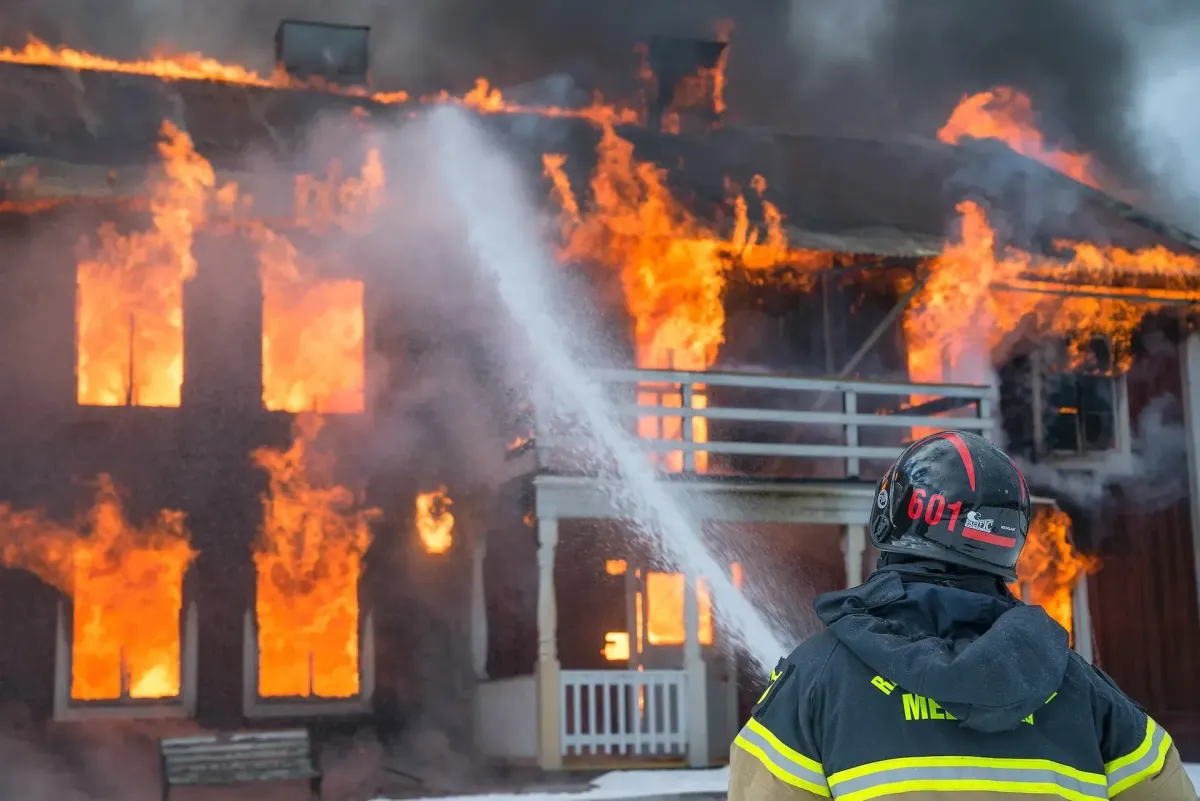
Essential Steps in Smoke Damage Cleanup
Essential Steps in Smoke Damage Cleanup: Comprehensive Guide to Restoration and Insurance Claims

Smoke damage affects both a property's fabric and the health of occupants. This guide summarises the essential steps for cleanup, identifies types of smoke damage, outlines health risks, and describes cleaning, restoration and prevention measures. It also covers costs and insurance procedures to help property owners manage restoration and claims.
Guide to Smoke Damage Cleanup and Restoration
Cleanup requires prompt, methodical action to limit harm. Identifying the smoke type—wet, dry or protein—determines remediation techniques, and recognising health risks helps teams prioritise safety during restoration.
Immediate Actions After Smoke Damage:
Following smoke damage, take prompt measures to secure people and property. The steps below establish initial safety and documentation requirements.
- Ensure Safety: Before entering the property, ensure that it is safe to do so. Check for structural damage and potential hazards.
- Document Damage: Take photographs and videos of the damage for insurance purposes. This documentation will be essential when filing claims.
- Contact Professionals: Reach out to smoke damage restoration professionals who can assess the situation and provide the necessary cleanup services.
Types of Smoke Damage:

Effective remediation requires distinguishing among primary smoke categories. The principal types are listed below and inform cleaning protocols.
- Wet Smoke Damage: Caused by smoldering fires, this type of damage leaves a sticky residue and a strong odor.
- Dry Smoke Damage: Resulting from high-temperature fires, dry smoke damage is less sticky but can penetrate deeper into materials.
- Protein Smoke Damage: This type of damage is often associated with kitchen fires and leaves a yellowish residue that can be difficult to clean.
Health Risks:
Smoke residues present measurable health hazards, particularly for susceptible individuals. The following items summarise key concerns to inform safety decisions.
- Respiratory Issues: Inhalation of smoke particles can lead to respiratory problems, including asthma and bronchitis.
- Long-term Exposure Effects: Prolonged exposure to smoke residues can result in chronic health issues, including lung disease.
- Vulnerable Populations: Children, the elderly, and individuals with pre-existing health conditions are at greater risk from smoke exposure.
Research documents substantial adverse effects of smoke exposure on the respiratory system, reinforcing the need for professional assessment and remediation.
Smoke Inhalation Health Risks & Respiratory Symptoms
Health consequences from burning agricultural residue have been documented; exposure can cause respiratory symptoms in susceptible populations.
Cleaning and Restoration Process:

Restoration is staged: assessment, soot and residue removal, then targeted odor control to restore habitability.
- Assessment of Damage: Professionals will conduct a detailed assessment to determine the extent of the damage.
- Soot and Smoke Removal: Specialized equipment and techniques are used to remove soot and smoke residues from surfaces.
- Odor Control: Effective deodorization methods are employed to eliminate lingering smoke odors, ensuring a safe and pleasant environment.
Costs of Smoke Damage Restoration:
Restoration expenses vary with the scope of damage and required interventions. The considerations below affect cost estimates and planning.
- Cost Range for Restoration: Restoration costs can range from a few hundred to several thousand dollars, depending on the extent of the damage.
- Factors Affecting Costs: Factors such as the size of the affected area, the type of smoke damage, and the materials involved can influence overall costs.
- Insurance Coverage Considerations: Understanding your insurance policy is crucial, as many policies cover smoke damage restoration.
| Service | Cost | Description |
|---|---|---|
| Smoke Damage Assessment | $200 - $500 | Professional evaluation of smoke damage extent. |
| Soot Removal | $500 - $2,000 | Cleaning of surfaces affected by soot and smoke. |
| Odor Removal | $300 - $1,500 | Techniques to eliminate smoke odors from the property. |
Preventative measures reduce the likelihood of future incidents. The measures below are recommended for property safety and risk reduction.
- Install Smoke Detectors: Ensure that smoke detectors are installed and functioning properly throughout the property.
- Safe Cooking Habits: Practice safe cooking techniques to minimize the risk of kitchen fires.
- Flammable Materials Management: Store flammable materials safely and away from heat sources.
Filing Insurance Claims for Smoke Damage
Filing an insurance claim for smoke damage requires organisation and prompt action. Know your insurer's procedures to expedite resolution.
Initial Steps:
When initiating a claim, follow these primary steps to preserve evidence and notify relevant parties.
- Report the Loss: Notify your insurance company about the smoke damage as soon as possible.
- Document Damage: Provide detailed documentation of the damage, including photographs and a list of affected items.
- Notify Professionals: Inform restoration professionals about the claim to ensure they can assist with the process.
Engaging a Public Adjuster:
Hiring a public adjuster can help navigate the claims process by representing the policyholder, assisting with documentation, and negotiating for equitable compensation.
- Role of Public Adjusters: They represent the policyholder's interests and ensure fair compensation.
- Maximizing Settlements: Public adjusters are skilled negotiators who can help secure a higher settlement.
- Documentation Assistance: They assist in gathering and organizing necessary documentation for the claim.
Documentation for Claims:
Accurate and complete documentation is essential. Provide photographic evidence, a detailed inventory of affected items, and records of any repair or restoration invoices when submitting a claim.
- Photos and Videos: Visual evidence of the damage is essential for substantiating your claim.
- Inventory of Damaged Items: Create a detailed list of all items affected by smoke damage.
- Receipts and Invoices: Include any receipts for repairs or restoration services.
Claim Process:
The claims workflow involves notifying the insurer, permitting inspections, and reviewing settlement proposals. Keep organised records and respond promptly to requests to avoid delays.
- Notify Insurer: Inform your insurance company about the claim and provide necessary documentation.
- Host Inspections: Allow the insurance adjuster to inspect the damage and assess the claim.
- Review Offers: Carefully review any settlement offers and negotiate if necessary.
Understanding Coverage:
Review your policy to determine coverage scope and any exclusions or limits. Consult with qualified adjusters if terms are unclear.
- Homeowners' Policy Coverage: Most homeowners' policies cover smoke damage, but specifics can vary.
- Consulting with Adjusters: Engaging with insurance adjusters can clarify coverage details.
- Policy Specifics: Review your policy for any exclusions or limitations related to smoke damage.
Timelines:
Settlement durations vary by claim complexity and responsiveness of involved parties. Expect timelines from several weeks to multiple months for full resolution in more complex cases.
- Settlement Times: Claims can take anywhere from a few weeks to several months to settle.
- Factors Affecting Timelines: The complexity of the claim and the responsiveness of all parties involved can impact the timeline.
- Complexity of Claims: More complex claims may require additional documentation and time for resolution.
What Are the Initial Actions After Experiencing Smoke Damage?
Immediate steps focus on safety, documentation, and engaging qualified remediation professionals. These actions preserve evidence and reduce additional loss.
- Ensure Safety: Assess the property for hazards before entering.
- Document Damage: Capture evidence of the damage for insurance claims.
- Contact Professionals: Reach out to smoke damage restoration experts for assistance.
How to Conduct a Thorough Smoke Damage Assessment
A comprehensive assessment pairs a visual inspection with specialised detection tools to identify visible and concealed residues and to quantify affected materials.
- Initial Inspection: Begin with a visual inspection of the affected areas.
- Evaluation Techniques: Use specialized tools to detect hidden smoke residues.
- Necessary Tools: Equip yourself with appropriate tools for a comprehensive assessment.
Why Immediate Fire Damage Cleanup Is Crucial
Timely remediation reduces health risks and limits progressive material deterioration; delays often increase restoration scope and cost.
- Health Risks: Smoke residues can pose serious health risks if not addressed promptly.
- Further Property Damage: Delaying cleanup can lead to additional damage and higher restoration costs.
- Comprehensive Cleanup: A thorough and timely cleanup process can restore the property more effectively.
Which Professional Smoke Damage Restoration Services Are Available?
Restoration providers offer coordinated services covering contamination removal, structural repairs, and water-damage remediation when required.
- Smoke and Soot Removal: Experts use specialized equipment to remove smoke and soot from surfaces.
- Structural Repairs: Restoration services can address any structural damage caused by the fire.
- Water Damage Restoration: If water was used to extinguish the fire, restoration services can also address water damage.
What Does Smoke Odor Removal Entail in Restoration?
Odor removal combines thorough cleaning with targeted deodorization technologies. Final verification ensures persistent odours have been neutralised to acceptable standards.
- Deodorization Techniques: Professionals use advanced deodorization methods to eliminate smoke odors.
- Cleaning and Preparation: Thorough cleaning of affected areas is essential before deodorization.
- Final Inspection: A final inspection ensures that all odors have been effectively removed.
Technical deodorization methods and emission-control technologies provide the foundation for effective odour removal in restoration projects.
Smoke Odor Removal Technologies & Deodorization Methods
The referenced article summarises technologies for gas deodorization, distinguishing methods that prevent emissions from those that remove malodorous substances from emitted gas streams.
How Do Experts Repair and Restore Property After Smoke Damage?
Practitioners employ a staged methodology: document and assess, stabilise the property, perform repairs and cleaning, then complete a final inspection to confirm restoration standards have been met.
- Assessment and Documentation: A detailed assessment is conducted to document the extent of the damage.
- Emergency Stabilization: Immediate stabilization measures are taken to prevent further damage.
- Final Inspection: A thorough inspection is performed to ensure the property is restored to its pre-damage condition.
How to Navigate Property Damage Insurance Claims for Smoke Damage?
Efficient claims management relies on organised documentation, timely notification, and, where appropriate, engagement of professional advocates to represent the policyholder's interests.
- Documentation Required: Ensure you have all necessary documentation ready for submission.
- Engaging Public Adjusters: Consider hiring a public adjuster to assist with the claims process.
- Claim Process: Familiarize yourself with the steps involved in filing a claim.
What Documentation Is Required for Insurance Claims?
Compile clear photographic evidence, a comprehensive inventory of damaged items, and copies of receipts or invoices for repair work. Maintain contemporaneous records of all communications with insurers and contractors.
- Photos and Videos: Visual evidence of the damage is crucial.
- Inventory of Damaged Items: A detailed list of affected items is necessary.
- Receipts and Invoices: Include any relevant receipts for repairs or restoration services.
How Can Public Adjusting Services Maximize Your Settlement?
Public adjusters assist by conducting exhaustive damage assessments, quantifying losses, compiling documentation, and negotiating with insurers to pursue equitable settlement outcomes on behalf of the policyholder.
- Damage Assessment: They provide a thorough assessment of the damage to ensure all losses are accounted for.
- Documentation and Quantification: Public adjusters assist in gathering and quantifying necessary documentation for the claim.
- Negotiation with Insurers: They negotiate with insurance companies to secure a fair settlement.
When Should Property Owners Choose Professional Cleanup Over DIY Methods?
Professional services are recommended when damage is extensive, when hazardous residues are present, or when specialised equipment and expertise are required to meet safety and restoration standards.
- Extent of Damage: If the damage is extensive, professional services are often more effective.
- Health Risks: Professionals have the expertise to handle hazardous materials safely.
- Specialized Equipment: Restoration professionals have access to specialized equipment that may not be available to homeowners.
What Are the Health Risks Associated with Smoke Residue?
Smoke residues can cause respiratory irritation and, with prolonged exposure, contribute to chronic respiratory conditions. Vulnerable groups, including children and the elderly, face increased risk and should avoid exposure until remediation is complete.
- Respiratory Issues: Inhalation of smoke particles can lead to respiratory problems.
- Long-term Exposure Effects: Prolonged exposure can result in chronic health issues.
- Vulnerable Populations: Certain groups, such as children and the elderly, are at greater risk.
How Do Costs and Timelines Compare Between DIY and Professional Services?
Initial DIY savings may be offset by incomplete remediation and higher long-term costs. Professionals generally complete work more efficiently and reduce health and rework risks through certified methods and equipment.
- Cost Considerations: DIY methods may seem cheaper initially but can lead to higher costs if not done correctly.
- Time Efficiency: Professional services often complete the job more quickly and effectively.
- Health Risks: Professionals are trained to handle hazardous materials safely, reducing health risks.
For further information or to contact professionals, consult our website.
Frequently Asked Questions
What are the long-term effects of smoke damage on health?
Long-term exposure to smoke can cause chronic respiratory conditions such as chronic bronchitis and asthma, and has been associated with elevated risk of more serious conditions including lung cancer. Fine particulate matter penetrates deep into the lungs, inducing inflammation and sustained impairment. Address smoke damage promptly to reduce these risks.
How can I prevent smoke damage in my home?
Prevention requires active risk management: install and regularly test smoke detectors, observe safe cooking practices, store flammable materials away from heat, ensure adequate ventilation, and maintain heating and cooking appliances according to manufacturer guidance.
What should I do if I suspect hidden smoke damage?
If hidden smoke damage is suspected, perform a visual inspection for discoloration and persistent odours, and engage a professional restoration service. Specialists use diagnostic tools to detect concealed residues and to determine the appropriate remediation scope.
Are there specific cleaning products recommended for smoke damage?
Use industrial-grade degreasers and cleaners formulated for soot and smoke residues. Household cleaners are frequently inadequate and may cause further damage. Follow manufacturer instructions and seek professional advice when in doubt.
How can I ensure my insurance claim for smoke damage is successful?
Document all damage thoroughly with photographs and detailed descriptions, retain records of communications and invoices, and consider engaging a public adjuster to support the claims process. Review your policy to understand coverage limits and exclusions.
What are the signs that I need professional smoke damage restoration?
Persistent odours, visible soot accumulation, and health symptoms among occupants indicate the need for professional restoration. When damage is extensive or the extent is uncertain, retain qualified contractors to perform a comprehensive assessment and remediation.
