Emergency Restoration vs Full Restoration: Which to Choose?
Emergency Restoration vs Full Restoration: What Property Owners Need to Know to Recover Safely and Completely

When water, fire, or storm damage hits, it helps to know the difference between emergency restoration and full property restoration. That distinction lets you prioritize actions that keep people safe, protect property value, and preserve the documentation insurers need.
Emergency restoration covers the immediate, short-term steps that stop ongoing loss and stabilize a building. Full restoration is the longer, coordinated rebuild that returns a property to its pre-loss condition.
Why it matters: quick mitigation reduces secondary problems like mold and structural weakening, and a coordinated full restoration ensures code compliance, habitability, and lasting repairs.
This article walks through what each phase includes, how they connect, typical timelines and insurance considerations, and the first practical steps owners should take after damage occurs.
You’ll also see how a coordinated approach—bringing together public adjusters and vetted contractors—improves insurance recoveries and speeds a safe, complete rebuild.
What Is Emergency Restoration and Why Is It Critical?
Emergency restoration is the rapid set of mitigation actions taken immediately after a loss to stop active damage, protect people, and preserve evidence for a claim. The idea is straightforward: stop the source or exposure, remove bulk hazards (water, smoke, debris), and stabilize the building envelope so problems don’t compound. Acting quickly reduces total loss and increases the odds insurers will cover both mitigation and later reconstruction, because timely steps show reasonable care and limit accelerated deterioration. Fast response also safeguards health by preventing mold and reducing electrical or structural risks that could expand the repair scope later.
The next sections list common emergency services and explain how each limits further damage.
Which Immediate Services Are Included in Emergency Property Restoration?
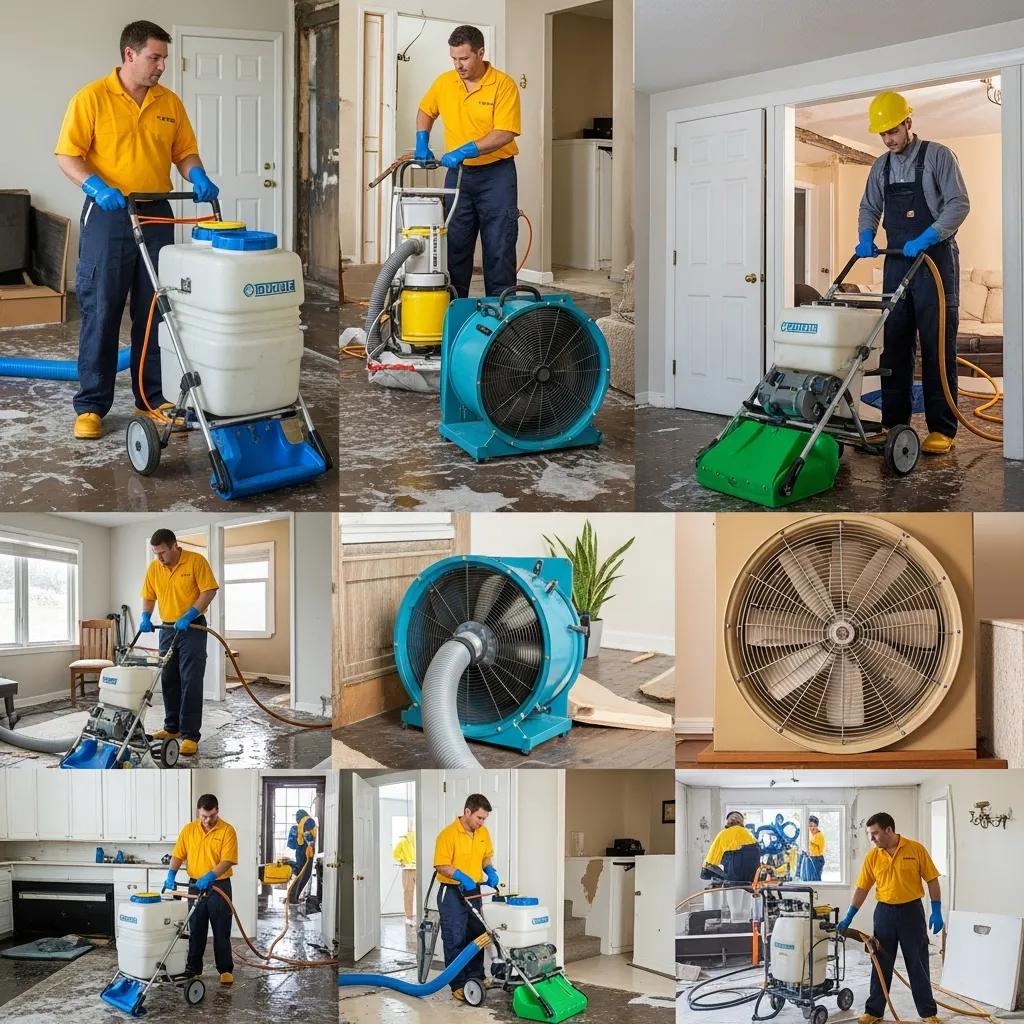
Typical emergency restoration services include water extraction and drying, boarding or tarping openings, temporary roof repairs, and isolating electrical hazards when needed. Water is removed with pumps and portable equipment, then drying and dehumidification follow to stop mold growth. Board-up and tarping secure openings after storm or impact damage and protect interiors and contents. Temporary roof fixes and shutting off power where hazards exist reduce the chance of collapse or fire while permanent work is planned. These interventions are usually completed within hours to 48 hours, depending on access and the severity of hazards.
How Does Emergency Restoration Prevent Further Property Damage?
Emergency restoration breaks common cause-and-effect chains—water → mold, open roof → more interior damage, compromised wiring → fire risk. Rapid drying and dehumidification remove the moisture mold needs to grow, while containment and cleaning limit cross-contamination between areas. Stabilizing structure and adding temporary supports lowers the chance of progressive collapse or wider damage after storms or impacts. Documenting conditions during emergency work—photos, time-stamped reports, and equipment logs—preserves evidence for the insurance claim and helps define the scope for full restoration.
The section below explains what full restoration covers after emergency mitigation is finished.
What Does Full Restoration Entail in Property Damage Repair?

Full property restoration is the complete reconstruction and repair process that returns a building to its pre-loss condition. It covers structural framing, envelope replacement, system repairs, and interior finishes. The process includes a detailed assessment, scope development, permitting, phased reconstruction, and final inspections to meet code and habitability standards. The goal is full recovery: restored structure, working systems, and finished spaces so occupants can return safely. Full restoration coordinates multiple trades—roofing, siding, electrical, plumbing, HVAC, insulation, carpentry, and finishes—on a managed schedule to minimize delays and ensure warranty-backed workmanship.
Below are the typical phases most projects follow, then we cover the specific repair categories that matter most.
Which Comprehensive Repairs Are Part of Full Property Damage Restoration?
Full restoration includes structural repairs like framing and roof replacement; envelope work such as siding and window replacement; system repairs for electrical, plumbing, and HVAC; and interior finishes like drywall, flooring, cabinetry, and paint. Framing repairs address compromised load-bearing members to re-establish safety and layout. Envelope work—roof deck replacement, siding replacement, and window resealing—restores weather protection and energy efficiency. Mechanical repairs ensure safe electrical distribution, plumbing integrity, and climate control before interior finishes proceed. Because many of these tasks require permits and inspections, thorough documentation and contractor coordination are essential to avoid rework and meet code.
How Does Full Restoration Restore Properties to Pre-Loss Condition?
Full restoration follows a clear sequence: comprehensive assessment, detailed scope and estimate, permitting and inspections, phased reconstruction, and final validation with a punch-list. Assessments use visual checks, thermal imaging, and content inventories to define loss extent and salvageable items. The scope converts the assessment into line-item tasks and materials, which supports insurance negotiations and supplements if hidden damage appears. Permits and inspections at structural, electrical, and plumbing milestones ensure reconstructed elements meet local regulations. A final walkthrough and documented sign-off confirm the property meets pre-loss standards and that warranties or quality assurances are in place.
What Are the Main Differences Between Emergency and Full Restoration?
Emergency restoration and full restoration differ in scope, timeline, goals, and how insurers usually handle each phase during a claim. Emergency work is narrowly focused, immediate, and centered on mitigation and safety over hours to days. Full restoration is broader and permanent, centered on reconstruction over weeks to months. Costs differ: emergency mitigation is urgent and usually limited in cost but prevents much larger reconstruction expenses; full restoration typically represents the bulk of the claim and needs detailed estimates and approvals. Insurers generally accept reasonable emergency mitigation as necessary to limit loss, while full restoration requires comprehensive documentation and may involve supplements.
Different timelines, goals, and services drive the actions taken during recovery.
| Phase | Primary Goal | Typical Services | Insurance Focus |
|---|---|---|---|
| Emergency Restoration | Stop active loss and stabilize | Water extraction, drying, board-up, temporary tarping, emergency roof repair | Usually approved as necessary mitigation; document for claim |
| Full Restoration | Return to pre-loss condition | Structural repairs, full roof/siding replacement, systems and finish reconstruction | Requires detailed scopes, permits, and negotiations for full payout |
| Transitional/Overlap | Convey findings to reconstruction team | Detailed damage assessment, content pack-out, supplemental documentation | Supplements may be filed when hidden damage is found |
This side-by-side shows why a prompt emergency response directly affects the scale and cost of the later rebuild.
How Do Scope, Timeline, and Goals Differ Between Emergency and Full Restoration?
Scope, timeline, and goals separate the two phases: emergency restoration targets immediate hazards and uses temporary measures, while full restoration focuses on permanent fixes and a comprehensive rebuild. Emergency timelines run from immediate response up to 48–72 hours for full mitigation, emphasizing speed. Full restoration timelines range from weeks for moderate repairs to several months for major reconstruction, driven by permits, material lead times, and contractor scheduling. The phases work together: emergency mitigation reduces additional damage and narrows the eventual restoration scope, while full restoration reconstitutes structure and finishes to pre-loss standards. Knowing this connection helps owners prioritize quick mitigation and prepare for the longer rehabilitation process.
What Are the Insurance Implications for Emergency vs Full Restoration?
Insurers typically cover reasonable emergency mitigation that prevents further loss, but they expect prompt documentation and follow-up with a detailed reconstruction scope. Submit initial emergency invoices and photos quickly to support coverage; failing to document can create disputes over necessity or scope. Full restoration claims often require line-item estimates, permit-ready scopes, and may need supplements when hidden damage (for example, mold behind walls) appears during reconstruction. Public adjusters can spot underreported damage and negotiate supplements, while contractors provide technical scopes and cost-backed change orders.
The next section explains how a coordinated service like Adjustering helps connect these roles effectively.
How Does Adjustering Coordinate Emergency and Full Restoration Services?
Adjustering connects homeowners and businesses with licensed public adjusters and vetted roofing, siding, and restoration experts so mitigation and reconstruction move smoothly. Our role is referral and coordination: we speed access to local specialists, help align adjuster documentation with contractor scopes, and reduce homeowner stress by centralizing communication across claim and restoration workflows.
We emphasize a coordinated process so emergency mitigation is documented and handed off cleanly into full restoration planning—supporting more complete insurance payouts and more efficient rebuild schedules. The table below shows how Adjustering typically links stakeholders and responsibilities through each recovery phase.
| Recovery Phase | Responsibility | Adjustering Role/Value |
|---|---|---|
| Emergency Response | Mitigation contractors, emergency crews | Fast referral to local mitigation teams and emergency roof/siding services to stabilize property within hours |
| Claim Documentation | Public adjuster | Referral to licensed public adjusters who document loss in detail and advocate for full insurance payout |
| Reconstruction | Vetted contractors (roofing, siding, restoration) | Coordinate between adjuster and contractors so scopes match insurer expectations and quality standards |
| Project Closeout | Homeowner + contractor + adjuster | Facilitate communication, ensure punch lists and final inspections are complete, and reduce homeowner stress |
This process map shows how an end-to-end network reduces friction and helps maximize claim outcomes.
What Role Do Public Adjusters Play in Maximizing Insurance Claims?

Public adjusters act as advocates for policyholders: they inspect sites, document damage, prepare detailed scopes, and negotiate with insurers on the owner’s behalf. Their process typically follows this path: inspect and document, prepare an itemized scope of loss, submit the claim and pursue supplements when needed, and oversee settlement delivery to cover full restoration costs. With technical knowledge of policy language and construction pricing, public adjusters can uncover missed damage—hidden structural issues or mold—and increase the chance of a full payout. Their work is most effective when emergency mitigation records and contractor estimates are available to substantiate the scope.
How Do Vetted Contractors Ensure Quality Restoration Work?
Vetted contractors provide quality by holding proper licenses and insurance, giving documented estimates and materials specs, following permit and inspection processes, and offering workmanship guarantees. Vetting looks at license verification, proof of insurance, references, past project records, and clear change-order procedures. During restoration, contractors coordinate with the public adjuster to adapt scopes if supplemental damage appears, manage timelines and inspections, and limit scope creep. Quality controls—staged inspections and final walkthroughs with documented punch lists—help ensure full restoration reaches pre-loss condition and reduces callbacks.
When Should Homeowners and Business Owners Act on Emergency and Full Restoration?
Owners should act immediately to ensure safety, limit damage, and protect insurance rights, then move into full restoration planning once the property is stabilized and documented.
The first 24–48 hours are critical for safety checks, stopping active sources, and engaging emergency mitigation to avoid secondary losses. After emergency work, stakeholders should agree on scope and timing for full restoration, consider a public adjuster if the claim is complex, and coordinate with vetted contractors for estimates and permits.
Timely action at each stage limits cost escalation, shortens disruption, and increases the chance of a complete, properly funded rebuild.
- Ensure Safety: Shut off utilities if unsafe, evacuate occupants, and address immediate hazards.
- Mitigate Further Damage: Arrange water extraction, board-up, or tarping to stabilize the property.
- Document Loss: Photograph and video the damage thoroughly and keep receipts for emergency expenses.
- Notify Insurer: Report the claim promptly and provide initial documentation of emergency mitigation.
- Engage Experts: Contact a licensed public adjuster and vetted restoration contractors to coordinate assessment and estimates.
Following these steps reduces uncertainty and preserves evidence. The next subsection explains how Adjustering speeds referrals to local experts.
What Are the First Steps After Property Damage Occurs?
Immediately prioritize human safety, property stabilization, and documentation to support claims and restoration planning. First, confirm everyone’s safety and call emergency services if needed; then isolate utilities to prevent electrical or plumbing hazards. Document the scene with date-stamped photos and short video walkthroughs, and save receipts for emergency spending like temporary lodging. Open a claim with your insurer and consider contacting a public adjuster and vetted local restoration contractors for professional assessments and documented mitigation. These coordinated actions protect health and create the evidentiary trail needed for an accurate insurance settlement.
How Does Adjustering Provide Fast Access to Local Restoration Experts?
Adjustering expedites referrals by quickly connecting owners to licensed public adjusters and vetted contractors across Philadelphia, surrounding counties, and parts of South and Central Jersey. We match the damage type with specialists—emergency water cleanup, storm tarping, or full fire reconstruction—to shorten mobilization time. Response windows vary by incident, but our goal is to get drying, tarping, and temporary repairs underway within hours when possible. This local network reduces homeowner stress and aligns adjuster documentation with contractor scopes for smoother claim progression.
What Are Common Questions About Emergency vs Full Restoration?
Below are clear answers to the questions owners ask most about coverage, timing, and when to involve a public adjuster. These concise answers point you to relevant sections of this article or to Adjustering’s referral services for next steps.
| Question | Short Answer | Where to Learn More |
|---|---|---|
| Is emergency restoration covered by insurance policies? | Usually yes when mitigation is necessary to prevent further loss—if you document and report it promptly. | See "What Is Emergency Restoration and Why Is It Critical?" |
| How long does full property restoration typically take? | Minor projects: days to weeks. Major reconstructions: several weeks to months, depending on permits and scope. | Refer to "What Does Full Restoration Entail in Property Damage Repair?" |
| Do I need a public adjuster for my restoration claim? | Consider one for complex, large, or disputed claims—especially when multiple trades or hidden damage are involved. | See "What Role Do Public Adjusters Play in Maximizing Insurance Claims?" |
Is Emergency Restoration Covered by Insurance Policies?
Emergency mitigation is generally covered when it’s necessary to prevent additional damage, but coverage depends on your policy and timely documentation. Insurers expect reasonable actions—water extraction or boarding up—to limit loss, and they typically reimburse when supported by invoices and photos. Protect coverage by keeping detailed records: time-stamped photos, contractor logs, and receipts for emergency expenses. Promptly notify your insurer and involve a public adjuster when appropriate to help ensure mitigation is accepted and included in the claim.
How Long Does Full Property Restoration Typically Take?
Timelines vary with damage extent: minor repairs can finish in days to a few weeks; full structural reconstruction often takes several weeks to multiple months. Factors that extend timelines include permit processing, material lead times, insurance negotiations and supplements, and the need for specialized trades like structural framing or custom finishes. Early coordination among your adjuster, contractor, and building officials and clear staged inspections help compress timelines and reduce surprises.
Do I Need a Public Adjuster for My Restoration Claim?
Consider a public adjuster when a claim is complex, costs are substantial, or you suspect the insurer’s estimate misses hidden damage. Triggers include extensive structural damage, multiple affected systems (roof, electrical, plumbing), suspected underpayment, or likely supplements during reconstruction. Public adjusters document missed damage, prepare comprehensive scopes, and negotiate with insurers to secure full payouts—work that can materially affect your ability to complete restoration to pre-loss standards.
- Document early: Detailed records increase the chances insurers accept emergency and full restoration costs.
- Stabilize quickly: Fast mitigation limits secondary damage and lowers total restoration costs.
- Coordinate professionals: Pairing adjuster advocacy with vetted contractor scopes yields fuller settlements and smoother rebuilds.
These closing action points protect both the property and the owner’s financial recovery rights.
This article gives a practical roadmap for distinguishing emergency restoration from full property restoration, explains the mechanics and benefits of each phase, and shows how coordinated advocacy and vetted contractors support a successful claim and rebuild. Emergency mitigation stops immediate threats; full restoration rebuilds for the long term—both are essential to effective property recovery.
Frequently Asked Questions
What should I do first after experiencing property damage?
Prioritize safety—make sure everyone is safe and evacuate if needed. Stop ongoing damage by shutting off utilities and arranging emergency mitigation like water extraction or boarding up. Document damage with photos and videos, save receipts for emergency expenses, notify your insurer to open a claim, and consider contacting a public adjuster for help with the claims process.
How can I ensure my insurance claim is maximized?
Keep thorough documentation of damage and emergency mitigation. Engage a public adjuster to advocate for you, prepare a comprehensive scope of loss, and negotiate with the insurer. Submit invoices, photos, and reports promptly. Being proactive about documenting hidden damage and coordinating contractors helps secure a stronger settlement.
What are the potential costs associated with emergency restoration?
Costs vary by damage and required services. Common emergency expenses include water extraction, drying equipment rentals, boarding up, and temporary repairs. While generally lower than full restoration costs, emergency work can add up. Insurance often covers reasonable mitigation, so document everything to support your claim.
How do I choose the right contractor for full restoration?
Verify contractor credentials—licenses and insurance—and check references and past projects. Choose contractors with experience in similar restoration work who provide detailed estimates, timelines, and written change-order procedures. Confirm they follow permitting and inspection processes to ensure code compliance and a successful restoration.
What happens if hidden damage is discovered during restoration?
Document any hidden damage immediately, notify your insurer and public adjuster, and request supplements if needed. Hidden issues like mold or structural problems may require additional repairs and costs; thorough documentation and updated scopes help secure the coverage required to complete repairs and prevent future disputes.
How long should I expect the full restoration process to take?
Duration depends on damage extent and repair complexity. Minor restorations may take days to weeks; major reconstructions can run from several weeks to months. Permitting, contractor availability, and specialized trades affect timelines. Early coordination among your adjuster, contractors, and building officials helps streamline the process and reduce delays.
What role does documentation play in the restoration process?
Documentation is critical: it proves damage, supports insurance claims, and ensures compliance with local regulations. Keep clear records—photos, invoices, contractor and adjuster reports—to substantiate your claim and track restoration progress. Good documentation reduces disputes and helps ensure the property is restored to pre-loss condition.
Conclusion
Knowing the difference between emergency restoration and full restoration helps you protect people, property, and your insurance rights. Immediate mitigation limits damage and supports better claim outcomes; full restoration rebuilds for the long term. Working with professionals—public adjusters and vetted contractors—improves documentation, maximizes recovery, and delivers quality workmanship. Ready to start? Explore our restoration referral services to connect with local experts who can help you recover quickly and completely.
