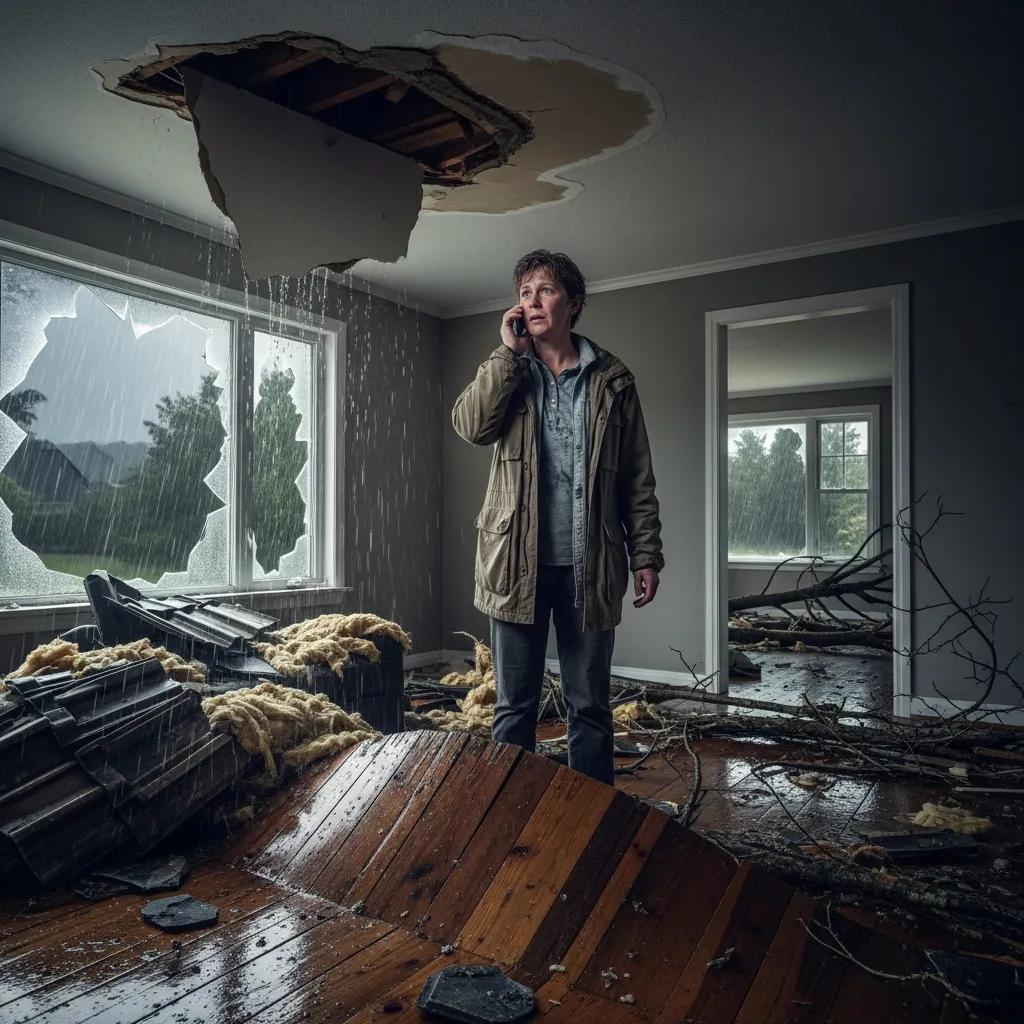
Emergency Property Damage: Contractor or Insurance First?
Emergency Property Damage: Who to Call First—Contractor or Insurance?
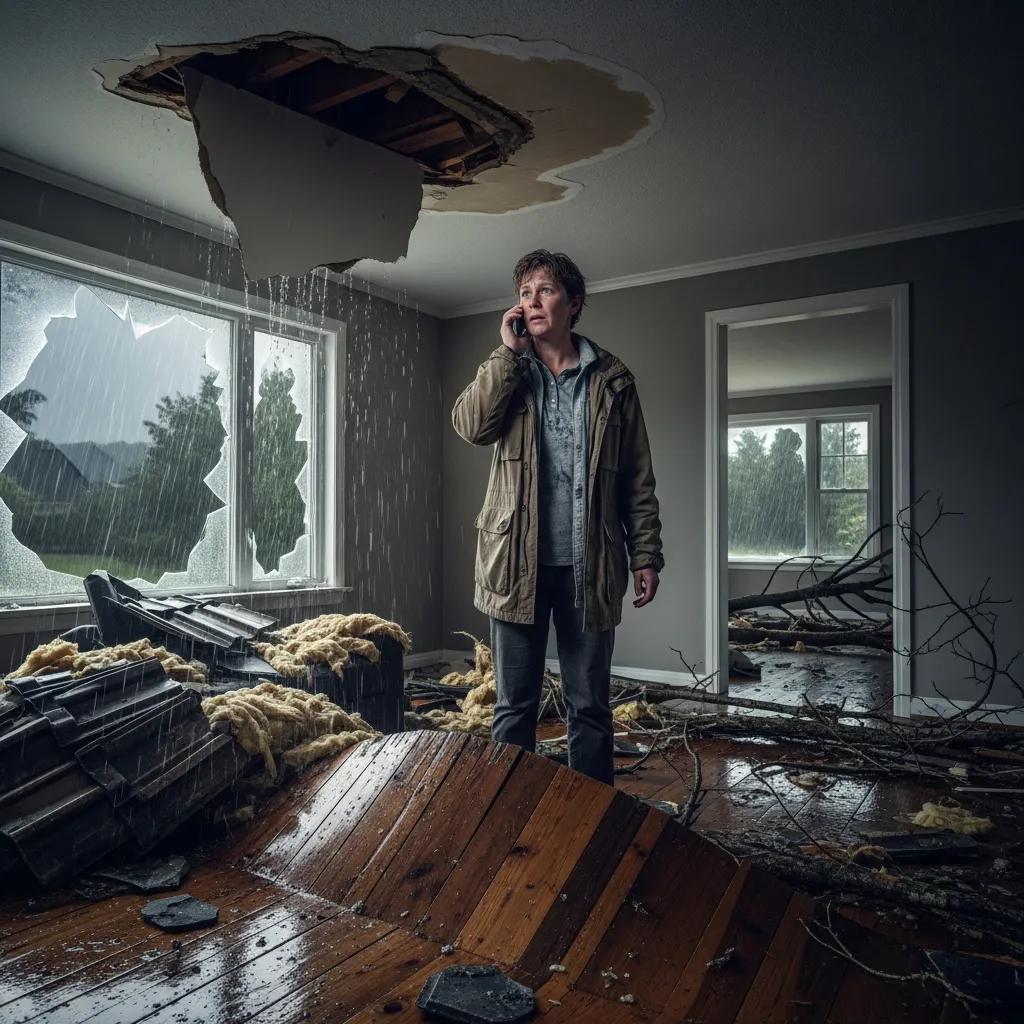
When property damage happens, stress and urgency come first. People need clear, practical next steps: who to call, how to protect people and property, and how to preserve evidence for an insurance claim. This guide lays out the prioritized actions after an emergency loss, compares calling your insurer, a contractor, or a public adjuster first, and explains how coordinated support speeds mitigation and claim recovery. You’ll find a short safety-first checklist, clear instructions for documenting damage, and the pros and cons of each first call so you can protect your coverage and recovery. We also describe Adjustering’s coordinated referral model that links homeowners and business owners to licensed public adjusters and vetted restoration contractors, plus the common types of damage we handle. Read on for concise checklists, side-by-side comparisons, and straightforward next steps to protect your property and your claim.
What Are the Immediate Steps to Take After Emergency Property Damage?
The first priorities after an emergency are safety, stopping further loss, and preserving evidence for an insurance claim. Acting quickly reduces hazards, limits secondary damage, and creates the documentation insurers need to evaluate your loss — which improves the chance of a full settlement. The checklist below gives a prioritized sequence you can follow now to stabilize the situation and begin claim documentation. After stabilizing and documenting, consider getting rapid access to local experts for inspection and mitigation coordination.
- Prioritize safety: evacuate if necessary and only re-enter when authorities say it’s safe.
- Shut off utilities if safe to do so: gas, water, and electricity can create fire or flooding risks.
- Call emergency services for immediate hazards: fires, gas leaks, or structural collapse need first responders.
- Photograph and record video before moving items: capture wide shots and close-ups, with timestamps when possible.
- Limit additional loss with temporary measures: tarps, board-ups, and water extraction — but document everything.
- Notify your insurer promptly to open a claim and get initial guidance on next steps.
Following these steps helps reduce damage and preserves the evidence you’ll need for recovery. From here, focus next on thorough photo documentation and temporary mitigation actions that support a stronger claim.
How Do You Secure Your Property and Document Damage Effectively?
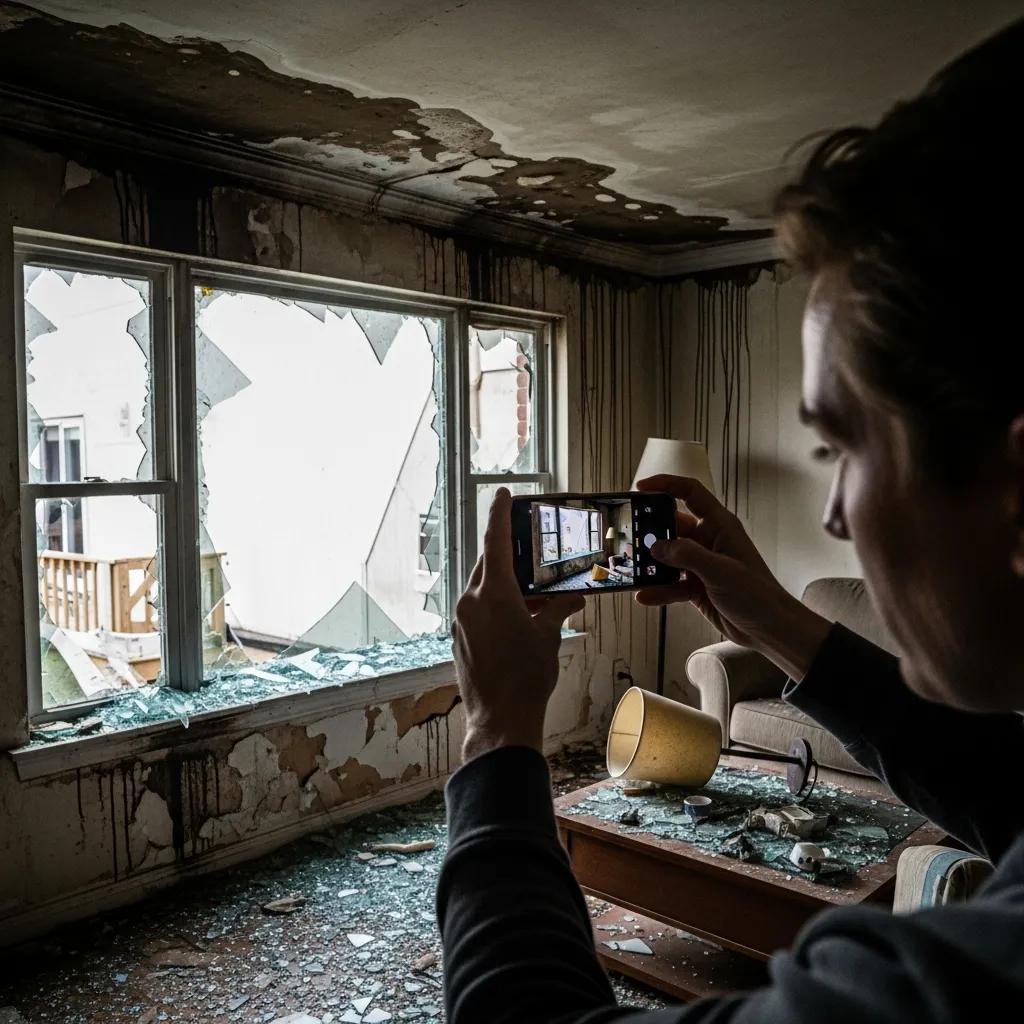
Securing the property and creating clear documentation are the foundation of any successful insurance claim. Start by photographing every damaged area from several angles — full-room shots plus close-ups of structural and content damage — and record dated video walk-throughs to show context. Make a written inventory of damaged items with estimated values and any receipts you can find, and back up photos and videos to the cloud to avoid loss. Include exterior shots, entry points, visible roof damage, and any temporary fixes like tarps or boarded windows so you show both the damage and the steps taken to limit it.
Good documentation builds a factual record that makes it easier for insurers and adjusters to evaluate the claim. It also prepares you to work with professional inspectors or a public adjuster who can expand on those initial findings.
What Temporary Measures Can Prevent Further Damage?
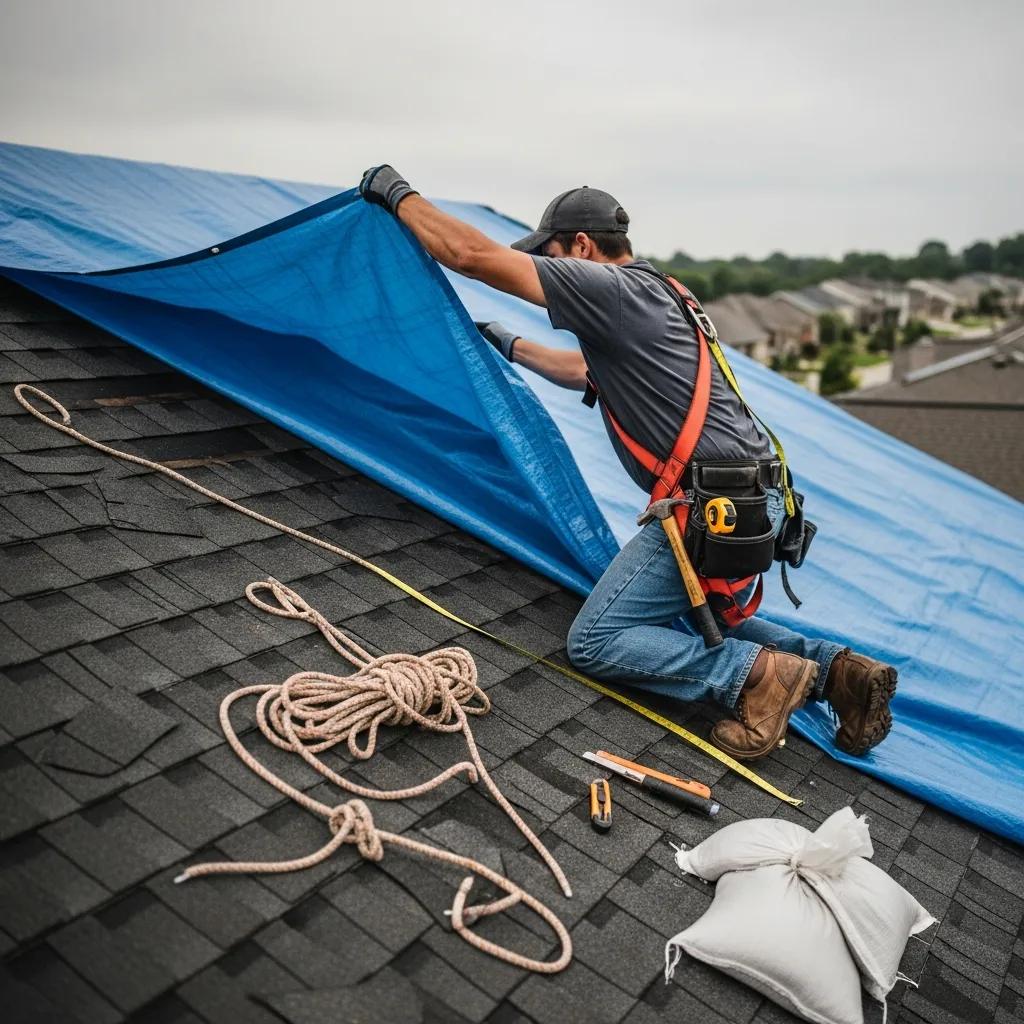
Temporary mitigation stops loss from getting worse and shows insurers you acted reasonably to limit damage — which often supports approval and supplemental payments for emergency work. Common temporary steps include tarping a damaged roof, boarding broken windows, extracting standing water, and moving undamaged personal property to safer areas. Always keep receipts and take before-and-after photos. Avoid permanent repairs until an adjuster documents the damage unless safety requires immediate work, because early permanent fixes can hide original conditions and complicate your claim. Use contractors who provide itemized invoices and who will coordinate scope with your insurer or a policyholder advocate to preserve claim value.
Document who performed each temporary measure, when it was done, and how much it cost — that paper trail helps when you submit supplements or negotiate later in the claims process.
Who Should You Contact First: Insurance Company, Contractor, or Public Adjuster?
Who you call first shapes how quickly hazards are handled, how well damage is documented, and how your claim ultimately resolves. In most emergencies, the very first call is for safety (emergency services). After that, the choice between your insurer, a contractor, or a public adjuster depends on your priorities: rapid mitigation, claim advocacy, or both. The comparison below explains each role so you can pick the best sequence for your situation.
Different responders serve different purposes during an emergency; this table shows who does what and when to involve them.
| Role | Typical Response Time | Primary Goal |
|---|---|---|
| Insurance Adjuster | 24–72 hours (initial) | Open the claim and assess covered items for the insurer |
| Contractor (emergency) | Hours to 24 hours | Mitigate immediate damage and protect the property |
| Public Adjuster | 24–72 hours for referral | Advocate for the policyholder and document the full loss |
What Are the Pros and Cons of Calling Your Insurance Company First?
Calling your insurer first officially opens the claim and starts insurer-side documentation. That brings benefits — quick claim registration, insurer guidance, and rapid authorization for some emergency mitigation — but also trade-offs. An insurer’s initial scope can underestimate damage or miss non-obvious items, and the insurer’s adjuster represents the company’s interests, not yours. To protect your position, document everything independently, keep receipts for emergency work, and consider a public adjuster if coverage or valuation becomes disputed.
Knowing these trade-offs helps you decide whether to open the claim immediately or document first and bring in a policyholder advocate for a fuller loss assessment.
What Are the Benefits and Risks of Contacting a Contractor First?
Calling a contractor first delivers fast mitigation and can prevent secondary damage, but it carries the risk of obscuring evidence if permanent repairs happen before documentation. Benefits include prompt tarping, water extraction, and stabilization that limit further loss and may lower repair costs. Risks occur when contractors complete permanent work without pre-repair documentation or coordination with an adjuster, which can lead to underpayment. Best practice: photograph and video damage before repairs, keep all invoices, and work with contractors who document their work and coordinate scopes with insurers or public adjusters.
Contacting a contractor first is often appropriate for urgent safety and mitigation — as long as you preserve evidence and plan to coordinate with claims advocates afterward.
Why Is Engaging a Public Adjuster a Strategic Choice?
Hiring a public adjuster gives you a dedicated advocate focused on documenting every area of damage, preparing detailed estimates, and negotiating for a full settlement rather than an insurer-centered scope. Public adjusters perform comprehensive inspections to find overlooked damage and coverage items, create itemized scopes of loss, and manage supplements and appeals if initial settlements fall short. Their work frequently increases claim recoveries by ensuring the insurer sees the full extent of the loss, and it reduces homeowner stress by centralizing negotiations. For significant structural, roof, or contents losses, early public adjuster involvement often preserves evidence and strengthens claim outcomes.
Knowing when to involve a public adjuster helps you balance immediate mitigation needs with long-term settlement strategy and ties into coordinated referral models that connect you with credentialed professionals.
How Does Adjustering’s Coordinated Approach Simplify Emergency Property Damage Claims?
Adjustering matches homeowners and business owners with licensed public adjusters and vetted roofing, siding, and restoration contractors to simplify emergency response, documentation, and claim recovery. Our model quickly connects you to local experts who inspect thoroughly, document losses comprehensively, and coordinate mitigation and restoration so repairs align with insurer-approved scopes. By centralizing communication between the policyholder, adjuster, contractor, and insurer, Adjustering reduces confusion, speeds restoration, and helps make sure no damage is missed. That single point of coordination keeps the claim moving from inspection through repair and reduces homeowner stress.
The table below summarizes the Adjustering workflow — from initial contact through expected outcomes — so you can see how each step supports claim and restoration goals.
| Step | Action Taken | Expected Outcome |
|---|---|---|
| Initial Contact | Collect basic event details and match to local experts | Rapid referral to a licensed public adjuster |
| Inspection | Adjuster performs a detailed loss assessment | Comprehensive documentation and a clear scope of loss |
| Negotiation | Adjuster negotiates with the insurer on the policyholder’s behalf | A fuller settlement that reflects the true damage |
| Restoration | Vetted contractor performs mitigation and repairs | Repairs aligned with the approved scope and final closeout |
How Do Adjustering’s Public Adjusters Maximize Your Insurance Claim?
Adjustering-referred public adjusters focus on uncovering missed damage, preparing thorough estimates, and pushing for supplements when insurer payments miss covered losses. They run systematic inspections that cover structure, roof, siding, and contents; document findings with photos and itemized evidence; and produce professional scopes tied to industry pricing. Public adjusters then negotiate with the insurer to pursue full compensation under your policy, including submitting supplements for newly discovered damage. Because they represent the policyholder, their involvement commonly leads to more complete settlements.
A detailed adjuster-driven process reduces the chance of overlooked items and short payments, which connects directly to efficient restoration planning and better contractor alignment for timely recovery.
How Do Vetted Contractors Restore Your Property Efficiently?
Vetted contractors in our coordinated workflows handle emergency mitigation and full restoration while documenting work to match insurer-approved scopes and support final claim closeout. Contractors in these networks are chosen for experience with insurance scopes, quality control, and the ability to deliver itemized invoices and photographic records throughout mitigation and repair. They typically start with temporary emergency measures — tarping, board-ups, water extraction — then move to structural repairs and finishes that return the property to pre-loss condition. Working closely with public adjusters helps ensure repairs reflect negotiated settlements and reduces the risk of post-completion disputes over scope or quality.
This alignment shortens repair timelines and helps ensure the final restoration supports both the claim settlement and homeowner expectations.
What Types of Emergency Property Damage Does Adjustering Handle?
Adjustering matches policyholders with specialists who address the specific risks and documentation needs of many emergency damage types. The most common categories we handle include storm damage, fire damage, water damage, mold, and structural problems with roofs and siding. Each loss type has different mitigation priorities — life-safety and structural stabilization for fire, fast water extraction and drying for water events, and tarping and framing checks for storm-related roof failure — and those priorities shape the inspection and documentation approach our adjusters and contractors take. Understanding the right immediate actions for each damage type helps homeowners choose the correct response and specialists.
The quick-reference table below compares damage types, immediate risks, and typical adjuster and contractor actions to guide your decisions.
| Damage Type | Common Immediate Risks | Typical Adjuster Actions | Typical Contractor Actions |
|---|---|---|---|
| Storm Damage | Roof failure, debris, water intrusion | Document roof and structural damage; estimate scope | Emergency tarping, debris removal, roof repair |
| Fire Damage | Structural instability, smoke contamination | Assess structural loss, inventory contents, document smoke damage | Soot cleanup, structural remediation, rebuild |
| Water Damage | Mold growth, structural swelling | Document source of intrusion, drying plan, contents loss | Water extraction, drying, mold prevention |
| Roof Damage | Leaks, underlayment failure | Photograph roof layers, estimate replacement | Tarping, shingle and underlayment replacement |
| Siding Damage | Water intrusion, insulation exposure | Inspect wall penetrations, document hidden damage | Board-up, siding repair, flashing replacement |
| Mold Damage | Health risks, spread | Identify moisture source, test if needed, scope remediation | Containment, removal of affected materials, drying and repair |
How Are Storm, Fire, and Water Damage Claims Managed?
Storm, fire, and water claims each require a tailored response. Storms often need immediate roof tarping and debris removal; fire claims prioritize life-safety, smoke remediation, and structural assessment; water claims require fast drying and mold prevention. Adjusters document the loss and identify covered causes and exclusions while contractors perform mitigation to limit secondary damage and preserve materials for inspection. Timelines differ: water drying and mold prevention usually demand action within 24–48 hours, while fire structural repairs may involve engineers and longer negotiations. Clear documentation — photos, inventories, and mitigation receipts — speeds insurer review and supports a fuller recovery.
Coordinated handoffs between adjuster documentation and contractor mitigation reduce delays and make insurance negotiations more straightforward, which improves claim outcomes.
What Should You Know About Roof, Siding, and Mold Damage?
Roof and siding damage often hides issues under coverings that only a thorough inspection will reveal, and mold risk increases the longer moisture remains. Quick action matters. For roof damage, preserve damaged materials when safe and photograph underlayment and framing where possible — that helps document hidden losses. For siding, photograph separation, holes, and signs of interior water infiltration. For mold, stop the moisture source first and document affected areas before remediation; testing is used selectively, but visible growth and moisture pathways are often enough for claims and remediation planning.
Addressing these element-specific issues early ensures mitigation and repair align with insurer expectations and prevents moisture-related problems from worsening the claim.
Where Does Adjustering Provide Emergency Property Damage Support?
Adjustering offers rapid access to licensed public adjusters and vetted restoration contractors across named service areas, giving you local expertise and faster response when emergencies occur. Our referral model emphasizes trusted end-to-end support, quick local matching, and coordination between adjusters and contractors to reduce homeowner confusion during claims. We connect property owners to professionals familiar with regional insurer practices and typical local damage patterns, which can shorten response times and improve documentation. If you need immediate local support, request a referral to licensed public adjusters and vetted contractors who serve the regions below.
The service areas listed next highlight local knowledge and quick access to specialists.
What Services Are Available in Philadelphia and Surrounding Pennsylvania Counties?
In Philadelphia and nearby Pennsylvania counties — Bucks, Montgomery, Chester, and Delaware — Adjustering links property owners to local public adjusters and restoration contractors who understand regional storm patterns and insurer expectations. Local adjusters provide inspections, detailed scopes of loss, and negotiation support tailored to county-specific building practices and common storm impacts. Vetted contractors in these areas handle emergency mitigation and full restoration with documentation that supports claims and final closeouts. Fast local matching helps reduce wait times for inspection and mitigation — critical after storms or widespread events.
Regional experience with Northeast storm profiles and construction methods helps produce more accurate scopes and speed restoration in these Pennsylvania counties.
How Does Adjustering Serve South Jersey and Central Jersey Property Owners?
For South Jersey and Central Jersey properties, Adjustering connects you with licensed public adjusters and contractors familiar with coastal storm impacts, flooding patterns, and regional insurer processes. Adjusters in these areas document coastal-specific damage like wind-driven rain and surge-related intrusion, while vetted contractors perform emergency mitigation and coordinate repairs to match negotiated scopes. The regional network prioritizes quick referrals and documented mitigation to prevent mold and structural failure after water intrusion. Property owners in these New Jersey regions benefit from coordinated local expertise that understands both environmental challenges and insurer expectations.
Local knowledge reduces the time between damage discovery and effective mitigation, which limits secondary loss and supports stronger claim outcomes.
How Can You Get Peace of Mind and Immediate Help After Property Damage?
Getting immediate help starts with a few practical steps that preserve safety and evidence, then moves quickly to connecting you with professionals who can inspect, document, and restore the property while advocating for a proper insurance settlement. A coordinated referral model delivers faster response, licensed public adjusters who prioritize full documentation, and vetted contractors who perform mitigation and repairs that match negotiated scopes. Knowing the first actions to take and having a clear path to qualified local specialists reduces stress and improves the chance of a full recovery under your policy. Below are actionable first steps and what to expect when you request coordinated support.
- Prepare brief damage info: property address, time of event, and a short description of visible damage.
- Gather photos: upload or back up images and videos to cloud storage for safekeeping.
- Secure immediate hazards: prioritize safety and document any emergency mitigation performed.
- Request a referral: expect a rapid match to a licensed public adjuster and vetted local contractors for inspection and mitigation.
What Are the First Steps to Contact Adjustering for Support?
When contacting Adjustering for a referral, have basic information ready: property location, a brief description of the event, and any immediate photos you can share. Our referral process is built to quickly match you with licensed public adjusters and vetted contractors near your property who will coordinate inspection, documentation, and emergency mitigation. Expect the initial referral to prioritize rapid assessment and to connect you with experts who can inspect in person or advise on temporary measures that protect evidence for your claim. This free referral service shortens the time and confusion of finding qualified local professionals after an emergency.
Providing concise, accurate initial details speeds the match and helps ensure adjusters and contractors arrive prepared to document and mitigate the specific loss.
How Does Adjustering Remove Confusion and Stress from the Claims Process?
Adjustering centralizes early coordination among the homeowner, public adjuster, contractor, and insurer so you have a single, clear workflow from inspection through repair and claim closeout. We reduce duplicate outreach by matching you with licensed professionals who know insurer requirements and regional damage norms, shortening response times and cutting back-and-forth during negotiations. By making sure inspections are thorough and contractor repairs follow an adjuster-prepared scope, Adjustering helps prevent overlooked damage and supports fuller settlements — which lowers homeowner stress. The result is a smoother claim progression and greater confidence that the restoration will reflect the full recovery your policy allows.
Frequently Asked Questions
What should I do if I discover damage after hours?
If you find damage outside business hours, put safety first. Call emergency services for immediate hazards like gas leaks or structural instability. For non-urgent issues, document the damage with photos and notes, secure the area if possible, and report the damage to your insurer or a public adjuster as soon as business hours resume to start the claims process.
How can I ensure my insurance claim is not undervalued?
Thorough documentation is the best defense against an undervalued claim. Take detailed photos and videos of all damage — wide and close-up shots — and create an inventory of damaged items with estimated values and receipts when available. Consider hiring a public adjuster to advocate for you and ensure all damage is properly assessed and documented, which increases the chance of a fair settlement.
What are the common mistakes to avoid during the claims process?
Common mistakes include failing to document damage thoroughly, making permanent repairs before an adjuster inspects, and not keeping receipts for temporary mitigation. Also, be careful when communicating with the insurer — avoid admitting liability or accepting quick settlements without understanding your policy. If you’re unsure, consult a public adjuster to protect your interests.
How long does the claims process typically take?
Claim timelines vary by complexity and responsiveness. Initial insurance adjuster assessments often happen within 24 to 72 hours, but the full process from documentation to settlement can take weeks or months. Extent of damage, additional inspections, and negotiation needs all affect timing. Staying organized and proactive helps move things faster.
What should I do if my claim is denied?
If your claim is denied, read the denial letter carefully to understand the reasons. You can appeal by gathering more documentation — expert reports or additional evidence — and submitting it with a formal appeal. A public adjuster can help navigate the appeals process and negotiate with the insurer to seek a fair resolution.
Can I choose my own contractor for repairs?
Yes — you may choose your own contractor. Make sure they understand insurance claim processes and provide itemized invoices and documentation. Using a vetted contractor experienced with insurer scopes helps streamline the claim and reduces the risk of reimbursement issues. Always notify your insurer about contractor plans to avoid surprises.
What types of damage are typically covered by homeowners insurance?
Homeowners insurance commonly covers damage from fire, theft, vandalism, storm events, and sudden water damage like burst pipes. Coverage varies by policy and exclusions — for example, flood and some mold damage often require separate policies or endorsements. Review your policy to confirm what’s covered and any limits or exclusions.
