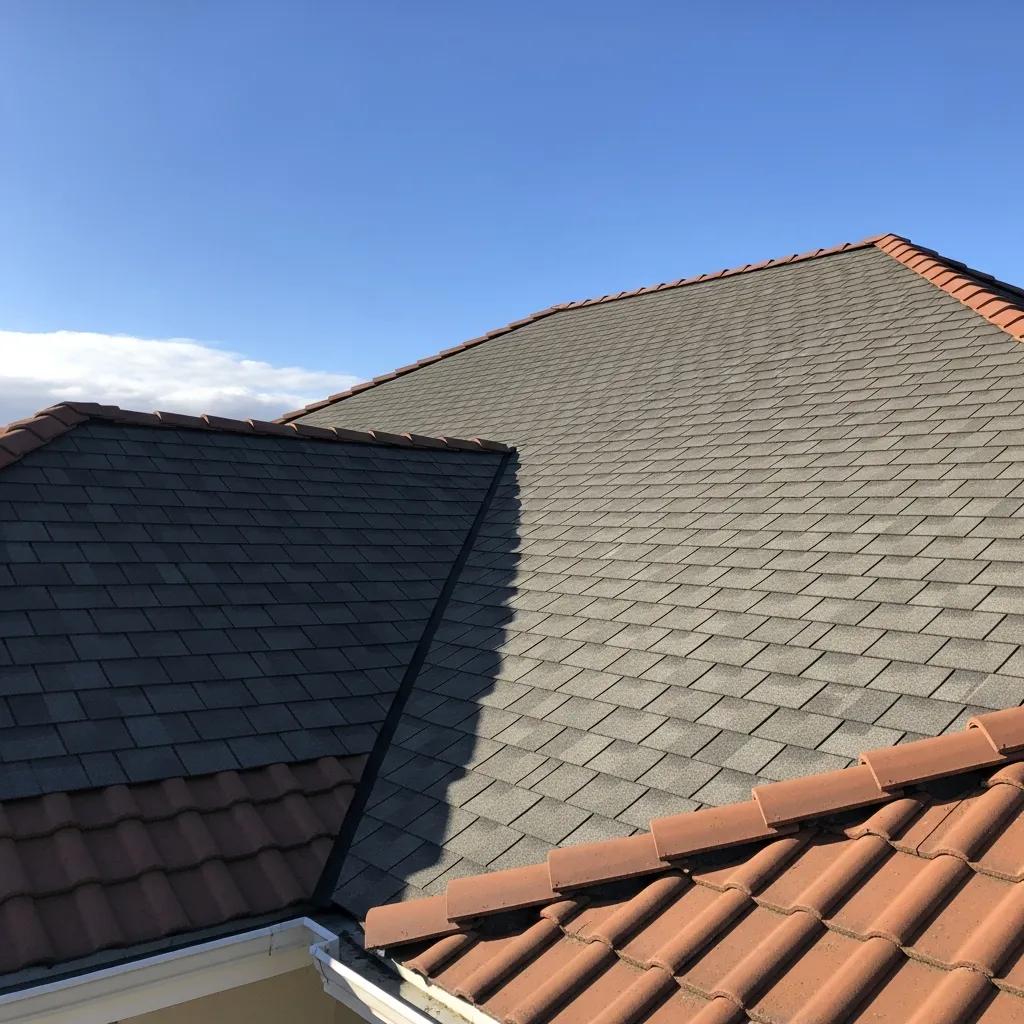
Common Roofing Mistakes That Lead to Damage
Common Roofing Mistakes That Lead to Damage: Identifying Errors and Protecting Property

Roofing protects property value and indoor conditions but requires regular, authorised upkeep. This article summarises frequent roofing mistakes, their likely consequences, and practical steps owners can take to minimise risk, comply with warranties and insurance, and manage restoration and claims efficiently.
Common roofing mistakes that lead to damage include:
Recognising repeated errors helps owners prioritise inspections and repairs. Key problems are:
- Improper Installation: Faulty fitting can cause leaks and structural problems.
- Neglecting Maintenance: Irregular checks let small issues worsen.
- Ignoring Clogged Gutters: Poor drainage accelerates deterioration.
- Using Low-Quality Materials: Inferior products shorten service life.
- Overlooking Ventilation: Poor airflow leads to heat, moisture, and mould.
- Not Addressing Storm Damage Promptly: Delays increase repair scope and cost.
Improper Installation
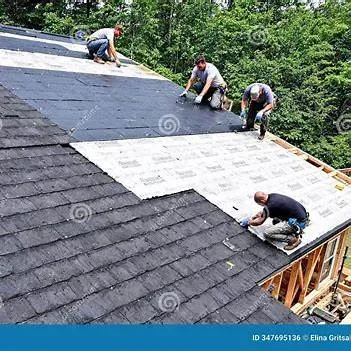
Signs of poor installation include uneven shingles, gaps, and sagging. These defects lead to leaks and secondary damage. Use licensed contractors, confirm adherence to manufacturer instructions and industry standards, and inspect attachments like solar panels for correct fit and compatibility.
Modern attachments such as solar arrays require care: installers should use compatible materials and follow flashing and sealing protocols to protect the roof assembly.
Preventing Roof Damage from Solar Panel Installation
The adoption of solar panels has raised documented concerns regarding their impact on residential roofing systems. The referenced research assesses structural and material effects, identifying issues such as structural impairment, leaks, and material compatibility problems through literature review, surveys, interviews, and case studies. The study reports that improper installation is a primary cause of roof damage, with 65% of homeowners reporting structural issues and 50% experiencing leaks. The authors recommend mitigation measures including installer training, use of compatible materials, routine inspections, and strict adherence to industry standards.
Assessing the Detrimental Effects of Solar Panel Installation on Residential Roofing Systems, PD Fakoyede, 2024
Neglecting Maintenance
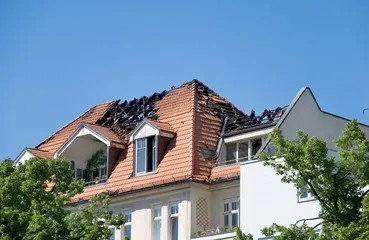
Regular inspections catch missing shingles, moss, and corrosion early. Adopt a documented maintenance plan with scheduled checks to prevent water ingress, mould, and structural compromise.
Ignoring Clogged Gutters
Blocked gutters cause backup and infiltration beneath roofing layers. Clear gutters seasonally or fit guards to reduce debris and maintain proper drainage.
Using Low-Quality Materials
Invest in materials that meet industry standards and carry warranties. Durable options such as quality asphalt shingles, metal systems, and certified tiles reduce lifecycle costs and repair frequency.
Overlooking Ventilation
Adequate ventilation controls attic heat and moisture. Install ridge, soffit, or gable vents and ensure insulation does not block airflow to prevent condensation and premature material failure.
Not Addressing Storm Damage Promptly
Document and repair storm damage quickly to avoid escalation. Typical signs are missing shingles, dents, and interior staining; prompt action limits scope and expense.
Potential Consequences
Unchecked roofing errors lead to leaks, interior and mould damage, structural degradation, and higher repair bills. Early detection and repair reduce financial and operational impact.
Strategies for Protection
Use these practical measures to protect roofing assets:
- Regular Inspections: Schedule routine checks and document findings.
- Documenting Damage: Keep dated photos, estimates, and receipts to support claims.
- Hiring Qualified Professionals: Use experienced, licensed contractors for work affecting warranties.
- Timely Repairs: Fix damage promptly to prevent spread.
Specialist assistance can help with insurance matters. Adjustering supports homeowners with property-damage claims and can assist in pursuing appropriate compensation.
What Are the Most Frequent Roof Maintenance Errors Causing Damage?
Typical maintenance failures are skipped inspections, ignored minor repairs, and hiring inexperienced contractors. Each increases the chance of preventable damage.
- Skipping Inspections: Regular checks are essential.
- Ignoring Minor Repairs: Small issues can escalate quickly.
- Using Inexperienced Contractors: Poor workmanship creates recurring problems.
How Do Poor Inspection Practices Contribute to Roof Deterioration?
Infrequent or incomplete inspections let defects worsen. Require documented reports and qualified inspectors to ensure timely remediation and reduce major repairs.
Which Roof Components Are Most Vulnerable to Maintenance Mistakes?
Flashing, shingles, and gutters are commonly affected. Improper flashing permits leaks, missing or damaged shingles expose the substrate, and blocked gutters cause water backup.
How Can Improper Roof Repair Practices Lead to Further Damage?
Using incompatible materials or incorrect techniques can worsen defects and create new failure points. Follow manufacturer specifications and use qualified professionals for repairs.
What Are Common Pitfalls in Flashing Installation and Their Consequences?
Pitfalls include inadequate sealing and incorrect placement; both allow water entry and compromise the roof system. Proper flashing by experienced technicians preserves watertight performance.
How Does Inadequate Ventilation Affect Roof Longevity?
Poor ventilation accelerates material degradation by trapping heat and moisture, encouraging mould and shortening service life. Correct ventilation design preserves longevity.
When Should Property Owners File Insurance Claims for Roofing Damage?
File claims promptly after discovering significant roofing damage. Timely notification helps claim handling. Record the discovery date, keep repair estimates, and retain receipts for related expenses.
- Timing for Claims: Notify your insurer as soon as damage is identified.
- Documentation Needed: Keep photos, estimates, and receipts.
- Common Pitfalls: Avoid incomplete documentation or delayed reporting.
What Steps Are Involved in Documenting and Filing Roof Damage Claims?
Assess damage thoroughly, photograph all issues, collect estimates and receipts, and notify the insurer promptly. Maintain organised records throughout the claim process.
How Can Public Adjusters Assist in Maximizing Insurance Settlements?
Public adjusters provide independent evaluations, negotiate with insurers, and guide owners through the claims process to help secure accurate settlements. Consider consulting a public adjuster for complex claims.
What Best Practices Support Effective Roof Restoration After Damage?
Follow a clear restoration sequence: comprehensive assessment, selection of qualified restoration contractors, and scheduled follow-up maintenance to ensure durable repairs.
- Assessment of Damage: Evaluate the roof comprehensively.
- Choosing Restoration Services: Select qualified professionals.
- Follow-Up Maintenance: Plan regular checks after restoration.
Which Restoration Services Address Damage from Maintenance Errors?
Appropriate services include targeted repairs to stop leaks and replace damaged shingles, gutter cleaning, and ventilation upgrades to prevent recurrence.
How Does Proper Damage Assessment Influence Restoration Outcomes?
An accurate assessment ensures all defects are found and fixed, producing more reliable restoration outcomes. Rely on experienced professionals for recommendations that meet applicable standards.
If you need assistance with restoration services, consider contacting Adjustering for expert guidance through the process.
For more information about our company, please visit our about page.
Frequently Asked Questions
What are the signs that my roof needs immediate attention?
Act promptly for missing or badly damaged shingles, visible interior leaks or water stains, sagging roof decks, excessive granule loss in gutters, or attic mould. Address these issues quickly to limit damage and cost.
How often should I schedule roof inspections?
Schedule inspections at least twice a year (spring and autumn) and after severe weather events to detect defects early.
What should I do if I find damage during an inspection?
Document findings with photos and notes. For minor issues arrange timely repairs; for significant defects engage a qualified roofing professional for a detailed assessment and remediation plan.
Can I perform roof maintenance myself, or should I hire a professional?
Homeowners can handle basic tasks like clearing gutters and removing debris, but for inspections, work at height, or warranty-sensitive repairs, hire licensed professionals for safety and compliance.
What are the benefits of using high-quality roofing materials?
Higher-quality materials provide better durability, weather resistance, energy performance, and longer warranties, reducing lifecycle costs and repair frequency.
How can I improve ventilation in my attic?
Install or verify ridge, soffit, and gable vents, and ensure insulation does not block vent paths. Regularly inspect ventilation components to prevent moisture buildup.
What steps should I take after a storm to assess roof damage?
From ground level, look for missing shingles, debris, and visible defects. If safe, inspect more closely or check the attic for leaks. Photograph damage and consult a professional roofer for a full assessment.
