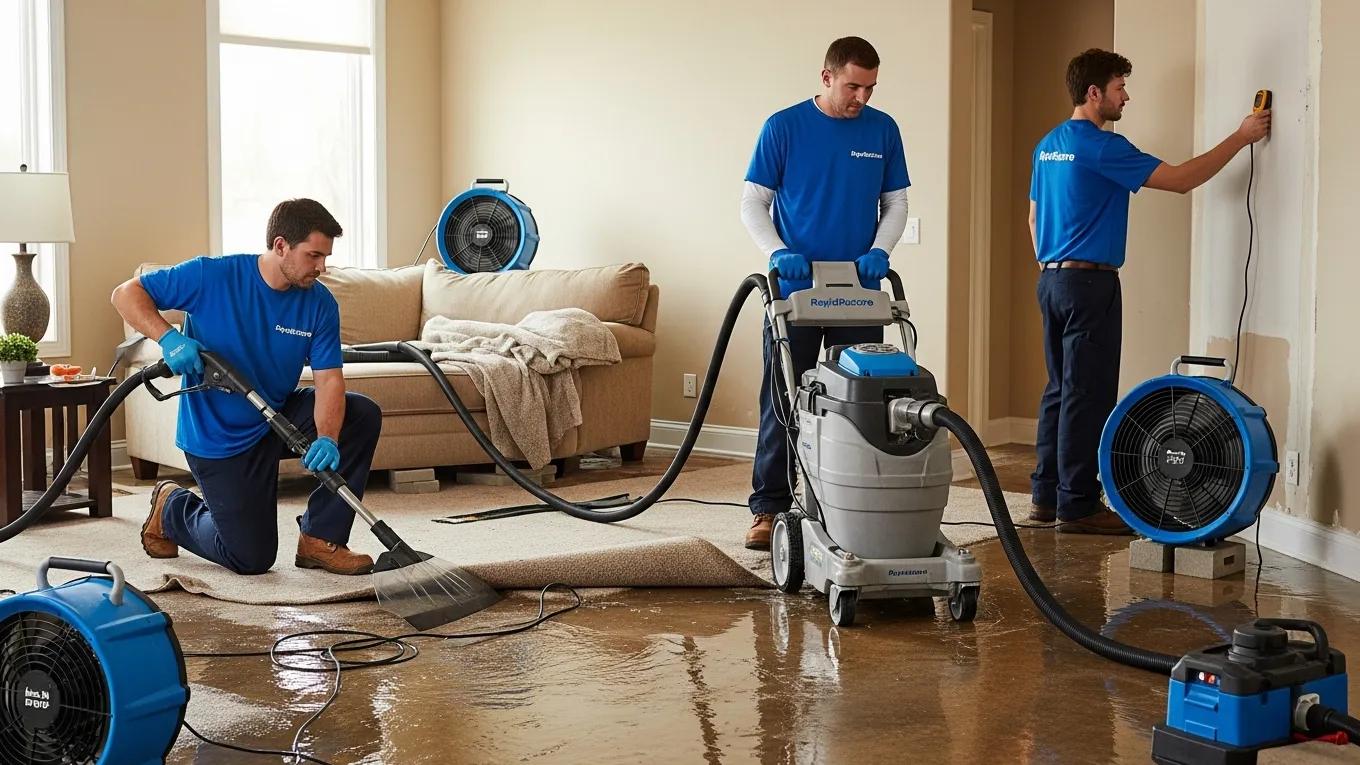
Best Water Damage Restoration Companies Near You
Best Water Damage Restoration Companies Near You: Trusted Services and Insurance Claim Support
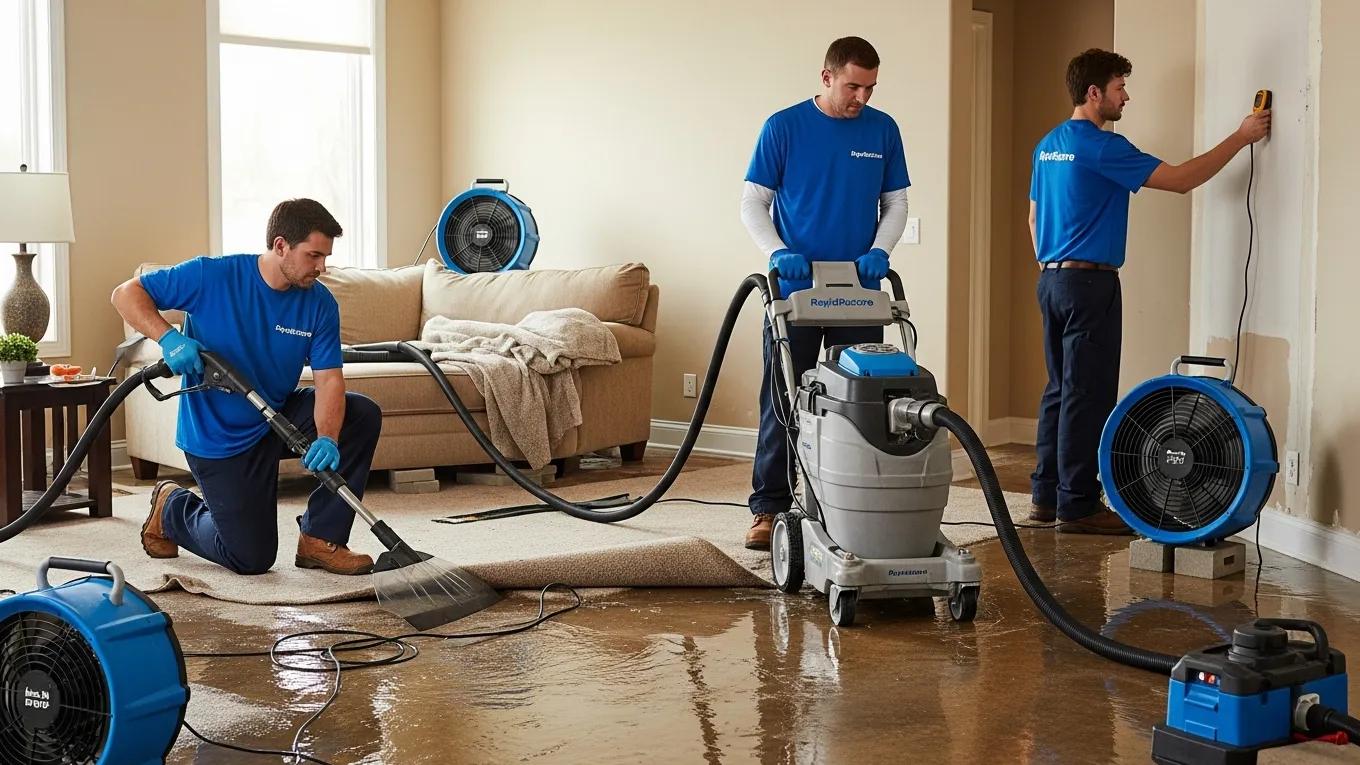
By Rene Joseph, Adjustering
Water damage can happen suddenly and cause major property and financial loss. This guide highlights core restoration services, emergency water removal procedures, and mold remediation, and explains practical steps for handling insurance claims so you can choose a qualified restoration provider and document a claim effectively.
What Are the Key Services Offered by Top Water Damage Restoration Companies?
Leading restoration firms offer rapid water extraction, professional drying and dehumidification, and mold remediation to stop ongoing damage and reduce health risks.
| Service | Description | Cost |
|---|---|---|
| Water Extraction | The process of removing standing water from affected areas to prevent further damage. | Varies by extent of damage |
| Drying and Dehumidification | Techniques used to eliminate moisture from the air and surfaces, preventing mold growth. | Varies by equipment used |
| Mold Remediation | The removal of mold and prevention of future growth, ensuring a safe environment. | Varies based on severity |
These services restore habitability and limit structural or health-related problems when applied promptly and to industry standards.
How Do Emergency Water Removal and Flood Damage Repair Work?
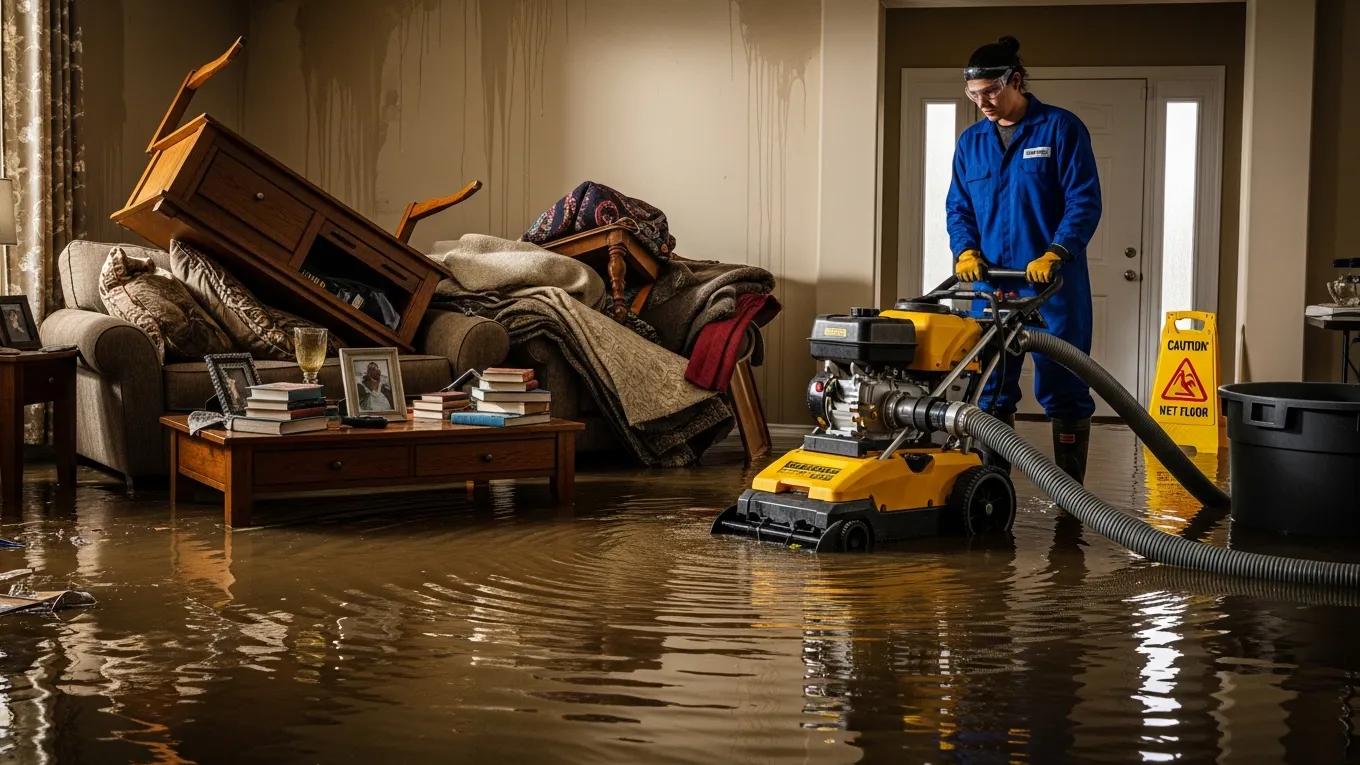
Emergency response starts with a rapid assessment, immediate extraction using specialized equipment, and controlled drying to reduce microbial growth. Repair work replaces compromised materials and addresses structural safety so the premises can be reoccupied.
How Does Adjustering Assist Property Owners with Insurance Claim Advocacy?
Adjustering performs prompt inspections, documents damage for claims, and refers clients to licensed public adjusters to help negotiate with carriers — which often improves claim accuracy and recovery.
The participation of public adjusters in insurance matters is subject to defined state and federal requirements intended to protect policyholders.
Public Adjuster Laws & Insurance Claims
Public adjusters are required to comply with applicable state and federal statutes and regulations, including provisions such as the Public Adjusters Act and rules governing public insurance adjusters.
Reference Guide for Professional Mold Remediation, 2003
What Role Does Mold Remediation Play in Water Damage Restoration?
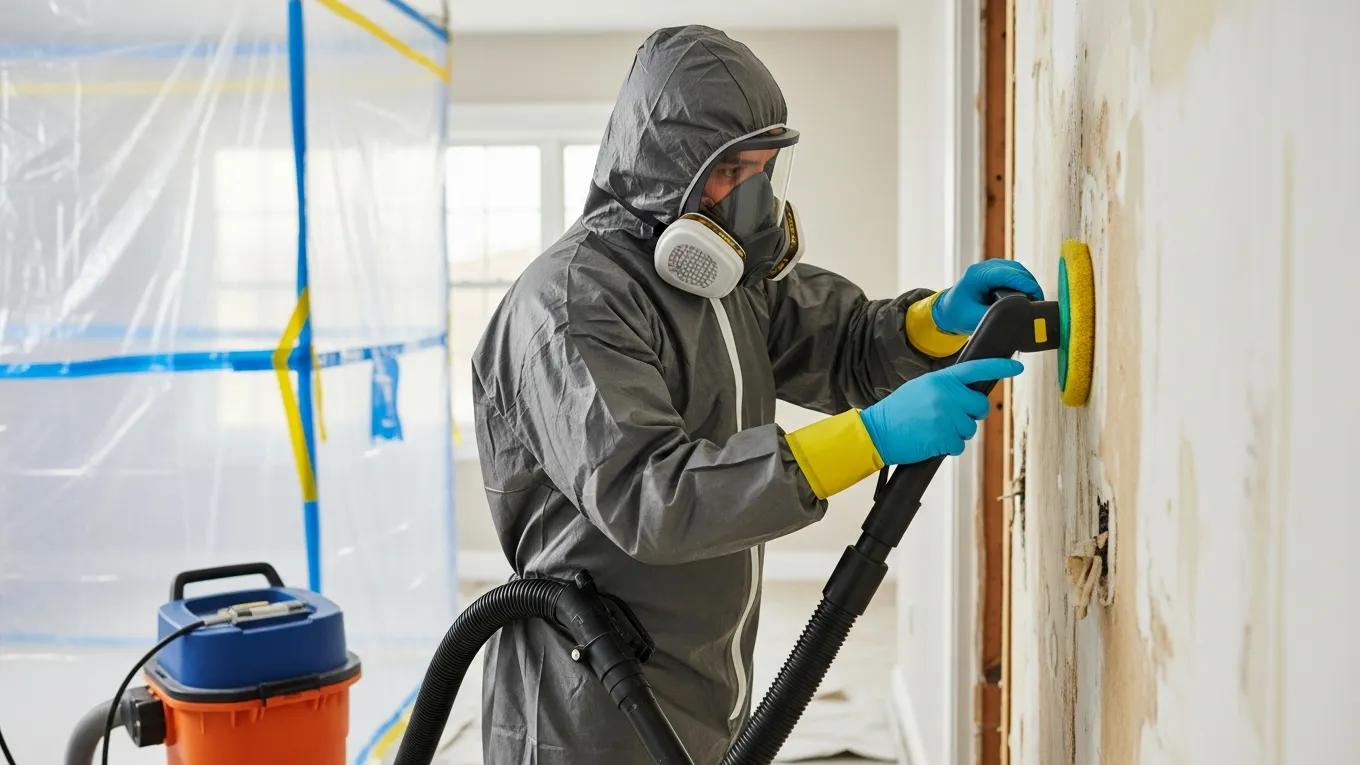
Mold remediation identifies and removes contamination caused by moisture, then corrects the source of dampness. Timely remediation protects occupant health and the building’s integrity.
How Can Insurance Water Damage Claims Be Effectively Managed?
Manage claims methodically to simplify insurer interactions and protect claim value:
- Document Everything: Photograph and video all damage before repairs.
- Communicate with Your Insurer: Provide requested information promptly and keep records of communications.
- Understand Your Policy: Know coverages, exclusions, and required steps for filing.
Clear documentation and timely communication help expedite processing and support appropriate reimbursement.
What Is the Process for Filing and Maximizing Insurance Claims?
File promptly and follow a clear sequence to protect entitlements: mitigate immediate damage, gather documentation (policy, photos, estimates), and consider engaging a public adjuster if negotiations with the carrier are needed.
What Criteria Should You Use to Choose the Best Local Water Damage Restoration Company?
Select a contractor using objective criteria to reduce operational and legal risk: verified experience, relevant certifications, and a transparent service record.
- Experience and Specialization: Confirm a proven track record in water damage restoration.
- Licensing and Insurance: Verify state licensing and liability coverage.
- Customer Service: Check responsiveness, clear contracts, and references.
These checks help ensure the contractor meets professional and regulatory expectations.
Which Qualifications and Certifications Indicate Reliable Restoration Professionals?
Reliable providers hold recognised credentials and appropriate state licensing; certifications evidence technical competence and adherence to industry standards.
Professional certification constitutes a fundamental indicator of competency in the disaster restoration sector, demonstrating that practitioners have been examined on relevant subject matter.
Professional Certification for Disaster Restoration
Certification programmes assess whether restoration professionals possess the necessary knowledge and skills for their roles. Such procedures typically evaluate the subject matter deemed essential for competent practice.
Disaster restoration professional body of knowledge, RR Rapp, 2010
- IICRC Certification: Industry standard for restoration practice.
- State Licensing: Confirms local regulatory compliance.
- Insurance Coverage: Protects homeowners and workers during work.
Guidance from recognised organisations, including the IICRC, clarifies professional expectations, particularly for mold remediation.
Professional Mold Remediation Certification Guide
Any certification or statement of compliance with the requirements of this document is the responsibility of the certifier or issuer. The IICRC sets standards that inform professional practice and certification.
Evaluating the Relationship Between Independent Insurance Adjusters and Insureds: The Case Against Imposing an Independent Duty of Care, 2014
Possession of these qualifications supports a reasoned choice of provider and helps manage professional risk.
How Do Customer Testimonials and Service Transparency Influence Your Choice?
Verified reviews and transparent pricing, scope, and contract terms corroborate performance and reduce ambiguity when selecting a contractor.
What Are the Typical Costs and Pricing Factors for Water Damage Restoration Services?
Costs depend on the damage extent, required services (e.g., mold remediation, structural repair), and local labour and material rates. Understand these variables when reviewing estimates.
How Do Restoration Companies Estimate Costs for Emergency Water Removal and Mold Remediation?
- Water Category: Clean, gray, or black water affects scope and protocols.
- Extent of Damage: Area size and severity drive labor and material needs.
- Accessibility: Hard-to-reach areas may increase time and equipment needs.
Estimators use these factors to produce clear, itemised quotes.
What Insurance Coverage Options Affect Out-of-Pocket Expenses?
Coverage scope, endorsements, and whether you engage advocacy services influence out-of-pocket costs. Review policy terms and optional riders to anticipate liabilities.
- Types of Water Damage Covered: Flooding and plumbing failures may be covered differently.
- Endorsements and Riders: Additional coverages can extend protection but affect premiums.
- Role of Public Adjusters: They can help secure full policy benefits when engaged appropriately.
Familiarity with policy language and endorsements helps homeowners plan and manage expenses.
When dealing with water damage, hire a qualified team that follows industry standards for mitigation and restoration.
For roof or siding issues linked to water intrusion, consult specialists for assessment and repair; Adjustering offers related services.
If you need to contact a restoration company, you can contact them directly to request a written estimate.
Frequently Asked Questions
What should I do immediately after experiencing water damage?
Ensure safety (power off if safe) and stop the water source. Photograph and video the damage before repairs, then contact a professional restoration company to begin emergency removal and drying.
How long does the water damage restoration process typically take?
Timelines vary: minor jobs can finish in days, while major structural or mold work can take weeks. A contractor will provide a timeline after assessment.
Are there any health risks associated with water damage?
Mold and contaminated water can cause allergic or respiratory symptoms and introduce pathogens. Prompt remediation and professional mold abatement reduce these risks.
What types of insurance typically cover water damage?
Homeowners policies often cover sudden, accidental water damage (e.g., burst pipes); flood damage usually needs separate flood insurance. Check your policy and speak with your agent.
How can I prevent future water damage in my home?
Inspect plumbing, maintain roofs and gutters, ensure proper drainage, and consider sump pumps or water alarms. Regular maintenance and timely repairs reduce risk.
What should I look for in a water damage restoration company?
Choose a firm with experience, verifiable certifications (IICRC where relevant), state licensing, insurance coverage, clear contracts, and positive references.
Can I handle water damage restoration myself?
Homeowners can address very minor issues, but significant water damage requires professional equipment, training, and protocols to ensure safe, compliant, and complete remediation.
