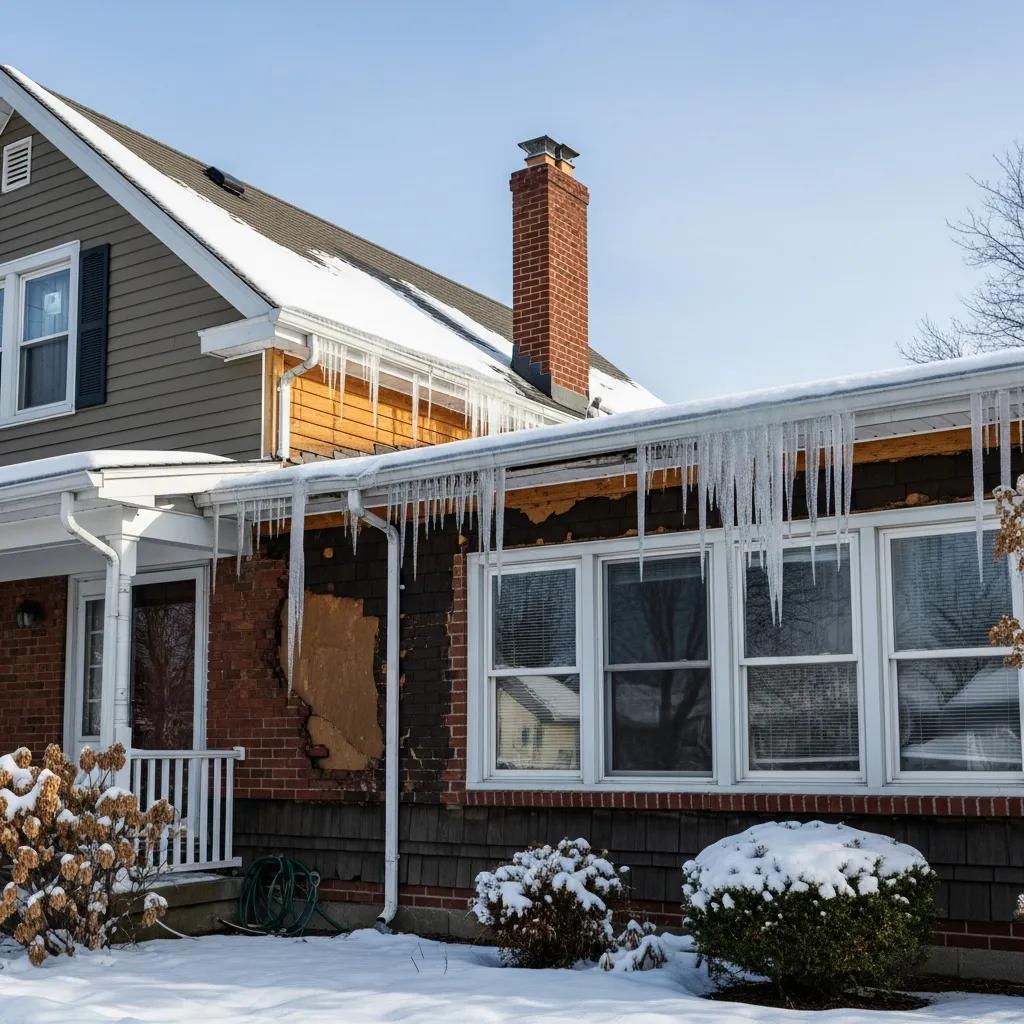
Ice damage restoration
Ice Damage Restoration Philadelphia: Expert Solutions for Frozen Pipes, Ice Dams, and Insurance Claims

Ice damage can be obvious and hidden at the same time — burst pipes, ice dams that push water under shingles, and heavy snow or wind loads that strain roofs all lead to water intrusion, costly repairs, and mold risk. This guide walks Philadelphia homeowners and business owners through what ice damage looks like, why local buildings are especially vulnerable, and the practical steps to stop loss and protect insurance claims. You’ll get clear explanations of how pipes freeze and burst, how ice dams form, how quickly mold and secondary problems develop, and which professional methods restore a property safely. We also map the Pennsylvania winter-storm claim process, explain when to bring in a licensed public adjuster, and list proven prevention steps — insulation, ventilation, gutter care, and pipe winterization. Along the way you’ll find checklists, plain-language comparisons of repair options, and instructions for connecting with coordinated local experts to help maximize recovery and complete restoration.
What Is Ice Damage and Why Are Philadelphia Properties Vulnerable?
Ice damage is sudden, weather-driven harm caused by freezing temperatures and winter precipitation: pipes that freeze and burst; ice dams forming at roof edges; and structural stress from snow and ice loads. The physics is simple — water expands as it freezes in pipes, and meltwater trapped at cold eaves can be forced under shingles. Knowing these mechanisms matters because targeted actions — quick mitigation, correct repairs, and solid documentation — stop a small problem from becoming a total-loss claim. Understanding local risk factors helps owners prioritize inspections and call the right professionals before concealed damage spreads.
What Causes Ice Damage: Frozen Pipes, Ice Dams, and Winter Storm Effects
Frozen pipes happen when cold air cools water in exposed or poorly insulated lines, creating ice plugs that raise internal pressure until the pipe fails; many leaks show up only after thawing begins.
Mold is a common and serious follow‑on when water damage is extensive — preventing it protects both health and the building’s structure.
Mold Prevention Following Water Damage: Health Implications and Mitigation Strategies
Major flooding and hurricane-level water intrusion greatly increase the chance of mold growth inside buildings. This report outlines practical steps to limit exposure, identify health risks, and apply protective remediation practices when science leaves uncertainty. Recommendations cover exposure assessment, remediation techniques, protective equipment, and public-health guidance, all aimed at reducing short- and long-term risks after large water events.
Ice dams form when warm attic air melts roof snow, the meltwater runs toward cold eaves and re-freezes there, and the resulting ice barrier traps more meltwater that can back up beneath shingles into soffits, insulation, and ceilings.
Winter storms add wind-driven ice, repeated freeze‑thaw cycles, and heavy snow loads that increase the chance of pipe failures and roof damage. That physical picture guides priorities after a storm: stop active leaks, dry interior spaces, and remove roof ice safely to limit secondary harm.
Why Philadelphia Homes and Businesses Are at Risk of Ice Damage
Philadelphia’s older building stock often has thin attic insulation, compromised ventilation, and plumbing runs installed before modern best practices — all conditions that raise ice-damage risk. Local freeze‑thaw patterns and coastal-influenced storms create repeated melt-and-refreeze cycles that speed ice-dam development. Rowhomes and mixed‑use buildings can share gutters and parapets, complicating drainage and inspection.
Watch for early warning signs: icicles directly under roof edges, frost on interior pipes, or repeating ice lines along chimneys and roof surfaces. A short risk-assessment checklist helps owners prioritize pre-winter fixes and guides emergency action when damage appears.
How Does Adjustering Provide Coordinated Ice Damage Restoration in Philadelphia?

Adjustering is a coordination and referral service that connects property owners with licensed public adjusters and pre‑vetted restoration contractors so the full scope of ice-related loss is identified and addressed. We align inspections, adjuster assessments, and contractor scopes so nothing is missed and insurance settlements reflect true repair needs. The result: owners get a higher chance of full recovery and a faster, less stressful restoration because technical teams work together from first inspection to final walk‑through.
What Is Adjustering’s End-to-End Ice Damage Restoration Process?
Our process starts with rapid intake and a coordinated inspection: a damage report triggers documentation of visible and likely hidden damage, photos, moisture mapping, and an initial scope to preserve the claim. Adjustering then matches the homeowner with a licensed public adjuster who prepares the claim package while vetted restoration contractors stabilize the property with emergency repairs and drying equipment. The adjuster negotiates with the insurer using thorough documentation as contractors complete approved work; final restoration follows insurer approvals and a joint final inspection confirms completion. This coordinated path reduces gaps, clarifies timelines, and creates a predictable route from mitigation to full repair.
| Role | Primary Responsibility | Value to Homeowner |
|---|---|---|
| Public Adjuster | Document the loss, prepare and negotiate the claim | Increases insurance recovery and prevents overlooked damage |
| Restoration Contractor | Stabilize, dry, and repair the property | Stops secondary damage and restores livability |
| Adjustering | Coordinate referrals and oversee the process | Fast access to licensed adjusters and vetted contractors; simplifies the claim journey |
How Do Licensed Public Adjusters Maximize Your Ice Damage Insurance Claims?
Licensed public adjusters find both visible and concealed damage insurers can miss, producing a detailed scope‑of‑loss that covers structural harm, water intrusion, and secondary issues like mold risk. They use technical documentation — moisture meters, thermal imaging, and line‑item estimates — to back repair needs and negotiate directly with insurers, often securing higher settlements than initial insurer offers. They also handle supplements and appeals when hidden damage appears during restoration, reducing out‑of‑pocket costs for owners. Adjustering helps property owners engage these experts quickly so they can focus on recovery, not claim disputes.
What Immediate Steps Should You Take When Ice Damage Occurs?
Quick, safe mitigation reduces secondary damage and strengthens insurance claims by preserving evidence and limiting ongoing loss. The first actions are simple: stop active water, protect occupants, document damage, and make temporary repairs. Acting within the first 24–48 hours often prevents mold from taking hold and cuts repair scope — which saves money and time. Below is a short, practical checklist and guidance on when to call coordinated professionals.
- Shut off water at the main valve to stop active flooding and limit interior damage.
- Turn off affected electrical circuits in wet areas to avoid shock and fire; if unsure, keep occupants clear and wait for a licensed electrician or restoration crew.
- Document everything with timestamped photos and video showing locations and progression of leaks and ice indicators.
- Contain and remove water with towels or pumps if safe; place buckets under drips and use tarps for roof leaks.
- Call a restoration professional and a public adjuster right away to begin drying and protect the insurance claim.
Following this sequence preserves evidence, reduces the chance of long‑term structural or mold damage, and positions your claim for a fair review.
If you need immediate help, Adjustering can connect you with a licensed public adjuster and vetted restoration contractor in the Philadelphia area. A fast intake leads to adjuster assignment, emergency contractor dispatch, and a coordinated plan to stabilize the property and prepare the insurance claim.
How to Safely Respond to Frozen Pipes and Ice Dams
For frozen pipes: open cabinet doors to let warmer air reach plumbing, apply gentle heat (a hair dryer) to exposed sections, and shut off the water if a pipe has burst. Never use open flame or leave portable heaters unattended. For ice-dam roof leaks: do not climb onto the roof or try to chip away ice at the eaves; cover interior damage with tarps and call professionals who can remove ice safely with steam or mechanical methods. When documenting damage, take both wide shots and close-ups of materials, leak lines, and temporary fixes — these records are essential for claims. Know when to stop DIY: call pros if there’s structural damage, electrical hazards, or an unclear leak source.
Why Is Fast Action Critical to Prevent Mold and Structural Damage?
Mold can begin growing on damp organic materials within 24–48 hours after water exposure, especially in insulation, gypsum board, and wood framing. Early drying and removal of ruined materials prevent health risks and costly remediation. Structural elements — floor joists, sheathing, and load‑bearing walls — weaken when moisture persists, raising repair complexity and cost. Rapid deployment of drying equipment, controlled demolition of unsalvageable materials, and ongoing moisture monitoring keep risks in check. Prompt professional action preserves more of the original structure and documents mitigation steps that support your insurance claim.
How Are Frozen Pipe Repairs and Ice Dam Removal Handled in Philadelphia?
Local repair pros use diagnostics to confirm damage source and extent, then apply targeted fixes that address root causes and prevent repeats. Frozen-pipe repairs range from sectional replacements to partial repiping depending on corrosion, age, and access. Ice-dam removal commonly uses steam, trained mechanical removal, or controlled shingle replacement where water has penetrated. Coordinating adjuster documentation with contractor scopes ensures both emergency repairs and long-term fixes are included in the claim, reducing the risk of uncovered costs. The table below compares common methods and typical timeframes so owners know what to expect.
| Repair Type | Typical Method | Typical Timeframe |
|---|---|---|
| Frozen pipe (localized) | Sectional cut-out and replacement; pressure test | 2–8 hours, depending on access |
| Frozen pipe (extensive) | Partial repipe or reroute of exposed lines | 1–3 days, depending on scope |
| Ice dam removal (steam) | Professional steam removal and melt-channel creation | 4–8 hours for a typical roof section |
| Ice dam removal (manual) | Mechanical removal and temporary roof protection | 1–2 days; higher risk of shingle damage |
What Are the Signs of Frozen Pipe Bursts and How Are They Repaired?
Signs of burst pipes include sudden loss of water pressure or no water at fixtures, visible bulging or cracking in exposed pipes, and wet spots on walls or ceilings once thawing begins. Emergency steps: shut off the main water, isolate electrical power in affected areas, and remove standing water to limit damage — and photograph the failure and surrounding materials for your claim. Repair choices weigh repair versus replacement: a short localized breach usually gets a sectional repair; pervasive corrosion or repeated breaks often justify repiping to reduce future risk. Timelines vary from same‑day emergency fixes to multi‑day repiping projects depending on access, permits, and interior finishes affected.
What Professional Methods Are Used for Ice Dam Removal and Roof Repair?

Pros typically use steam removal to melt ice dams with minimal shingle damage, or trained mechanical crews for controlled removal; fixing the root cause often means improving attic insulation and ventilation or installing heat cables correctly. Roof repairs range from targeted shingle and flashing replacement to deck or roofline repair when underlayment has failed. Each approach has trade-offs: steam is fast but requires experienced operators, manual removal risks shingle damage if done poorly, and heat cables are preventive only when installed and controlled properly. Choose licensed, insured contractors who document damage and provide before/after moisture reports to support your claim.
A functioning thermal balance in the attic is central to preventing ice dams — targeted engineering and insulation improvements can cut heat loss and stabilize roof conditions.
Preventing Ice Dams: Thermal Balance and Roof Insulation Strategies
This study presents methods to model thermal balance in cold attics and recommends engineering steps to reduce ice dam formation on pitched roofs. The approach focuses on reducing building heat loss through insulation upgrades and improved airflow, using materials and installation practices that meet safety and regulatory standards.
What Should Philadelphia Property Owners Know About Winter Storm Property Damage Claims?
Winter-storm claims for ice damage depend on cause, policy language, and proof of timely mitigation. Sudden water damage from burst pipes or storm-driven leaks is commonly covered; damage from neglect or long-term maintenance failures is often excluded. A public adjuster reads your policy, assembles a comprehensive scope showing sudden accidental damage, and negotiates valuation so owners receive the recovery they’re entitled to. Fast documentation, immediate mitigation, and calling a public adjuster for larger losses all improve the chances of a full settlement. The next section answers coverage questions and lists practical claim-prep steps.
Is Ice Damage Covered by Homeowners Insurance in Pennsylvania?
Generally yes — Pennsylvania homeowners policies typically cover sudden, accidental water damage from burst pipes or storm-driven leaks, but coverage always depends on your specific policy language, deductibles, and any maintenance-related exclusions. Many insurers expect prompt mitigation to prevent secondary damage; failing to act could reduce or void coverage. Endorsements like sewer‑backup or expanded water coverage can change outcomes, so review your policy and document timely action. For large or complicated losses, professional documentation from a public adjuster strengthens your claim submission.
How Does a Public Adjuster Assist with Winter Storm Damage Claims?
A public adjuster develops a detailed scope-of-loss with line‑item estimates, photos and moisture evidence, and an inventory of affected systems and materials to show full repair needs. They negotiate with the insurer, present alternative estimates when insurer scopes fall short, and handle supplements when hidden damage appears during restoration. Adjustering helps you access licensed public adjusters and coordinates their work with restoration contractors so the claim reflects true repair needs. Bringing a public adjuster in early preserves evidence, reduces stress, and often produces more complete recoveries.
If you want a free claim review and coordinated support, Adjustering links homeowners and business owners with licensed public adjusters who pursue full insurance recovery and with trusted roofing, siding, and restoration experts who complete repairs. Adjustering serves Philadelphia, Bucks, Montgomery, Chester, and Delaware counties, plus South Jersey and Central Jersey. Our referral service is free for clients and designed to remove confusion by aligning adjuster and contractor workflows so no damage is overlooked.
What Are the Best Practices to Prevent Ice Damage in Philadelphia Homes?
Preventing ice damage means fixing root causes: increase attic insulation and balance ventilation to reduce roof heat loss; winterize and insulate exposed plumbing; and keep gutters and roof drainage clear to prevent ice buildup. The strategy is to stop both thermal and water pathways that create ice: continuous attic insulation and sealed air barriers reduce heat transfer, and functioning gutters and downspouts move meltwater away from eaves. Investing in these measures lowers the chance of ice dams, burst pipes, and the secondary mold or structural damage that follows. The table below helps owners weigh benefits and complexity for common preventive steps.
| Prevention Measure | Primary Benefit | Cost / Complexity |
|---|---|---|
| Attic insulation upgrade | Reduces attic heat loss and ice dams | Moderate; may require professional assessment |
| Ventilation balancing | Promotes uniform roof temperature | Low–moderate; requires soffit and ridge vent evaluation |
| Gutter cleaning & heating | Prevents ice buildup and improves drainage | Low; heat cable installation moderate |
| Pipe insulation & winterization | Prevents freezing of exposed lines | Low; DIY or contractor-installed |
How Can Proper Insulation and Ventilation Reduce Ice Dam Formation?
Proper attic insulation and balanced ventilation keep roof sheathing cold and reduce localized melting near heated spaces. The goal is continuous insulation at the right R‑value plus clear soffit‑to‑ridge airflow. By limiting heat transfer from living spaces into the attic, less snow melts on the roof and less meltwater reaches cold eaves to refreeze as ice dams. Homeowners can do simple checks — look for frost on rafters, uneven attic temperatures, or blocked vents — and then prioritize upgrades after a professional assessment. Combining air‑sealing with added insulation usually gives the best return on investment.
What Maintenance Tips Help Avoid Frozen Pipes and Roof Damage?
A seasonal maintenance routine prevents many winter failures: insulate exposed pipes, keep indoor temperatures stable, clean gutters before freezing weather, and inspect roof flashings and chimney seals annually. Schedule tasks — gutter cleaning in fall, pipe insulation before sustained cold, and a pre‑winter roof check — to reduce both frequency and severity of ice-related problems. Use licensed contractors for attic insulation retrofits or complex roof work so the job is code‑compliant and documented for future claims. Small preventive steps and regular checks dramatically lower the risk of emergency repairs.
If you want help planning prevention or responding to damage, Adjustering connects property owners with vetted local contractors and licensed public adjusters who work together to identify root causes, document conditions, and deliver durable repairs that lower future claim risk. That coordination removes uncertainty from the insurance process and gives fast, local access to experts who align mitigation and repair with the claim strategy.
Ice Damage Restoration Philadelphia: Expert Solutions for Frozen Pipes, Ice Dams, and Insurance Claims
The final paragraph is your direct next step. If you’ve sustained ice-related property damage and want a free claim review or rapid referral to licensed public adjusters and vetted restoration contractors in Philadelphia, Bucks, Montgomery, Chester, Delaware counties, South Jersey, or Central Jersey, contact Adjustering by phone at (610) 707-8414 or by email at [email protected]. Acting quickly preserves evidence, limits secondary damage, and helps ensure insurance recoveries cover full restoration needs.
Frequently Asked Questions
What are the long-term effects of ice damage on a property?
Long-term effects include weakened structural components, hidden water intrusion, and mold growth — all of which raise repair costs. Water that soaks into framing or finishes can cause beams and joists to deteriorate over time, and mold can appear within 24–48 hours of exposure. Regular inspections and prompt repairs limit these long-term consequences.
How can homeowners identify early signs of ice damage?
Look for icicles forming directly under roof edges, frost on interior pipes, or new water stains on ceilings and walls. Other signs include unusual plumbing noises (gurgling or hissing) and damp spots in usually dry areas. Periodic attic and basement checks for moisture, plus ensuring adequate insulation and ventilation, help catch issues early.
What should I do if I suspect my pipes are frozen?
If you suspect frozen pipes, turn off the main water supply to reduce the chance of a burst. Open faucets to relieve pressure and let any thawed water escape. Gently warm affected pipes with a hair dryer or heating pad — do not use open flame. If you can’t find the freeze point or a pipe has burst, call a licensed plumber right away and document the situation with photos for insurance purposes.
Are there specific insurance considerations for ice damage claims?
Yes. Review your policy for coverage limits, deductibles, and exclusions. Policies usually cover sudden, accidental ice-related damage, but claims tied to neglect or lack of maintenance can be denied. Thorough documentation and prompt mitigation matter, and a public adjuster can help when claims are complex or initial offers fall short.
What preventative measures can I take to avoid ice damage?
Key measures include improving attic insulation and ventilation, winterizing and insulating exposed pipes, and keeping gutters clear. Sealing drafts and installing heat cables where appropriate can also help. Do seasonal maintenance before winter to significantly reduce risk and repair costs.
How can I find a reliable restoration contractor for ice damage?
Research local companies, read reviews, and verify licenses and insurance. Look for experience specifically with ice damage restoration. Personal referrals help, and services like Adjustering can connect you with vetted professionals who specialize in ice-related repairs and restoration.
What role does a public adjuster play in the restoration process?
A public adjuster represents the policyholder: they assess damage, document losses, and prepare a full claim package with estimates and evidence. They negotiate with the insurer to help secure fair compensation. In complex cases, their expertise often increases recovery and speeds the claim process so homeowners can focus on repairs.
Conclusion
Ice damage poses real, immediate risks for Philadelphia properties, but fast action and the right professionals limit damage and help secure proper insurance recovery. Using coordinated services like Adjustering connects you with licensed public adjusters and trusted restoration contractors to restore your property thoroughly. Be proactive: prevent where you can, document quickly, and call for help as soon as damage appears. For a free claim review and local referrals, reach out to Adjustering today.
