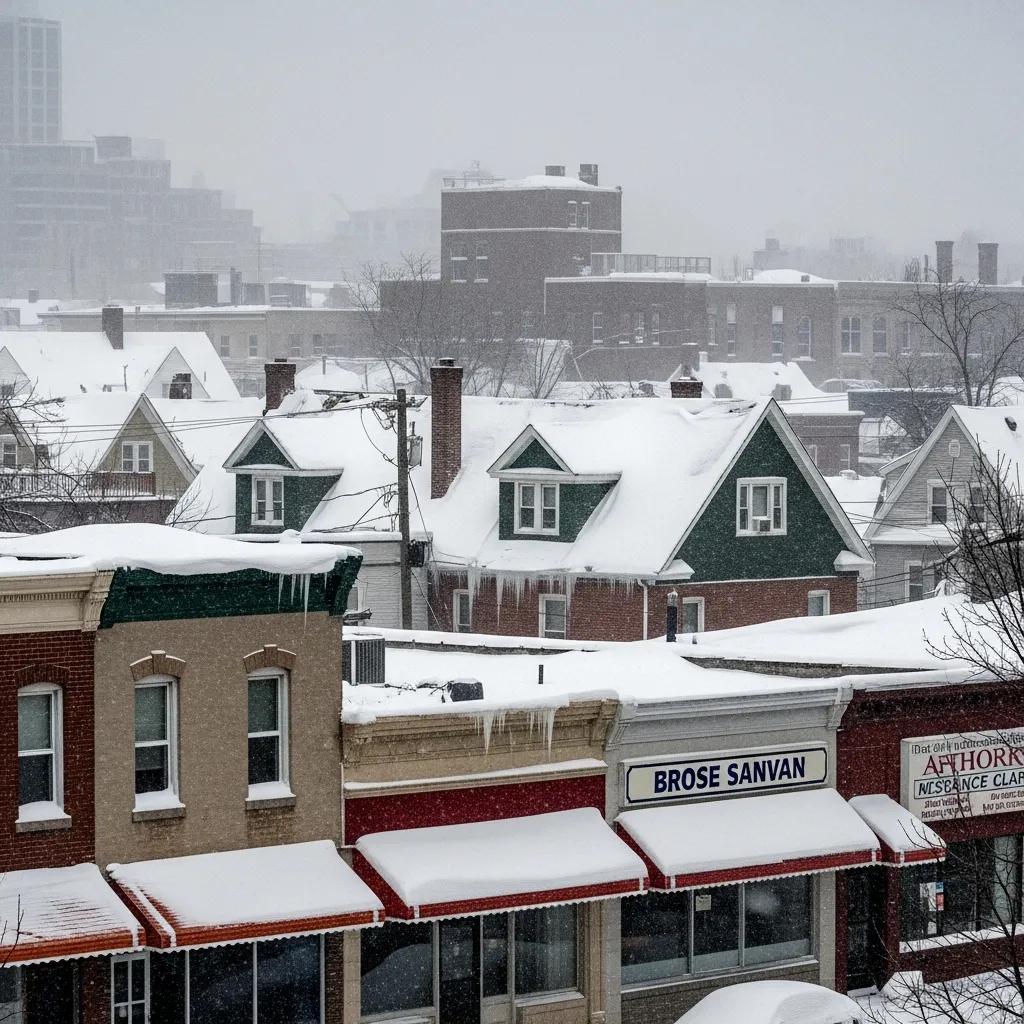
Winter storm damage Insurance claim
Winter storm damage in Philadelphia and nearby counties: expert public adjuster help and property restoration

Winter storms — ice, heavy snow, freezing temperatures and wind — can cause sudden structural failures and water intrusion for homes and businesses across Philadelphia and neighboring counties. This guide walks you through the common winter damage types, the insurance claim steps in Philadelphia, and practical triage actions you can take right after a storm. You’ll learn how ice dams, frozen pipe bursts, snow-load stress and wind-driven roof or siding damage happen, how to document and preserve evidence, and when a licensed public adjuster should get involved. We also explain how public adjusters and restoration pros work together to find hidden damage, negotiate full payouts, and restore properties while cutting delays. Finally, read how Adjustering serves as a free connector to licensed public adjusters and vetted roofing, siding, and restoration contractors across Philadelphia, Bucks, Montgomery, Chester and Delaware counties, South Jersey, and Central Jersey — and how our Link-Claim-Restore workflow helps overwhelmed owners recover more smoothly.
What types of winter storm damage are most common in Philadelphia?
Winter storms produce predictable failure patterns that affect building envelopes, plumbing and structural systems around Philadelphia. Ice dams push meltwater under shingles into attics, frozen pipes can burst inside walls and ceilings, heavy snow increases roof loads and can cause structural stress, and wind-driven debris rips siding and roofing materials. Knowing how these failures occur helps you prioritize safety, document loss properly and begin mitigation that supports a stronger insurance claim. The sections below list typical damages, explain their causes and show the signs to watch for so you can act quickly.
Which winter storm damages can affect your property?
Damage from winter storms ranges from obvious roof and siding loss to hidden water intrusion that speeds mold growth and structural decay. Ice dam claims often start with ceiling stains, peeling paint and attic moisture; frozen pipe bursts show up as sudden flooding, water pooling and loss of water service; snow-load failures produce sagging roofs, new interior cracks and stressed load-bearing members; and wind damage reveals missing shingles, split siding and displaced flashings. Early detection and clear documentation — photos, video and dated notes — preserve the evidence insurers need and prepare your property for professional inspection.
How do ice dams, frozen pipes, snow load and wind cause damage?
Ice dams form when warm attic air melts roof snow, which then refreezes at the eaves and creates a ridge that traps meltwater; that trapped water works its way under shingles and into sheathing, causing interior leaks and soaked insulation. Pipes freeze and rupture because water expands as it turns to ice inside confined plumbing runs, then floods when temperatures rise. Snow load adds dead and live weight beyond what a roof was designed to carry, stressing trusses, rafters and decking until deflection or failure occurs. High winds lift shingles and tear siding, exposing components like the roof deck, flashings and fascia to water intrusion and accelerated decay. Recognizing these mechanisms points to immediate mitigation: improve attic ventilation, remove snow carefully and install temporary tarps to limit progressive loss.
The table below summarizes common winter damage causes, signs and immediate homeowner actions to help you triage priorities.
This quick comparison helps you decide next steps for safety and preserving claim integrity.
| Damage Type | Typical Cause | Common Signs | Immediate Actions |
|---|---|---|---|
| Ice dam damage | Warm attic air + roof melt/refreeze | Ceiling stains, attic dampness, long icicles at eaves | Photograph damage, remove interior water, arrange temporary roof tarping |
| Frozen pipe burst | Prolonged subfreezing temps in uninsulated pipes | Sudden flooding, low or no water pressure, warped trim | Shut off main water, document loss, call plumber and restoration crew |
| Snow load stress | Heavy accumulation + poor drainage | Sagging roofline, new interior cracks, creaking roof | Evacuate if unsafe, hire pros for snow removal and shoring |
| Wind/siding damage | High winds + airborne debris | Missing shingles, loose or cracked siding, exposed underlayment | Photograph exterior, secure loose pieces, arrange tarping |
Use these signals to prioritize safety, document evidence quickly and take mitigation steps that protect property value and support a valid claim.
How does the winter storm insurance claim process work in Philadelphia?
Filing a winter storm claim in Philadelphia follows a clear sequence: ensure safety, document damage, notify your insurer and, for complex losses, engage a public adjuster. Insurer-appointed adjusters will inspect, line-item estimates are exchanged, and negotiations follow — with settlements or appeals as needed. Having the right documentation — photos, time-stamped videos, contractor estimates and receipts — helps avoid common pitfalls that lead to low payouts or denials. The sections that follow explain when to involve a public adjuster and break the filing and negotiation steps into practical tasks.
When should you contact a public adjuster after winter storm damage?
Contact a public adjuster as early as possible — ideally before you formally file — when damage is extensive, concealed or likely to be disputed. Public adjusters read policy language, spot overlooked items like saturated attic insulation or roof deck rot, and document concealed damage with moisture meters and thermal imaging. Early involvement preserves evidence, enables coordinated adjuster-contractor inspections, and helps prevent the insurer from closing the scope too quickly. If you see structural problems, heavy water intrusion or the insurer’s initial estimate seems low, reach out to a public adjuster promptly to protect the claim and speed recovery.
What are the key steps in filing and negotiating a winter storm insurance claim?
A successful winter storm claim follows documented steps that align responsibilities and timelines for the policyholder, insurer, public adjuster and contractors. First, secure safety and perform temporary mitigation. Second, document everything with photos, video and dated notes. Third, report the loss to your insurer and provide initial evidence. Fourth, schedule formal inspections by the insurer’s adjuster and any contractors. Fifth, gather itemized estimates and negotiate line-by-line with the insurer. Finally, settle and coordinate repairs. Keeping records — policy pages, receipts and contractor bids — strengthens negotiations; a public adjuster can press for supplements when concealed damage appears during restoration.
| Claim Step | Responsible Party | Typical Timeline | What You Need |
|---|---|---|---|
| Immediate safety & mitigation | Policyholder / Emergency contractor | Hours to 1 day | Photos, shutoff details, temporary repair invoices |
| Initial notice of loss | Policyholder | 1–3 days | Claim number, photos, contact information |
| Insurer inspection | Insurer adjuster | 3–14 days | Property access, documentation, contractor estimates |
| Supplemental discovery | Public adjuster / Contractor | Days to weeks | Moisture/thermal scans, line-item estimates |
| Negotiation & settlement | Insurer & Public adjuster | Weeks to months | Detailed scope, invoices, proof of loss |
| Repair & restoration | Restoration contractor | Project-specific | Work order, permits, final invoices |
This timeline shows how prompt documentation and timely responses shorten negotiations and reduce the risk of underpayment on winter storm claims.
Why hire a winter storm damage public adjuster in Philadelphia?
A public adjuster brings policy expertise, precise damage measurement and negotiation experience that often translates into higher settlements and faster resolution for complicated winter storm claims. Public adjusters work for you — the policyholder — and identify coverage the insurer may miss by documenting hidden damage and preparing comprehensive line-item estimates. They also coordinate with licensed contractors (roofing, siding and restoration) to validate repair needs and realistic timelines. Below we describe the typical tactics adjusters use and how Adjustering’s referral model connects you to local experts quickly.
How do public adjusters maximize your insurance payout?
Public adjusters maximize recoveries through a methodical process: they analyze your policy to find applicable coverages, perform detailed inspections to uncover concealed loss, and produce Xactimate-level (or equivalent) itemized estimates that insurers expect. They support supplements and appeals with evidence — photos, moisture readings and contractor scopes — and use negotiation experience to counter common insurer reductions. By turning overlooked items like saturated attic insulation or compromised roof decking into documented line items, public adjusters frequently secure materially larger settlements than unassisted claims.
What are the benefits of using Adjustering’s local expert network?
Adjustering connects homeowners and business owners to licensed public adjusters and vetted roofing, siding and restoration contractors. Our referral service is free to the client and speeds access to local experts across Philadelphia and nearby counties. Benefits include faster initial assessments through local matching, coordinated adjuster-contractor inspections that reduce missed damage, and a clear path from claim documentation to scheduling repairs. Because you pay only if you hire the referred professionals, you get peace of mind without upfront referral costs. These advantages shorten recovery time, help maximize compensation and ensure repairs meet local building codes and climate resilience needs.
Next we outline the specific services Adjustering helps coordinate for common winter damage scenarios.
What specific winter storm damage services does Adjustering facilitate?
How are ice dam damage claims and repairs handled?

Ice dam claims start with attic and roof-deck inspections to identify water entry paths and the insulation or ventilation issues that caused the dam. Temporary mitigation — careful snow removal and roof tarping — prevents further interior damage while documentation is collected for the claim. Permanent repairs focus on flashing and shingle replacement, plus attic insulation and ventilation upgrades to reduce future risk. Restoration teams then dry interiors, replace saturated insulation and address mold prevention. Adjustering quickly matches owners with licensed public adjusters and vetted roofing professionals so combined inspections capture both damage and preventive measures in the claim.
Roofers, restorers and adjusters collaborate on a repair plan that restores the home and improves long-term resilience.
| Service | Provider Type | Typical Scope | When to Call |
|---|---|---|---|
| Ice dam remediation | Roofing contractor / Restoration | Tarping, ice removal, ventilation and insulation upgrades | Active attic leaks, ceiling stains, recurring ice ridges |
| Frozen pipe restoration | Plumber / Restoration contractor | Water shutoff, extraction, structural drying, pipe replacement | Active flooding, loss of water pressure, visible burst pipe |
| Snow load & collapse response | Structural engineer / Roofer / Contractor | Shoring, debris removal, structural repairs or roof replacement | Sagging roof, new interior cracks, visible structural instability |
| Wind/siding repair | Siding contractor / Roofer | Replace shingles/siding, flashing repair and sealing | Missing shingles, exposed underlayment, loose siding |
This matrix clarifies who to call and when, and shows how adjuster assessments and contractor repairs are coordinated to support a complete claim.
What is the process for frozen pipe burst claims and restoration?

When a pipe bursts from freezing, immediate steps are: shut off the main water supply, document the loss, and call emergency water extraction and plumbing services to stop ongoing damage. Restoration typically follows a sequence: extract standing water, set up drying and dehumidification, remove compromised drywall or flooring as needed, and replace plumbing with improved insulation and freeze protection. Mold risk assessment and prevention are part of the drying process to avoid secondary losses that complicate claims. Adjustering’s referral network speeds connections to licensed plumbers and restoration teams so mitigation can begin without delay.
Timely mitigation and professional documentation lower the risk of denial for alleged neglect and support a full recovery.
How does Adjustering manage snow load roof collapse and wind damage claims?
Snow-load roof collapse and wind damage require immediate safety checks, emergency shoring or tarping, and structural specialist involvement to assess load-related failure. Once the site is secured, inspectors document damaged members, prepare line-item estimates and coordinate with engineers and roofers to produce repair plans insurers can evaluate. Adjustering helps match you quickly to the right specialists — structural engineers, roofers and public adjusters — so combined inspections create a complete record for a strong claim. Emergency mitigation plus a coordinated restoration schedule reduce property exposure and help insurers and adjusters negotiate appropriate settlements for structural loss.
That coordination reduces missed line items and supports accurate, code-compliant restoration work.
How does Adjustering’s coordinated approach simplify winter storm recovery?
Adjustering’s model links property owners with licensed public adjusters and vetted contractors in a coordinated Link-Claim-Restore workflow that closes gaps between documentation and repair. In Link, we match owners to nearby professionals quickly. In Claim, combined inspections produce detailed reports and line-item estimates that capture visible and hidden damage. In Restore, contractors complete repairs and manage supplements if additional concealed issues appear. This integrated flow shortens timelines, reduces missed damage and preserves claim value. The sections below unpack the workflow and inspection best practices that prevent overlooked losses.
What is the Link-Claim-Restore process between adjusters and contractors?
The Link-Claim-Restore flow starts with fast local matching to a licensed public adjuster and the right contractors, followed by a claim-focused inspection that delivers an itemized scope of loss and a repair timeline. During Claim, the public adjuster documents damage with photos, moisture readings and contractor estimates, then negotiates with the insurer for full compensation. During Restore, contractors schedule and perform work, implement mitigation and submit final invoices aligned to the negotiated settlement — with supplements filed if hidden damage emerges. This end-to-end coordination ensures inspection reports, line-item estimates and completed repairs are consistent and defensible to the insurer, which speeds both settlement and restoration.
With everyone working from the same documentation and expectations, disputes shrink and projects move faster.
The Link-Claim-Restore flow delivers clear outputs at each phase:
- Link: Quick local professional matching and scheduling.
- Claim: Thorough documentation, itemized estimating and negotiation.
- Restore: Repair execution and final invoicing aligned to settlement.
For homeowners, the role is simple: document the loss, approve inspections, and authorize repairs once settlement terms are clear.
How does Adjustering ensure no damage is missed during inspections?
To find hidden winter damage, combined adjuster-contractor walkthroughs target high-risk areas — attic insulation, roof deck, flashings, plumbing penetrations and HVAC connections — using moisture meters, thermal imaging and methodical checklists. Inspectors prioritize attic and roof-deck evaluations for ice-dam impact, follow plumbing runs to likely freeze points, and inspect structural members for snow-load stress, documenting findings with time-stamped photos and measurements. If concealed damage appears during mitigation or demolition, supplemental claims are filed based on the original documentation trail. Adjustering’s vetting and coordination help ensure inspections are thorough and use the right diagnostic tools to convert subtle indicators into claimable items.
Comprehensive inspections lower the chance of denied supplements and protect full recovery potential during restoration.
Frequently Asked Questions
What should I do immediately after winter storm damage occurs?
Right after winter storm damage, put safety first: shut off utilities if needed and leave unsafe areas. Photograph and video the damage with visible timestamps, and take temporary steps (tarp roofs, remove standing water) to prevent more loss. These actions protect your home and create clear evidence for your claim. If damage is substantial, contact a licensed public adjuster to guide the claims process.
How can I prevent future winter storm damage?
To reduce future risk, improve attic insulation and ventilation to limit ice dams, keep roofs, gutters and downspouts clear, and upgrade plumbing insulation in vulnerable spaces. Regular roof inspections and timely maintenance reduce the chance of weather-related failure. A public adjuster can also review your risk profile and recommend resilience upgrades that lower future claim exposure.
What are the costs associated with hiring a public adjuster?
Public adjusters typically charge a percentage of the claim recovery — commonly between 5% and 15% — payable only if you receive a settlement. While it’s an added cost, many homeowners find adjusters recover materially more than the fee. Always confirm fees and contract terms up front so there are no surprises.
Can I handle my insurance claim without a public adjuster?
Yes — many homeowners manage claims themselves — but complex or extensive losses are harder to document and negotiate alone. Without professional help, you risk underpayment or missed coverage. If you’re comfortable reading your policy, documenting damage and negotiating, you can proceed independently; otherwise, a public adjuster offers expertise that often improves outcomes.
What documentation is essential for a winter storm damage claim?
Critical documentation includes detailed photos and videos with timestamps, receipts for temporary repairs, contractor estimates, and your insurance policy pages. Weather reports or storm photos that show the event can also help. Organized records streamline the claim and strengthen negotiations with the insurer.
How do I choose the right public adjuster for my claim?
Choose a public adjuster by checking licenses, experience with winter storm claims and local reputation. Read reviews, ask for references and confirm familiarity with your policy and local building codes. A good adjuster will be transparent about fees, explain their process and keep you informed throughout the claim.
Does homeowners insurance cover snow and ice damage?
Homeowners insurance often covers sudden, accidental damage from snow, ice and wind, but coverage depends on your policy details and exclusions such as neglect or lack of maintenance. Policies commonly cover sudden roof collapse from snow load and water damage from ice-dam leaks if proper maintenance was in place. Review your declarations and exclusions and document that the loss was sudden rather than long-term neglect. For policy-specific guidance, consult a licensed public adjuster who can translate coverage into actionable claim items.
If an insurer disputes coverage or limits payment, an adjuster can pinpoint covered line items and file supplements as restoration uncovers hidden damage.
How long does a winter storm insurance claim typically take?
Timelines vary: immediate mitigation can happen within hours, insurer inspections usually occur within days to a couple of weeks, and negotiations to settlement can take weeks to months depending on complexity and insurer backlog. Hidden damage, engineering reports and supplemental claims extend timelines because restoration can reveal additional loss. Engaging a public adjuster early speeds documentation, reduces back-and-forth and helps align settlements with true scope and cost. Expect days for mitigation, weeks for straightforward settlements and months for complex structural claims requiring supplements.
What signs indicate hidden winter storm damage?
Hidden damage often shows subtle signs: musty attic odors, staining under insulation, unexplained utility spikes, warped ceilings or floors, and intermittent leaks during thaw cycles. Thermal imaging and moisture meters detect wet sheathing and saturated insulation that are invisible on casual inspection. If you spot these signs, document them, limit further damage with temporary mitigation and schedule a professional inspection to confirm and quantify concealed loss for a supplemental claim. Early detection and diagnostics preserve evidence and strengthen recovery.
If you suspect hidden damage, coordinated inspections by a public adjuster and restoration contractor convert subtle indicators into documented claim items the insurer must evaluate.
Adjustering connects owners to licensed public adjusters and vetted restoration, roofing and siding contractors across Philadelphia, Bucks, Montgomery, Chester and Delaware counties, plus South Jersey and Central Jersey. Our free referral service speeds access to local experts and a no-cost claim review so you can begin the Link-Claim-Restore process with confidence.
Immediate steps after winter storm damage:
- Ensure safety: Turn off utilities if needed and evacuate unsafe structures.
- Document everything: Take photos and videos with timestamps to preserve the loss record.
- Mitigate temporarily: Tarp roofs and remove standing water to prevent progressive damage.
These actions protect your property and support better insurance outcomes. Contacting a licensed public adjuster through Adjustering can align inspections and repairs with your claims strategy and restoration plan.
To get started or for questions, you can contact Adjustering directly.
Conclusion
Knowing how winter storm damage happens and how the claims process works makes recovery faster and more certain for Philadelphia-area homeowners. Licensed public adjusters and qualified restoration professionals help document hidden loss, negotiate full compensation and restore properties to code. Take prompt, documented mitigation steps and lean on local experts to protect your claim value and speed repairs. For personalized help, reach out to Adjustering to connect with local professionals who will guide you through each step of the claims process.
