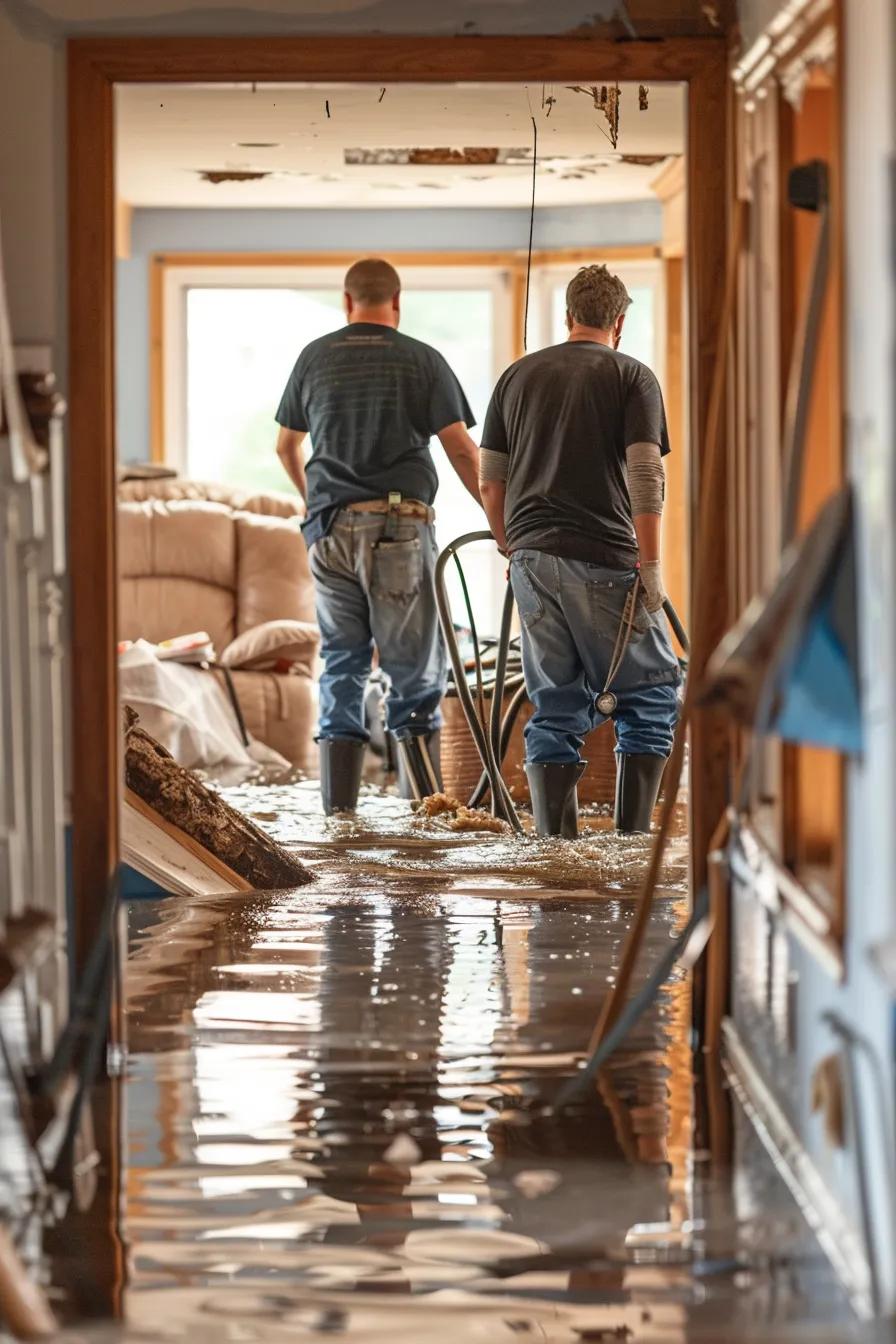
24/7 Emergency Water Removal & Extraction Services
24/7 Emergency Water Removal & Extraction — Fast, Reliable Property Recovery
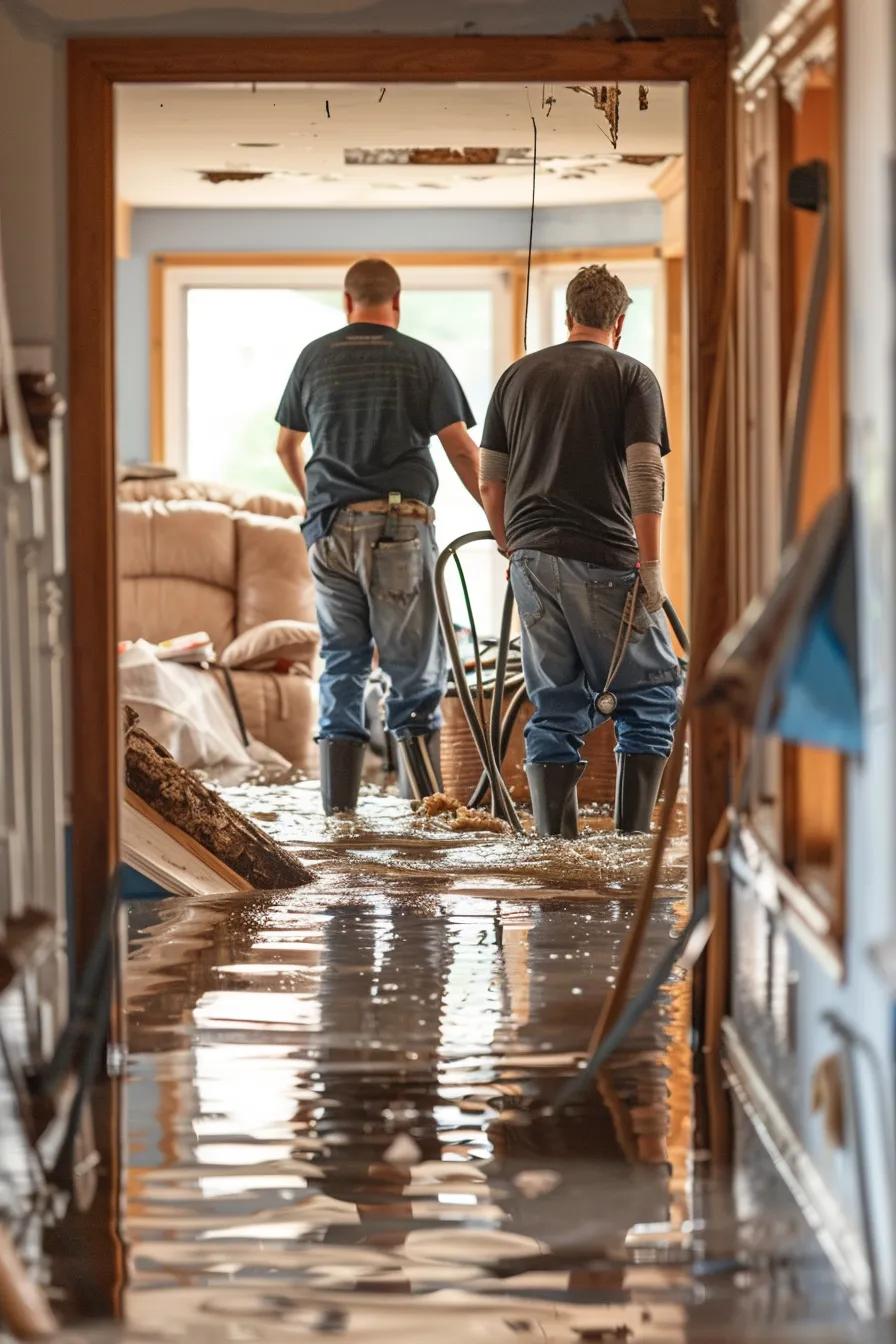
Water inside a home or business needs immediate attention: standing water, hidden saturation, and fast-growing microbes can multiply damage in hours. This guide explains why 24/7 emergency water removal and professional extraction stop escalation, how structured drying and moisture monitoring protect materials, and why coordinated insurance advocacy prevents missed scope and lost compensation. You’ll get a step-by-step emergency workflow — from rapid response and extraction to drying, documentation, and full restoration — plus practical, county-specific guidance for Philadelphia, Bucks, Montgomery, Chester, Delaware, South Jersey, and Central Jersey. The text focuses on urgent, actionable steps homeowners and facility managers can take right after a flood, clear explanations of professional techniques and equipment used by extraction specialists, and how licensed public adjusters and vetted restoration contractors work together to maximize insurance recovery and return your property to pre-loss condition.
Why Is Immediate Emergency Water Removal Critical for Property Damage?
Immediate water removal stops the physical and biological processes that multiply damage, preserves salvageable materials, and lowers both restoration time and cost. Fast extraction reduces moisture in porous building materials before mold spores colonize, and it prevents electrical and structural hazards that arise when water soaks framing and insulation. Early mitigation protects contents, documents, and finishes while also creating clearer photographic and inventory evidence for insurance. Quick action limits secondary damage and makes the transition from mitigation to reconstruction smoother, reducing disruption to households and businesses.
What Are the Risks of Delaying Water Extraction and Drying?

Delaying extraction and drying lets microbial growth — including mold — begin within 24–48 hours, creating health risks and extra remediation. Prolonged moisture weakens wood framing, swells drywall and flooring, and accelerates metal corrosion, often forcing partial or full replacement of affected assemblies. Wet electrical systems present shock and fire hazards until inspected and cleared by licensed electricians, which lengthens repair timelines. Insurers may attribute damage to prolonged exposure rather than a single event, so delayed action can complicate coverage and reduce recoverable compensation. Early restoration is therefore both a safety measure and a financial necessity.
How Does Fast Water Removal Prevent Further Property Damage?
Fast removal reduces moisture below levels that support mold and decay and stabilizes building assemblies to avoid collapse or irreversible deterioration. Professionals use high-capacity pumps and targeted wet-vacs to remove bulk water quickly, then apply structural drying with air movers and dehumidifiers to control humidity and moisture gradients. Immediate drying preserves finishes and contents that can be salvaged, limiting demolition and lowering reconstruction costs. Prompt intervention shortens repair timelines and creates clearer documentation for insurance claims, increasing the likelihood of full restoration instead of partial fixes.
What Is Adjustering’s Coordinated Process for Emergency Water Removal & Extraction?
Our coordinated emergency process follows a clear sequence: rapid response and assessment, aggressive extraction of standing water, strategic structural drying and monitoring, integrated insurance documentation and advocacy, and final restoration by vetted trade contractors. First responders stabilize the scene and document damage; water extraction specialists remove bulk water and set a drying plan; licensed public adjusters document losses and advocate for full claim recovery while restoration contractors perform repairs. This end-to-end workflow reduces missed items, speeds approvals, and aligns technical restoration milestones with insurance expectations to restore safe occupancy. The result is a single, coordinated effort that protects safety, property value, and insurance recoveries.
Specialized teams handle defined tasks during the coordinated workflow:
Rapid Response & Assessment: Safe entry, hazard triage, moisture mapping, and photo documentation.
Water Extraction & Drying: Bulk water removal, air movement, dehumidification, and moisture monitoring.
Insurance Integration: Detailed inventories, adjuster engagement, and claim negotiation support.
Restoration & Repair: Demolition as needed, reconstruction, and final quality assurance.
Numbering the process clarifies responsibilities and speeds recovery by ensuring each stage hands off complete documentation to the next, reducing rework and preventing overlooked items.
Introductory equipment and response comparison: the table below summarizes typical response steps, response windows, and common equipment used during each phase so you can see how tasks and tools align.
PhaseTypical Response TimeTypical Equipment/ActionsRapid Response60–120 minutesSafety triage, moisture meters, photo documentationWater Extraction1–4 hours (depending on volume)Truck-mounted pumps, wet vacs, submersible pumpsDrying & Monitoring24–72+ hoursAir movers, industrial dehumidifiers, moisture probesInsurance IntegrationBegins immediatelyDamage inventories, adjuster reports, staged approvalsRestorationDays–weeksDemolition tools, carpentry, roofing/siding repairs
The table shows how quick mobilization and the right equipment at each phase reduce damage and speed successful restoration.
How Do We Provide Rapid Response and Initial Water Damage Assessment?
Rapid response starts with a safety-first triage: secure utilities, eliminate electrical hazards, and document conditions for claims. Technicians perform moisture mapping using meters and infrared imaging to locate hidden saturation in walls, floors, and ceilings, photographing every affected area to create a consistent damage record. Initial mitigation — temporary pumping, tarping, and containment — limits water spread while a drying plan is developed. Early photos and a clear initial scope are the foundation for working with licensed public adjusters and set the project on a fast, documented path to extraction and drying.
What Steps Are Involved in Professional Water Extraction and Structural Drying?
Professional extraction begins with removing bulk water using pumps and wet-vac systems, then deploying air movers to direct airflow across wet surfaces and industrial dehumidifiers to lower ambient humidity and remove bound moisture. Technicians establish drying goals based on relative humidity (RH) and material moisture content, then monitor progress with moisture probes and data logging to guide equipment placement and runtime. Regular documentation and communicated benchmarks give transparency to homeowners and support insurance approvals for ongoing mitigation and reconstruction. A monitored, goal-driven drying plan prevents guesswork and minimizes unnecessary demolition, moving the project efficiently toward restoration.
Common extraction and drying equipment includes:
Truck-mounted and submersible pumps for bulk water removal.
High-capacity wet vacs for targeted extraction.
Air movers to increase evaporation across wet surfaces.
Industrial desiccant or refrigerant dehumidifiers for moisture removal.
These tools work together to control the drying environment and restore safe moisture levels, preparing the property for repairs and reconstruction.
How Is Insurance Claim Support Integrated Seamlessly with Restoration?

Insurance claim support starts at first notice of loss with thorough documentation, a detailed inventory of damaged items, and early involvement of licensed public adjusters who pursue full policy benefits. Public adjusters coordinate joint inspections with restoration contractors so all damaged areas, materials, and ancillary losses are captured — items a single inspector might miss. Detailed scopes, line-item estimates, and staged approvals reduce disputes and speed funding for repairs, while synchronized communication keeps homeowners informed and reduces stress. Aligning technical documentation with insurer requirements from day one helps claim outcomes reflect actual repair needs and replacement values.
RoleResponsibilityBenefitLicensed Public AdjusterDamage documentation and claim advocacyMaximizes insurance recoveryRestoration ContractorTechnical mitigation and repair executionEnsures valid scopes and quality repairsProperty OwnerInformation sharing and approvalsFaster decisions and fewer denialsCoordinated TeamJoint inspections and shared documentationMinimizes missed damage and claim delays
This comparison shows how shared responsibilities and clear documentation protect homeowner interests and improve the chance of full financial recovery.
What Does Full Property Restoration and Repair Include After Water Removal?
Full restoration covers cleaning and sanitizing affected areas, selective demolition of irreparably damaged materials, reconstruction of structural and finish elements, and final inspections to confirm safe reoccupation. Sanitization includes anti-microbial treatments for gray or contaminated water exposures and contents cleaning where salvageable, while reconstruction can include drywall replacement, flooring repair, cabinetry work, and roofing or siding repairs if exterior assemblies were compromised. Final quality checks and homeowner walkthroughs confirm repairs meet expectations and that moisture levels are within safe occupancy thresholds. Documented sign-offs complete the restoration and support closing the insurance claim.
Which Types of Water Damage and Emergencies Do We Handle 24/7?
We respond to a wide range of incidents: burst pipes, basement floods, storm-driven flooding, sewage backups, and appliance overflows — each with protocols matched to the water category. Clean water events need rapid extraction and drying to prevent contamination, while gray and black water events require containment, sanitization, and protective demolition before drying. Commercial responses scale to protect inventory and reduce business interruption; residential work focuses on occupant safety and content preservation. Knowing the differences between water categories ensures the right mitigation approach and lowers health and structural risks.
How Do We Address Burst Pipes, Basement Floods, and Storm Water Extraction?
With burst pipes and internal failures, the first priority is stopping the water source when safe, removing standing water, and starting structural drying to preserve floors and framing; rapid documentation supports claims for sudden events. Basements often need submersible pumps, containment of migration paths, and thorough moisture mapping because they collect water and contaminants. Storm water extraction can require large-volume pumping, perimeter containment, and coordination with exterior repairs like roof or siding fixes that allowed infiltration. Each scenario follows tailored mitigation sequences and safety measures to limit contamination, protect salvageable items, and prepare for reconstruction.
Immediate actions for these scenarios typically include:
Shut off utilities if necessary and safe to do so.
Remove bulk water with pumps and wet vacs.
Document damage with photos and moisture readings.
Those steps stabilize the structure quickly and prepare it for drying and claims documentation.
What Solutions Are Available for Commercial Water Removal and Flood Cleanup?
Commercial water removal focuses on scale, logistics, and business continuity, using high-capacity pumps, temporary containment, and phased restoration plans so critical operations can resume. Warehouses, retail spaces, and offices often need separation of clean and contaminated zones, inventory triage, and detailed loss inventories to support business interruption claims. Restoration teams coordinate with facility managers and insurers to sequence work so essential services restart while remediation continues in less critical areas. Clear documentation and adjuster liaison help address complex scopes and accelerate claim settlements that enable reopening.
How Does Adjustering Simplify Water Damage Insurance Claims for Homeowners and Businesses?
Licensed public adjusters simplify water damage claims by interpreting policy language, building exhaustive damage inventories, and negotiating with insurers for full reimbursement. Adjustering connects homeowners and business owners with licensed public adjusters who pursue the full policy payout and with trusted roofing, siding, and restoration contractors who repair the damage. This coordinated approach reduces confusion, speeds access to local experts across Philadelphia, Bucks, Montgomery, Chester, Delaware counties, South Jersey, and Central Jersey, and helps ensure no damage is missed through joint inspections. Early adjuster involvement and contractor collaboration increase compensation and streamline restoration from mitigation through final repairs.
Why Should You Use Licensed Public Adjusters for Water Damage Claims?
Licensed public adjusters find hidden and consequential damage that property owners or insurer field adjusters may miss, document losses with line-item clarity, and negotiate settlements that reflect full restoration costs. Adjusters handle inventory creation, supplement requests, and dispute resolution, easing the administrative load on property owners so they can focus on safety and recovery. Their expertise is especially valuable for complex or progressive damage — like hidden moisture migration or concurrent roofing issues. Engaging a public adjuster early preserves claim leverage and often yields more complete payment for repairs and contents replacement.
How Do We Coordinate Between Adjusters and Contractors to Maximize Insurance Benefits?
Coordination starts with joint inspections that create a single, comprehensive scope of work and damage inventory, reducing overlooked items and speeding claim approvals. Contractors deliver technical estimates and repair sequencing while adjusters translate those needs into claim line items and negotiate appropriate allowances. The staged process — document, estimate, approve, repair — helps secure predictable funding for remediation and avoids mid-project disputes that delay completion. Ongoing communication and shared documentation also make change-order management more efficient when hidden damage surfaces during demolition or drying.
Where Are Our 24/7 Emergency Water Removal Services Available Locally?
We serve Philadelphia, Bucks, Montgomery, Chester, and Delaware counties, plus South Jersey and Central Jersey, through local partner networks and rapid dispatch protocols tailored to each area. Local teams understand county-specific building types, common intrusion patterns, and regional permitting or contractor coordination needs, which shortens mobilization and improves repair accuracy. Response times vary by distance and severity, but local partners deliver the fastest possible arrival and resource allocation for urgent extraction and drying. Local knowledge also helps when adjusters and contractors must document damage against region-specific reconstruction costs and codes.
Service AreaServices OfferedLocal NotesPhiladelphia County24/7 extraction, basement flood cleanup, public adjuster connectionUrban access strategies and multi‑family response capabilitiesBucks CountyEmergency extraction, burst pipe response, structural dryingRapid dispatch to suburban and mixed‑use propertiesMontgomery CountyWater extraction, mold referrals, contractor coordinationFocus on coordinated mitigation and reconstructionChester CountyFlood cleanup, insurance documentation, restorationRural access planning and contractor logisticsDelaware CountyImmediate extraction, drying, adjuster liaisonQuick response for residential and small commercial sitesSouth & Central JerseyCross‑state flood cleanup, commercial supportRegional partner network and cross‑jurisdiction claim coordination
This service map helps property owners understand regional availability and expected services, so decisions after damage are faster and better informed.
What Emergency Water Removal Services Do We Offer in Philadelphia and Surrounding Counties?
In Philadelphia and nearby counties, our emergency services emphasize fast on-site assessment, bulk water extraction, structural drying, content recovery, and direct connections to licensed public adjusters and vetted restoration contractors. Urban environments require specialized access strategies for row homes, multi‑family buildings, and storefronts, and secure documentation practices to support claims. Local technicians are trained for tight access and staged drying while minimizing impact to neighboring units or businesses. Adjuster‑contractor joint inspections in these counties reduce missed damage and shorten approval timelines for repairs.
How Do We Serve South Jersey and Central Jersey with Fast Flood Cleanup?
Serving South and Central Jersey relies on a vetted partner network that responds across municipal and county lines, coordinating large-capacity pumps, containment, and multi‑trade repairs for storm-related or commercial-scale flooding. Cross‑jurisdiction response uses pre-planned logistics for equipment transport, staged crew mobilization, and coordinated documentation for insurers operating across state lines. Partner vetting ensures contractor quality and consistent restoration standards, and regional coordination reduces mobilization time so cleanup and drying begin quickly. Clear handoffs between field teams and adjusters help streamline claim processing in multi‑jurisdiction situations.
Frequently Asked Questions
What should I do if I discover water damage in my property?
Put safety first. If there are electrical hazards, evacuate and call emergency services. Next, contact a professional emergency water extraction service. While you wait, document the damage with photos and video, and — if it’s safe — shut off the water source. Move undamaged items to dry areas to limit loss. Acting quickly preserves evidence for insurance and reduces secondary damage.
How can I prevent mold growth after water damage?
Prevent mold by removing standing water and starting drying as soon as possible. Use dehumidifiers and air movers to lower humidity and speed evaporation, and keep the area ventilated. If moisture remains for more than 24–48 hours, call professionals for mold remediation before it becomes a health risk.
What types of water damage are typically covered by insurance?
Coverage depends on the cause. Sudden, accidental incidents like burst pipes or appliance failures are often covered by standard homeowners policies. Flooding and sewer backups usually require separate policies or endorsements. Review your policy and consult a licensed public adjuster to understand your specific coverage and limits.
How long does the water extraction process usually take?
Initial extraction typically takes 1 to 4 hours, depending on water volume and accessibility. Structural drying can take 24 to 72 hours or longer, based on materials and equipment effectiveness. Prompt mitigation shortens overall timelines and reduces secondary damage.
What equipment is commonly used in water extraction and drying?
Common equipment includes truck‑mounted pumps, submersible pumps, and high‑capacity wet vacs for bulk removal. Drying uses air movers and industrial dehumidifiers, while moisture meters and infrared imaging verify thorough drying. These tools restore properties efficiently and document progress.
Can I handle water damage cleanup myself?
Minor issues may be handled by homeowners, but significant water damage should be left to professionals. DIY cleanup can miss hidden moisture and lead to mold or structural problems. Professionals bring the right equipment, expertise, and documentation for insurance claims — the safest path to complete recovery.
What are the signs of hidden water damage?
Watch for higher utility bills, water stains on walls or ceilings, peeling paint or wallpaper, and a musty odor. Soft or spongy floors and mold in areas not directly affected by visible water also suggest hidden moisture. Regular inspections and quick action catch problems before they worsen.
Who Should I Call for Emergency Water Removal and Extraction?
After discovering significant water intrusion, prioritize safety: if there’s an electrical hazard, evacuate and call emergency services. Then contact a professional emergency water extraction and restoration provider to stop further damage. While awaiting help, document the scene with photos and video, note the cause (burst pipe, appliance failure, storm), and — if it’s safe — shut off water and power to affected areas. When you call, have property details ready — address, building type, affected areas, and immediate risks — so responders can triage and dispatch the right resources quickly. Fast notification preserves evidence for insurance and speeds mitigation.
Immediate checklist before responders arrive:
Ensure occupant safety and evacuate if necessary.
Photograph and video all affected areas and contents.
Stop the water source and power if it’s safe to do so.
Following these steps protects people and preserves documentation for claims and restoration planning.
How Much Does 24/7 Water Extraction Service Cost in Philadelphia and Nearby Areas?
Costs vary widely based on water category, square footage affected, accessibility, volume of standing water, and whether demolition is required. Typical residential ranges for moderate events fall between $3,000 and $10,000 or more. Commercial incidents scale higher because of larger volumes, inventory handling, and business‑continuity needs; complex projects can reach tens or hundreds of thousands depending on scope. Key cost drivers include contamination level (clean vs. gray/black), drying time and equipment, content pack‑out and cleaning, and reconstruction scope. Because costs fluctuate, request a rapid assessment and consider engaging a licensed public adjuster to review claims for potential full coverage.
What Should I Do Immediately After Water Damage Occurs?
After confirming safety, take clear steps to mitigate damage and preserve claim evidence: photograph and note everything, stop the water source if possible, move undamaged contents to dry areas, and contact an emergency restoration service and a licensed public adjuster. Avoid invasive demolition beyond temporary mitigation — early professional documentation is crucial for insurance. Keep a log of calls, contractors on site, and actions taken; this timeline supports your claim and shows proactive mitigation. These actions preserve evidence, limit secondary damage, and make restoration and claims smoother.
How Do I Know If My Insurance Covers Emergency Water Removal?
Coverage depends on policy language and the event: sudden, accidental incidents like burst pipes are typically covered, while progressive damage from maintenance neglect is often excluded. Flood and sewer backup coverage require separate policies or endorsements. Check for water damage, sewer backup, and flood endorsements, and document the event thoroughly to support coverage. A licensed public adjuster can interpret policy nuances, identify covered items, and assemble insurer-required documentation. Early adjuster involvement reduces ambiguity and increases the chance eligible costs are recovered.
If you’re ready to act, Adjustering connects you with licensed public adjusters and vetted restoration, roofing, and siding contractors who collaborate to ensure complete inspection, documentation, and restoration. Adjustering’s coordinated network removes confusion from the claims process, gives fast access to local experts across Philadelphia, Bucks, Montgomery, Chester, Delaware counties, South Jersey, and Central Jersey, and helps ensure no damage is missed through joint adjuster‑contractor inspections. For rapid coordination between mitigation teams and insurance advocates, contact Adjustering by email or phone to begin connecting with licensed public adjusters and trusted restoration professionals who will manage inspections, claims, and repairs on your behalf.
Contact Adjustering with your property details to start adjuster and contractor coordination.
Document the damage and preserve photos and videos for adjuster review.
Allow joint inspections so adjusters and contractors can capture the full scope and speed approvals.
These steps prioritize safety, preserve evidence, and create a coordinated restoration plan that reduces stress and shortens recovery time.
