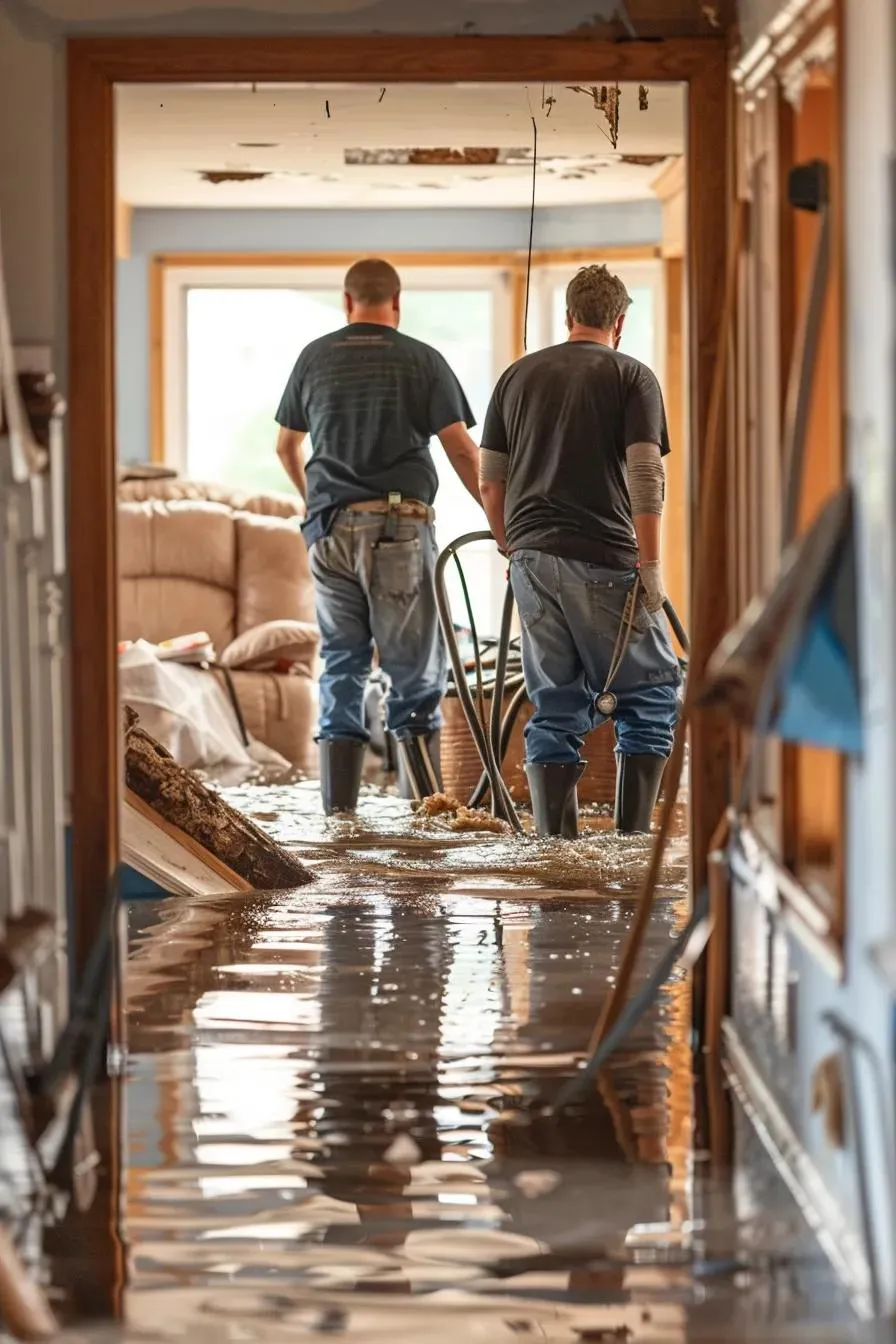
Water Damage Recovery: Philadelphia Home Guide
Home Restoration, Water Damage, Philadelphia
What to Do After Water Damage in Your Philadelphia Home: 7 Essential Steps
Discover the critical steps to take in the first hours after water damage in your Philadelphia-area property, and how public adjusters and restoration professionals can help you protect your home, your safety, and your insurance claim.
Why Fast Action Matters After Water Damage in Philadelphia
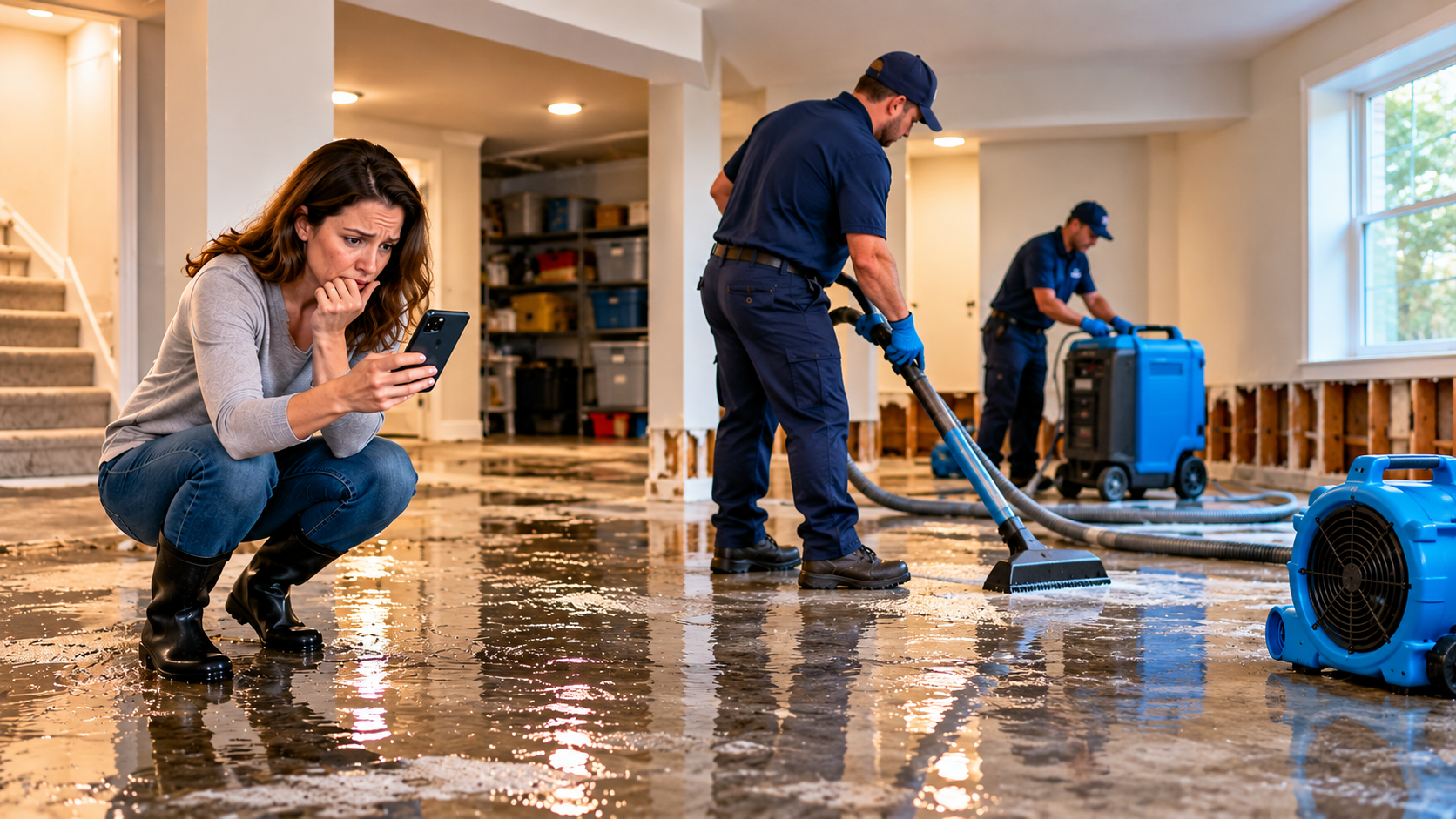
Whether it is a burst pipe during a cold Philadelphia winter, a leaking roof after a heavy storm in Bucks County, or an overflowing appliance in a South Jersey condo, water damage can escalate quickly. Within hours, clean water can seep into walls, floors, and electrical systems. Within days, mold growth may begin, turning a manageable situation into a major restoration project.
Taking the right steps immediately protects your family’s safety, helps limit additional damage, and supports a stronger, well-documented property insurance claim. The following seven essential steps are designed for homeowners, landlords, and property managers throughout Philadelphia, Montgomery County, Bucks County, South Jersey, and Central Jersey who are dealing with sudden water damage.
Step 1: Put Personal Safety First
Before you worry about belongings or repairs, focus on safety. Water and electricity are a dangerous combination, and contaminated water can pose serious health risks. If there is standing water near outlets, appliances, or your electrical panel, avoid entering the area until you are sure the power is off and it is safe to walk through.
If it is safe to do so, shut off power to affected rooms at the breaker box, not just at wall switches.
Avoid walking through water that may be contaminated by sewage, chemicals, or outdoor runoff, especially in basements and lower levels.
Wear protective gear such as rubber boots and gloves if you must enter wet areas.
⚠️ Warning: If you suspect structural damage, a sagging ceiling, or a risk of collapse, leave the property and contact local emergency services or a qualified professional before re-entering.
Step 2: Stop the Water Source if Possible
Once everyone is safe, the next priority is stopping additional water from entering your home. Limiting how much water flows into the space can significantly reduce the extent of the damage and can be an important factor when documenting your efforts to mitigate loss for your insurance company.
For plumbing leaks or burst pipes, locate and close your main water shut-off valve. In many Philadelphia and New Jersey homes, this is in the basement, utility room, or near the street.
If the source is a malfunctioning appliance, turn off its water supply line and unplug the unit if it is safe to do so.
For roof leaks during storms, use buckets or containers to catch dripping water and move valuables out of the affected area until professionals can tarp or repair the roof.
Step 3: Document Property Damage Thoroughly
Accurate documentation is one of the most important steps you can take for a potential insurance claim. Before you move items, discard materials, or begin major clean-up, capture clear evidence of the damage throughout your Philadelphia-area property.
Take wide-angle photos and videos of each affected room, showing floors, walls, ceilings, and any visible water lines or staining.
Photograph close-ups of damaged furniture, electronics, personal belongings, and structural components such as baseboards, drywall, and cabinetry.
Make a written inventory of affected items, including approximate purchase dates, costs, and brands when available.
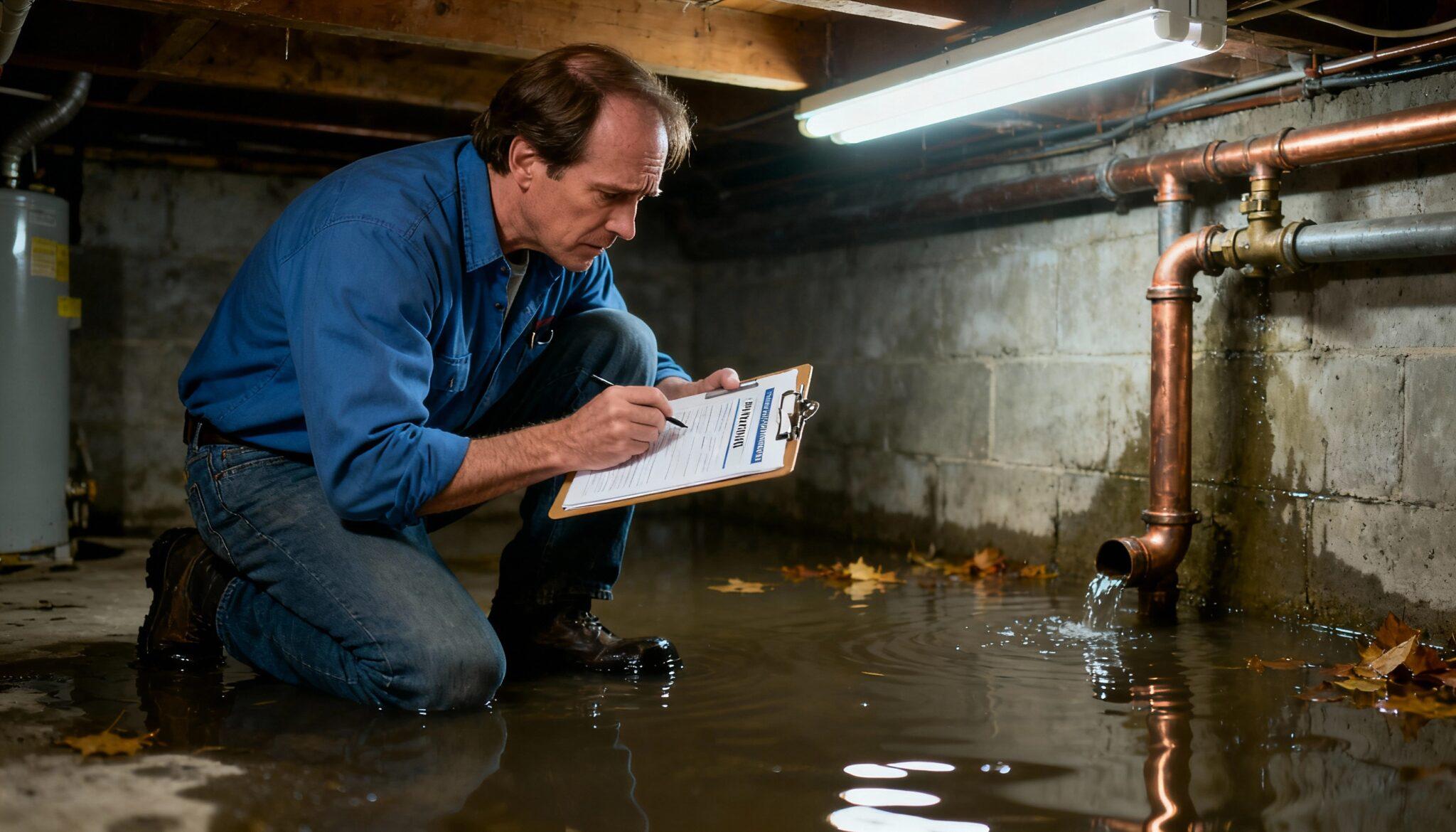
Detailed photos and notes help support accurate, organized property insurance claims.
Step 4: Take Reasonable Steps to Prevent Additional Damage
Most property insurance policies expect policyholders to take reasonable actions to prevent further damage once a loss occurs. After you have documented the situation, begin basic mitigation while you wait for professional help, as long as it is safe to do so.
Remove wet rugs, small furniture, and personal items from the affected area to a dry space to help them dry and prevent staining or warping.
Blot or soak up standing water with towels or a wet/dry vacuum if you can do so safely, especially in high-traffic areas.
Open windows and doors when weather allows to increase airflow, and use fans or dehumidifiers to begin drying surfaces.
💡 Pro Tip: Keep receipts and records for any temporary repairs, cleaning supplies, or equipment rentals you use to mitigate damage. These costs may be considered as part of an eligible claim, depending on your policy.
Step 5: Notify Your Insurance Company Promptly
Once the situation is stable and documented, contact your homeowners or commercial property insurance company to report the loss. Many policies require prompt notice, and early communication can help set expectations for inspections, coverage questions, and next steps for your Philadelphia, Bucks County, or South Jersey property.
Have your policy number, date and time of loss, and a brief description of what happened ready when you call or submit an online claim.
Ask about any specific steps they require, such as using certain forms, providing estimates, or scheduling an inspection by the company’s adjuster.
Take notes during the conversation, including names, dates, and any claim reference numbers provided.
Step 6: Find Qualified Water Damage Restoration Professionals
Professional restoration companies have specialized equipment and training to dry, clean, and restore water-damaged structures. In the humid climate of the Philadelphia region, proper drying and mold prevention are especially important. Choosing the right restoration team can make the difference between a quick recovery and lingering issues.
Look for restoration professionals who are insured, experienced with residential and commercial water damage, and familiar with local building conditions in Philadelphia, Montgomery County, and nearby areas.
Ask whether they provide 24/7 emergency response, moisture mapping, structural drying, and mold remediation when needed.
Request written estimates and timelines, and confirm how they will coordinate with your insurance company or public adjuster.
Step 7: Understand How Licensed Public Adjusters Can Help
A licensed public adjuster is an insurance professional who represents you, the policyholder, rather than the insurance company. When you are dealing with water damage in a Philadelphia row home, a Bucks County rental property, or a Central Jersey office building, a public adjuster can help you navigate the complexity of your property insurance claim.
Documenting and Assessing the Full Scope of Damage
Public adjusters are trained to identify and document not only obvious damage, such as soaked flooring or ruined drywall, but also hidden issues like moisture behind walls, damaged insulation, or long-term risks of mold. They can help you create a detailed, itemized estimate of building and personal property damage that aligns with your policy language and local construction costs.
Preparing and Presenting Your Claim
Filing a water damage claim often involves multiple forms, supporting documents, estimates, and ongoing communication with the insurance company. A licensed public adjuster can assist with organizing your documentation, preparing claim submissions, and helping you understand what your policy may or may not cover. Their goal is to present a clear, well-supported claim on your behalf.
Negotiating Eligible Property Insurance Claims
When differences arise between the policyholder and the insurance company regarding the scope or value of a loss, public adjusters can negotiate on behalf of the policyholder. They rely on their knowledge of policy language, building codes, and local pricing to advocate for a fair evaluation of eligible claims. While no outcome can be guaranteed, having a licensed professional on your side can provide clarity and support throughout the process.
Meet Adjustering: Your Connection to Trusted Public Adjusters and Restoration Pros
After water damage, the last thing you want is to spend hours searching online and making cold calls to find reliable help. Adjustering (www.adjustering.com) is a trusted connection agency that helps homeowners, landlords, property managers, and businesses quickly connect with licensed, insured, and experienced professionals in their local area.
Adjustering focuses on the Philadelphia region, including Bucks County, Montgomery County, South Jersey, and Central Jersey. Through Adjustering, you can be connected with:
Licensed public adjusters who represent policyholders and assist with documenting, preparing, and negotiating eligible property insurance claims related to water damage and other covered losses.
Qualified water damage restoration professionals who understand local building types, from historic Philadelphia townhouses to newer suburban homes and commercial buildings.
📌 Key Takeaway: Instead of navigating the aftermath of water damage alone, Adjustering helps you find vetted experts who can support both the cleanup and the insurance claim process.
Frequently Asked Questions About Water Damage and Public Adjusters
1. Should I call a public adjuster before or after I contact my insurance company?
You can contact a public adjuster at any point in the process. Many policyholders in Philadelphia and New Jersey choose to speak with a public adjuster early, even before filing a claim, to better understand their policy, coverage options, and documentation needs. Others reach out after the insurance company has inspected the damage. Either way, a licensed public adjuster can help you organize information and communicate more effectively with your insurer.
2. Do I still need a restoration company if the water appears to have dried?
Even if surfaces feel dry, moisture can remain inside walls, flooring, and structural materials. Professional restoration companies use moisture meters, thermal imaging, and industrial drying equipment to confirm that materials are properly dried. This is especially important in older Philadelphia homes and finished basements, where hidden moisture can lead to mold growth and long-term damage if not addressed.
3. Will my insurance automatically cover all water damage repairs?
Coverage depends on the cause of the water damage and the specific language of your policy. For example, sudden and accidental pipe bursts may be treated differently than long-term leaks or groundwater intrusion. A licensed public adjuster can help you review your policy and understand which parts of the loss may be considered eligible under your coverage. However, no specific outcome or payment amount can be guaranteed.
4. How does Adjustering choose the professionals it connects me with?
Adjustering focuses on connecting property owners and managers with licensed, insured, and experienced public adjusters and restoration professionals who serve the Philadelphia metropolitan area, Bucks County, Montgomery County, South Jersey, and Central Jersey. The goal is to help you quickly find reputable experts who understand local building conditions and insurance practices, so you can move forward with greater confidence after a water damage event.
Take the Next Step After Water Damage in Your Philadelphia-Area Property
Water damage can feel overwhelming, but you do not have to handle it alone. By prioritizing safety, stopping the water source, documenting damage, preventing additional loss, contacting your insurance company, and working with qualified restoration professionals, you are already taking smart, proactive steps. Partnering with a licensed public adjuster can add another layer of support for your insurance claim, helping you navigate the process with more clarity and organization.
If your home, rental property, or business in Philadelphia, Bucks County, Montgomery County, South Jersey, or Central Jersey has experienced water damage, consider reaching out to Adjustering today. Visit www.adjustering.com to connect with trusted public adjusters and restoration professionals who can help you move from crisis to recovery with professional guidance every step of the way.
