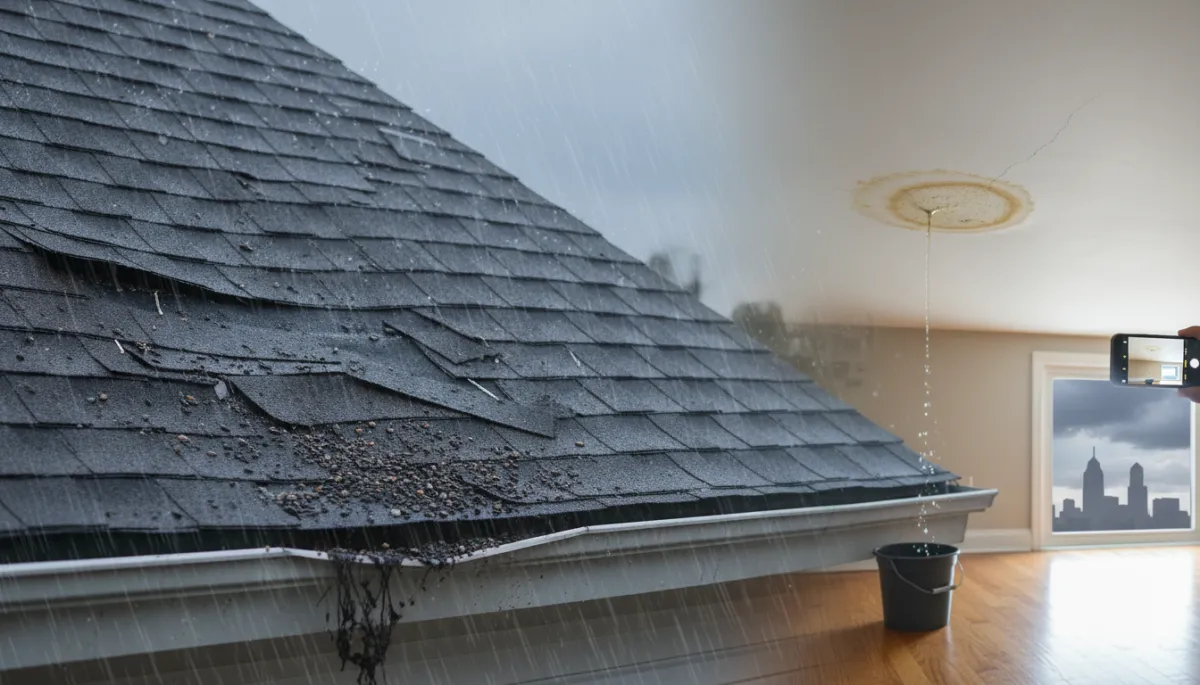
10 Signs of Hidden Storm Damage in Your Home
Home Insurance, Property Damage, Hidden Storm Damage
10 Signs Your Home May Have Hidden Storm Damage
Storms in Philadelphia, the Pennsylvania suburbs, and New Jersey don’t always leave obvious destruction behind. Sometimes, hidden storm damage quietly spreads inside your roof, siding, or walls for weeks or months before you notice a serious leak or structural issue. Whether you’re a homeowner, landlord, property manager, or business owner in Philadelphia, Bucks County, Montgomery County, Chester County, Delaware County, South Jersey, or Central Jersey, learning to spot early warning signs can help you protect your property and support a potential insurance claim.
Why Hidden Storm Damage Matters in Our Region
The Mid-Atlantic sees strong winds, hail, heavy rain, snow, and freeze–thaw cycles. Even if your roof looks fine from the street, a storm can loosen shingles, crack flashing, or push water into small openings. Over time, that hidden storm damage can lead to mold, rot, higher energy bills, and expensive repairs that might have been reduced—or sometimes covered—if caught earlier and properly documented.
Below are ten common signs of hidden storm damage, plus practical steps and a simple checklist you can use after severe weather hits your neighborhood.
1. Lifted or Missing Shingles on Your Roof
High winds can break the seal between shingles and the roof deck. Shingles may not blow off completely but can be lifted or slightly curled along the edges. This weakens your roof’s waterproof barrier and invites water intrusion during the next storm. From the ground, look for uneven lines, patches that look lighter or darker, or corners that appear raised. Use binoculars if you have them, and never climb onto a wet or steep roof yourself.
2. Damaged or Loose Flashing Around Roof Openings
Flashing is the thin metal installed around chimneys, skylights, vents, and along roof valleys. Wind, hail, and flying debris can bend, crack, or loosen this metal. Even a small gap can channel water directly into your attic or wall cavities. After a storm, check from the ground for flashing that looks bent, lifted, or rusted. Inside, keep an eye out for new stains or dampness near chimneys and skylights, especially after heavy rain or melting snow.
3. Attic Moisture, Musty Odors, or Wet Insulation
The attic is often the first place hidden storm damage shows up. After a strong storm, safely peek into your attic with a flashlight. Look for:
Dark, damp spots on the underside of the roof deck or rafters
Wet or compressed insulation
Musty or moldy smells that were not there before
Moisture in the attic may indicate roof leaks, damaged flashing, or ice dam issues that need to be addressed quickly to prevent mold growth and structural deterioration.
4. Ceiling Discoloration and Peeling Paint
Brown rings, yellowish stains, or peeling paint on ceilings and upper walls are classic signs of water intrusion. These spots may appear days or weeks after a storm, as water slowly travels through insulation and drywall. Don’t ignore even small stains. Mark the edges with painter’s tape and date them so you can tell if they’re growing over time. This documentation can be valuable if you later need to show a pattern of storm-related damage.
5. Loose, Cracked, or Warped Siding
Strong winds and wind-driven rain can loosen siding panels or crack vinyl and fiber cement boards. Hail may leave small impact marks that are easy to miss at first glance. Walk around your home or building and look for pieces that are:
Bowed or warped away from the wall
Cracked, split, or broken at the ends or seams
Missing caulk around windows, doors, or trim
Loose siding can allow water to get behind the exterior surface, where it can quietly damage sheathing and framing over time.
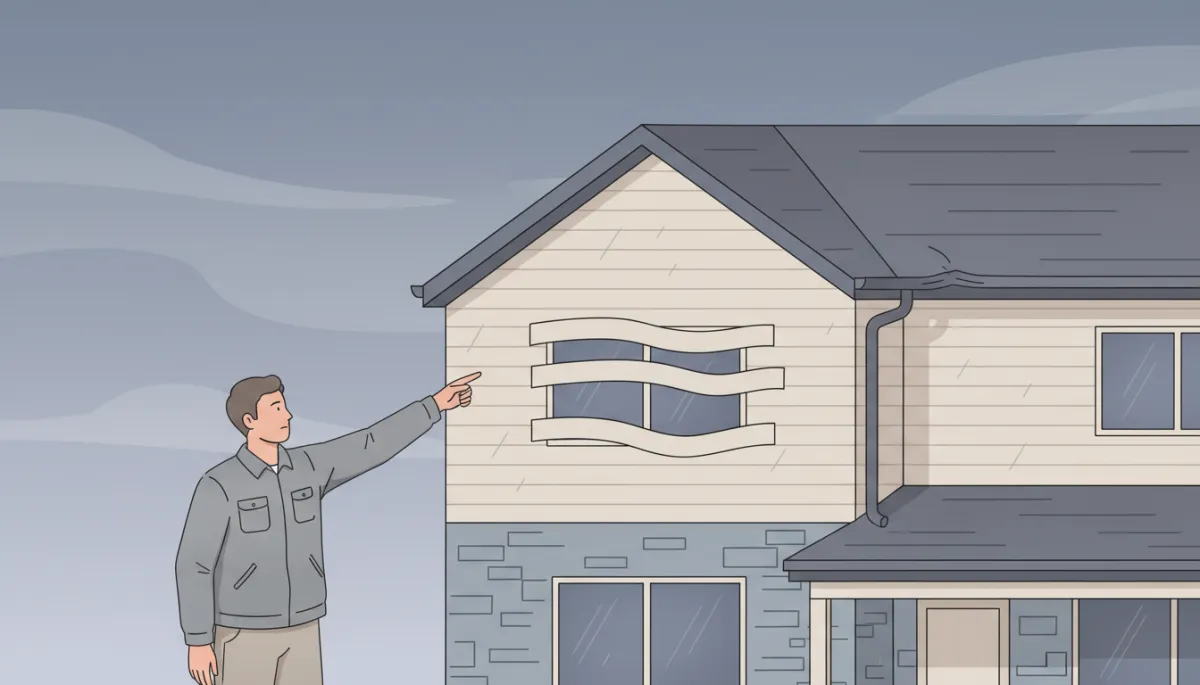
Exterior inspections after storms help catch small issues before they become major repairs.
6. Gutter Damage, Sagging, or Overflow Issues
Gutters and downspouts play a huge role in directing water away from your foundation. Hail and debris can dent gutters, while heavy rain and ice can pull them away from the fascia. Signs of storm-related gutter problems include:
Sections that sag or pull away from the roofline
Visible holes, cracks, or heavy denting from hail or branches
Water overflowing during rain instead of flowing through downspouts
When gutters fail, water can pool near your foundation, seep into basements or crawl spaces, and contribute to hidden storm damage at ground level.
7. Water Intrusion Around Windows, Doors, and Basements
After a heavy rain or wind-driven storm, check window sills, door thresholds, and basement walls. Look for damp spots, bubbling paint, or swollen wood trim. On lower levels, inspect for new cracks, efflorescence (white, chalky residue), or musty odors along foundation walls. Even small leaks can indicate that wind-driven rain has found a weakness in your building envelope, creating hidden storm damage behind the surfaces you can see.
8. Granules in Gutters or at Downspout Exits
Asphalt shingles are covered in protective granules. Hail and severe wind can knock those granules loose, shortening your roof’s life. After a storm, look in your gutters, at the bottom of downspouts, and on the ground around your house for piles of black or gray sand-like material. Excessive granule loss may not cause an immediate leak, but it is a strong indicator of storm-related roof damage that deserves a closer look from a qualified roofing professional or public adjuster.
9. New Drafts, Higher Energy Bills, or Noisy Roof Areas
Sometimes hidden storm damage shows up as comfort issues. If you suddenly notice drafts near windows, doors, or along ceilings, wind may have opened gaps in your building envelope. A storm can also loosen roof components, causing new rattling or flapping sounds when the wind blows. Unexplained increases in heating or cooling bills can signal air leaks or wet insulation caused by storm-related damage.
10. Cracked Driveways, Walkways, or Exterior Structures
Heavy rain, flooding, and freeze–thaw cycles common in Philadelphia and New Jersey can shift soil and stress hard surfaces. Look for new or widening cracks in driveways, walkways, patios, retaining walls, and exterior stairs after major storms. These changes can affect drainage patterns, sending more water toward your foundation and creating long-term risks that may not be obvious right away.
Practical Steps After a Storm: A Simple Inspection Plan
You don’t need to be an expert to do a basic storm check. Use this simple plan after severe weather:
Wait until it’s safe. Avoid ladders, standing water, and downed power lines. Inspect during daylight when surfaces are dry, if possible.
Walk the exterior. Look at the roof from the ground, then check siding, gutters, downspouts, windows, doors, and foundation for the warning signs listed above.
Inspect the interior. Check the attic, ceilings, walls, and basement for moisture, stains, or musty odors in the days following the storm.
Document everything. Take clear photos and notes before making any temporary repairs, and save receipts for emergency work.
Key Reminder: Never put yourself at risk to inspect damage. If something looks unsafe or hard to reach, contact a qualified professional instead.
Homeowner Checklist: What to Photograph and When to Call a Professional
Good documentation can support conversations with contractors, public adjusters, and your insurance company. Use this checklist after you suspect hidden storm damage:
What to Photograph
Roof and exterior: Lifted shingles, missing shingles, damaged flashing, dented gutters, loose siding, and debris on or near the roof.
Interior signs: Ceiling discoloration, peeling paint, wet spots on walls or floors, attic moisture, and any visible mold or mildew.
Ground-level issues: Water pooling near the foundation, basement seepage, cracked walkways, or shifted steps and patios.
Context photos: Wide shots showing the entire roof slope, side of the building, or room, plus close-ups that show detail.
When to Contact a Professional
You see active leaks, spreading stains, or water intrusion in any area.
Shingles, siding, or gutters appear significantly damaged or unsafe.
You manage a rental, commercial, or multi-family property and need clear documentation for tenants and owners.
You are unsure whether the damage could be related to a recent storm and want an experienced opinion before contacting your insurer.
Pro Tip: Many property owners in Philadelphia, Bucks, Montgomery, Chester, Delaware County, South Jersey, and Central Jersey choose to speak with a licensed public adjuster or restoration professional early, so potential issues can be identified and properly documented from the start.
Important Insurance Note and Coverage Disclaimer
Every insurance policy is different. Whether hidden storm damage is covered—and to what extent—depends on the specific language, exclusions, deductibles, and conditions in your individual policy. Nothing in this article is legal or insurance advice, and it does not guarantee that any type of damage will be covered, that a claim will be approved, or that you will receive a particular settlement amount or outcome. Always review your policy and consult directly with a licensed professional about your situation.
Frequently Asked Questions About Hidden Storm Damage
1. How soon after a storm should I check for hidden damage?
Start with a visual check as soon as it is safe, ideally within a day or two. Some signs, like ceiling discoloration or attic moisture, may appear over the following days and weeks, so plan to re-check your home or building periodically after major weather events.
2. Do I need to climb on my roof to find hidden storm damage?
No. For safety reasons, most property owners should stay off the roof. Many signs—like lifted shingles, damaged flashing, and gutter issues—can be spotted from the ground with good lighting and binoculars. For a closer look, consider hiring a qualified roofing contractor, inspector, or public adjuster who has the right training and equipment.
3. What if I notice damage months after a storm?
Hidden storm damage can take time to show. If you believe a past storm in the Philadelphia or New Jersey area may have caused your issues, gather photos, dates, and notes, then speak with a licensed professional. They can help you understand whether the damage might be storm-related and discuss your options. Time limits and policy conditions may apply, so don’t delay in asking questions.
4. Should I make temporary repairs before talking to my insurance company?
Most policies expect you to take reasonable steps to prevent further damage, such as tarping a roof leak or drying out wet areas. Before and after any temporary repair, take clear photos and save receipts. Then, contact your insurer or a licensed public adjuster to discuss next steps. Policy terms vary, so always confirm how your specific policy handles emergency work and documentation.
5. Can Adjustering guarantee that my storm damage claim will be paid?
No. Adjustering cannot guarantee insurance approval, claim payments, settlement amounts, or outcomes. Coverage decisions are made by your insurance company based on your individual policy and the facts of your loss. Adjustering can, however, connect you with a licensed public adjuster and vetted restoration professionals who can help you evaluate your damage and discuss your options.
Featured Image Suggestions for This Article
Featured-image description: Professional, neutral-tone photograph of a roofing inspector on a suburban home roof after a storm, overcast sky in the background, holding a clipboard and camera while examining shingles and flashing.
Featured-image alt text: Roof inspector checking for hidden storm damage on a residential home after severe weather.
Need Help Navigating Storm Damage to Your Property?
If you own or manage property in Philadelphia, Bucks County, Montgomery County, Chester County, Delaware County, South Jersey, or Central Jersey and suspect hidden storm damage, you don’t have to figure it out alone. A licensed public adjuster or experienced restoration professional can help you understand the extent of the damage, recommend next steps, and assist with documentation for potential insurance claims—always based on the terms of your specific policy.
Need help after property damage? Adjustering can connect you with a licensed public adjuster and vetted restoration professionals in your area. Call 610-707-8414
