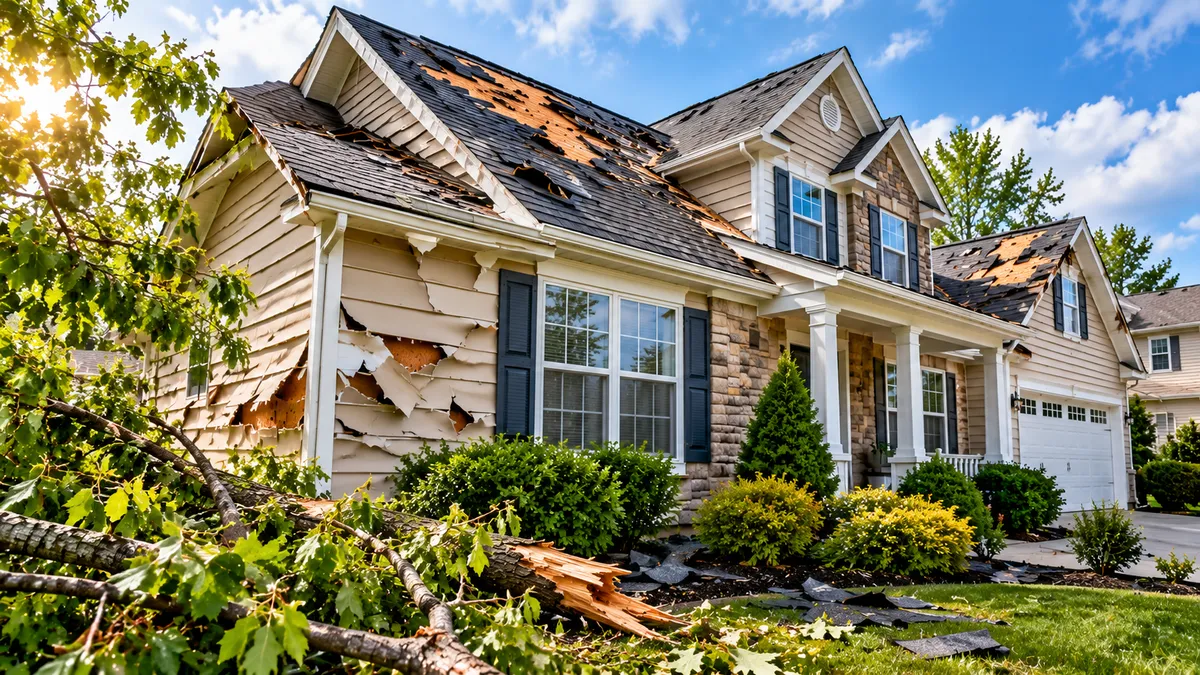
Roof & Siding Storm Damage Repair in Philadelphia
Home Improvement, Storm Damage, Roofing, Philadelphia
What to Do After Roof or Siding Storm Damage in Philadelphia
Discover the exact steps to take after a storm damages your roof or siding in Philadelphia—from documenting every shingle and crack, to navigating insurance claims, to finding qualified local help you can trust.
Step 1: Stay Safe and Take a Breath Before You Climb
Storms that blow through Philadelphia—whether it is a summer microburst, a nor’easter, or a severe thunderstorm—can tear off shingles, rip siding from rowhomes, and send tree limbs crashing into roofs. Before you worry about insurance or contractors, focus on safety.
Wait until the storm has fully passed and winds have calmed.
Look for downed power lines, broken glass, and loose debris before going outside.
If you suspect structural damage or heavy leaking near electrical fixtures, consider turning off power at the breaker and calling a professional, as the City of Philadelphia recommends for post‑disaster safety.
Avoid climbing onto the roof yourself, especially on wet or flat rowhome roofs common in South Philly and North Philly. Many reputable local roofers will perform an inspection safely with proper equipment.
Step 2: How to Thoroughly Document Roof and Siding Damage
Strong documentation is the backbone of a successful insurance claim. Philadelphia’s Office of Emergency Management and state agencies emphasize the same message: document everything.
Start with a Safe Visual Inspection
Walk around your property and look up at the roof and siding from the ground. Use binoculars if you have them instead of climbing a ladder.
Inside, check ceilings, top‑floor walls, and around windows for new water stains, bubbling paint, or damp drywall—all signs the roof or exterior has been compromised.
Take Clear Photos and Videos
Insurance experts and city guidance stress the importance of visual proof. Use your phone to capture:
Wide shots of each side of your home showing missing shingles, damaged siding panels, gutters hanging loose, or fallen branches on the roof.
Close‑ups of specific issues: cracked shingles, dented metal flashing, holes in siding, damaged soffits, and broken windows or trim.
Interior evidence such as water dripping, wet insulation in the attic, or buckling floors below a suspected leak.
Take photos in good lighting and from multiple angles. If water has entered your home, follow the City’s recommendation to photograph water lines on walls and keep small samples of damaged materials (like soaked carpet or drywall) in case the adjuster needs proof later.
Write Down the Details While They’re Fresh
Note the date and approximate time of the storm, along with any official weather alerts you received (severe thunderstorm warning, high‑wind advisory, etc.).
Create a simple list of visible damage: “15–20 missing shingles over front porch,” “vinyl siding cracked on third‑floor rear,” “water stain on second‑floor hallway ceiling.”
If you need to make emergency, temporary repairs—like tarping the roof or boarding broken windows—take “before and after” photos and keep all receipts. Pennsylvania’s insurance guidance notes that these receipts can often be reimbursed, and they show you acted responsibly to prevent further damage.
💡 Pro Tip: Start a simple storm journal on paper or in your phone. Log every step you take, from the first photos to each phone call with your insurer or contractor.
Step 3: Navigating Roof and Siding Insurance Claims in Philadelphia
Once you have documented the damage, it is time to involve your insurance company. Acting quickly and keeping organized records can make the difference between a smooth claim and months of frustration.
Contact Your Insurer as Soon as Possible
Call your agent or the claims number on your policy as soon as it is safe to do so. Many companies also allow online or app‑based claim filing.
Provide a brief description of what happened and the type of damage you see—roof, siding, interior leaks, or all of the above.
Pennsylvania’s insurance department recommends keeping a log of every interaction: date, time, who you spoke with, and what was promised. Store this log with your photos, videos, and receipts.
Understand Temporary vs. Permanent Repairs
You are allowed—and expected—to make temporary repairs to prevent further damage. This may include:
Tarping damaged sections of roof or siding
Boarding broken windows or doors
Placing buckets or plastic sheeting under active leaks to protect floors and furniture
However, state guidance is clear: do not start full replacement or major permanent repairs until the insurance adjuster has inspected the property or your insurer gives written approval. Doing too much too soon can complicate your claim or reduce what is covered.
Work with the Adjuster, and Know Your Rights
Your insurer will typically send an adjuster to your home to inspect the roof, siding, and any interior damage. When they visit:
Be present if possible so you can point out all areas of concern, including less obvious leaks or siding cracks on upper stories or rear alleys.
Share your photos, videos, and any written inspection report from a roofing contractor.
Ask for a copy of the estimate and have them explain how they calculated depreciation, deductibles, and what is or is not covered.
If you discover additional roof or siding damage later—perhaps after a contractor removes old materials—you can usually file a supplemental claim. For many policies, this must be done within a set timeframe (for example, 60 days for certain flood‑related claims), so check your policy and act quickly.
When Claims Are Delayed, Underpaid, or Denied
If you feel your claim is not being handled fairly:
Start by requesting a review with a claims supervisor and providing any additional documentation or contractor estimates that support a higher payout.
If you still cannot resolve the issue, contact the Pennsylvania Insurance Department’s Consumer Services Bureau, which helps homeowners with disputes and questions about coverage.
In complex or high‑dollar cases, some homeowners choose to hire a licensed public adjuster or attorney to negotiate on their behalf. If you take this route, make sure any fees and services are spelled out clearly in writing.

Detailed documentation and clear contractor estimates strengthen your position in insurance negotiations.
Call 610-707-8414 or visit www.adjustering.com to get started today.
Step 4: Finding Qualified Roof and Siding Help in Philadelphia
After major storms, Philadelphia often sees an influx of out‑of‑town crews and “storm chasers” knocking on doors. Some are legitimate; others are not. Choosing a qualified, local, and properly licensed contractor protects both your home and your claim.
Verify Licenses and Registrations First
Use Philadelphia’s Department of Licenses & Inspections online lookup to confirm that the contractor holds an active city contractor license, where required, and has no serious violations on record.
Check that they are registered as a Home Improvement Contractor with the Pennsylvania Attorney General’s Office, which you can verify online or by calling the state hotline.
Reputable local names often mentioned by residents and independent directories in 2026 include Big Joe’s Roofing, Pace Roofing, Loonstyn Roofing, Top Tier Roofing, Spennato Family Roofing, The Roof Doctor, Umbrella Roofing, and others. Whichever company you consider, always verify current licensing, insurance, and reviews rather than relying on name recognition alone.
Compare Multiple Quotes and Ask the Right Questions
Get at least two to three written estimates. Each should clearly describe the scope of work, materials, timeline, and total cost, including any deductible you are responsible for.
Ask whether the contractor has specific experience with storm damage claims, flat rowhome roofs, mansard roofs, or the type of siding on your property.
Confirm that they carry liability insurance and workers’ compensation, and request proof.
📌 Key Takeaway: A legitimate contractor will never pressure you to sign on the spot, ask you to lie to your insurance company, or demand that you sign over your entire insurance check before work begins.
Watch for Red Flags After a Storm
Door‑to‑door salespeople who appear immediately after a storm and cannot show a local address, license, or references.
Contractors who offer to “cover your deductible” by inflating the estimate—this can be considered insurance fraud and put your claim at risk.
Requests for large cash payments up front or for you to sign documents you do not fully understand, such as assigning all insurance benefits to the contractor.
Step 5: Use Local Recovery Resources and Assistance Programs
For major storms—such as the July 11, 2026 severe storms that hit Philadelphia—the City and Commonwealth may activate additional recovery resources. These can help you address roof and siding damage that insurance does not fully cover.
Report damage to the City using Philly311, the City’s Damage Reporter survey, or Neighborhood Action Centers. This helps officials assess the scale of damage and advocate for state or federal aid.
Explore financial assistance such as SBA disaster loans, Pennsylvania’s Disaster Recovery Assistance Program (DRAP) grants for eligible residents, and emergency business grants if you own a commercial property. These programs often have clear deadlines—for example, DRAP applications for the July 11 storm are open until November 2, 2026—so do not delay.
Bringing It All Together After a Philadelphia Storm
Dealing with roof or siding damage is stressful, especially when you are worried about leaks, costs, and insurance red tape. But if you break the process into clear steps—stay safe, document thoroughly, navigate your claim carefully, and choose qualified local help—you dramatically improve your chances of a fair settlement and a high‑quality repair.
In Philadelphia, you are not on your own. City agencies, the Pennsylvania Insurance Department, and vetted local roofing and siding contractors all play a role in helping you recover. Start by capturing every detail of the damage, file your claim promptly, keep meticulous records, and lean on experienced professionals who know both the local housing stock and the insurance landscape.
With a calm, step‑by‑step approach, you can protect your home, your finances, and your peace of mind—no matter how hard the next storm hits Philadelphia.
