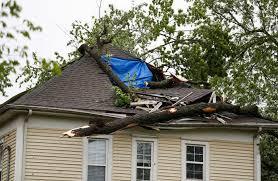
Roof Repair or Replacement After Storm Damage
Roofing, Storm Damage, Insurance Claims
Roof Repair or Replacement After a Storm: What Property Owners Should Know
If a recent storm left you worried about your roof, you are not alone. From Philadelphia rowhomes to commercial buildings in Bucks, Montgomery, Chester, Delaware County, South Jersey, and Central Jersey, property owners are facing tougher weather and more frequent damage. Deciding whether you need roof repairs or a full storm damage roof replacement can feel overwhelming—especially when insurance, safety, and local codes all come into play.
When Do You Need Storm Damage Roof Replacement vs. Repair?
After heavy wind, hail, or driving rain, many owners hope a few quick repairs will solve the problem. In some cases, that is true. In others, a full storm damage roof replacement is safer, more cost‑effective, and more likely to be supported by your roof insurance claim. The decision depends on the type and extent of damage, the age and condition of the roof, and what a qualified roofing professional and adjuster find during their inspection.
Practical First Steps Right After a Storm
Safety and documentation should be your first priorities. Here are practical steps for homeowners, landlords, business owners, and property managers around Greater Philadelphia and South/Central Jersey:
Stay safe and avoid climbing on the roof. Downed power lines, loose shingles, and slick surfaces create serious hazards. Inspect from the ground or upper windows only.
Take clear photos and videos. Capture exterior views of missing shingles, tree impacts, and visible holes, plus interior signs such as ceiling stains, wet insulation, or damaged drywall. Time‑stamped photos are helpful for a future roof insurance claim.
Protect the property from further damage. If it is safe, use buckets under leaks and cover belongings with plastic sheeting. Many policies require “reasonable steps” to prevent additional damage.
Notify your insurance carrier promptly. Report that you may have storm or hail damage roof issues. Ask how to start a claim and what documentation they need. In some policies, delays can affect coverage or timelines.
Contact qualified professionals. Schedule an inspection with a licensed roofer experienced in storm work, and consider speaking with a licensed public adjuster who understands local codes in Philadelphia and surrounding counties.
💡 Pro Tip: Keep all receipts for emergency tarping, temporary repairs, and moisture mitigation. Your policy may reimburse some or all of these reasonable expenses if the loss is covered.
Key Warning Signs After Wind, Hail, or Heavy Rain
Not all storm damage is obvious from the street. Here are warning signs that deserve a closer look from a professional, especially if your area experienced strong winds or a microburst, like those reported in Bucks and Chester Counties in July 2026 (NOAA and local news reports show wind events up to 60–70 mph in the region).
Wind damage shingles: Missing shingles, lifted edges, creased tabs, or shingles flapping in the wind. These can allow water to get beneath the roof covering even if no leak is visible yet.
Hail damage roof indicators: Small dark spots, bruises, or “pockmarks” on shingles; dented metal flashings, gutters, or vents; granules collecting in gutters or at downspout outlets. Hail can shorten the life of your roof even without immediate leaks.
Flashing and edge damage: Bent, cracked, or missing metal around chimneys, skylights, roof edges, or wall intersections. In Philadelphia rowhomes and flat roofs, flashing failures are a common leak source after storms.
Interior warning signs: New ceiling stains, bubbling paint, musty odors, or damp insulation in attics, top‑floor apartments, or commercial ceilings. These often show that water has already made it past the roofing surface and underlayment.
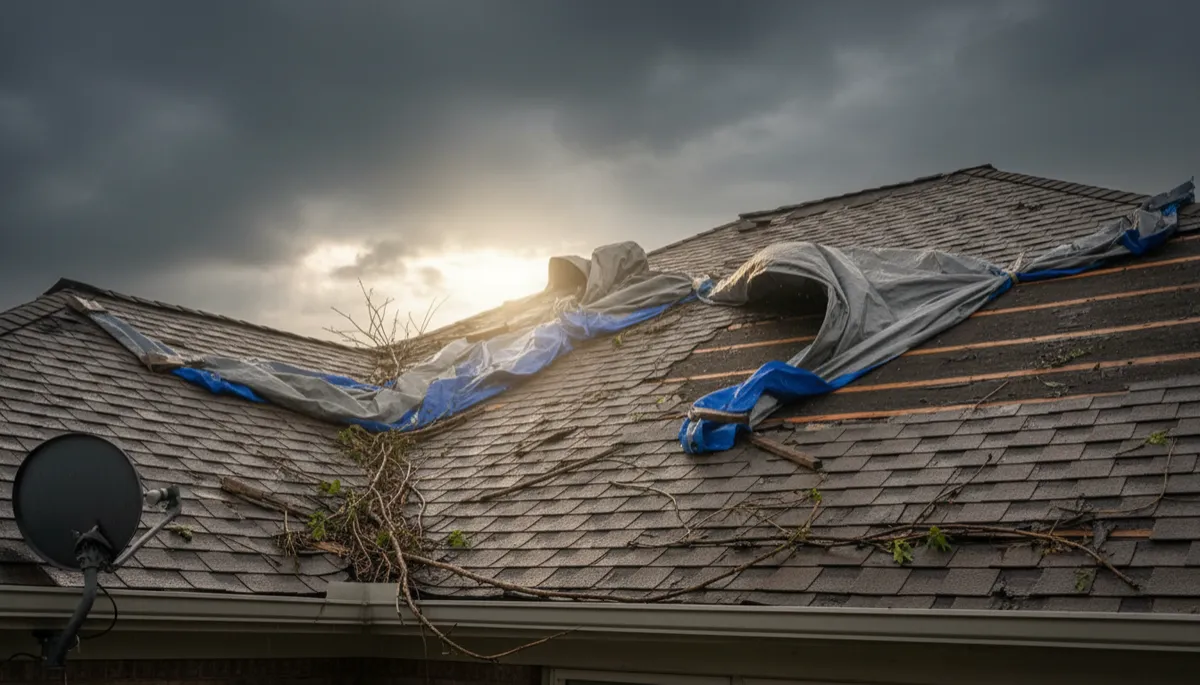
Detailed inspections catch hidden storm damage before small issues become major losses.
How Professionals Evaluate Whether a Roof Is Repairable
When a roofer, contractor, or public adjuster inspects your property, they are looking far beyond missing shingles. Their findings often guide whether a repair is reasonable or a full storm damage roof replacement is recommended. Key factors include:
Age and remaining life of the roof: A newer roof with isolated wind damage shingles may be a good candidate for repair. An older roof near the end of its life may not justify patching, especially if the storm accelerated existing wear.
Ability to match materials and color: Shingle lines are often discontinued, and colors fade over time. If repairs will create a patchwork appearance, or if matching products are unavailable, a full replacement or larger section replacement may be more appropriate—especially on high‑visibility commercial or multi‑family buildings.
Condition of flashing and penetrations: Professionals inspect flashing at chimneys, skylights, vents, and walls. Storms can bend or loosen flashing, and if it is deteriorated or improperly installed, they may recommend replacing these components as part of broader repairs or a new roof system.
Underlayment and decking damage: If wind or hail has torn the underlayment, or if water has soaked the wood decking, simple shingle replacement is not enough. Soft, rotted, or warped decking must be repaired to meet structural and code requirements, especially under the updated 2021 building and existing building codes being adopted in Philadelphia in 2026.
Interior leaks and structural movement: Evidence of long‑term leaks, sagging roof lines, or cracked rafters can indicate deeper structural issues. In those cases, a full replacement and structural evaluation may be the safest path.
📌 Key Takeaway: Repair vs. replacement is not just about “how bad it looks.” It is about underlying materials, structural integrity, code compliance, and whether the roof system can reliably protect the building going forward.
How Roof Insurance Claims Work After Storm Damage
Most homeowners and commercial property policies in Pennsylvania and New Jersey cover sudden damage from wind, hail, and falling objects under dwelling or building coverage. However, every policy is different, and coverage for a roof insurance claim can depend on several details:
Covered perils: Policies typically list which types of storms and events are covered. Wind and hail are common covered perils, but there may be exclusions or special deductibles for hurricane‑strength winds or cosmetic hail damage. Always review your policy language or speak with your agent or adjuster for specifics.
Replacement cost vs. actual cash value: Replacement cost coverage helps pay to repair or replace the roof at today’s prices, while actual cash value factors in depreciation and may pay less for older roofs. As insurance guides from NerdWallet and Forbes note, this difference can significantly affect out‑of‑pocket costs for roof replacement.
Deductibles and special wind/hail deductibles: Some policies use a percentage‑based deductible for wind and hail claims. You will need to pay the deductible amount before coverage applies, so understanding this number in advance is important for budgeting decisions.
Roof condition before the storm: Insurers may limit or deny coverage if the roof was already in poor condition or past its expected life span. Regular maintenance and timely repairs can help support your claim and comply with local maintenance codes requiring roofs to remain “in good repair, structurally sound and sanitary.”
Ultimately, whether your carrier pays for repairs or a full storm damage roof replacement depends on your individual policy, the cause and extent of damage, and the findings of the insurance adjuster and roofing professionals. This article is for general information only and is not legal or insurance advice—always review your specific policy and consult qualified professionals about your situation.
Storm Damage Roof Checklist for Homeowners and Property Managers
Use this simple checklist to stay organized after a storm in Philadelphia, Bucks County, Montgomery County, Chester County, Delaware County, South Jersey, or Central Jersey:
Walk the property exterior from the ground and note missing shingles, debris on the roof, damaged gutters, or fallen branches.
Check attics, top‑floor units, and ceiling areas for new water stains, drips, or musty smells.
Photograph all visible damage and any standing water or interior leaks, including the date and time where possible.
Locate your insurance policy and confirm your coverage type, deductible, and any special wind or hail provisions.
Call your insurance company to report the loss and obtain a claim number, then document every conversation and email.
Schedule a thorough inspection with a licensed roofer and consider consulting a public adjuster who can help you understand the scope of damage and advocate for a fair assessment.
Frequently Asked Questions About Storm Damage Roof Replacement
1. Does insurance always pay for a full roof replacement after a storm?
No. Whether your insurer pays for repairs or a full roof replacement depends on your specific policy, the type of storm damage, the roof’s age and condition, and the findings of the adjuster and roofing professionals. Some claims result in spot repairs; others may justify complete replacement if the damage is widespread or repairs would not restore the roof to its pre‑loss condition. Always refer to your own policy and speak with your carrier or a licensed public adjuster about your options.
2. How can I tell if hail damage to my roof is serious?
Hail damage is often subtle. Look for dented metal flashing or gutters, granules at downspouts, and small dark spots or bruises on shingles. Even if there is no active leak, hail damage roof impacts can weaken shingles and shorten their life. A professional inspection is the safest way to determine whether the damage is cosmetic or functional and whether it might be covered under your policy.
3. What if only a few shingles are missing from wind damage?
In some cases, replacing a small number of wind damage shingles is enough. However, your roofer will check whether surrounding shingles are also loosened, whether the underlayment is exposed, and whether matching shingles are available. If the roof is older or the damage is scattered across multiple slopes, a repair‑only approach might not be reliable, and a larger replacement area could be recommended.
4. Do I need a permit for roof work in Philadelphia or nearby counties?
In Philadelphia, most roof repairs and replacements require a building or repair permit, and work must comply with the adopted building and existing building codes. Licensed contractors must often provide a roof replacement certification before final inspection. Surrounding counties in Pennsylvania and New Jersey have their own permitting rules, so it is important to work with contractors familiar with local requirements and to confirm permit needs with your municipality or code office.
5. Should I talk to a public adjuster about my roof insurance claim?
Many property owners find it helpful to work with a licensed public adjuster, especially on larger or more complex claims involving potential storm damage roof replacement. A public adjuster represents you—not the insurance company—and can help document damage, interpret policy language, and negotiate with the carrier. Whether you choose to hire one is a personal decision based on claim size, comfort level, and your own policy terms.
Final Thoughts for Property Owners in Greater Philadelphia and New Jersey
Storms across Bucks, Chester, Montgomery, Delaware County, South Jersey, and Central Jersey have already shown how quickly high winds and heavy rain can damage roofs and disrupt homes and businesses. The right response starts with safety, careful documentation, and trusted guidance. A thorough professional inspection can reveal whether targeted repairs are enough or whether a full storm damage roof replacement is the smarter long‑term solution for your property and policy.
Remember: coverage, repair options, and out‑of‑pocket costs always depend on your individual insurance policy, the exact cause of damage, and the findings of qualified professionals. Taking the time to understand your policy now—before the next storm season—can make future decisions faster and less stressful.
Need help after property damage? Adjustering can connect you with a licensed public adjuster and vetted restoration professionals in your area. Call 610-707-8414.
Storm Damage Roof Repair or Replacement Guide
Learn when storm damage roof replacement is needed, how claims work, and key steps for property owners in PA and NJ.
:storm-damage-roof-replacement-guide
