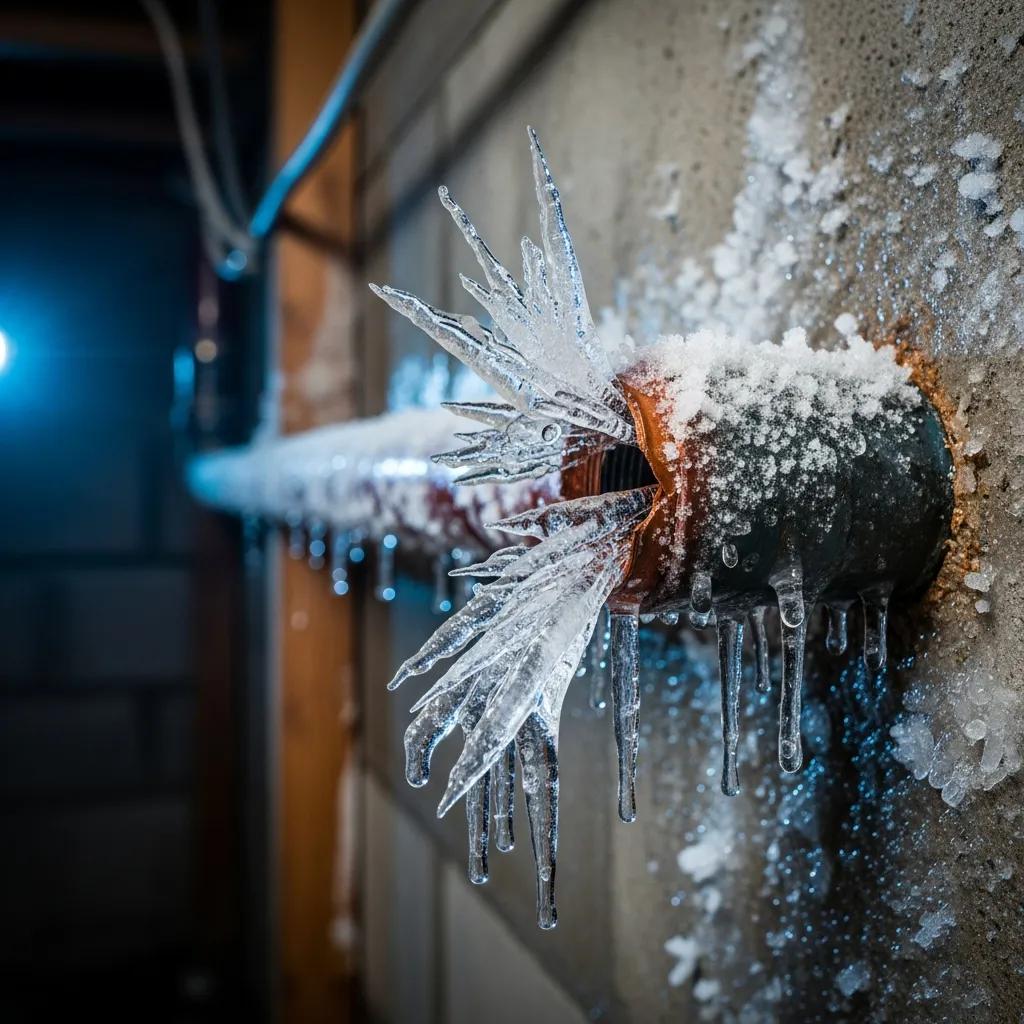
Prevent Frozen Pipe Burst: Essential Tips and Tricks
Frozen Pipe Damage: Essential Prevention, Emergency Response, and Insurance Claim Guidance

Frozen pipes can lead to significant property damage, causing stress and financial strain for homeowners and business owners alike. Understanding the causes of frozen pipes, how to prevent them, and the steps to take in case of a burst pipe is crucial for effective property management. This article provides comprehensive guidance on preventing frozen pipe damage, responding to emergencies, and navigating the insurance claims process. By addressing these key areas, property owners can mitigate risks and ensure a swift recovery from water damage incidents.
What Causes Frozen Pipes and How Can You Prevent Them?
Frozen pipes occur when water inside the pipes freezes, leading to blockages and potential bursts. The primary cause of this issue is exposure to freezing temperatures, particularly in uninsulated or poorly insulated areas of a property. Understanding the factors that contribute to pipe freezing is essential for effective prevention.
Common Causes of Pipe Freezing in Homes and Businesses
Several factors can lead to frozen pipes, including:
- Freezing Weather: Prolonged exposure to temperatures at or below 32°F (0°C) can cause water in pipes to freeze.
- Poor Insulation: Pipes located in unheated or poorly insulated spaces are more vulnerable to freezing.
- Poor Installation: Inadequately installed pipes may lack proper insulation or be placed in locations exposed to cold, increasing the risk of freezing.
By recognizing these causes, property owners can take proactive measures to protect their plumbing systems.
Effective Pipe Insulation Methods to Avoid Freezing

Insulating pipes is a critical step in preventing freezing. Effective methods include:
- Foam Insulation: Wrapping pipes with foam insulation sleeves can significantly reduce heat loss.
- Heat Tape: Applying heat tape or heat cables to vulnerable pipes provides additional warmth during extreme cold.
- Insulated Covers: Using insulated covers for outdoor faucets can prevent freezing in exposed areas.
Implementing these insulation techniques can help maintain a consistent temperature in pipes, reducing the likelihood of freezing.
What Immediate Actions Should You Take When a Pipe Bursts?
When a pipe bursts, immediate action is crucial to minimize water damage. Staying calm and following a systematic approach can help mitigate the situation effectively.
Step-by-Step Guide to Emergency Plumbing Services for Burst Pipes
- Shut Off the Water Supply: Locate the main water shut-off valve and turn it off to stop the flow of water.
- Drain the Pipes: Open faucets to drain any remaining water in the pipes, reducing pressure.
- Contact Emergency Plumbing Services: Reach out to a qualified plumber for immediate assistance.
These steps are essential for controlling the situation and preventing further damage.
How to Minimize Water Damage Before Restoration Professionals Arrive
While waiting for professionals, property owners can take additional steps to minimize water damage:
- Ensure Safety: Turn off electricity in affected areas to prevent electrical hazards.
- Stop the Water Source: If possible, identify and stop the source of the leak.
- Document Damage: Take photos and videos of the affected areas for insurance purposes.
These actions can help protect the property and facilitate the restoration process.
How Does the Water Damage Restoration Process Work After a Frozen Pipe Burst?
Understanding the restoration process is vital for property owners dealing with water damage from frozen pipes. This process typically involves several key steps to ensure thorough recovery.
Overview of Licensed Restoration Contractors and Their Services
Licensed restoration contractors offer a range of services, including:
- Assessment and Planning: Evaluating the extent of the damage and developing a restoration plan.
- Emergency Services: Providing immediate assistance, such as water extraction and drying.
- Coordination with Insurance Claims: Working with insurance companies to facilitate claims processing.
These services are essential for effective restoration and recovery.
Typical Restoration Steps for Water Damage Caused by Frozen Pipes

The restoration process generally follows these steps:
- Water Extraction: Removing standing water to prevent further damage.
- Drying and Dehumidification: Using specialized equipment to dry out affected areas.
- Cleaning and Sanitizing: Ensuring that all surfaces are cleaned and sanitized to prevent mold growth.
Following these steps helps restore the property to its pre-damage condition.
How Can You File an Insurance Claim for Water Damage from Frozen Pipes?
Filing an insurance claim for water damage can be a complex process, but understanding the steps involved can simplify it.
Role of Public Adjusters in Assisting with Insurance Claims
Public adjusters play a crucial role in the claims process by:
- Advocating for Policyholders: Representing the interests of the property owner during negotiations.
- Negotiation Expertise: Utilizing their knowledge to secure fair settlements.
- Maximizing Settlements: Ensuring that all damages are accounted for in the claim.
