How to Choose the Right Restoration Company Near You
How to Choose the Right Restoration Company Near You: Licensed Contractors for Water, Fire, and Storm Damage

Finding the right restoration company matters — especially after water, fire, or storm damage. This guide walks you through the main types of restoration services, how to confirm a contractor’s credentials, and the ways professionals support insurance claims. Many homeowners feel overwhelmed after a loss; knowing what to look for helps you move faster and with greater confidence. Below, we cover service types, credential checks, the claims process, and emergency response options so you can make clear, informed decisions.
What types of restoration services should you expect?
Restoration firms offer specialized services for different kinds of property damage. Understanding those services helps you choose a contractor who can handle your specific needs. Common offerings include water damage restoration, fire damage repair, and storm recovery — each focused on stabilizing your home, removing hazards, and restoring the property to a safe condition.
Which water damage restoration services are available near me?
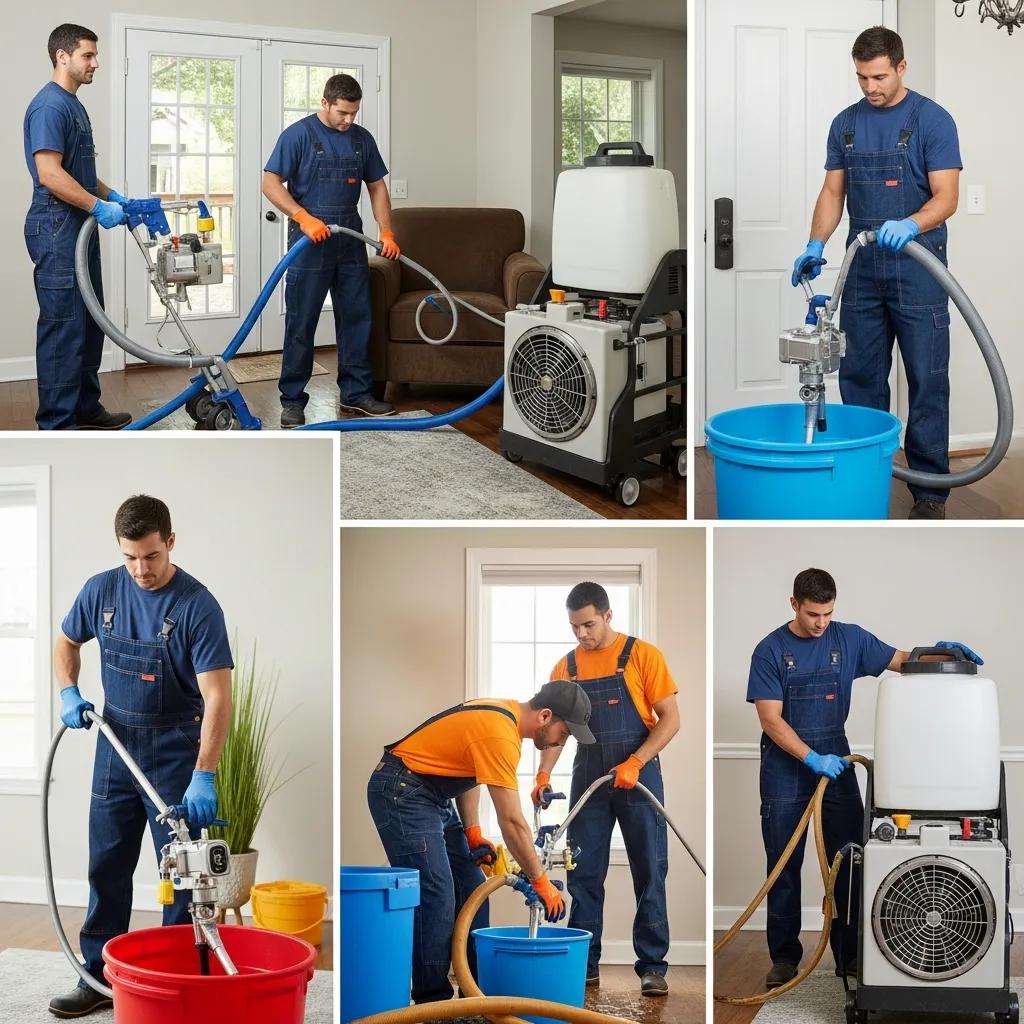
Typical water restoration work includes water extraction, professional drying, and mold remediation. These steps prevent ongoing damage and reduce health risks. Fast response is critical: untreated water issues can quickly cause mold and structural problems. Many local restoration companies provide 24/7 emergency response so you can get help the same day.
What fire damage repair services do licensed contractors provide?

Fire repair typically covers smoke and soot cleanup, structural repairs, odor removal, and contents cleaning or restoration. Licensed contractors bring experience and the right equipment to address these complex problems safely. Hiring a local, licensed team can shorten recovery time and help ensure repairs meet building and safety standards.
How to verify credentials and licensing of restoration companies
Checking credentials protects you from poor workmanship and unexpected liability. Licensed contractors must meet training and regulatory requirements; insurance and bonding add further protection. Learning where to look for these credentials makes it easier to hire a qualified, reliable team.
Why is licensing important for restoration contractors?
Licensing verifies that a contractor has the skills and legal standing to perform restoration work safely and correctly. Unlicensed providers may lack the training or oversight needed for complex repairs, which can lead to substandard outcomes or complications with permits and insurance. Choosing licensed professionals reduces those risks and gives you stronger recourse if problems arise.
Research underscores the point: while licensing and insurance form the baseline of contractor credibility, permitting is often the trickiest hurdle companies face.
Contractor Licensing, Insurance & Credibility
The research finds that licensing, insurance, and bonding are widely viewed as core elements of contractor credibility and legal compliance. However, respondents called out permitting as the most persistent challenge: it’s often complex, varies between jurisdictions, and is a frequent source of project delays.
How Regulations Impact Contractors in California: Licensing, Insurance, Bonding & Permitting, 2025
How can you check local licensing and certifications?
Start with your state or local licensing board’s online database to confirm a contractor’s license status. Ask the contractor for copies of licenses, insurance certificates, and industry certifications — for example, IICRC credentials for water or mold work. If anything looks unclear, contact the licensing authority or request references to verify past projects.
How do restoration companies assist with insurance claims?
Restoration firms often act as your advocate during the claims process. They document damage, prepare estimates, and communicate with insurers so you can focus on recovery. Having an experienced restoration partner can make claims smoother and help ensure scope and costs are properly documented.
What is the insurance claim process for fire and water damage?
Claims generally follow a few steps: report the loss to your insurer, document the damage, and submit a claim with supporting estimates and photos. Restoration companies contribute by producing detailed damage reports and cost estimates that align with industry standards — evidence that helps your claim move forward and reduces back-and-forth with adjusters.
How do restoration professionals coordinate with insurance providers?
Pros coordinate by sharing inspection reports, repair estimates, and regular status updates with your insurer. Clear, timely communication between the restoration team and the insurance adjuster speeds approvals and clarifies the scope of work. Many contractors will also help you understand policy language so you know what is covered.
What emergency restoration services should you look for?

When damage is fresh, emergency services limit loss and protect occupants. Look for companies that offer immediate mitigation to stabilize the property and prevent secondary damage while a full restoration plan is developed.
How quickly do emergency restoration services respond?
Most reputable restoration companies aim to respond within hours of a reported incident. Rapid arrival matters because early mitigation—like removing standing water or boarding up openings—reduces long-term damage and often cuts overall repair costs. Many firms provide 24/7 emergency response for precisely this reason.
What are common emergency mitigation services offered?
Typical emergency measures include water extraction, structural drying, board-up or tarp services, and temporary roofing. These interventions stabilize the property and protect it from weather and vandalism until full repairs can be scheduled.
Restoration companies vary in services and expertise, so verifying credentials and seeing examples of past work helps you choose the right team. Following the guidance above will steer you to a qualified restoration company that fits your needs and moves the recovery process forward with confidence.
Frequently Asked Questions
What should I consider when choosing a restoration company?
Focus on experience, local reputation, and the range of services offered. Read customer reviews and ask for references. Confirm the company’s license, insurance, and any relevant certifications. Also check response times for emergencies and whether they help with insurance documentation — both can make a big difference during recovery.
How can I prepare for a restoration service visit?
Document the damage with photos and notes, and make a list of affected items. Clear personal belongings from work areas if it’s safe to do so. Keep your insurance policy information handy so the restoration team can better coordinate documentation and next steps.
Are restoration services covered by insurance?
Many restoration services are covered under homeowners insurance for events like sudden water, fire, or storm damage, but coverage depends on your policy and the cause of loss. Review your policy and speak with your insurer. Restoration contractors can also provide the documentation insurers typically need to process claims.
What qualifications should I look for in a restoration contractor?
Look for proper state licensing, general liability and workers’ compensation insurance, and industry certifications — for example, IICRC credentials for water, mold, or carpet restoration. Ask about experience with similar jobs, references, and knowledge of local codes and permitting.
How do I know if a restoration company is reputable?
Check reviews on Google, Yelp, and the Better Business Bureau, and ask the company for client references and examples of completed work. Verify licenses and insurance, and notice whether they communicate clearly about processes and timelines. A reputable company is transparent and responsive to questions.
What steps should I take after a disaster before restoration begins?
First, make sure the area is safe and avoid hazards like exposed wiring or unstable structures. Photograph the damage and notify your insurance provider. Don’t make major repairs before an assessment, as that can affect your claim. Then contact a qualified restoration company to start mitigation and the recovery process.
