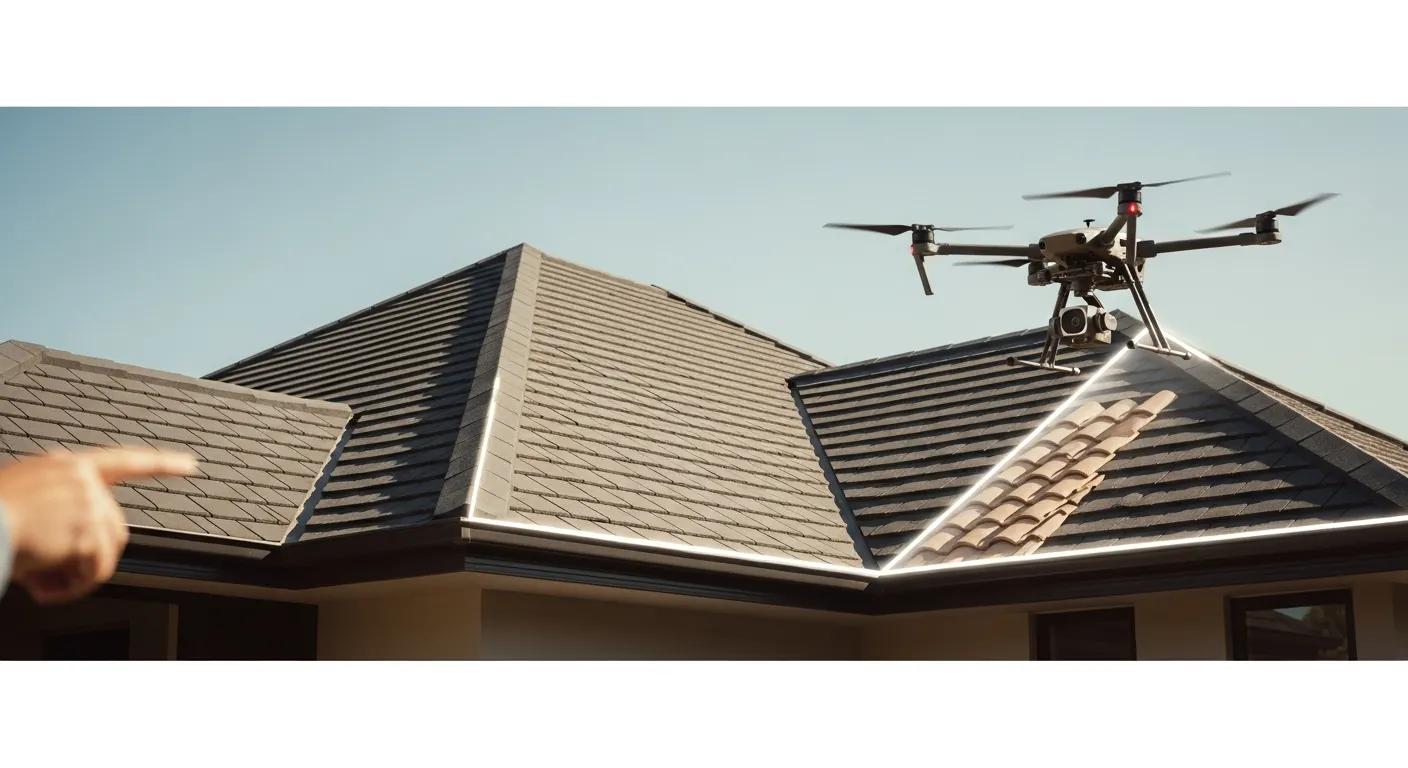
How to Choose the Right Emergency Roof Inspection Service
Select the Best Roof Inspection Service
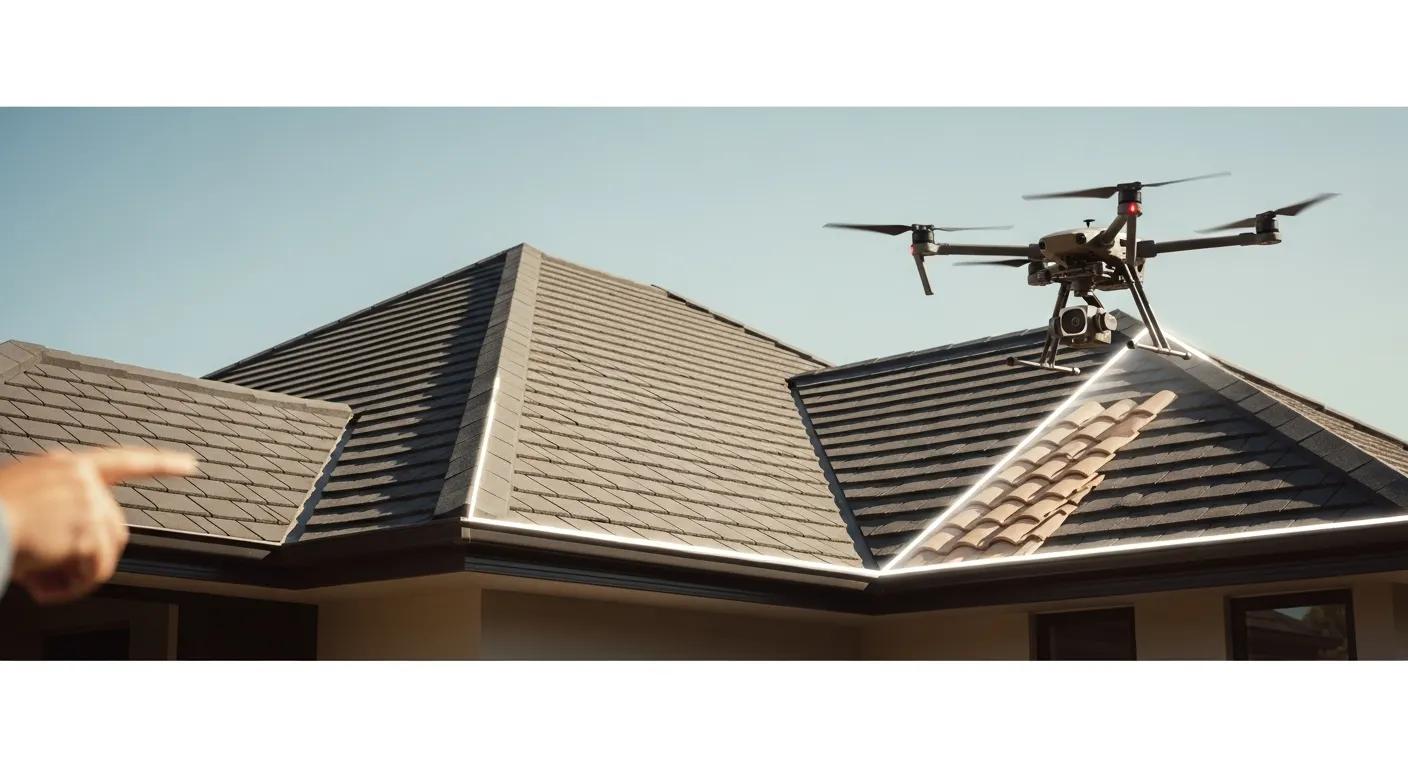
Choosing the right emergency roof inspection service is important after storm damage. A prompt, clear inspection documents damage and supports insurance claims. This guide highlights signs of storm damage, how to find qualified inspectors, and the steps to take after an inspection so you can protect your property and finances.
What Are the Key Signs of Storm Damage Requiring an Emergency Roof Inspection?
Spotting storm damage early helps you arrange repairs before problems worsen. Watch for missing shingles, leaks, torn flashing, or visible sagging — all signs the roof’s integrity may be compromised. Fast inspections can reduce further damage and repair costs.
Knowing the specific types of damage—like those from hurricanes or strong winds—helps homeowners identify the right problems to address.
Identifying Hurricane & Wind Damage to Roofs
Correctly identifying hurricane damage improves your chance of a successful claim. Wind damage can cause leaking roofs, broken windows, and local flooding.
Hurricane Damage to Residential Structures: Wind Damage Overview, 2024
How to Identify Common Roof Damage Types After a Storm
After a storm, inspect for visible and subtle damage. Common types include:
- Missing or Damaged Shingles: Shingles that are cracked, curled, or gone indicate impact or wind loss.
- Leaks and Water Stains: Ceiling or wall stains often point to active leaks that need immediate attention.
- Sagging Roof Structure: Any sagging can signal structural compromise and requires prompt evaluation.
Noting these signs lets you act quickly and prevent longer-term issues.
When Should Property Owners Schedule an Emergency Roof Inspection?
Schedule an inspection as soon as it is safe after a storm or when you notice damage. Also check any insurer deadlines for filing storm-related claims so you don’t miss required timeframes.
- Immediately After a Storm: Book an inspection once it’s safe to do so.
- Visible Damage: If you spot any damage, arrange an inspection without delay.
- Insurance Deadlines: Know your insurer’s deadlines for storm claims and act within them.
Delaying an inspection can worsen damage and complicate claims.
How to Find and Evaluate Licensed Roof Inspectors Near Me?
Search locally and verify credentials. Prefer inspectors who are licensed, insured, and experienced with storm-damage assessments; that expertise improves inspection quality and documentation.
A roof inspector’s role matters for upholding professional standards and confirming the roof system’s integrity.
Professional Standards for Roof Inspectors
The goal is to set standards in the roof inspection industry and to advocate for clients. The primary role of a roof inspector is to determine the integrity of a roof system.
Comprehensive Roofing Inspections: A Service to Clients, 2022
What Certifications and Qualifications Should a Qualified Roof Inspector Have?
When evaluating inspectors, check for these qualifications:
- State Licensing: A valid state or local license where required.
- Insurance: Liability insurance to protect your property during inspection.
- Professional Associations: Membership in recognized industry groups (NRCA, RCI) indicates adherence to standards.
These credentials suggest the inspector can deliver a reliable assessment.
How to Compare Roof Inspection Costs After Storm Damage
Cost is a factor, but balance price and quality. Keep these points in mind:
- Average Cost Ranges: Research local inspection costs (for context, many fall in the low hundreds).
- Factors Affecting Costs: Price varies with roof size, damage extent, and inspector experience.
- Getting Quotes: Obtain multiple quotes to compare services and fees.
Compare what’s included in each inspection to choose the best value.
What Role Does an Emergency Roof Inspection Play in the Roof Damage Insurance Claim Process?
Emergency inspections create the documentation insurers need to process claims. A thorough assessment records all damage and supports funding for repairs, reducing the chance of disputes.
Research shows accurate damage detection and clear documentation improve outcomes in the insurance claims process.
Storm Damage Detection & Insurance Claims Inspections
Many homeowners report their roof as a total loss after storms; insurers gather these data during claims inspections. This example illustrates the task of damage detection and roof inspection.
Roof damage assessment using deep learning, C Kanan, 2017
How Does Roof Damage Assessment Support Accurate Insurance Claims?
A full assessment supports accurate claims by:
- Documenting Damage: Detailed reports record the extent and location of damage.
- Identifying Causes: Notes on cause help clarify policy coverage.
- Supporting Negotiations: Clear documentation strengthens your case with the insurer.
These elements help homeowners secure fair compensation.
What Documentation Should Inspectors Provide for Insurance Claims?
Inspectors should provide documents that back up a claim:
- Inspection Reports: Clear, itemised findings.
- Photographic Evidence: Photos showing damaged areas.
- Repair Estimates: Cost estimates based on the inspection.
Having this paperwork ready speeds the claims process and improves outcomes.
What Steps Follow an Emergency Roof Inspection for Effective Roof Repair and Restoration?
After the inspection, review findings, get repair estimates, and work with qualified contractors to plan repairs.
How to Coordinate Emergency Roof Repair Services After Inspection
To coordinate repairs:
- Select Qualified Contractors: Choose contractors experienced with storm damage.
- Discuss Inspection Findings: Share the report so contractors understand the scope.
- Obtain Written Estimates: Get multiple written estimates to compare prices and timelines.
Clear communication and written scopes make repairs more efficient.
Why Choose Professional Restoration Services for Storm Damage Recovery?
Professional restoration teams offer expertise, quality assurance, and can prevent recurring problems.
They help restore your home safely and efficiently. For comprehensive restoration services, contact a trusted provider.
Frequently Asked Questions
What should I do if I suspect roof damage after a storm?
Act quickly: from the ground, look for missing shingles or sagging and take photos for insurance. Do not climb on the roof. Schedule an emergency inspection and follow safety guidance.
How long does a roof inspection typically take?
Inspection time depends on roof size and damage, often from 30 minutes to a few hours. Ask the inspector for an estimated duration when you book.
Can I file an insurance claim without an inspection report?
Most insurers expect a detailed assessment. An inspection report documents damage and supports coverage decisions; filing without one can delay or weaken your claim.
What should I look for in a roof inspection report?
A good report lists damaged areas, describes damage types, includes photos, recommends repairs, and provides cost estimates to guide next steps.
How can I prepare for a roof inspection?
Clear debris around your home, ensure safe access, and gather prior inspection or insurance documents. Be ready to point out specific concerns during the visit.
What are the common costs associated with roof repairs after an inspection?
Repair costs vary by damage and materials. Minor fixes may cost a few hundred dollars; major repairs can be much more. Always get multiple quotes before approving work.
