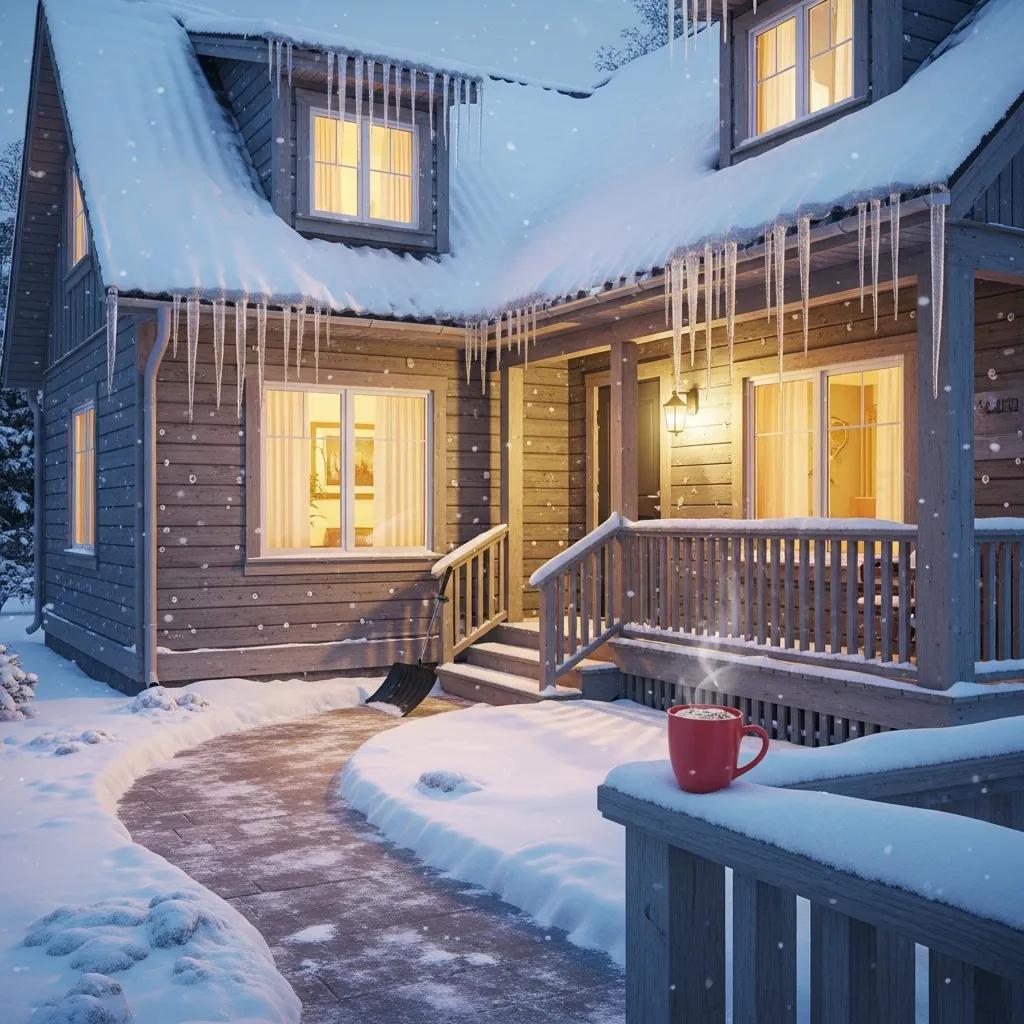
Frozen Pipes and Winter Water Damage: Prevention and Insurance Coverage
Frozen Pipes and Winter Water Damage: Prevention Strategies and Insurance Coverage Guidance

As winter approaches, the risk of frozen pipes and water damage rises. Frozen pipes can cause basement flooding and costly repairs. The following sections summarize causes, effective prevention steps, and how insurance typically applies so property owners can better protect their homes and handle "insurance claims" related to winter water damage.
What Are the Common Causes and Risks of Frozen Pipes and Winter Water Damage?
Frozen pipes form when sustained low temperatures freeze water inside plumbing and it expands, often causing cracks or bursts. Common contributors include inadequate insulation, cold drafts, and excessive water pressure. In very cold climates, plumbing and thermal systems often require specialized design to reduce freeze risk.
Plumbing & Thermal Systems for Arctic Climates
Arctic climates present distinct challenges for designers of heating, ventilating, and air-conditioning (HVAC), plumbing, and thermal energy systems. Best practices for HVAC, plumbing, and heat supply in Arctic climates, 2021
How Do Frozen Pipes Lead to Basement Flooding and Property Damage?
When pipes burst they can release large volumes of water that overwhelm drains, flood basements, damage structure and belongings, and create conditions for mold growth if not remediated quickly.
What Winter Weather Hazards Increase the Risk of Roof Ice Dam Damage?
Heavy snow and temperature swings can form ice dams that trap meltwater and lead to "roof damage" and interior leaks; monitoring snow loads and maintaining roof and gutter systems helps reduce this risk.
Which Effective Prevention Techniques Protect Against Frozen Pipes and Water Damage?
Preventive actions include winterizing plumbing, insulating exposed pipes, sealing cold drafts, draining outdoor lines, and scheduling regular inspections to detect problems before they become emergencies.
What Pipe Insulation Methods Reduce the Risk of Freezing?
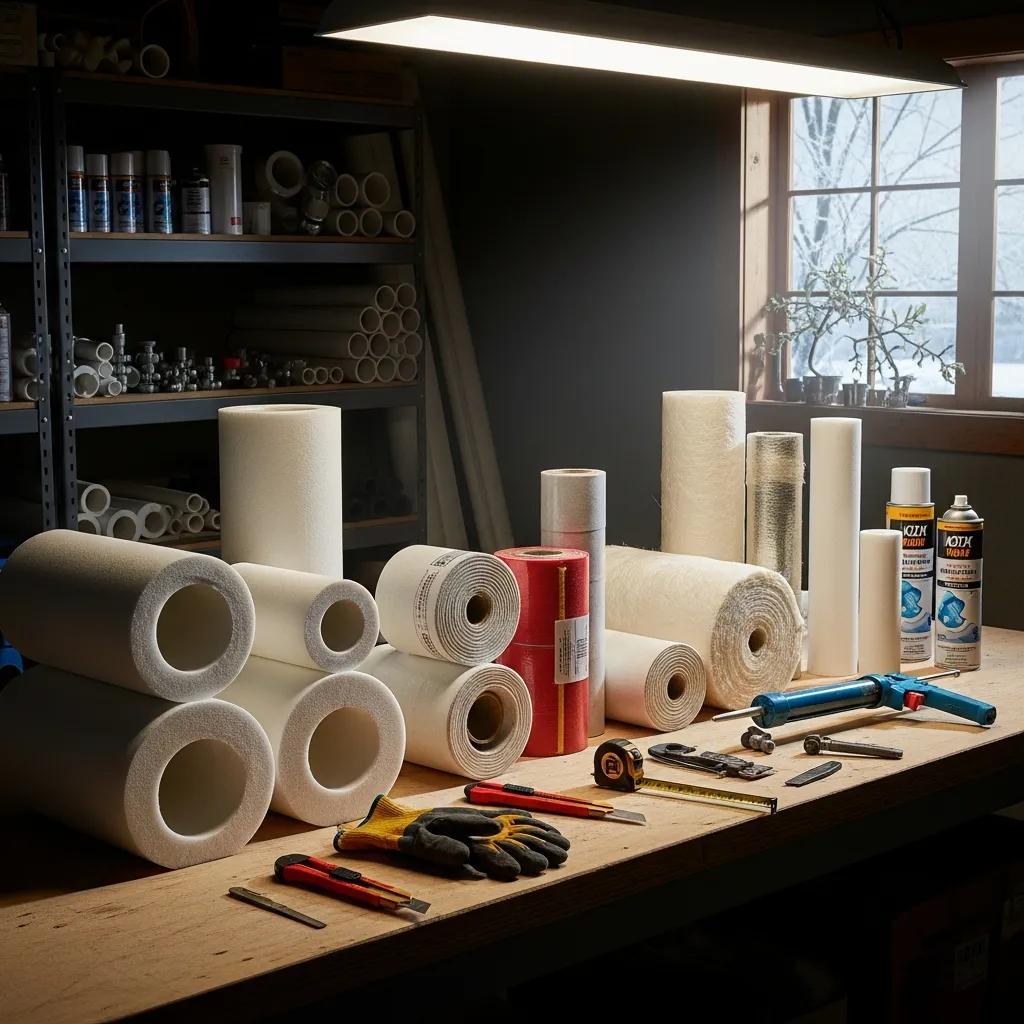
Use foam sleeves, heat tape, or other approved insulation on vulnerable pipes, especially in unheated areas, and drain exterior faucets before freezing weather arrives.
How Can Snowmelt Systems and Roof Maintenance Prevent Ice Dam Formation?
Snowmelt systems, regular snow removal, and clear gutters reduce ice buildup on roofs and lower the chance of leaks and structural damage during freeze–thaw cycles.
How Does Insurance Coverage Apply to Frozen Pipe and Winter Water Damage Claims?
Many standard homeowners policies cover sudden water damage from burst pipes, but terms, limits, and exclusions vary. Document damage carefully and notify your insurer promptly to preserve claim rights.
What Are the Steps to File Insurance Claims for Frozen Pipe Damage?
Filing a claim for frozen-pipe damage typically follows clear steps:
- Document Damage : Take photos and notes of the damage for your records.
- Notify Your Insurance Company : Contact your insurer promptly to report the incident.
- Submit a Claim : Complete required claim forms and provide documentation.
Following these steps helps keep the claims process orderly and improves the chance of appropriate compensation for repairs.
Which Insurance Policies Typically Cover Winter Water Damage and Roof Repairs?
Homeowners policies often cover damage from burst pipes and roof leaks, but coverage details vary by contract. Review your policy and consult your agent to confirm covered perils, limits, and any required maintenance that could affect a claim.
Homeowners Insurance Denials for Plumbing Leaks
Standard homeowners insurance has denied claims for water damage caused by plumbing leaks or drainage problems, characterising the loss as a maintenance issue rather than a sudden event. Consider add-on or extended coverage for additional protection.
Considering Add On Insurance for Extended Protection
How Can Property Owners Connect with Qualified Restoration Professionals for Winter Water Damage?
After winter water damage, hire licensed restoration professionals experienced in water extraction, drying, and mold remediation to ensure safe, effective recovery.
What Services Do Winter Water Damage Restoration Experts Provide?

Restoration specialists commonly provide:
- Water Extraction : Removing standing water to limit further harm.
- Drying and Dehumidification : Using equipment to dry affected structures.
- Mold Remediation : Treating and removing mold caused by moisture.
These services help restore the home to its pre-loss condition and prevent long-term issues.
How to Locate and Verify Local Restoration Professionals for Emergency Repairs?
To locate local restoration professionals, homeowners should:
- Research Online : Check reviews and ratings of local companies.
- Check Credentials : Confirm technicians are licensed and insured.
- Request Estimates : Get multiple quotes to compare services and pricing.
These steps help homeowners select qualified professionals for emergency repairs.
Adjustering operates as a service platform that connects property owners with qualified professionals for recovery and insurance claims related to frozen pipes and winter water damage. Utilizing Adjustering's resources, homeowners may locate experts to assist with winter water damage restoration and "insurance claims" .
Frequently Asked Questions
What are the signs that my pipes may be frozen?
Signs include no or reduced flow from faucets, unusual noises when water runs, visible frost on exposed pipes, sudden pressure drops, or unexpected pooling. Inspect plumbing during cold spells and act quickly if you suspect a freeze.
How can I prevent my pipes from freezing during extreme cold?
Keep the home heated, insulate pipes in unheated spaces, leave cabinet doors open to circulate warm air, allow a slow drip from faucets during extreme cold, and seal gaps around pipes.
What should I do if I suspect my pipes are frozen?
Shut off the water supply to limit flooding and try to thaw the frozen section with a hairdryer or warm towels (no open flames). If a pipe has burst or the freeze location is unclear, contact a licensed plumber immediately.
Are there specific insurance policies that cover damage from ice dams?
Many homeowners policies treat ice-dam damage as water damage, but coverage varies. Review your policy for inclusions, exclusions, and any maintenance requirements, and consult your agent about additional protection if needed.
How can I find reliable restoration professionals for winter water damage?
Research local firms, read customer reviews, verify licensing and insurance, request recommendations, and obtain multiple estimates before hiring a provider.
What are the long-term effects of winter water damage on my home?
If not remediated, water damage can weaken structures, promote mold growth, harm electrical systems, and raise repair costs. Address damage promptly and engage professionals to reduce long-term risks.
Conclusion
Protecting your property from frozen pipes and winter water damage preserves its integrity and value. Implement prevention measures, review insurance coverage, and connect with qualified restoration specialists promptly when damage occurs to accelerate recovery.
