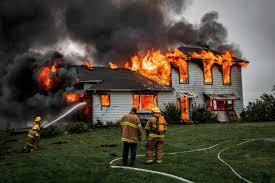
Fire Damage Claims: Smoke, Soot & Odor Issues
Fire Damage, Insurance Claims, Smoke & Soot, Philadelphia Region
Fire Damage Claims: Why Smoke, Soot, and Odor Should Not Be Overlooked
A house or business fire is traumatic enough. But for many property owners in Philadelphia, Bucks County, Montgomery County, Chester County, Delaware County, South Jersey, and Central Jersey, the real stress begins when it is time to file a fire damage insurance claim and uncover the full extent of the loss. What looks “not too bad” at first glance can hide serious smoke, soot, odor, water, and structural issues that affect your health, safety, and long-term property value.
SEO Essentials for This Article
SEO-friendly URL slug: fire-damage-claims-smoke-soot-odor
Suggested meta title (under 60 characters): Fire Damage Claims: Don’t Ignore Smoke, Soot & Odor
Suggested meta description (under 155 characters): Learn why smoke, soot, odor, and water damage matter in your fire damage insurance claim and how to protect your property and rights.
Featured image description: Professional, neutral-toned photo of a lightly fire-damaged living room with restoration experts reviewing documents with a homeowner.
Featured image alt text: Homeowner discussing a fire damage insurance claim with restoration professionals in a smoke-stained living room.
Your Fire Damage Insurance Claim Is About More Than Burned Walls
When adjusters or contractors focus only on visibly charred areas, you risk leaving thousands of dollars in uncovered damage on the table. A strong fire damage insurance claim looks beyond the obvious burn marks and takes into account how smoke, soot, and water traveled through your home or commercial building.
Whether you are a homeowner in South Philly, a landlord in Bucks County, a retail owner in Cherry Hill, or a property manager in Central Jersey, overlooking hidden damage can lead to lingering odors, health concerns, and costly repairs down the road—repairs that might have been covered if documented properly from the start.
📌 Key Reminder: Every claim is unique. Coverage depends on your individual insurance policy, and no outcome, payment, or settlement amount can be guaranteed.
Visible vs. Hidden Fire-Related Damage: What You Can’t See Can Hurt You
After the fire is out, most people notice the same things: blackened walls, blistered paint, and damaged furniture. That is the visible fire-related damage. It matters—but it is only part of the story. The most serious issues often hide behind walls, above ceilings, and inside your HVAC system, quietly affecting air quality and building materials long after the flames are gone.
Visible damage: charred framing, melted siding, cracked windows, ruined flooring, and clearly burned contents.
Hidden damage: smoke inside insulation, soot in ductwork, weakened structural members, and moisture trapped in walls and subfloors.
A thorough inspection by experienced fire restoration professionals helps reveal both types of damage so they can be properly included in your claim and addressed in your restoration plan.
Smoke Migration: How Damage Travels Far Beyond the Flames
Smoke does not stay where the fire started. It moves quickly through hallways, stairwells, gaps around pipes, and tiny openings in walls and ceilings. This process, known as smoke migration, can affect rooms—and even units—far from the original fire area, especially in multi-family buildings and commercial properties common across the Philadelphia and New Jersey region.
Light smoke residue on walls and ceilings in “untouched” rooms
Discoloration around electrical outlets, vents, and light fixtures
Persistent odor in closets, cabinets, and closed-off spaces
When you file a smoke damage claim, it is important to document these less obvious areas. Even light residue can be acidic and corrosive, gradually damaging finishes, electronics, and personal belongings if not cleaned correctly.
HVAC Contamination: Why Your Ducts and Vents Matter in a Fire Claim
Your heating and cooling system can become a highway for smoke and soot. Once pulled into the return vents, contaminants spread through ductwork and are redistributed every time the system runs. This can turn a local fire into a whole-building air quality problem, especially during cold Philadelphia winters or hot New Jersey summers when HVAC systems run constantly.
Soot deposits inside ductwork and on vent covers
Odors released whenever the heat or air conditioning turns on
Potential irritation for occupants with asthma, allergies, or respiratory issues
💡 Pro Tip: Ask whether HVAC inspection, cleaning, and filter replacement are being considered as part of your fire damage insurance claim. Do not assume it is automatically included.
Odor and Soot Damage Restoration: It’s Not Just About Smell
Lingering odor is one of the biggest complaints after a fire. If you can still smell smoke weeks later, chances are that microscopic soot particles remain on surfaces, inside fabrics, or in building materials. Proper soot damage restoration goes far beyond spraying air freshener or repainting walls.
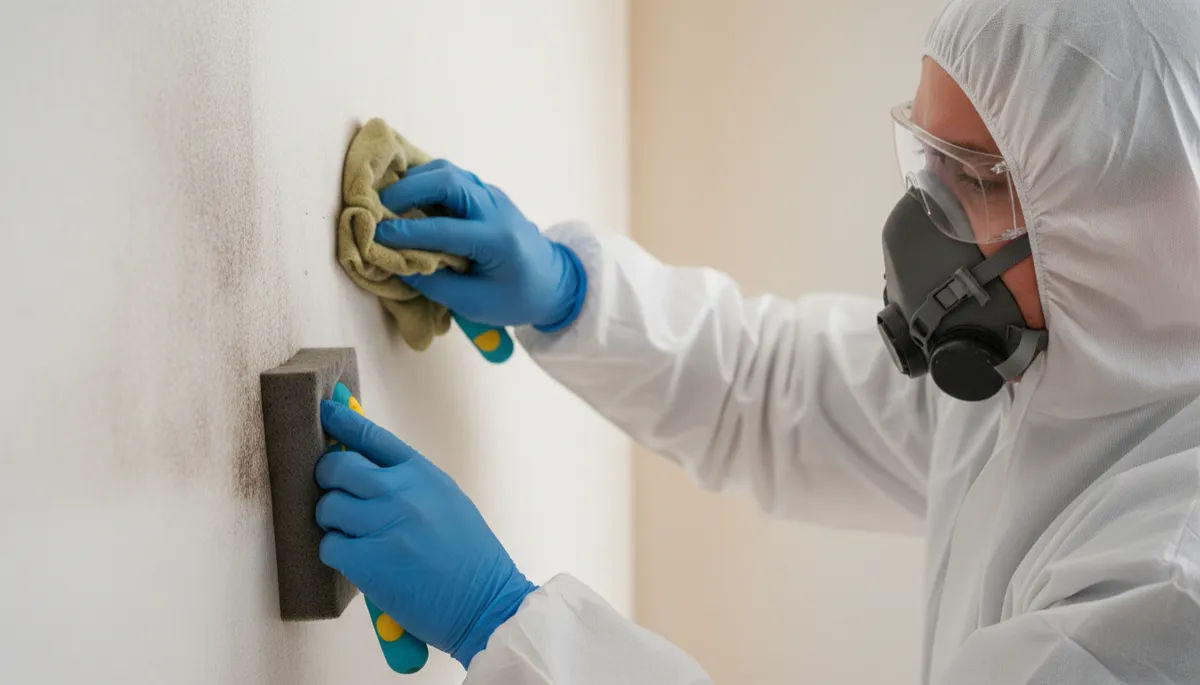
-toned close-up of a restoration technician in protective gear carefully wiping soot from a...
Professional soot removal and odor treatment help restore indoor air quality after a fire.
Specialized cleaning methods for walls, ceilings, trim, and hard surfaces
Treatment of soft goods like carpets, drapes, and upholstery
Odor removal techniques such as thermal fogging or ozone/ hydroxyl treatment when appropriate
Experienced fire restoration professionals understand how different types of smoke—protein, plastic, wood, or synthetic—require different cleaning strategies. The goal is not just to cover up the smell, but to remove the source so your property feels truly clean and safe again.
Contents Damage: Furniture, Clothing, Electronics, and More
Fires rarely damage only the structure. Smoke and soot can affect clothing, furniture, mattresses, artwork, documents, tools, and sensitive electronics. A well-documented smoke damage claim should address both the building and the contents inside it.
Soft goods may require specialized cleaning or may be considered non-salvageable.
Electronics exposed to soot or moisture can corrode internally over time.
Important documents may need professional restoration or secure digital backup.
📌 Checklist Tip: Before items are discarded, photograph and list damaged contents room by room. This record can be crucial when working through your fire damage insurance claim.
Don’t Forget the Water: Firefighting Efforts Can Create New Problems
The same water that saves your property can also damage it. Firefighters often need thousands of gallons of water to control a blaze. That water can soak floors, walls, insulation, and personal belongings, leading to swelling, warping, staining, and potential mold growth if not dried promptly and thoroughly.
Saturated drywall and insulation that must be removed and replaced
Damaged flooring, subflooring, and baseboards
Elevated humidity that can impact wood framing and finishes
Any comprehensive fire damage insurance claim should consider both the fire and the water used to fight it. Ignoring moisture can lead to long-term issues that are harder and more expensive to fix later.
Structural Concerns: Safety First, Especially in Older Buildings
In older rowhomes, mixed-use buildings, and historic properties across the Philadelphia and New Jersey area, fire and heat can weaken framing, joists, roof structures, and masonry. Sometimes the damage is obvious; other times it requires a trained eye to spot subtle but important signs of compromise.
Charred or cracked beams and joists
Sagging ceilings or uneven floors after the fire
Heat-damaged brick or concrete that has lost strength
Structural repairs can be a major part of restoration costs. Having these issues evaluated and documented by appropriate professionals helps ensure they are properly considered as part of your claim and that repairs meet safety standards and local codes.
Warning Signs You May Be Overlooking Fire, Smoke, or Soot Damage
You still smell smoke days or weeks after “cleanup” is finished.
Your HVAC system spreads odor whenever it turns on.
Walls or ceilings show yellowing, streaks, or ghosting around studs and nails.
Family members or tenants complain of headaches, coughing, or irritation indoors.
Doors, windows, or floors seem to have shifted or no longer close properly.
⚠️ Warning: If you notice these signs, do not ignore them. Talk with qualified fire restoration professionals and, if appropriate, a licensed public adjuster before accepting a final settlement.
Practical Steps and Homeowner Checklist After a Fire
Put safety first. Do not re-enter the property until authorities say it is safe. Watch for structural hazards, electrical issues, and unstable debris.
Notify your insurer promptly. Report the loss and open your fire damage insurance claim. Ask about deadlines and documentation requirements.
Document everything. Take clear photos and videos of all affected areas, including smoke migration zones, contents, and water-damaged spaces.
Protect the property. If safe, board up openings, tarp damaged roofs, and prevent further damage. Keep receipts for any temporary repairs.
Create a contents list. Room by room, list damaged items, approximate ages, and values. Include smoke-affected clothing, furniture, and electronics.
Consult experts. Consider speaking with a licensed public adjuster and reputable fire restoration professionals who serve your area to understand the full scope of visible and hidden damage.
Review your policy. Check deductibles, exclusions, and special limits. Remember that coverage depends on your specific policy language.
FAQs About Fire Damage Claims, Smoke, and Soot
1. Does insurance cover smoke damage if there was only a small fire?
Many policies do provide coverage for smoke damage, even from relatively small fires, but it depends on your individual policy terms and exclusions. It is important to document all areas affected by smoke migration and consult your insurer or a licensed public adjuster for guidance. No specific coverage or claim outcome can be guaranteed.
2. What is included in soot damage restoration?
Soot damage restoration may include detailed cleaning of walls, ceilings, trim, and contents; odor removal treatments; and, in some cases, removal and replacement of materials that cannot be cleaned effectively. The exact scope depends on the severity of the damage and what your insurer agrees to cover under your policy.
3. Should I run my HVAC system after a fire?
In many cases, it is best to avoid running the system until it has been inspected for soot and smoke contamination. Running it too soon can spread contaminants further. Talk with qualified fire restoration professionals or HVAC specialists and check what your insurer recommends for your situation.
4. How long does a fire damage insurance claim usually take?
Timelines vary widely based on the complexity of the loss, the responsiveness of everyone involved, and your insurer’s processes. Some claims resolve in weeks, while others take months. No specific time frame can be promised, but organized documentation and clear communication often help the process move more smoothly.
5. Do I have to accept the first settlement offer?
You are generally not required to accept the first offer. Many property owners choose to review estimates with contractors or a licensed public adjuster before making a decision. However, any negotiation or outcome will depend on your policy, documentation, and discussions with the insurance company, and no particular settlement amount can be guaranteed.
Final Thoughts: Don’t Let Hidden Fire Damage Go Unnoticed
Fire losses are overwhelming, but you do not have to navigate them alone. When you understand how smoke migration, HVAC contamination, odor, contents damage, water, and structural concerns all fit into your fire damage insurance claim, you are better prepared to protect your property and your peace of mind.
Remember: coverage depends entirely on your specific policy, and no professional can guarantee approval, timelines, or settlement amounts. What you can do is surround yourself with knowledgeable support—people who understand both the technical side of soot damage restoration and the practical side of dealing with insurers in the Philadelphia and New Jersey markets.
Need help after property damage? Adjustering can connect you with a licensed public adjuster and vetted restoration professionals in your area. Call 610-707-8414.
