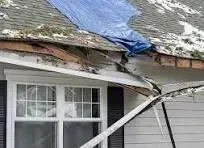
Emergency Roof Repair: How to Act Fast After Storms
Emergency Roof Repair: How to Act Fast After Storms to Protect Your Property and File Insurance Claims

Storms often cause significant roof damage. Acting quickly limits further loss and helps the insurance-claims process. This article summarizes the immediate steps to take after storm damage, how to file claims, and what emergency roofing professionals do to protect your property and support a proper claim.
Immediate Actions After Storm Damage
First, ensure personal safety and avoid entering unsafe areas. From a safe distance, note hazards like downed power lines or unstable structures. When safe, photograph and record damage thoroughly for insurance purposes, and schedule a qualified inspection to determine necessary repairs.
Filing Insurance Claims

Notify your insurer promptly to open a claim and assemble documentation: dated photos, inspection reports, and repair estimates. Keep records of all communications. A licensed public adjuster can help organise the claim and negotiate a fair settlement if needed.
What to Expect from Emergency Roofing Services
Emergency roofing contractors assess and document damage, perform safety checks, and apply temporary measures—like covering leaks or securing loose shingles—to limit further loss. Their documentation often supports your insurance claim and clarifies the scope of permanent repairs.
Coordination of Repairs
After filing, work with contractors experienced in storm damage. Review inspection findings, get multiple written estimates, and compare costs, timelines, and warranties before authorising work.
How to Identify and Assess Roof Damage Quickly and Accurately
Prioritise safety: use binoculars or a drone instead of climbing when possible. Look for missing shingles, leaks, sagging, or other visible defects and record findings in detail to support the repair plan and insurance claim.
What Temporary Roof Repair Techniques Can Prevent Further Damage?
Interim measures limit deterioration until permanent repairs are scheduled. Common techniques include:
| Technique | Description | Benefits |
|---|---|---|
| Heavy-duty tarps | Covering the damaged area with a tarp to prevent water intrusion | Quick and effective protection against rain |
| Plywood sheets | Using plywood to cover larger openings or holes | Provides a sturdy barrier against the elements |
| Waterproof sealants | Applying sealants to small leaks or cracks | Prevents water from seeping into the roof structure |
These interim measures protect the property while permanent repairs are arranged.
Government programs may provide assistance for temporary roof repairs in disaster-affected areas.
FEMA's Operation Blue Roof: Emergency Temporary Roof Repair
The Operation Blue Roof program provides a free temporary roof for residential structures, schools, day care centers, and all publicly owned facilities. These temporary roofs provide short-term relief until the owner can make permanent repairs. The U.S. Army Corps of Engineers USACE manages the Operation Blue Roof program for the Federal Emergency Management Agency FEMA.
US Army Corps of Engineers' "Operation Blue Roof" Project in Response to Hurricane Katrina, 2006
How to Perform a Roof Leak Emergency Fix: Temporary Patching Methods
Choose a temporary patch method based on damage size and location. Gather tarps, plywood, or sealants and follow safety protocols—PPE, stable ladders, and secure footing. Apply the patch to stop water ingress and keep the area safe until licensed professionals complete permanent repairs.
What Is the Process for Filing an Insurance Claim for Roof Damage?
Document damage with clear photos and written descriptions, then notify your insurer to open a claim. Include inspection reports and repair estimates to support your submission. A licensed public adjuster can organise documentation and present your case effectively.
How Does a Public Adjuster Assist Property Owners with Storm Damage Claims?
Public adjusters prepare detailed damage estimates, represent the owner in insurer negotiations, and work to secure a fair settlement. Their expertise often improves claim outcomes.
What Documentation and Evidence Are Required for Roof Damage Insurance Claims?
Common required items include:
- Clear photographs of the damage
- Inspection reports from professionals
- Repair estimates from contractors
Organised, accessible documentation speeds the claims process and supports accurate compensation.
How to Select Qualified Roofing Contractors for Emergency Storm Damage Repairs

Select contractors with proper licensing and insurance and documented storm-repair experience. Request references and written warranties, and prefer firms that provide clear, itemised estimates.
What Credentials and Experience Should You Look for in Roofing Professionals?
Confirm required licenses and insurance for your jurisdiction, check past storm-damage projects, and look for warranties or industry certifications that indicate quality and standards compliance.
Where to Find Local Contractors Specializing in Storm Damage Roof Restoration?
Search industry directories and reputable online listings, verify credentials and reviews, and obtain multiple written estimates to compare scope, cost, and timelines before choosing a contractor.
If you require assistance with storm damage, contact a professional restoration service to assess and restore your property.
Frequently Asked Questions
What should I do if I notice a leak after a storm?
Ensure safety first, move valuables away, and collect dripping water. If safe, apply a temporary patch (tarp or sealant), photograph the damage for your claim, and contact a licensed roofing contractor for permanent repairs.
How can I prevent roof damage during a storm?
Maintain your roof regularly, inspect for missing shingles or cracks, trim overhanging branches, secure loose exterior items, and consider impact-resistant materials to reduce storm risk.
What are the signs of roof damage after a storm?
Signs include missing or damaged shingles, interior leaks, ceiling or wall stains, sagging roof areas, and shingle granules in gutters. If you notice any, get a professional inspection.
How long does it take to repair a roof after storm damage?
Repair time depends on damage severity. Minor fixes can take hours; extensive restoration may take days or weeks. Weather, material availability, and contractor schedules also affect timelines—ask your contractor for an estimate.
Can I file an insurance claim for roof damage caused by wear and tear?
Homeowners insurance typically covers sudden storm events; normal wear and tear is usually excluded. Review your policy and consult your agent. If storm damage occurs, document it and file promptly.
What should I include in my insurance claim documentation?
Include clear photographs, detailed descriptions, professional inspection reports, and contractor repair estimates. Keep records of all correspondence with your insurer to support the claim.
