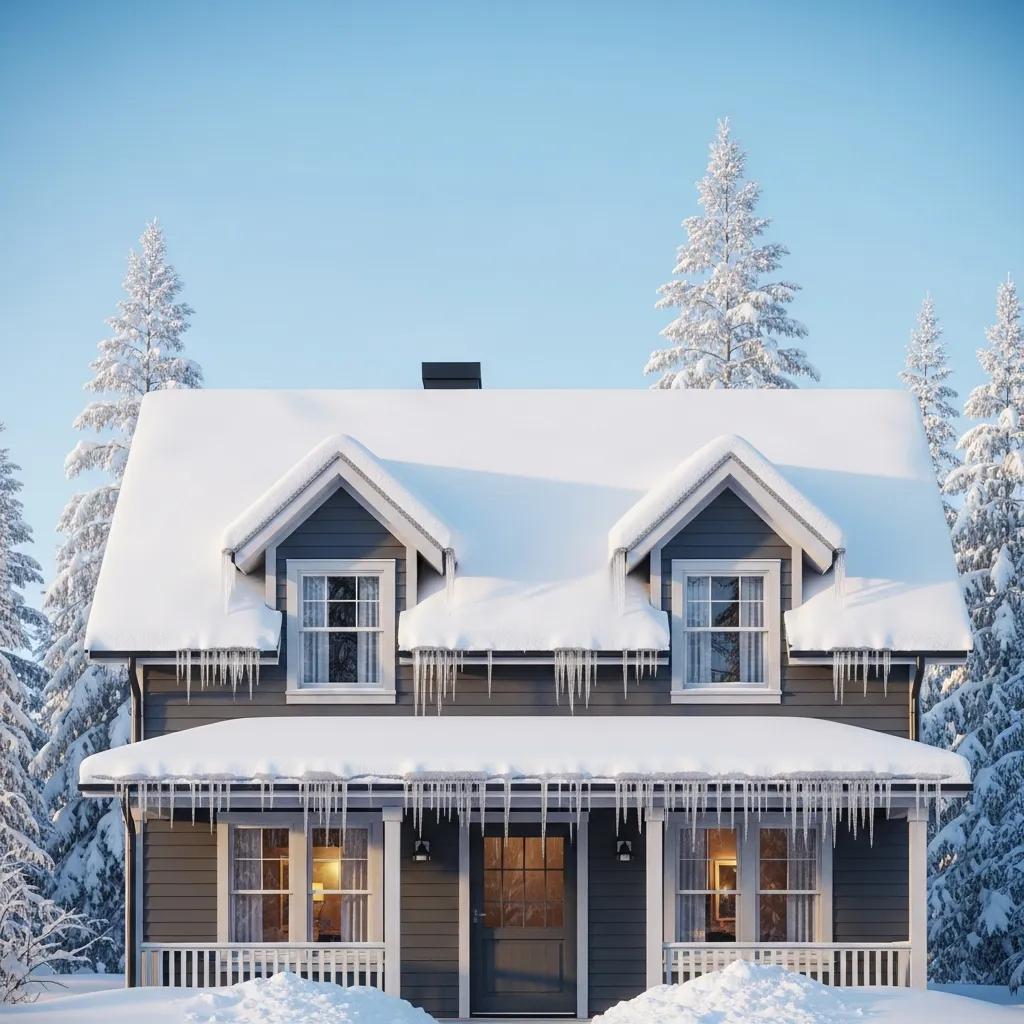
Safeguard Your Home: Ice Dams & Roof Leaks Explained
Common Types of Winter Property Damage

Winter brings predictable risks for property owners: ice dams, roof leaks, and frozen pipes are common and can trigger costly repairs and insurance claims. Early identification of causes and warning signs helps prevent damage and speeds restoration. This article outlines the principal causes, common indicators, restoration steps for frozen pipes, and basic guidance for filing winter storm claims.
What Are the Primary Causes and Signs of Ice Dams and Roof Leaks?

Ice dams and roof leaks result when heat escaping the building melts roof snow, and meltwater refreezes at colder eaves, creating a barrier to drainage. Blocked runoff causes pooling and increases the likelihood of water entering under shingles. Regular roof inspections and maintenance reduce these risks.
How Do Ice Dams Form and Lead to Roof Leaks?
Ice dams form when warm air from the living space heats the roof deck, melting snow above insulated areas while eaves remain cold. Meltwater flows toward the eaves, refreezes, and forms a dam that can force water beneath shingles, causing leaks. Adequate attic insulation and ventilation limit heat transfer and lower the chance of ice-dam formation.
Further research emphasizes the critical role of proper attic ventilation in preventing these issues.
Attic Ventilation Strategies for Ice Dam Prevention
Attic ventilation has become a widely accepted strategy to reduce condensation and ice dams in winter and to moderate extreme attic temperatures in summer. Alternative design approaches also exist that may address these issues as effectively or more effectively in certain climates. This paper examines summer attic temperatures, ice dams, and shingle durability, and it compares the relative merits of attic ventilation with alternative design approaches across various climates.
Issues related to venting of attics and cathedral ceilings., 1999
What Are the Visible Symptoms of Roof Leaks in Winter?
Watch for ceiling stains, missing or damaged shingles, icicles, and active drips during snowmelt or precipitation. Early detection through routine inspections limits interior damage and reduces repair costs.
How Can Frozen Pipes Cause Water Damage and What Are Restoration Steps?
Frozen pipes can burst when ice blocks water flow and pressure builds. Burst pipes release large volumes of water quickly, causing structural damage, soaked finishes, and mold risk. Prevention and prompt restoration minimize loss.
What Are the Common Indicators of Frozen Pipe Damage?
Typical signs include visible leaks, water stains on walls or ceilings, and sudden loss of water pressure at fixtures. Check exposed and unheated plumbing during prolonged cold spells and respond immediately to any signs.
What Is the Standard Process for Frozen Pipe Damage Restoration?

Restoration typically follows a clear sequence: stop the leak, extract standing water, dry and dehumidify affected areas to prevent mold, and repair plumbing and damaged building materials. Keep detailed records and photographs to support insurance claims and the restoration timeline.
When Should Emergency Water Damage Services Be Contacted During Winter Storms?
Contact emergency water damage services immediately for significant water intrusion, active leaks, or any condition that threatens structural safety. Rapid mitigation reduces secondary damage and speeds recovery.
What Constitutes a Winter Property Emergency Requiring Immediate Restoration?
Emergencies include burst or frozen pipes releasing water, severe storm damage, sagging ceilings, or compromised structural elements. In these cases, retain professional restoration services without delay.
How Do Emergency Restoration Services Mitigate Winter Water Damage?
Professionals provide fast assessment, water extraction, drying with industrial equipment, and dehumidification to limit moisture and mold. Prompt intervention focuses on stabilization and returning the property toward pre-loss condition.
What Are the Essential Steps for Filing Winter Storm Property Insurance Claims?
Filing a winter-storm claim requires prompt action and clear documentation. Knowing the key steps helps streamline the process and improve the chance of a satisfactory outcome.
How Should Property Owners Document Winter Damage for Insurance Purposes?
Photograph all affected areas, save inspection and repair reports, and keep invoices and contractor estimates. Comprehensive records substantiate the scope and timing of damage during the insurer's review.
What Are Best Practices for Efficient Winter Storm Property Claims Submission?
Document losses thoroughly, consider a public adjuster when appropriate, and follow up persistently with your insurer. Clear records and consistent communication help expedite claim resolution and secure eligible compensation.
Frequently Asked Questions
What preventive measures can homeowners take to avoid winter property damage?
Key measures include adding attic and wall insulation, ensuring proper attic ventilation, scheduling regular roof inspections, keeping gutters clear, and insulating pipes in unheated areas. Maintaining a stable indoor temperature or using a smart thermostat can also reduce freeze risk.
How can I tell if my roof is at risk of ice dams?
Look for uneven snowmelt, long icicles along eaves, or rapid melting in some roof areas while other sections retain snow. Inspect attic insulation and ventilation—poor airflow and heat loss raise the risk of ice dams.
What should I do if I discover a roof leak during winter?
Contain the water if possible, photograph the area, and contact a professional roofer to assess and repair damage. Notify your insurer promptly to discuss coverage and next steps; early action reduces mold and wider deterioration.
Are there specific insurance policies that cover winter property damage?
Many standard homeowners policies cover common winter perils such as frozen pipes, ice dams, and storm-related roof leaks, but terms and exclusions vary. Review your policy and consult your agent to confirm limits and whether additional endorsements are needed.
What are the long-term effects of ignoring winter property damage?
Unaddressed leaks and pipe failures can lead to structural deterioration, mold growth, damaged insulation, higher energy bills, and reduced property value. Repeated neglect can also increase insurance costs. Timely repairs limit long-term consequences.
How can I find a reliable emergency restoration service for winter damage?
Request recommendations from trusted contacts, check verified reviews, and confirm licensing and insurance. Ask about response times, experience with winter claims, and for a written estimate. A reputable company communicates clearly and documents work thoroughly.
Conclusion
Understanding common winter damages—ice dams, roof leaks, and frozen pipes—helps homeowners take preventive steps and react effectively when problems occur. Recognize warning signs, document damage carefully, and engage qualified restoration and insurance professionals to limit costs and protect your property.
